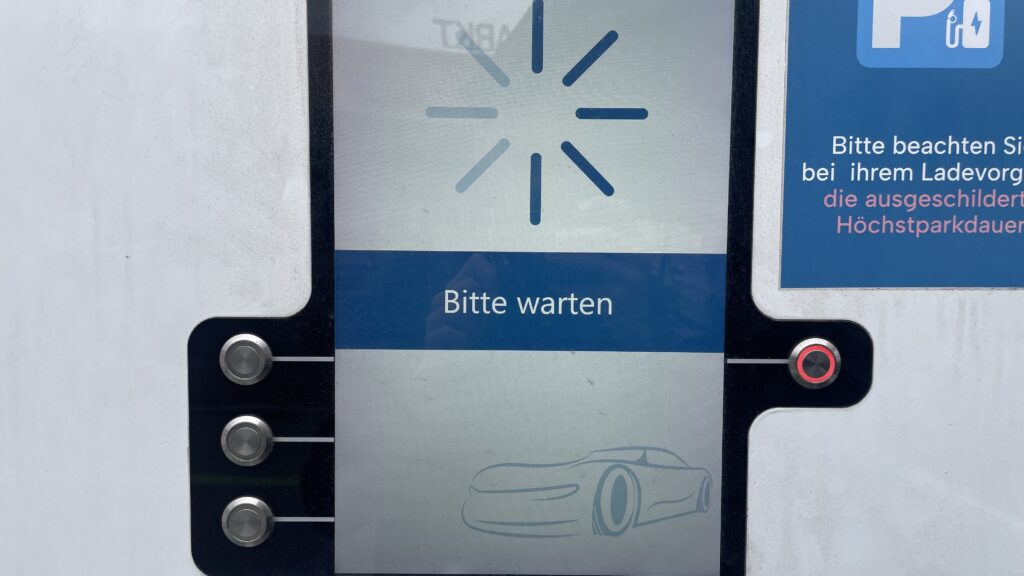
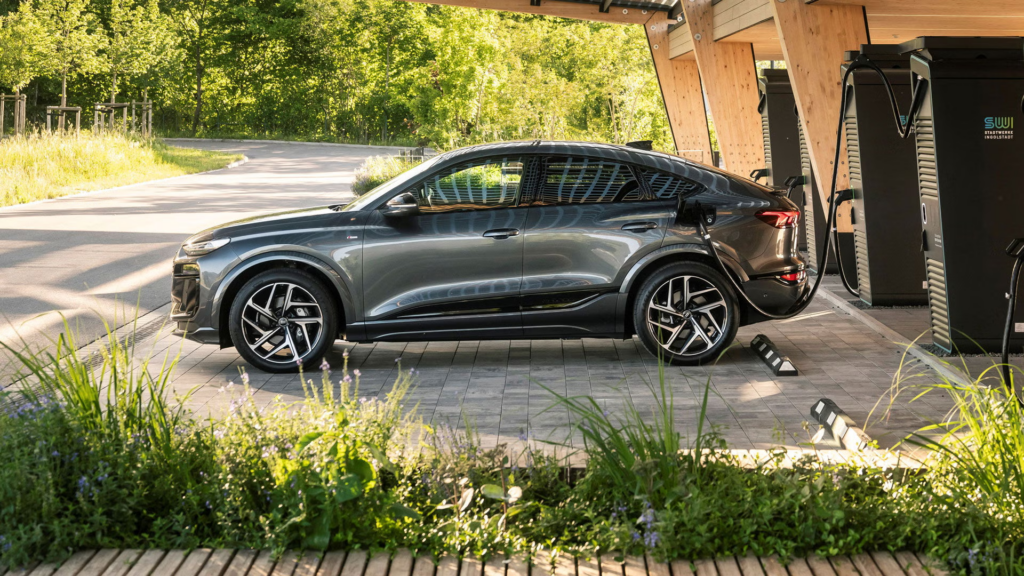
IMPULSE #8 – Charging the AUDI Q4 E-Tron by my own

For this impulse I finally left my laptop and went outside. I borrowed a friend’s Audi Q4 e‑tron for two weeks and tried to live like a “real” EV driver. I drove between Graz and Vienna, searched for chargers on the road and in the city, and tried to feel what first‑time users feel. It was exciting, but also often very frustrating.

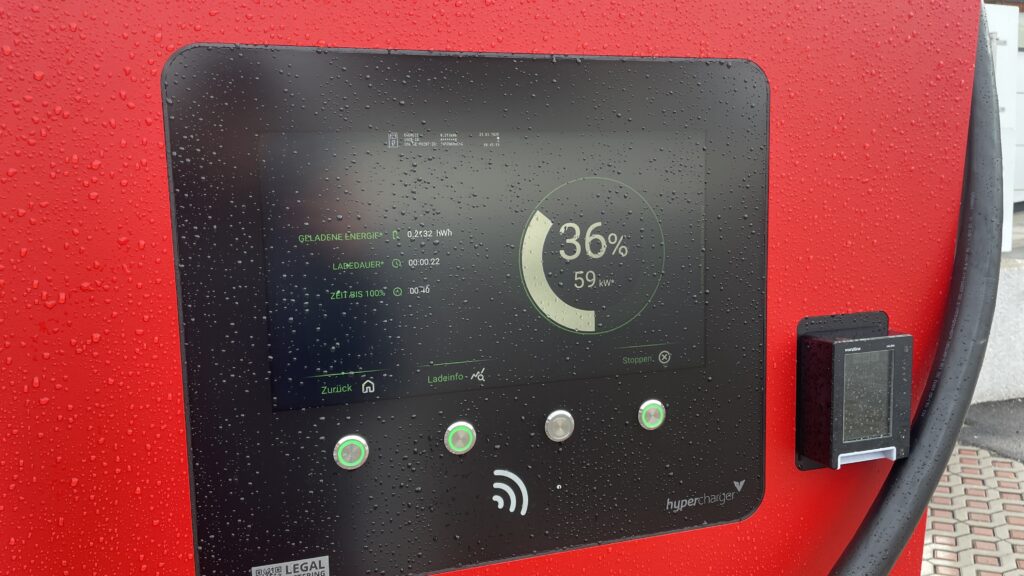
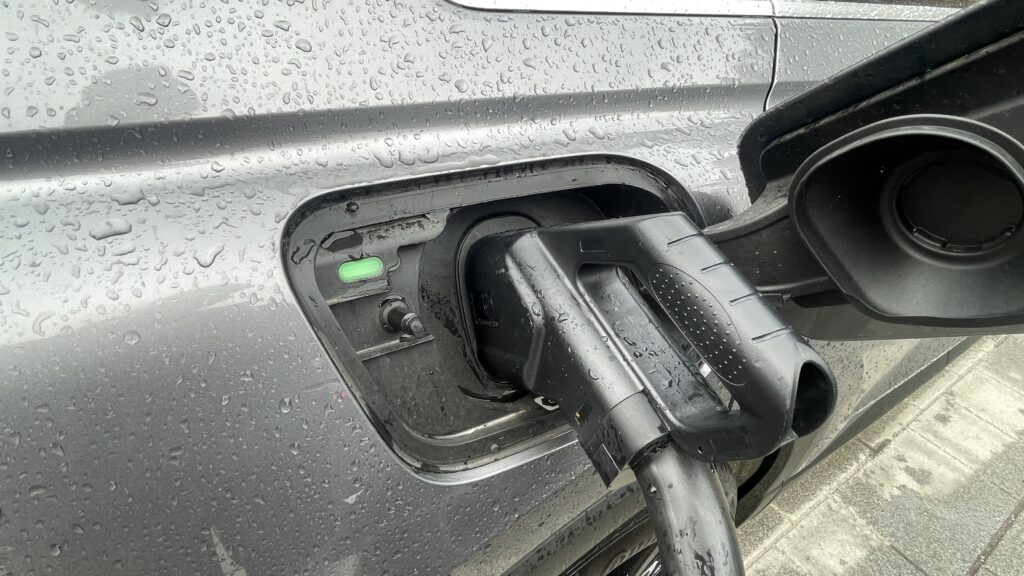
The first big problem was something very simple: cable length and parking. Two times I could not charge because the cable was way too short. The cars next to me were parked very close and very wide, so I could not place the Audi in a position where the plug reached the port. I stood there with the fast‑charging cable in my hand and could only laugh and be angry at the same time. It felt so stupid: the charger was free, my battery was low, but the physical layout made it impossible to start the session.

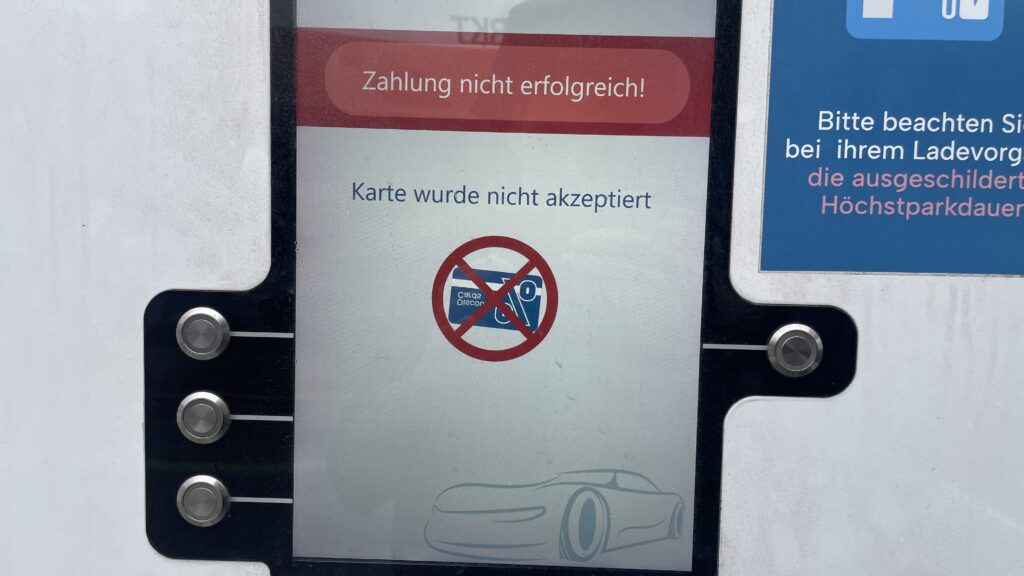
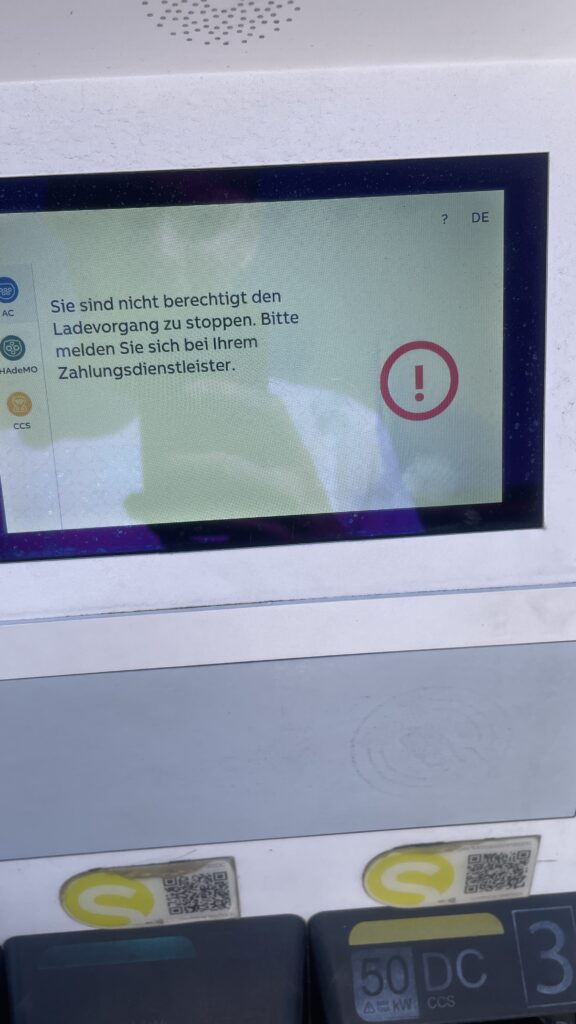
The second repeating problem was payment. My main charging card was sometimes not accepted at all. I had to try other cards and apps until something finally worked. Each time I stood there thinking: “If I was a total beginner, this would be the moment i give up.” I felt my own frustration rise, but at the same time I thought, this is good for my research. Now I do not just read about these pain points – I experience them with my own hands.

Route planning also showed interesting gaps. On the trip from Graz to Vienna I had some clear wishes. I wanted a charger with more than 300 kW so I do not have to wait too long. I wanted something with food nearby, because I was hungry. And I wanted a provider that is not SMATRICS, because I already had problems with them before. I thought these are basic, logical filters. But in the Audi system I could not filter for any of this. The car offers a nice tool that estimates how far I can still drive and suggests chargers on the way. Technically, this is very smart. But I could not set my own preferences. I could not select only “high‑power” chargers, or exclude specific networks, or search for stations with restaurants. I had to check everything manually, station by station.

Another missing detail was live information. Often it was not clear in the interface if a charger was free or busy. Sometimes I did not even see how many plugs the station had in total. For confidence this is important: if I drive ten minutes off the highway, I want to know if I really have a chance to plug in.

One of the most stressful moments happened when I came back to the car after charging. I wanted to unplug and continue my trip, but the connector was stuck and did not want to come out. The card did nothing anymore. I locked and unlocked the car several times and tried to pull with more and more force. After some minutes it finally released, but I never really understood which action solved it. For onboarding this is a nightmare: if something goes wrong, the system should clearly tell the user what to do, step by step. Here I had only trial and error.

Emotionally, these two weeks were a mix of curiosity, anger, and calm observation. In some moments I was really mad – especially when three small problems (finding a station, cable too short, card not accepted) came together. In other moments I felt almost grateful, because now I know these issues are not abstract. They really happen in everyday life, even with a premium car like an Audi Q4 e‑tron.

For my master thesis this impulse is very valuable. It helps me see how many barriers are not just software problems, but also physical design and service design problems: parking layout, cable reach, live status, contract jungle. It also shows how important personal preferences are. A good onboarding should not only explain “how to plug in”, but also support users in choosing the right charger for their needs: power, price, nearby services, and trust in the operator. These two weeks in the car gave me a much richer picture of what “first‑time public EV charging” really feels like – messy, fragile, but full of opportunities for better design. And I know imagine how a person that is less tech-savvier then me would do all these tasks. Crazy…
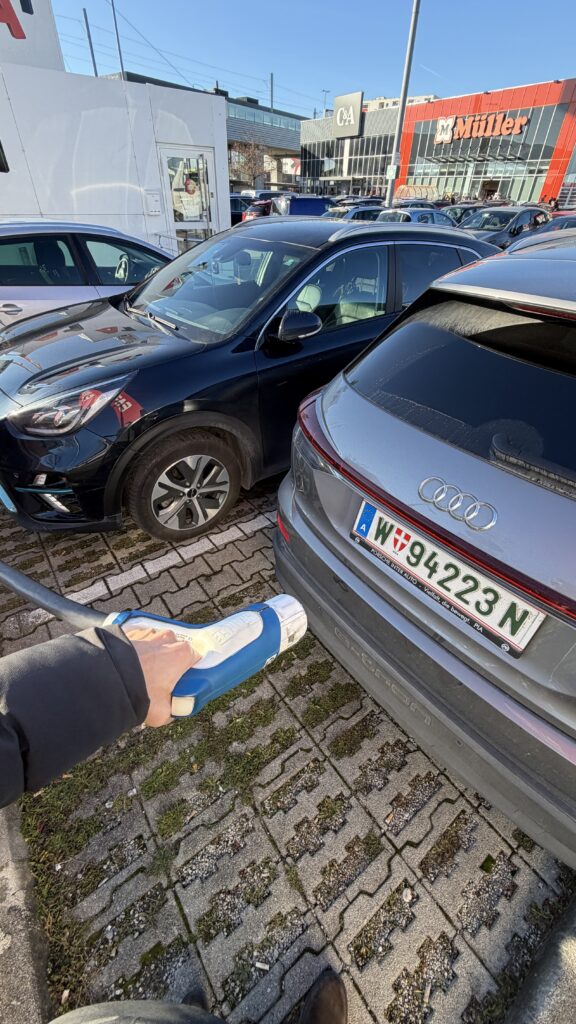
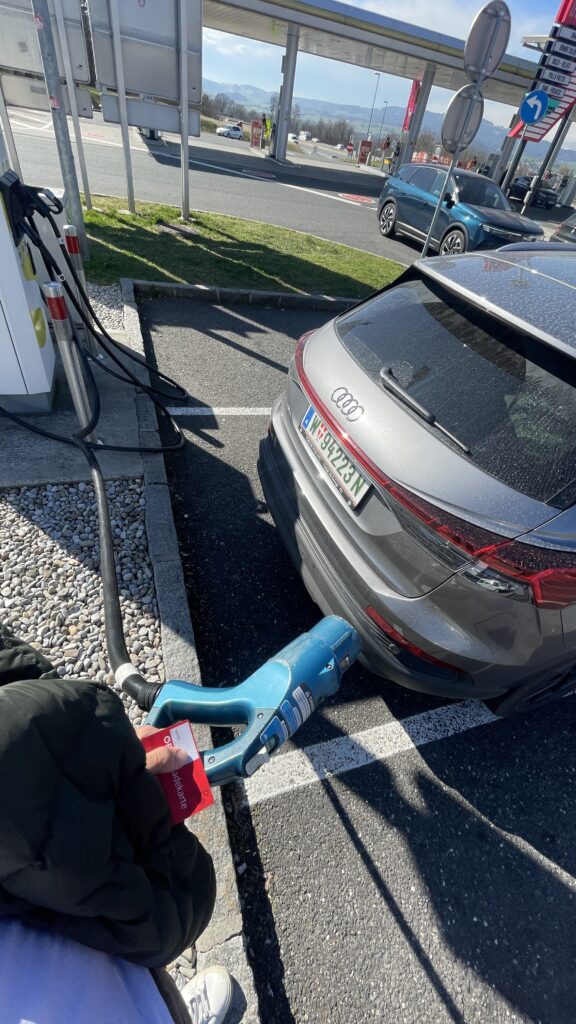
IMPULSE #6 – The AUDI Innovation Lab

Recently I spent some time exploring the Audi Innovation pages, especially the content about e‑mobility, digital services and the Audi charging hub. At first I just wanted to understand what Audi is doing with fast charging. But after reading more, I realized that this material is also very relevant for my master thesis as I want to do the prototyping within the AUDI Design System.

One key topic for me is how Audi understands charging as a complete experience, not only as a technical process. On the Audi charging hub site, they describe the hub as a premium place where drivers can charge quickly and relax in a lounge at the same time. The charging cubes store energy with second‑life batteries and can be moved and rebuilt in different cities. I find this interesting because it shows a clear link between infrastructure design, sustainability and user comfort. For my research, this confirms that charging is more than a plug and a screen. It is a service environment that can reduce or increase stress for especially first‑time users.

Audi also focuses strongly on urban users who do not have private charging at home, which im also focusing in (Public EV Charging). The charging hub gives them reliable fast charging and extra services like parcel delivery and battery changing for small vehicles. This makes me think about my own personas and journey maps. All of my interview plans already consider users without private parking. The Audi concept suggests that I should look more closely at how “extra services” around the main task can support confidence. For example, clear staff presence or a comfortable waiting area might make it easier for a nervous first‑time user to ask for help.

Another connection to my thesis is Audi’s work on a seamless digital ecosystem. On their pages about digital products and the myAudi app, they describe how drivers can plan routes with charging stops at home and then send them directly to the car. For EV drivers, the app becomes a smart buddy that manages charging contracts, plug & charge features and battery pre‑conditioning. In my research question I ask how onboarding can guide first‑time users from station discovery to successful departure. The Audi ecosystem shows one possible answer: onboarding does not start at the station, it starts earlier in the app and in the car. This impulse motivates me to design my prototypes across multiple touchpoints, not only the station display.

The Audi charging hub examples also give me concrete design inspiration. The barrier‑free layout in Zurich, with wide spaces and flexible swivel arms, clearly tries to remove physical and cognitive barriers. In my own study I plan observations at public stations to see where people actually struggle. The hub design suggests some variables I should pay attention to during fieldwork: parking space width, cable reach, height of displays, clarity of signs and the feeling of safety when moving around the car. These details can directly affect whether a first‑time user feels in control.

For my future research steps, this impulse has three main impacts. First, it pushes me to treat charging as a holistic service, where architecture, services and digital interfaces work together. Second, it encourages me to integrate an OEM perspective into my interviews, for example by asking about expectations formed by car brands and apps like myAudi. Third, it gives me ideas for design principles: create a “hub” feeling even at simple public stations, maybe through small but clear cues like reserved beginner bays, simple reservation flows, or micro‑lounges that communicate “you are welcome here”.

In summary, exploring the Audi Innovation Lab was more than just browsing a corporate website. It gave me a real picture of how a leading OEM imagines premium charging, both physically and digitally. This impulse will help me align my thesis with realistic industry directions, while still keeping a critical, user‑centred view on what first‑time EV users actually need to feel confident during their first public charging session.

https://www.audi.com/en/sustainability/environment-resources/electrification

https://www.audi.com/en/innovation/digitalization

https://www.audi.at/service-und-zubehoer/audi-digital-services/audi-connect/audi-connect-navigation-und-infotainment

https://www.audi.com/en/innovation/product-innovation/technologies/audi-charging-hub

E-Mobility | audi.com

https://www.audi.com/en/innovation/product-innovation/technologies/audi-charging-hub/24-hours-audi-charging-hub

https://www.audi.com/en/innovation/product-innovation/e-mobility/a6-scandinavian-drive