In my previous exploration, I developed the prototype for Breathing Circle: a tactile, screen-free tool designed to guide users toward calmness. Building upon this, I’ve delved into existing analog relaxation devices to understand how current innovations align with or diverge from the principles of intuitive, low-effort emotional regulation. This journey aims to highlight the value of physical, non-digital tools in promoting well-being.
Breathing and Mindfulness Aids
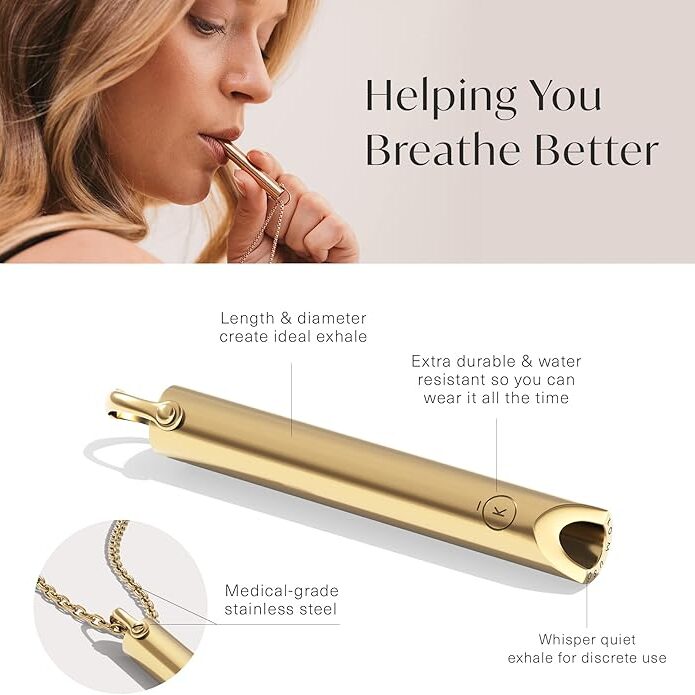

Komuso Breathing Necklace: a sleek pendant that slows exhalation when breathed through, promoting relaxation and reducing anxiety. Its discreet design makes it suitable for use in various settings.
Tibetan Singing Bowls: traditional instruments producing resonant tones that aid in meditation and stress relief. Their use underscores the enduring value of simple, auditory tools in promoting mental well-being.
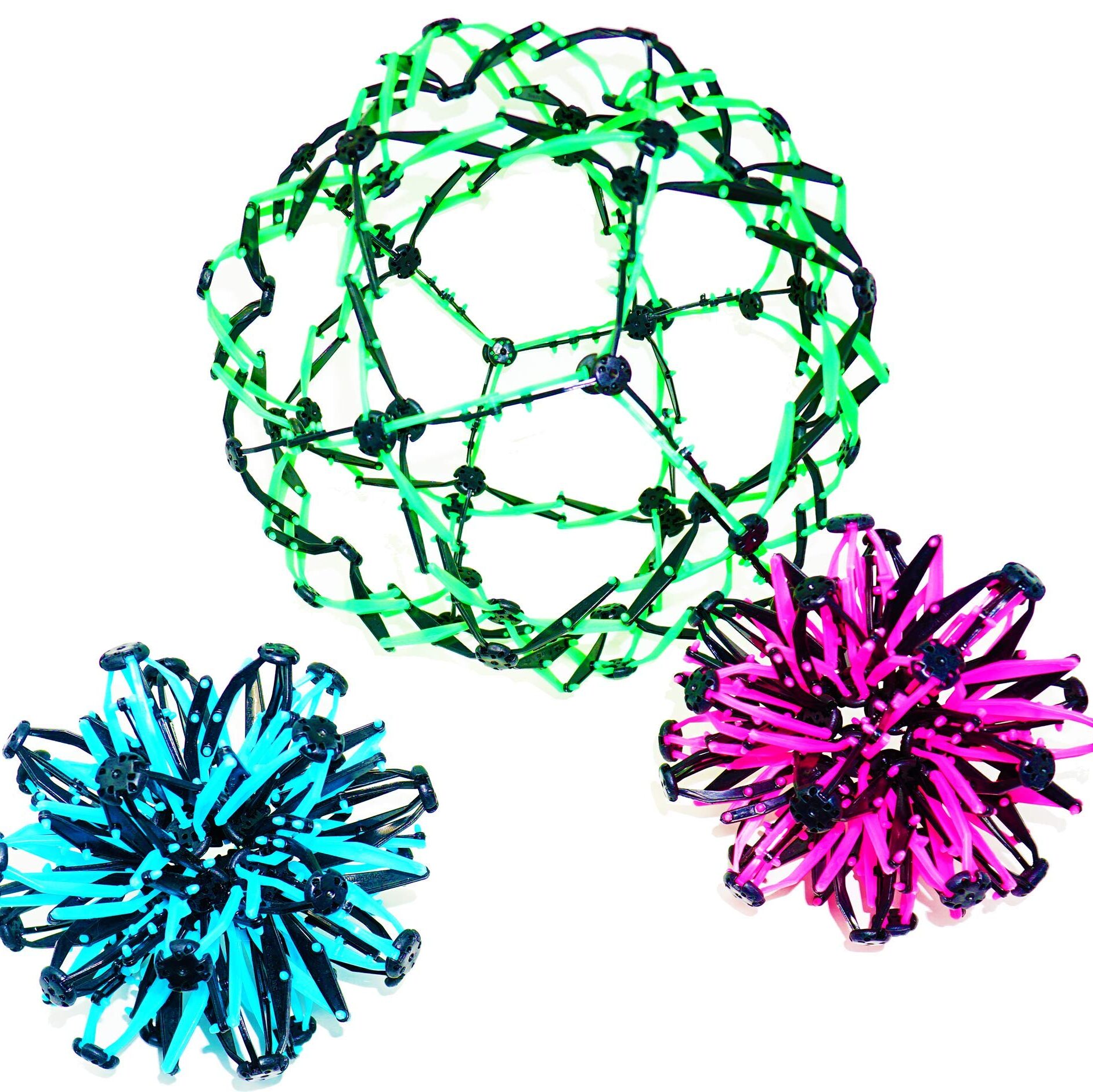
Expandable Breathing Ball: a colorful, collapsible sphere that expands and contracts, visually guiding deep breathing exercises. Its engaging design makes it a popular tool for both children and adults seeking mindfulness and stress relief.
Focus and Productivity Enhancers
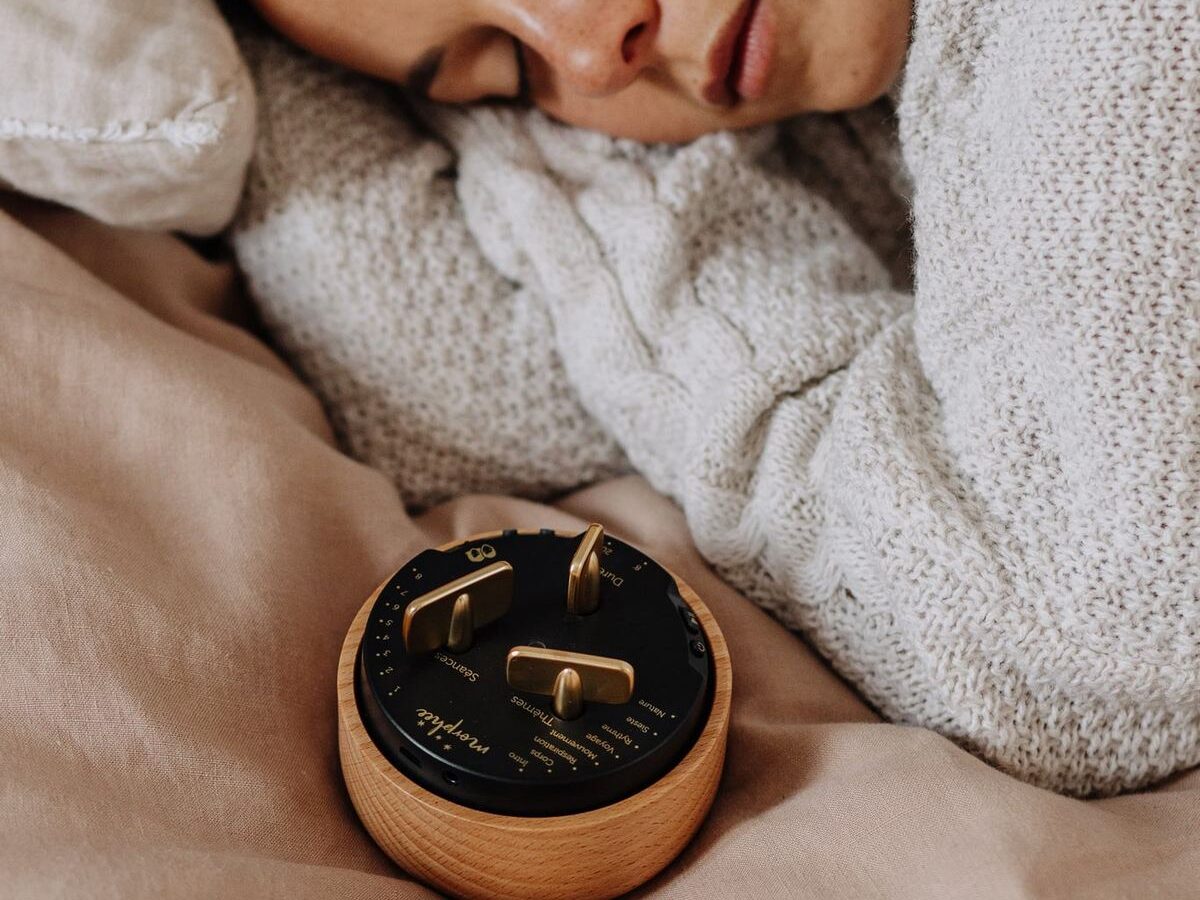
Morphée Meditation Box: a screen-free device offering guided meditation sessions through a tactile interface. Its design encourages users to engage in mindfulness without digital distractions.
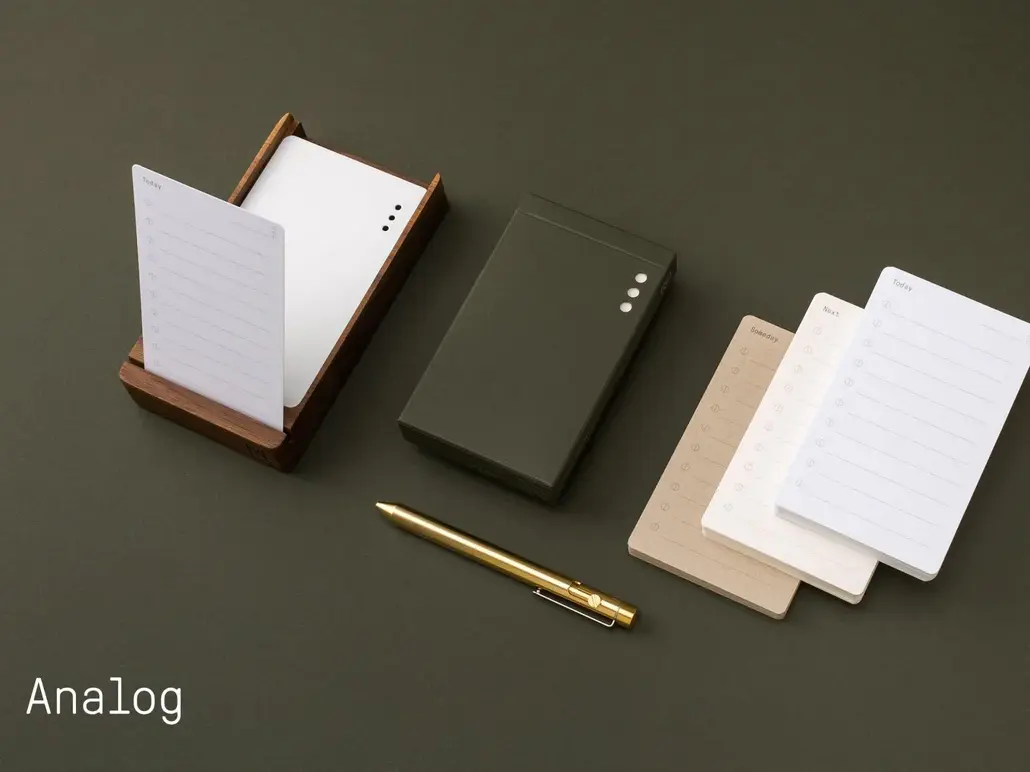
Analog Productivity System by Ugmonk: a physical task management system using cards to prioritize daily activities. It emphasizes focus and intentionality in task execution.
Tactile Stress Relievers
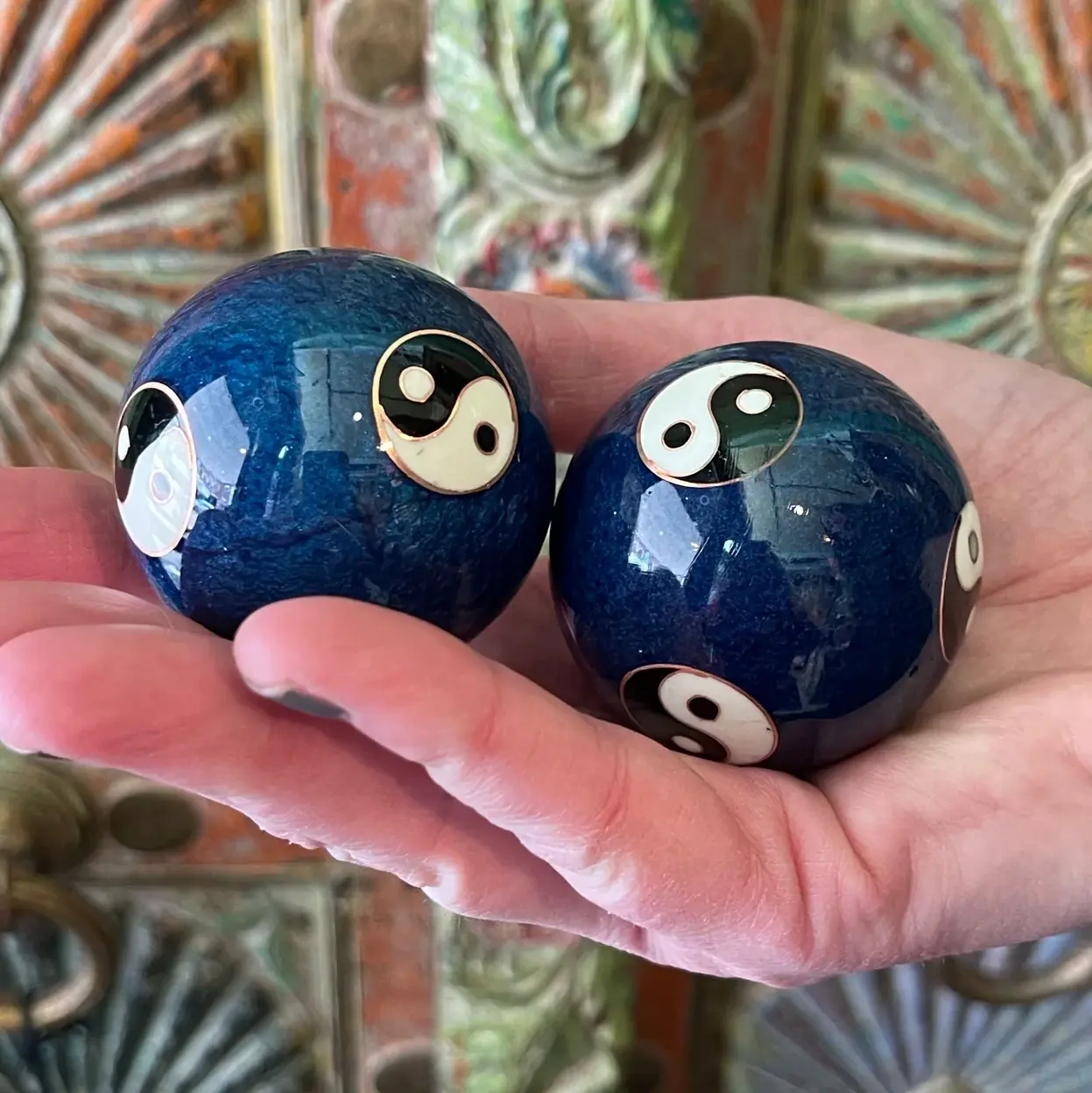


Baoding Balls: traditional Chinese stress-relief tools that promote relaxation and hand dexterity through rhythmic movement.
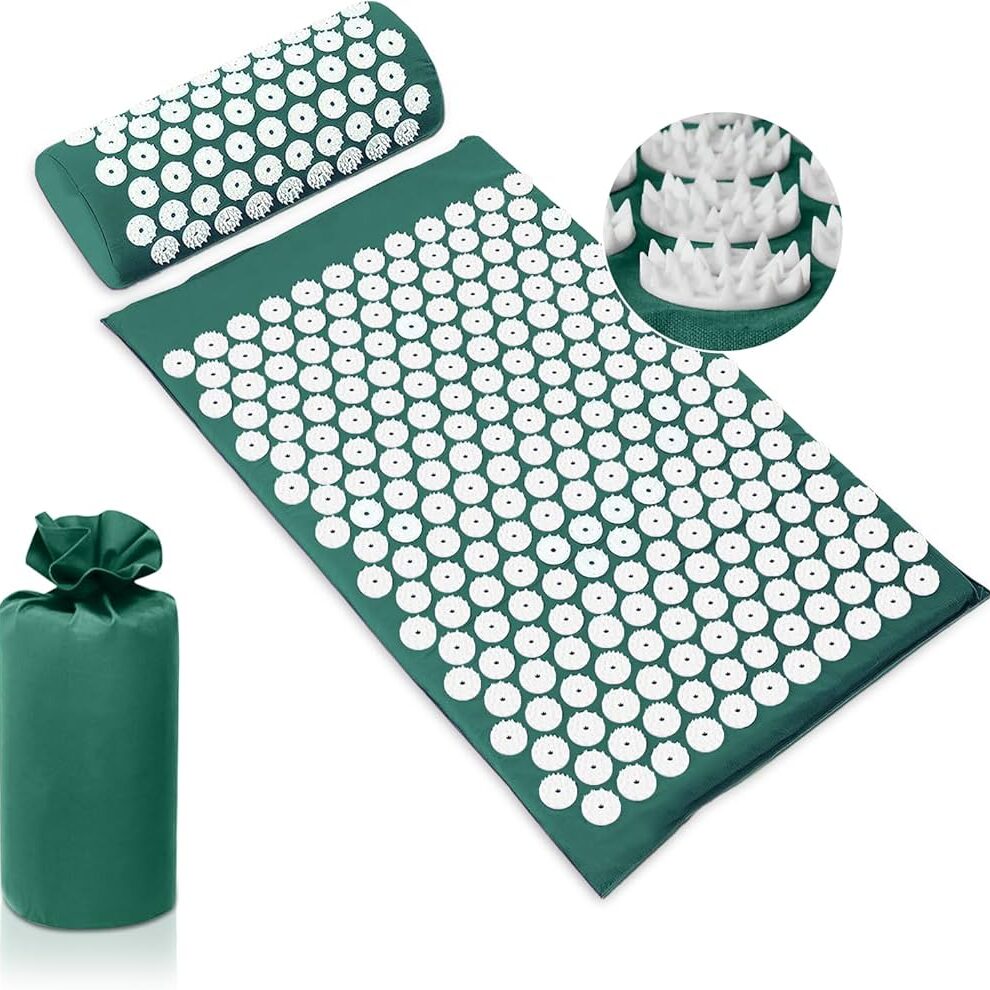
Acupressure Mats: mats embedded with spikes that stimulate pressure points, helping to relieve tension and improve circulation.
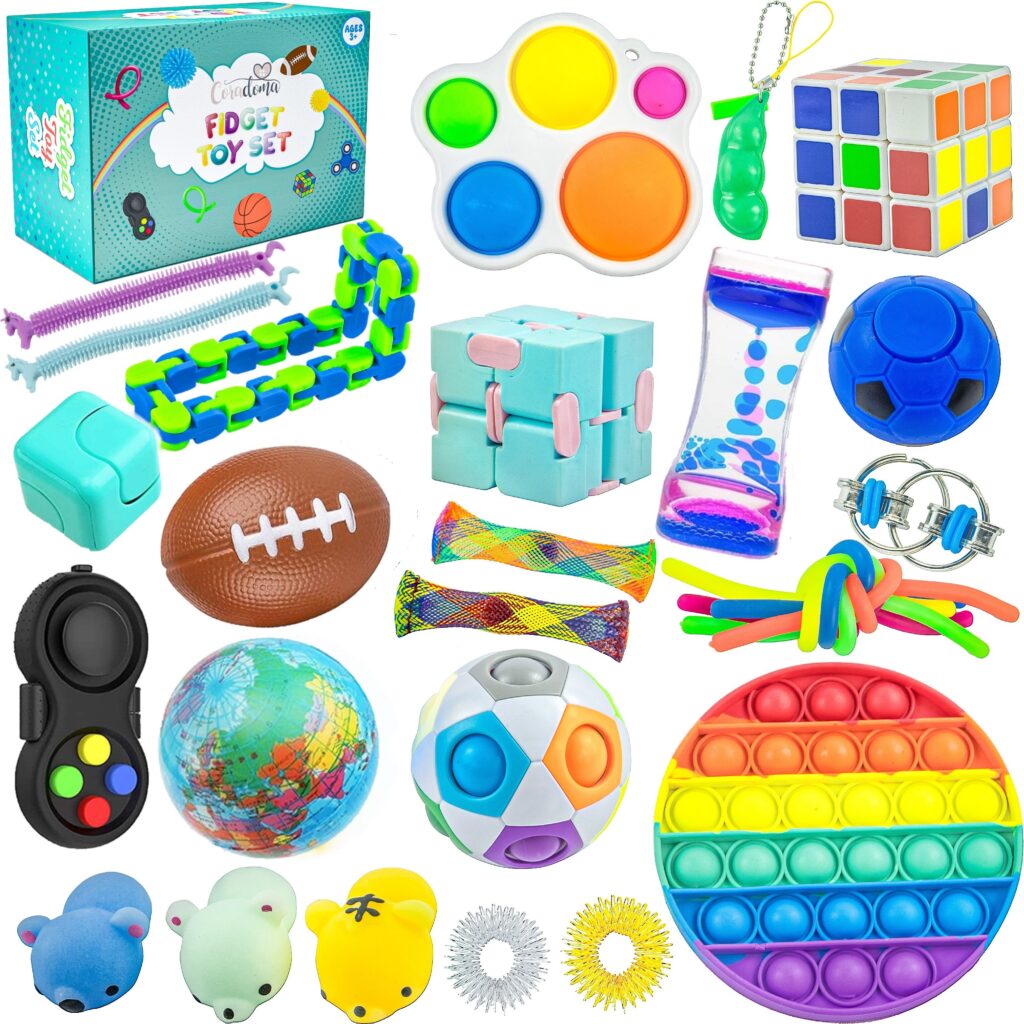
Fidget Cube: a compact, six-sided device featuring buttons, switches, and dials designed to keep hands engaged and minds focused. Each side offers a different tactile experience, catering to various sensory preferences.
Fidget Spinner: a small, ball-bearing device that spins between the fingers, providing a soothing sensory experience. Fidget spinners have been popularized as tools to aid focus and relieve stress, especially for individuals with ADHD or autism spectrum disorders. While scientific evidence is limited, many users find the repetitive motion calming and helpful in managing anxiety.
Additional Fidget Devices and Toys: beyond the Fidget Cube and Spinner, a variety of tactile tools offer sensory engagement and stress relief. Tangle toys consist of interconnected, twistable segments that can be manipulated into various shapes, providing continuous, quiet movement to aid concentration and reduce anxiety. Infinity Cubes are handheld devices made of smaller interconnected cubes that can be folded and unfolded endlessly, offering a repetitive motion that has a calming effect and helps maintain focus. Pop Its are silicone-based toys with bubble-like protrusions that can be pushed in and out, mimicking the sensation of popping bubble wrap; they offer tactile stimulation and are popular for stress relief. Stretchy Strings are elastic, colorful strings that can be stretched, twisted, and squeezed, providing sensory input useful for calming and focusing the mind. Wacky Tracks are interlocking, snap-together links that can be twisted and shaped into various forms, offering tactile feedback beneficial for fine motor skills and stress relief. Weighted Sensory Pillows are small, weighted pillows that provide deep pressure stimulation, promoting relaxation and reducing anxiety, often used in sensory integration therapy.
Reflections and Future Directions
The exploration of these analog devices reveals a shared commitment to facilitating emotional regulation through intuitive, tactile means. Their simplicity and portability make them accessible tools for individuals seeking screen-free methods to manage stress and anxiety. In the upcoming blog posts, I will focus on refining the Breathing Circle prototype. This will involve enhancing its design and functionality, followed by user testing to assess its effectiveness in promoting relaxation and emotional well-being. Through this process, I aim to gather insights that will inform further development and potential applications of the Breathing Circle.