Parallels Between Mainstream and Luxury Design: Today vs. the 1980s

Design trends in mainstream and luxury branding have evolved over time, but some parallels between today and the 1980s reveal how both eras reflect broader cultural and technological shifts. By comparing the two periods, we can see how each balances bold consumerism and aspirational exclusivity while adapting to contemporary needs.


1. Bold Visuals and Maximalism

  • 1980s:
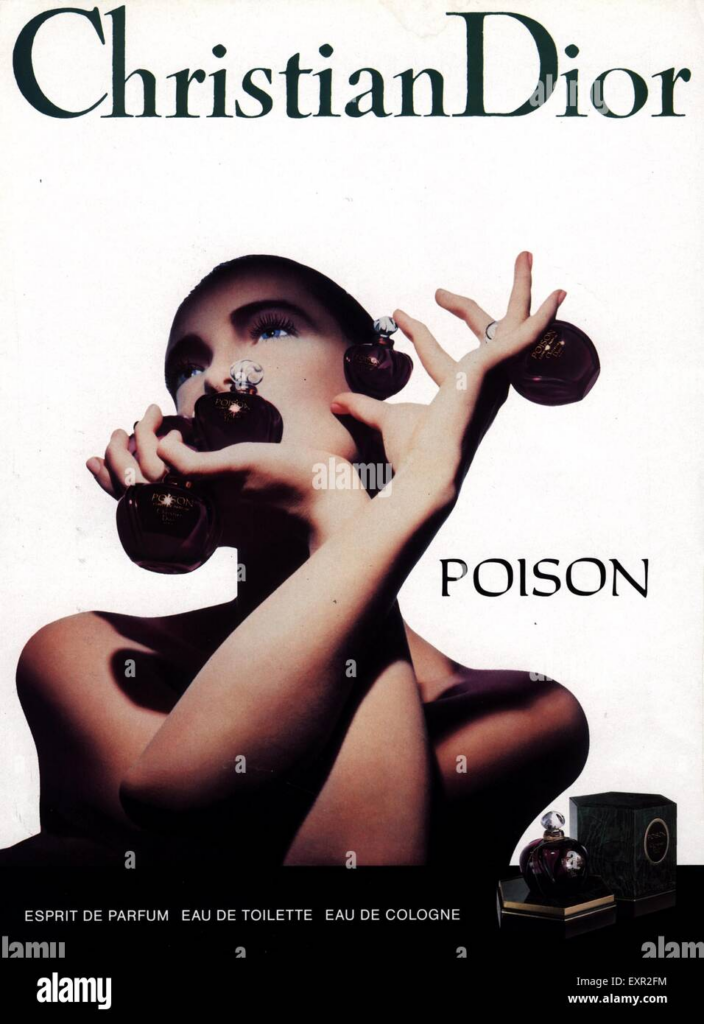
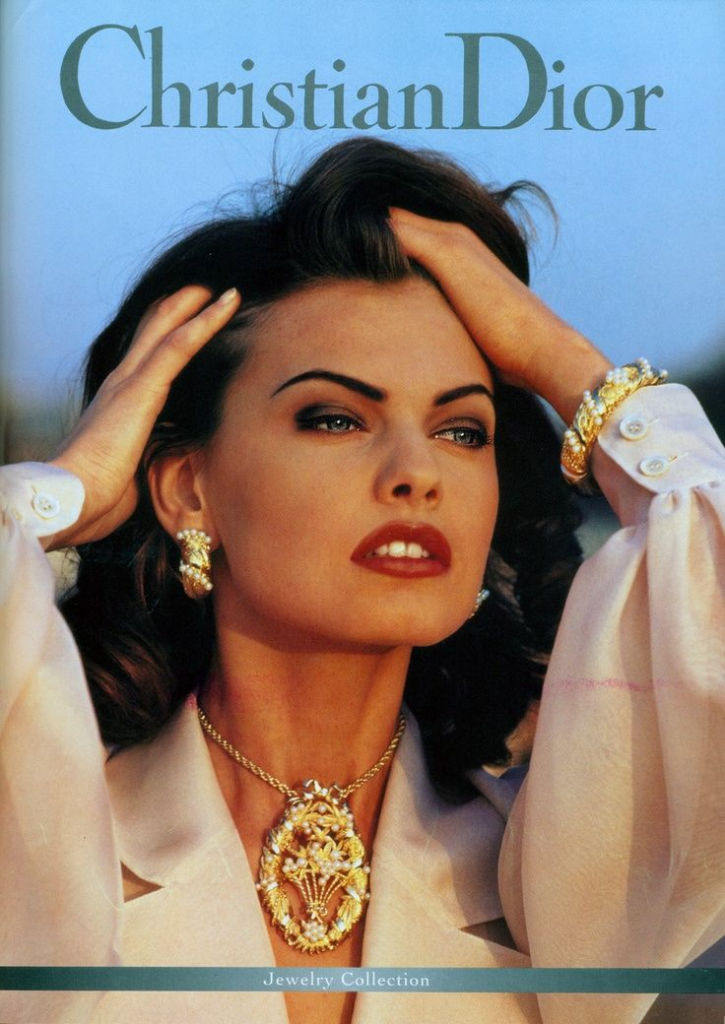
    Mainstream media in the 1980s embraced bold, loud, and maximalist designs, with bright neon colors, dynamic compositions, and oversized typography. Luxury brands like Gucci and Dior, while more restrained, also leaned into bold aesthetics through dramatic photography, vibrant colors, and heavily styled shoots that exuded confidence and glamour.
  • Today:
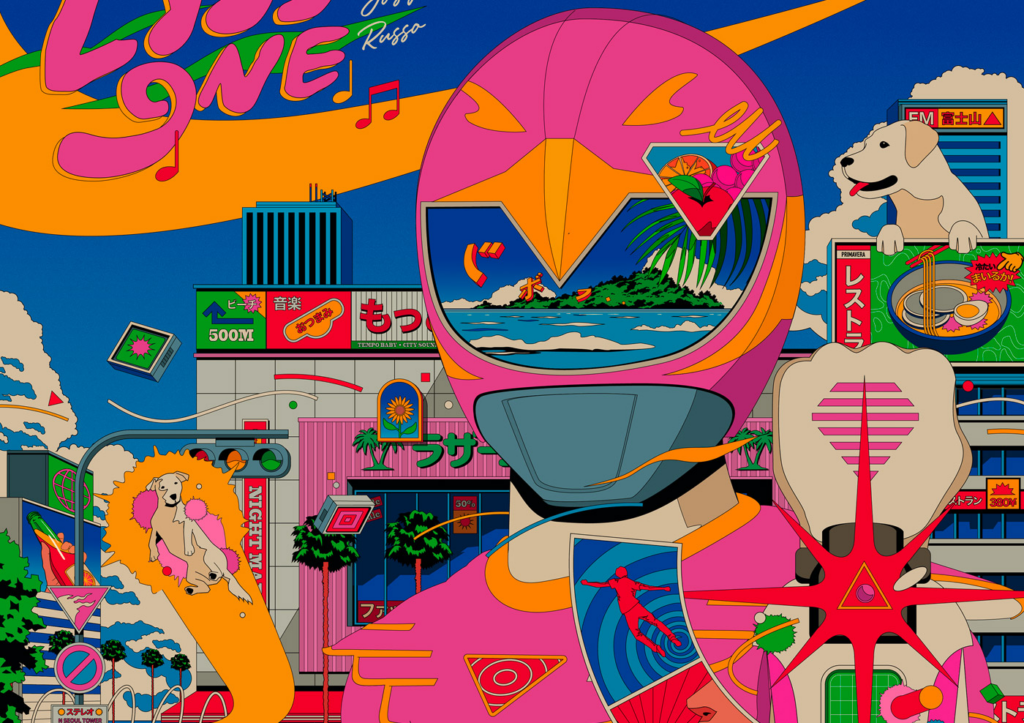
    Maximalism has returned in both mainstream and luxury design, particularly in Gen Z-driven trends and luxury rebrands that seek to stand out in a crowded marketplace.
    • Mainstream: Brands like TikTok, Spotify, and fast-fashion giants embrace bright, colorful, and eye-catching graphics. Packaging and ads often use clashing patterns, gradients, and dynamic motion graphics reminiscent of 1980s pop culture.
    • Luxury: Gucci and Balenciaga, for instance, use a similar maximalist approach, blending modern digital art with retro references. Gucci’s Exquisite campaign, for example, draws inspiration from cinematic surrealism while staying bold and playful.
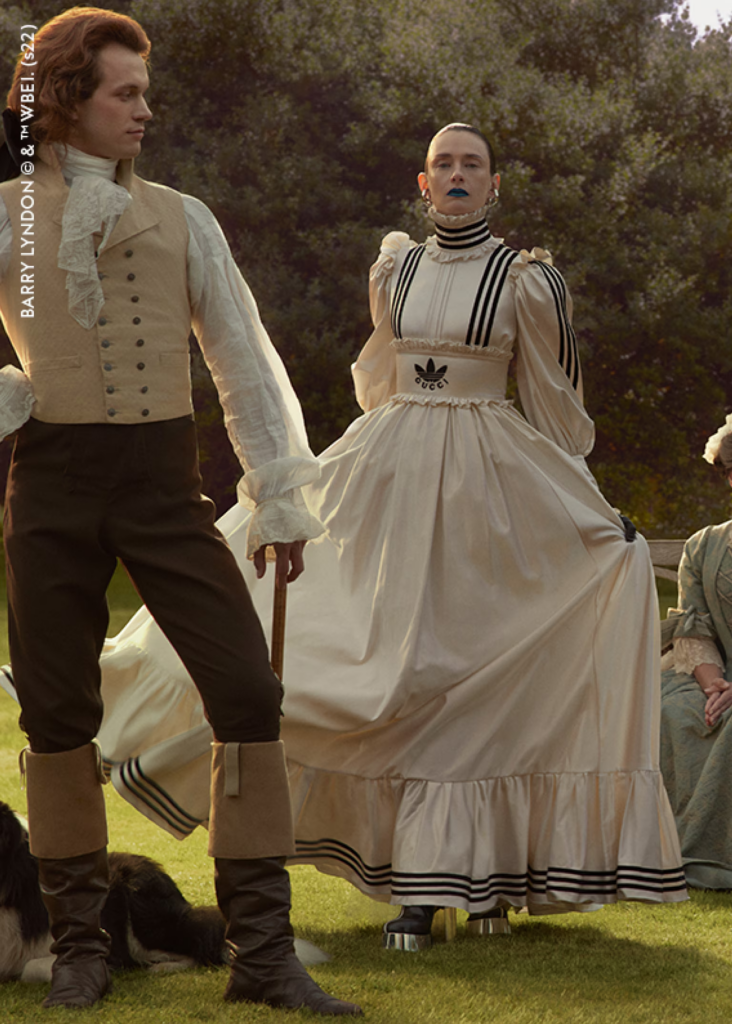
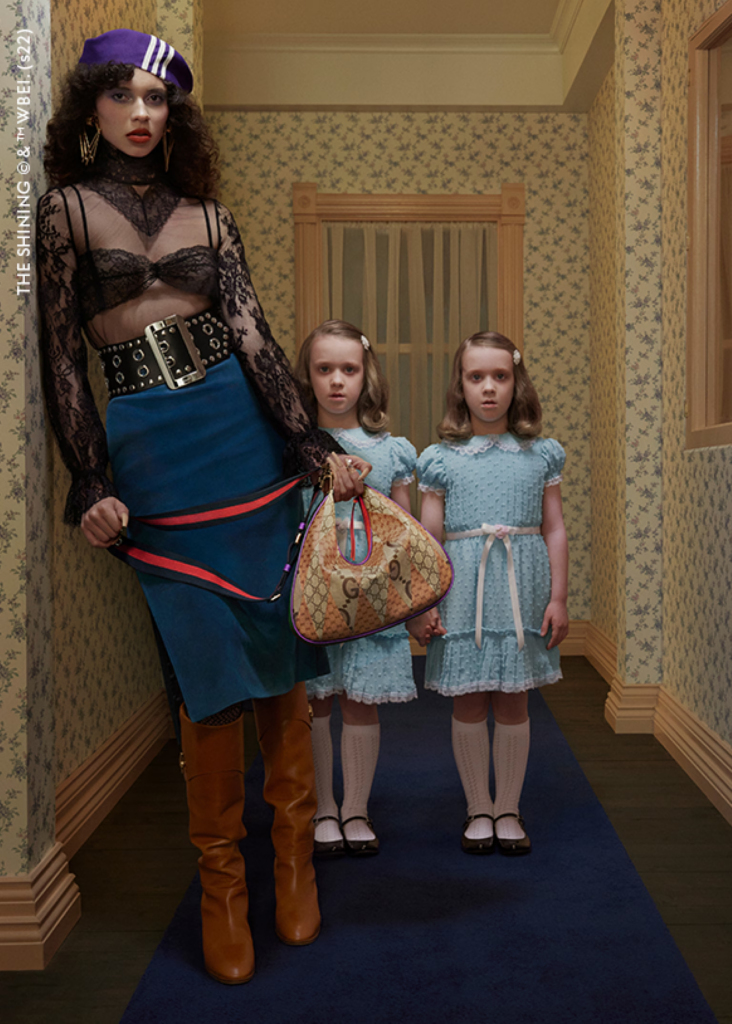
Parallels: Both eras leverage maximalism to reflect cultural energy and technological progress, using boldness to attract attention and define an aspirational mood.


2. Nostalgia as a Central Theme

  • 1980s:
    Both mainstream and luxury design in the 1980s often referenced past decades. For instance:
    • Mainstream advertising leaned on a nostalgic connection to Americana or mid-century optimism (e.g., Coca-Cola campaigns like Have a Coke and a Smile).
    • Luxury brands borrowed from classic Hollywood glamour and timeless European fashion.
  • Today:
    Nostalgia remains a key driver, with both sectors reinterpreting past aesthetics for modern audiences:
    • Mainstream: Retro influences from the 1980s, 1990s, and early 2000s dominate branding, particularly in music, fashion, and social media. Brands like Nike and Adidas revive retro sneaker lines, and products often include retro filters and vintage-inspired logos.
    • Luxury: High-fashion brands also engage with nostalgia. Dior reissues its classic Saddle Bag, and Gucci collaborates with heritage brands or revives archival patterns.

Parallels: Nostalgia is a timeless marketing tool, used in both eras to evoke emotion, build brand loyalty, and balance modernity with familiarity.


3. Technology-Driven Design Innovations

  • 1980s:
    The advent of personal computers, video games, and VHS gave rise to futuristic and tech-driven designs.
    • Mainstream ads often mimicked digital aesthetics (e.g., grid patterns, pixelated effects, or neon lighting inspired by sci-fi).
    • Luxury brands subtly embraced this tech-forward aesthetic by experimenting with photography, metallics, and abstract visuals.
  • Today:
    The rise of digital technology and social media has amplified tech-inspired designs in both realms:
    • Mainstream: Brands create dynamic, interactive campaigns that live on digital platforms. Motion design, AR filters, and AI-generated visuals dominate social media.
    • Luxury: High-end brands integrate digital innovation with exclusivity, using NFTs (Gucci Vault NFTs), virtual fashion collections, and immersive shopping experiences.

Parallels: Both eras are defined by their adoption of cutting-edge technology in visual design and storytelling, with mainstream brands democratizing tech while luxury brands make it exclusive and aspirational.


4. Consumerism, Inclusivity vs. Exclusivity

  • 1980s:
    • Mainstream: Advertising celebrated mass consumerism, often showing diverse audiences enjoying relatable products. However, the approach could sometimes be shallow, focusing more on universality than true representation.
    • Luxury: Exclusivity was a hallmark of 1980s luxury branding. Gucci and Dior emphasized unattainability, using elite settings, models, and dramatic styling to distance themselves from mainstream culture.
  • Today:
    • Mainstream: Inclusivity is central to modern branding, with campaigns that celebrate diversity, gender fluidity, and authenticity. Brands like Dove (Real Beauty) and Target focus on representing broader audiences.
    • Luxury: While exclusivity remains a key pillar, many luxury brands now strive for cultural relevance by collaborating with mainstream artists or embracing social causes (e.g., Dior x Travis Scott or Gucci x Adidas).

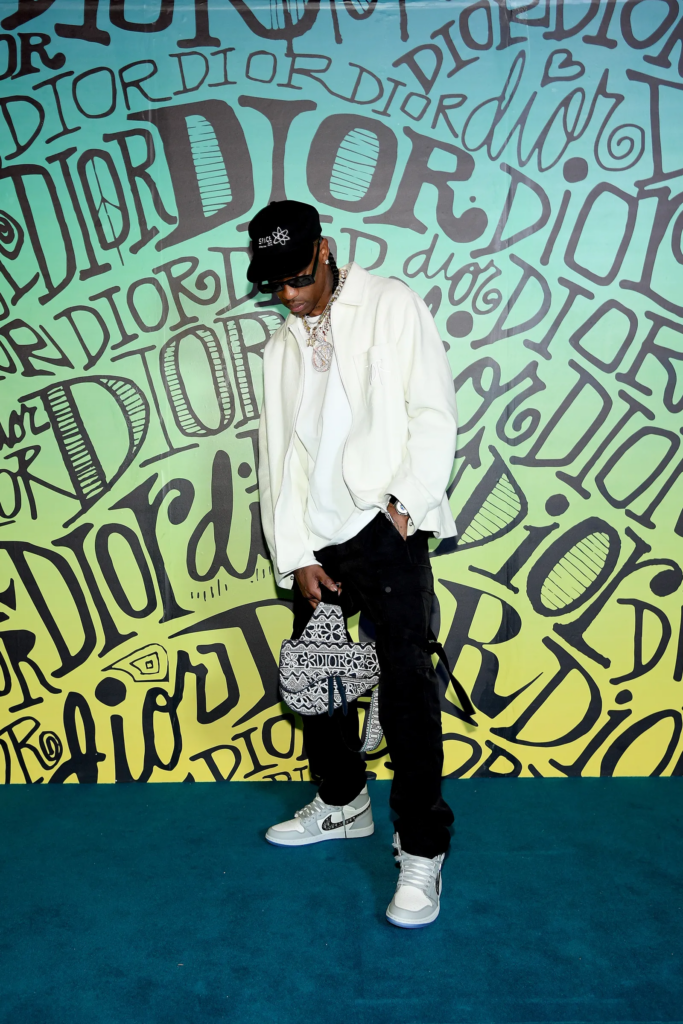
Parallels: Both eras play on aspirational values, but while the 1980s reinforced exclusivity, today’s inclusivity efforts blur the lines between mainstream and luxury.


5. Typography Trends

  • 1980s:
    Typography was bold and experimental across both sectors.
    • Mainstream design used big, impactful display fonts (e.g., Futura Extra Bold, Broadway) with a focus on readability and energy.
    • Luxury brands opted for elegant, geometric sans-serifs like Helvetica and Garamond, emphasizing timeless sophistication.
  • Today:
    Typography in both mainstream and luxury design has become more fluid and playful.
    • Mainstream: Brands experiment with type that bends, warps, or interacts with visuals (e.g., wavy and stretched fonts popular on Instagram).
    • Luxury: High-fashion campaigns mix modern sans-serifs with bold serif typefaces, creating contrast while maintaining elegance (e.g., Balmain or Prada using bold serif headers).

Parallels: Typography in both eras reflects cultural energy—bold and daring for the mainstream, refined yet experimental for luxury.


6. Celebrity and Cultural Influences

  • 1980s:
    Celebrity endorsements were significant in both luxury and mainstream ads.
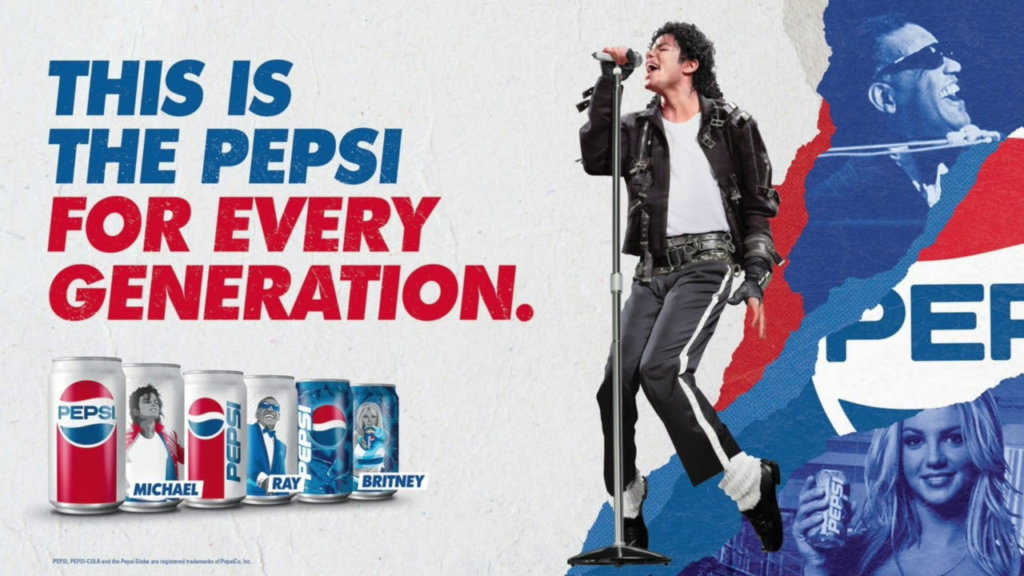
    • Mainstream: Michael Jackson for Pepsi or Arnold Schwarzenegger for bodybuilding products.
    • Luxury: Supermodels like Naomi Campbell and Claudia Schiffer defined high-fashion campaigns.
  • Today:
    Celebrity endorsements remain critical but have shifted to include digital influencers.
    • Mainstream: Social media stars like TikTok influencers, often drive campaigns for major brands.
    • Luxury: Brands now collaborate with a mix of celebrities and cultural icons like Zendaya (Dior), ASAP Rocky (Gucci), or Blackpink’s Lisa (Celine).
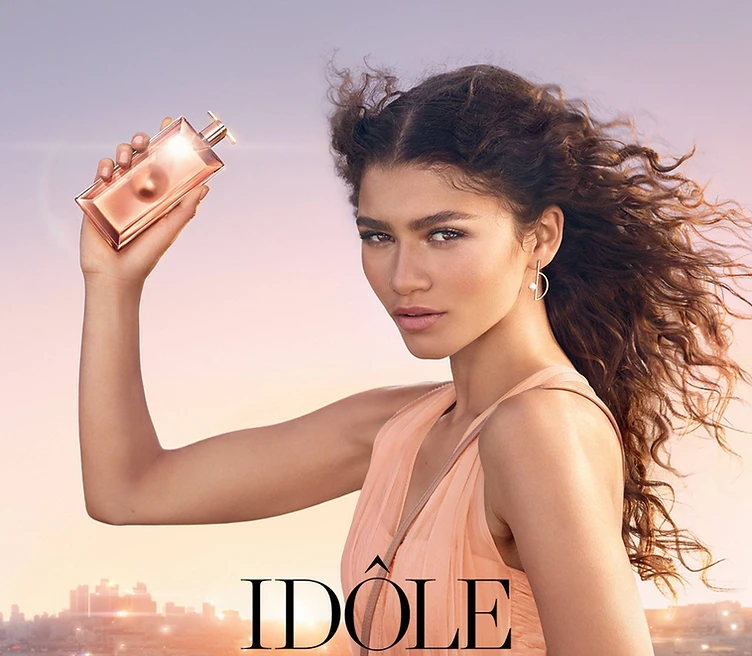

Parallels: Both eras use cultural icons to bridge brand identity with popular culture, but today’s influencers provide more direct engagement with audiences.

Conclusion

Both the 1980s and today showcase a dynamic interplay between mainstream and luxury design, shaped by cultural trends, technological innovation, and shifting consumer expectations. While the 1980s emphasized a clearer divide—mainstream was loud and accessible, luxury was elite and aspirational—today’s design world often blurs those boundaries, with luxury embracing elements of mainstream appeal and vice versa. This fusion reflects a more interconnected and globalized design ethos, where exclusivity and accessibility coexist more seamlessly than ever before.

Resources

Comparing 1980s Gucci and Dior Advertisements to Mainstream Media of the Era

The 1980s was a defining decade in advertising, with luxury brands like Gucci and Dior carving out a distinct identity that set them apart from mainstream media. While the era’s advertisements across industries often embraced bold visuals and consumerist appeal, Gucci and Dior introduced an elevated, aspirational aesthetic that aligned with their status as luxury brands. Here’s a breakdown of how their advertising compared to the mainstream media of the time.

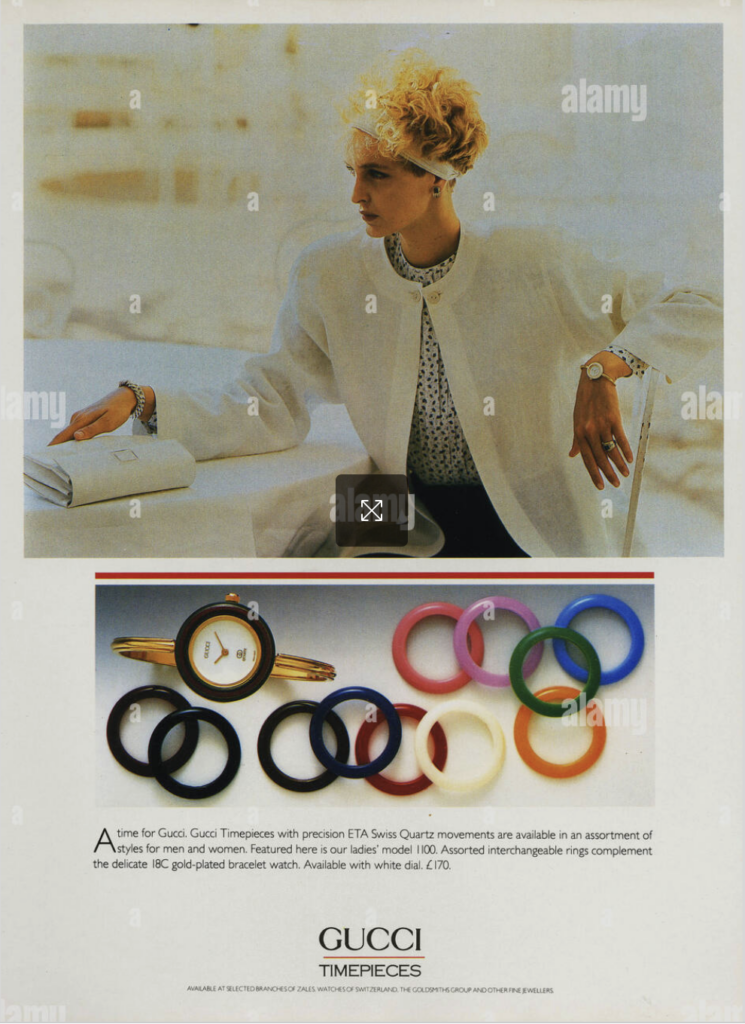
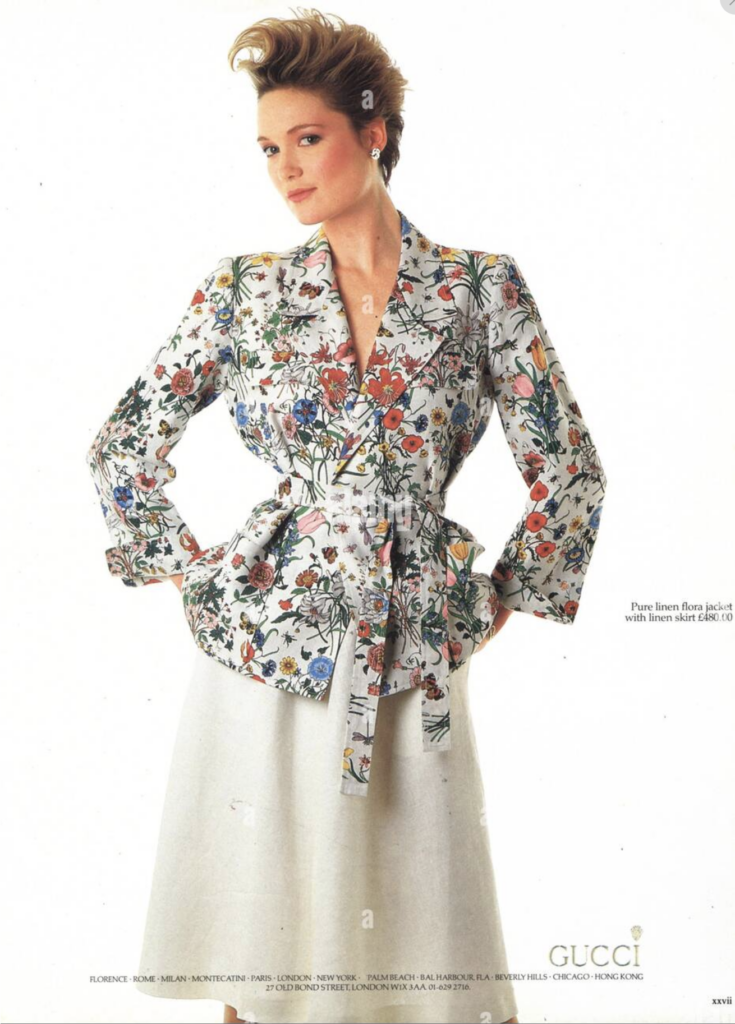
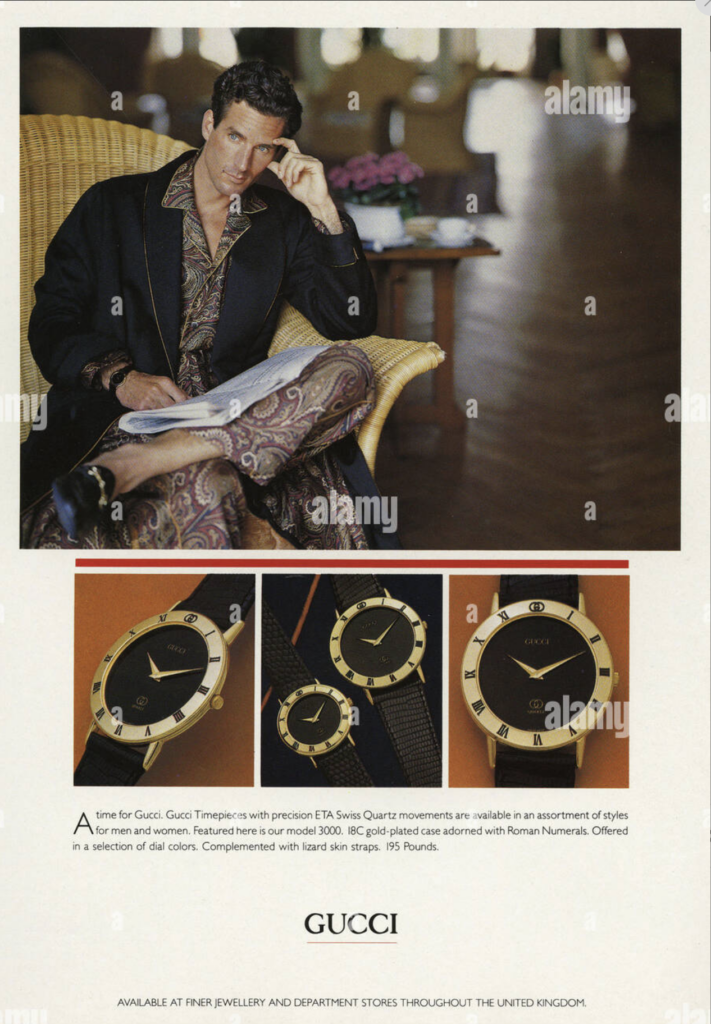
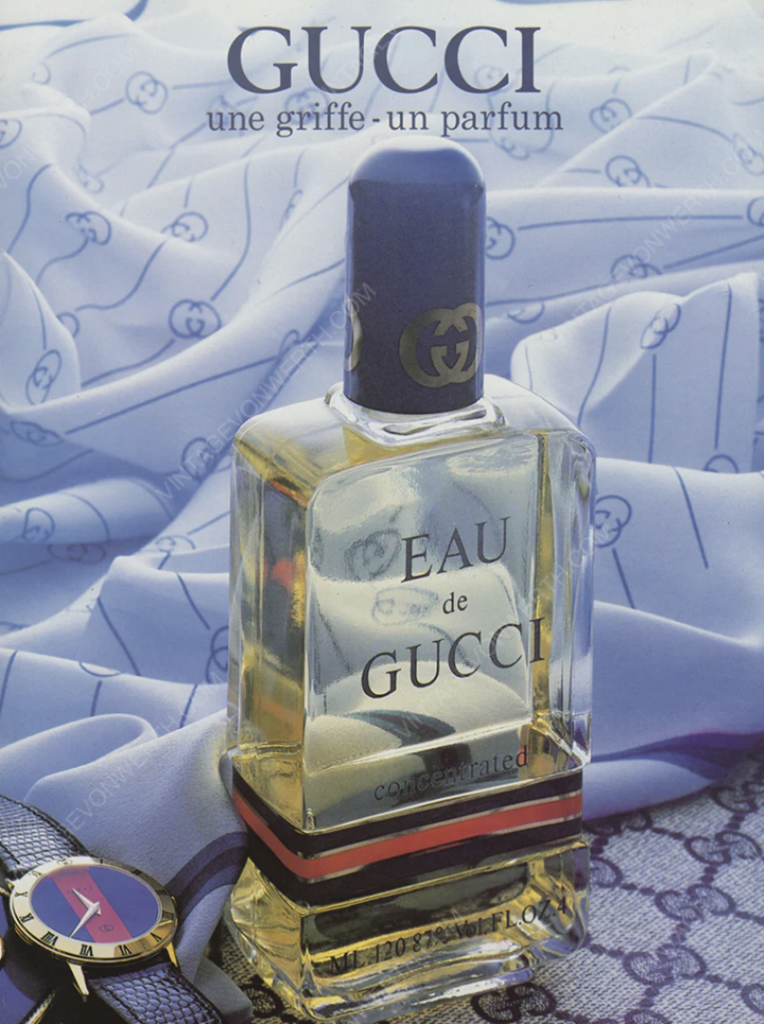
1980s UK Gucci Magazine Adverts

Gucci and Dior’s 1980s campaigns leaned heavily on elegance and sophistication. Their visuals often featured minimalist backgrounds, carefully posed models, and a focus on high-fashion clothing or accessories. For example Dior’s ads often showcased opulent gowns, dramatic lighting, and a sense of unattainable glamour.

Their ads weren’t just about selling products; they sold a dream of luxury, sophistication, and success. They were subtle in messaging, often letting the imagery do the talking. These brands targeted wealthy and aspirational customers, emphasizing exclusivity and a refined lifestyle.

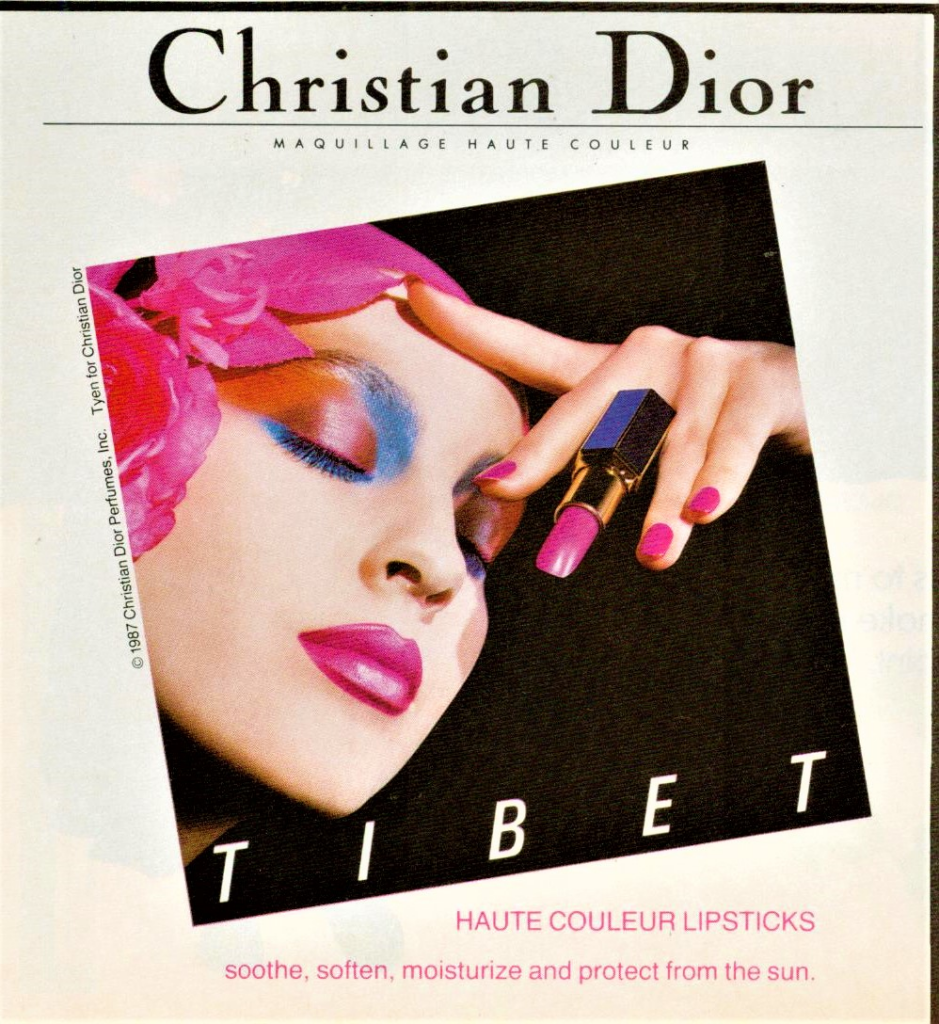
These brands often stayed above trends to maintain their timeless appeal. They were less concerned with reflecting everyday culture and more focused on creating a sense of timelessness and aspiration. Their campaigns had a global appeal but often avoided explicit references to pop culture. But the exception proves the rule: in keeping with the bold, bright and vivid vibe of the 1980s, Christian Dior introduced their Haute Couleur lipsticks. 

Christian Dior Lipstick – Vogue, June 1987

Mainstream Media in the 1980s

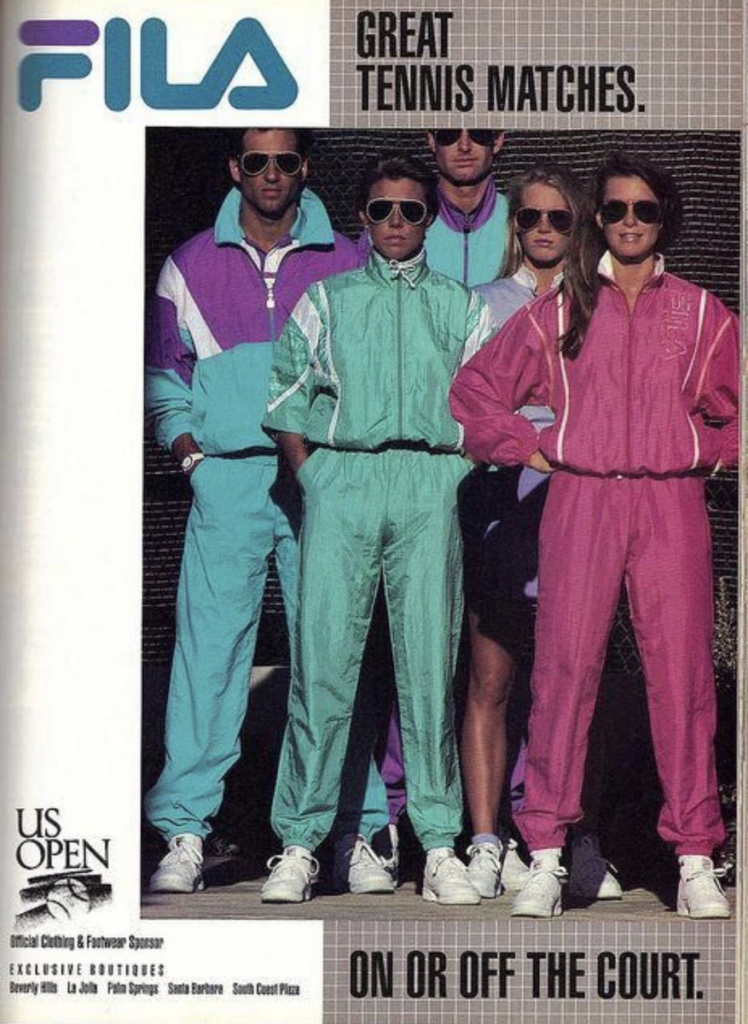
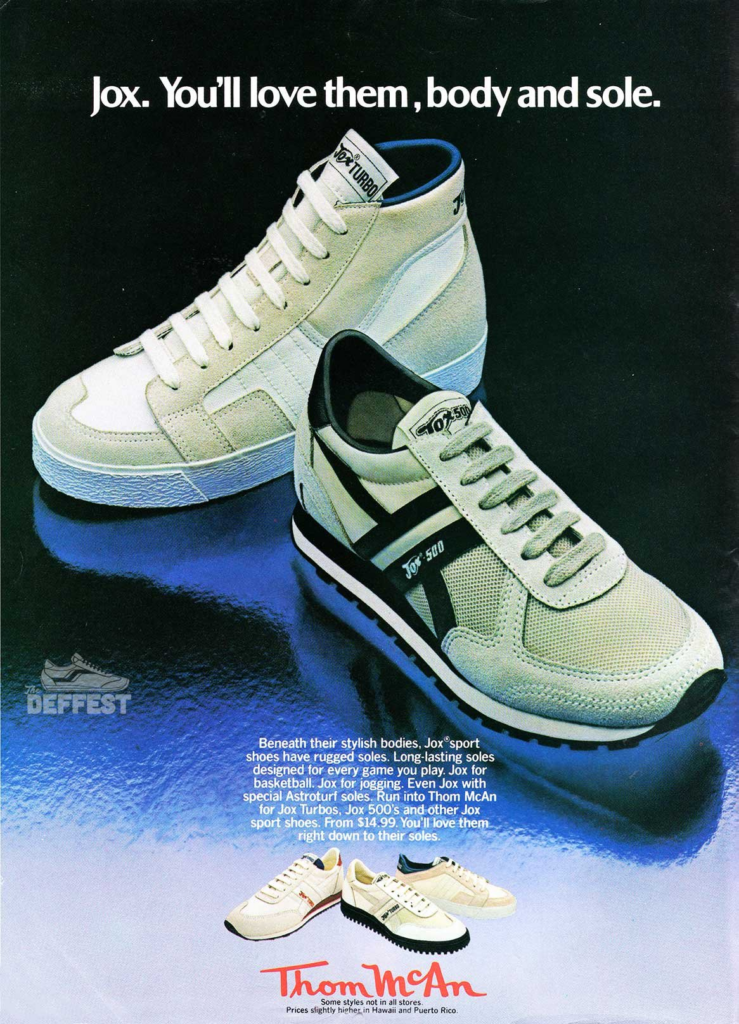
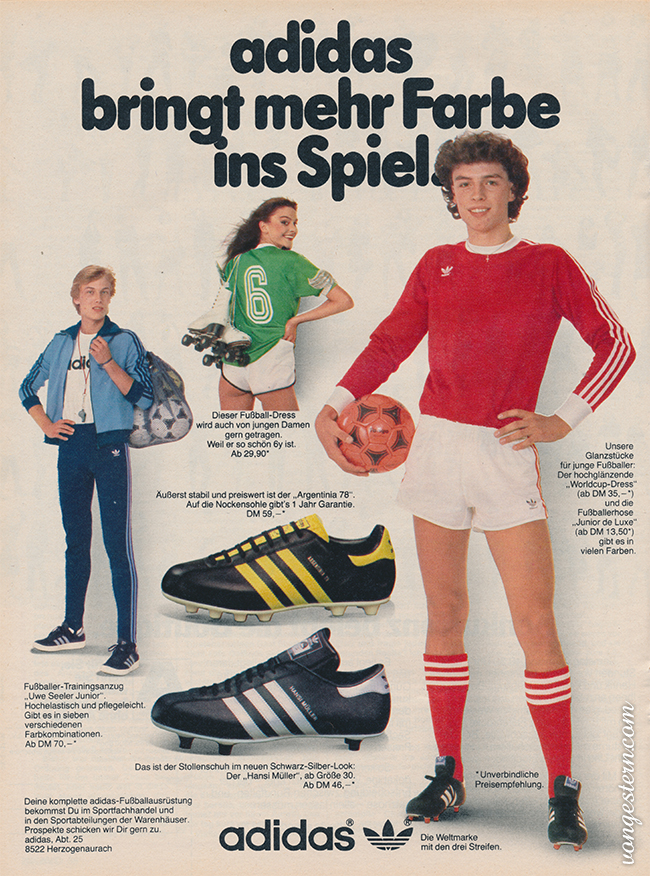
Advertising outside the luxury sector, such as for consumer goods or technology, was characterized by loud, colorful designs. Think neon palettes, bold typography, and exaggerated depictions of happiness or excitement. Commercials and print ads for products like soda, electronics, and fast food relied on high-energy imagery and dynamic poses to capture attention quickly.

Mainstream advertisements targeted middle-class consumers and often had a broader, more inclusive appeal. These ads focused on relatable scenarios, humor, and high-energy messaging to resonate with a wide audience. For example:

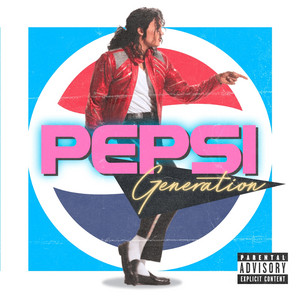
The campaign of the “Pepsi Generation” with Micheal Jackson was vibrant, youth-focused, and centered on universal emotions like happiness and connection.

In contrast to Dior and Gucci, mainstream ads heavily incorporated cultural trends and icons of the 1980s, including:

  • Celebrity endorsements (e.g., Michael Jackson for Pepsi).
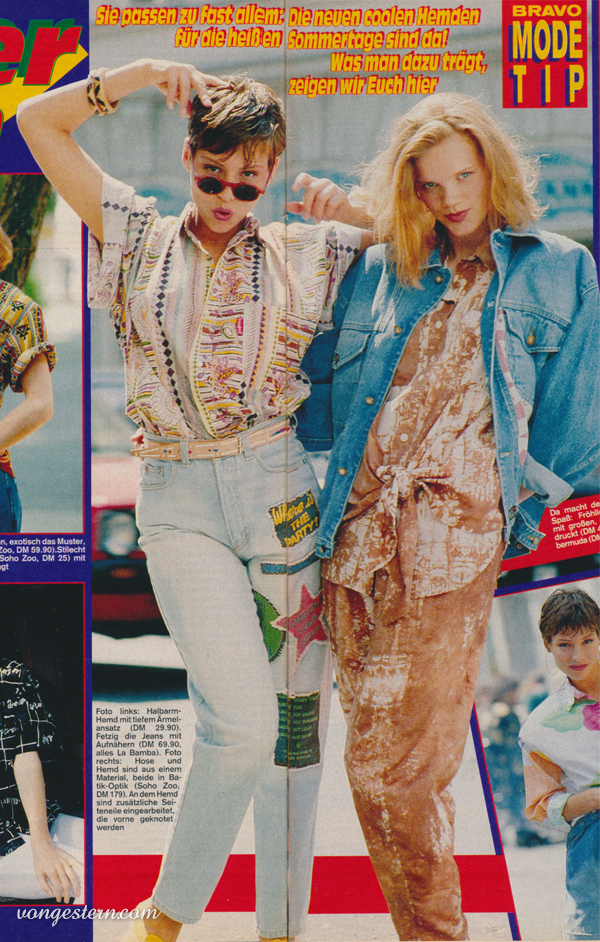
  • Pop culture aesthetics like neon colors, big hair, and aerobics culture.
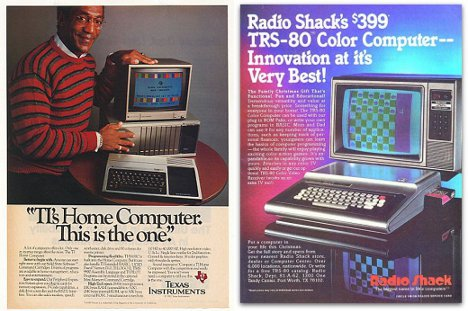
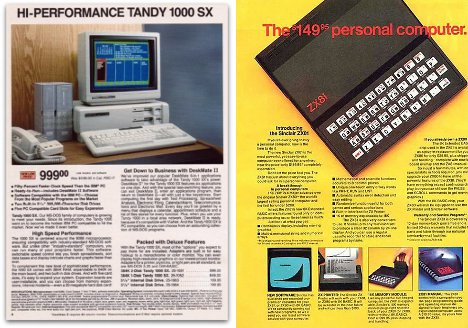
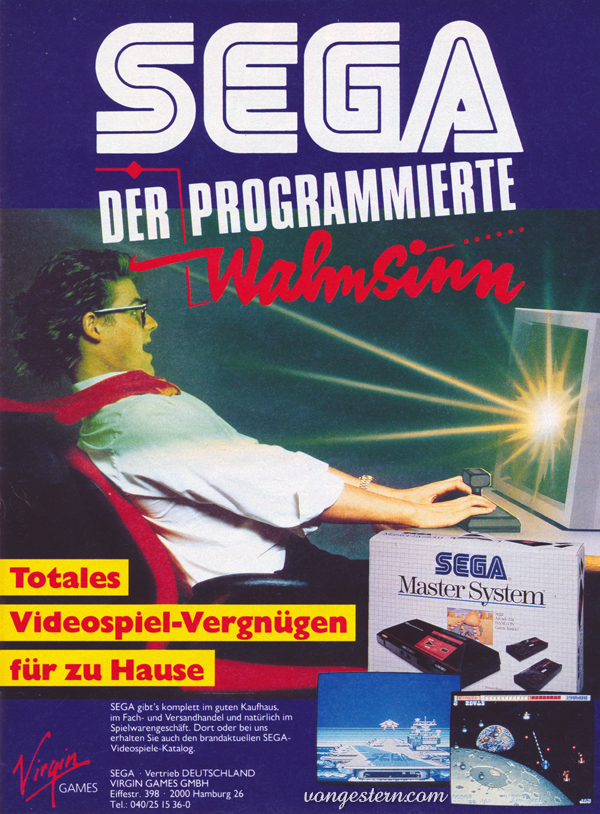
  • A focus on technology, reflecting the boom in personal computers, gaming consoles, and other consumer electronics.

Conclusion: Luxury vs. Mass Appeal

The 1980s advertising landscape saw a clear distinction between luxury brands like Gucci and Dior and mainstream media. While Gucci and Dior prioritized exclusivity, minimalism, and timeless elegance, mainstream advertising embraced vibrant, fast-paced messaging to connect with the everyday consumer. Both approaches were successful in their own ways, with luxury brands reinforcing their elite image and mainstream media leveraging cultural trends to reach a broad audience.

This comparison highlights how advertising is tailored to its target audience and purpose, whether it’s to inspire aspiration or to sell accessibility. Today, the fusion of these approaches—combining luxury’s storytelling with mainstream’s cultural relevance—can be seen in many brands bridging the gap between exclusivity and relatability.

Resources

1980s inspiring communication design today

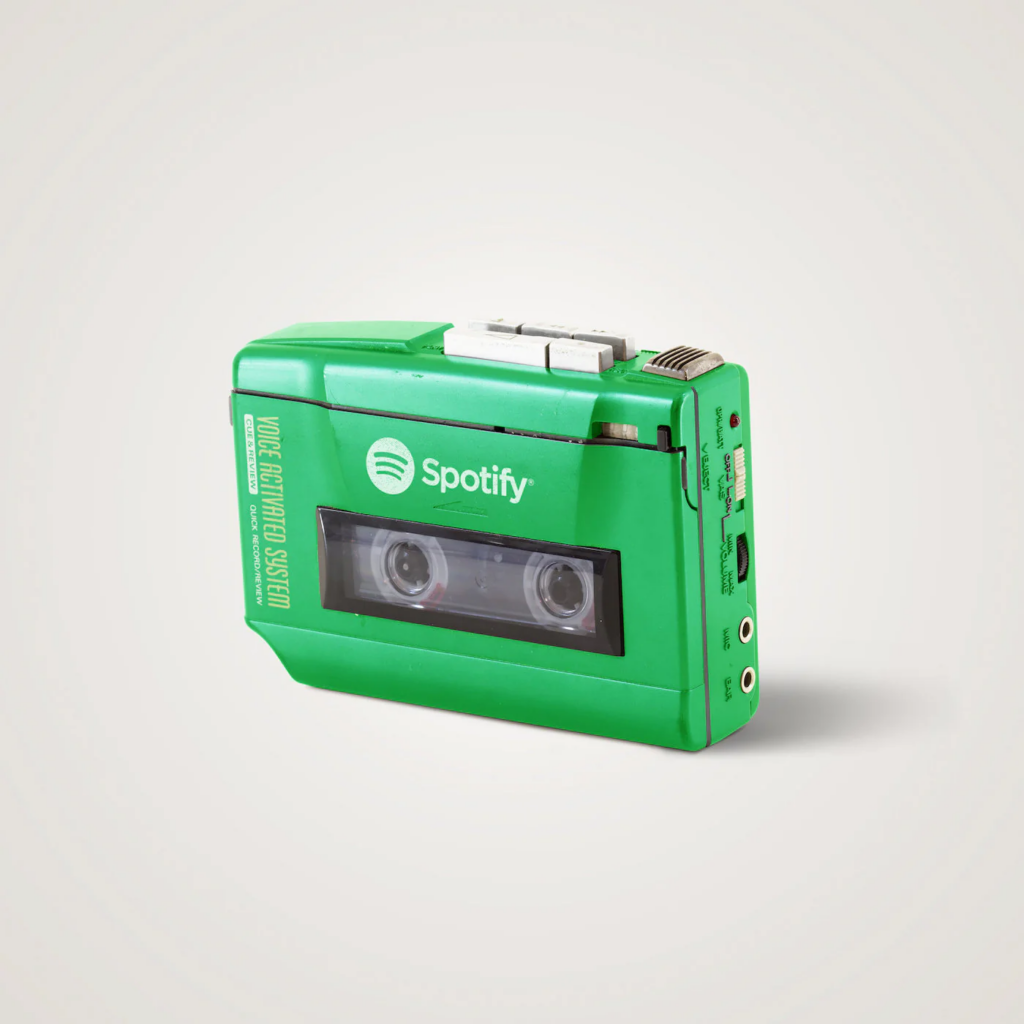
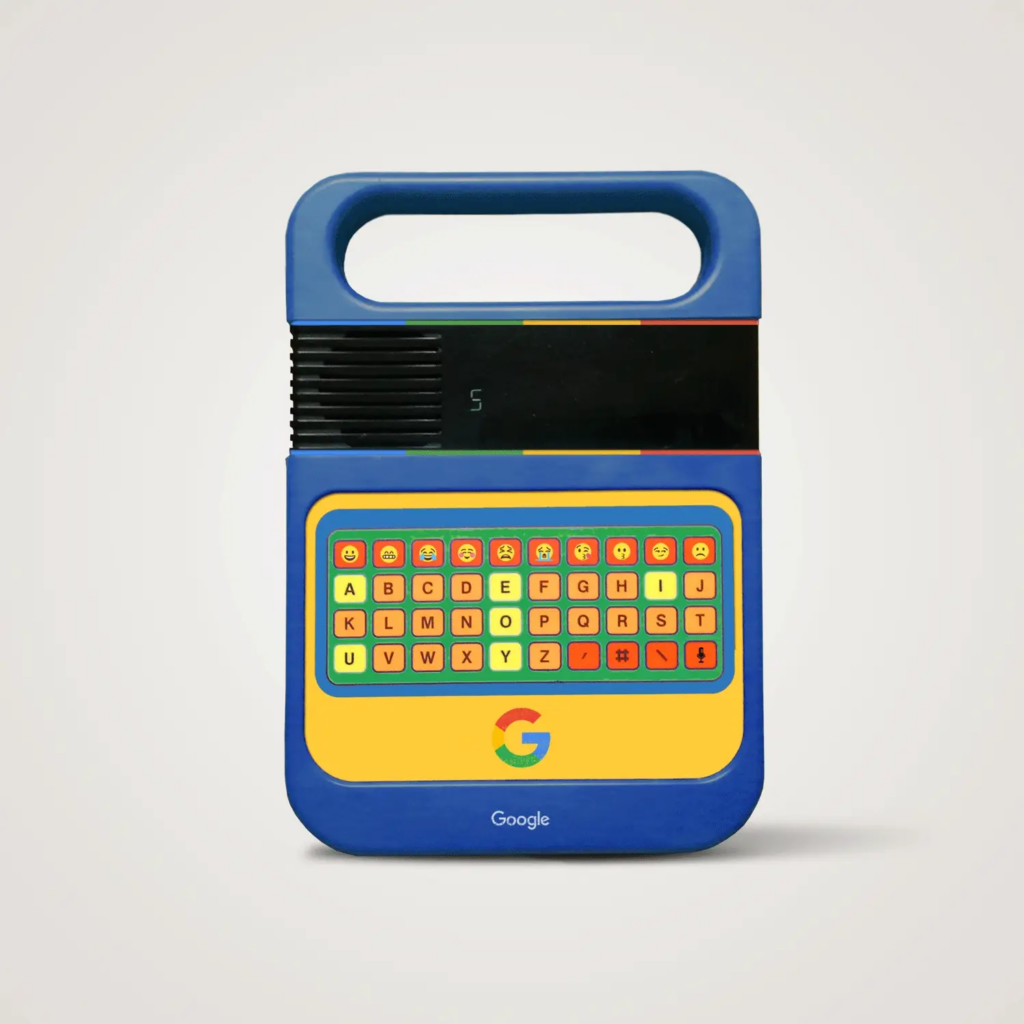
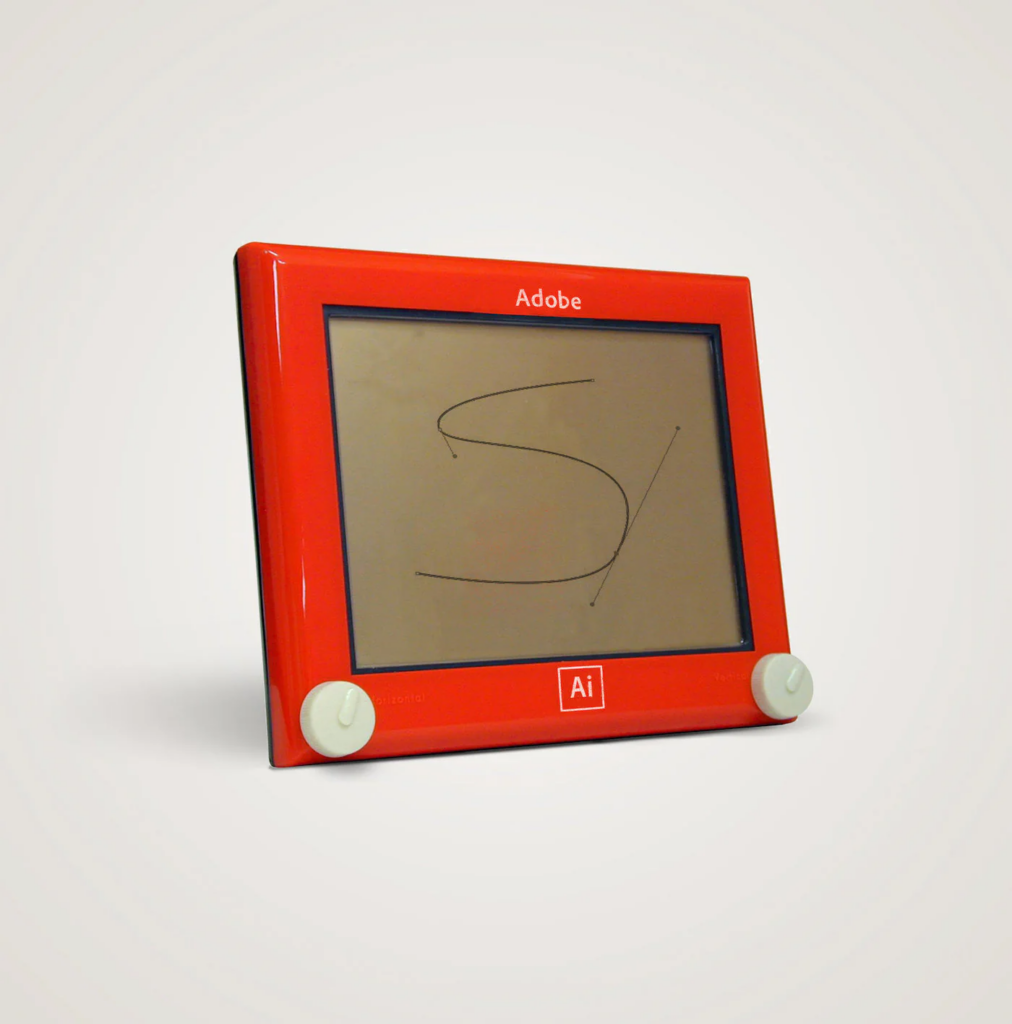
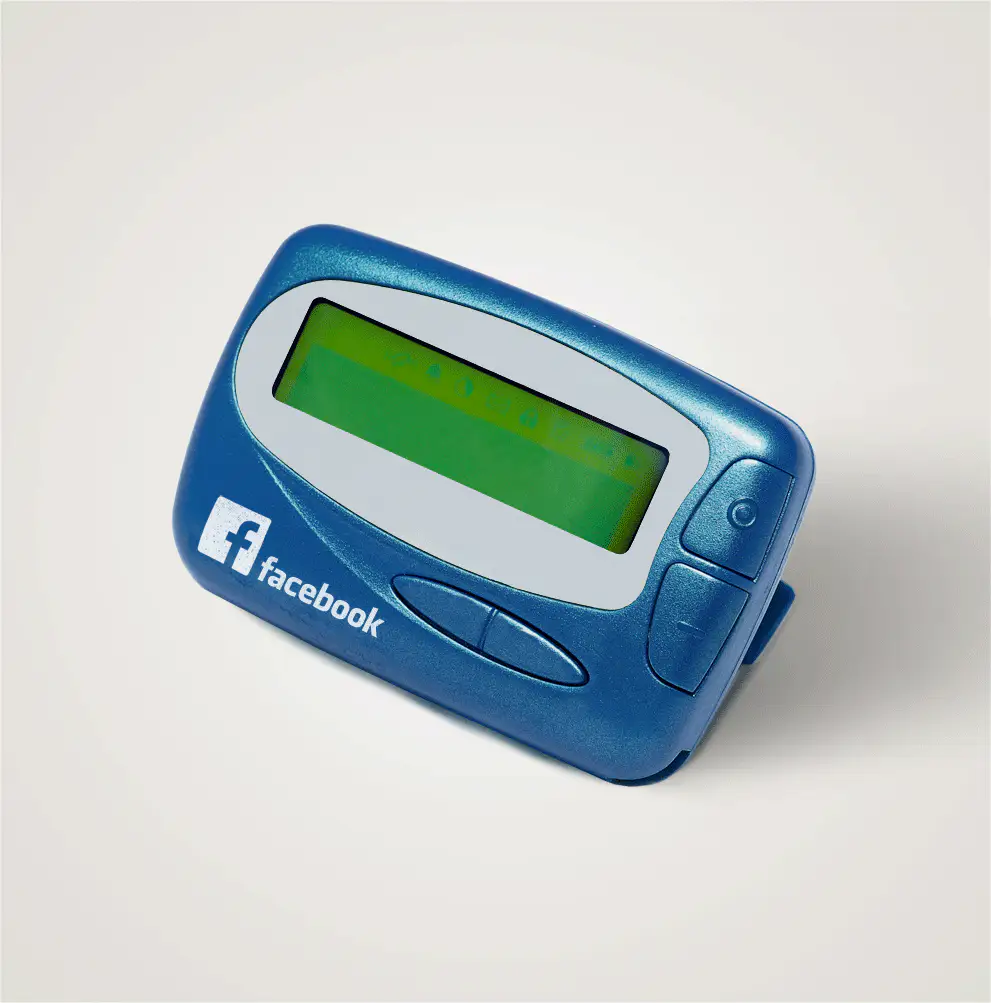
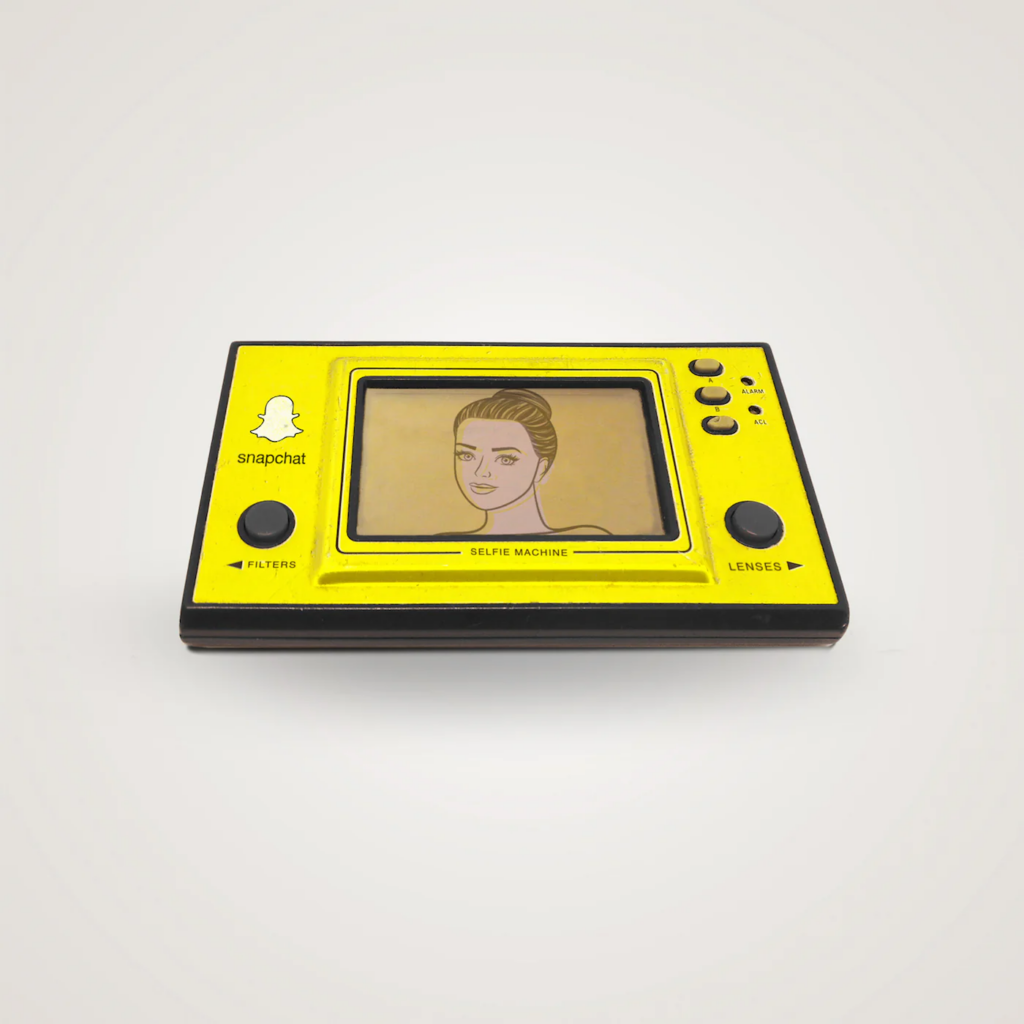
When I found this advertising design I just had to include it in my research blog and feature the artist who came up with this creative idea. Everything about this is done right in the campaign called “Repacking Social Media Into 1980s Nostalgia”.

By bringing back iconic hardware, the creative director Thomas Ollivier has created a playful series that recalls some essential items to an older generation, depending on when you were born. Ollivier used nostalgic devices and technology of yesteryear to visualize how modern applications have occupied much of our daily lives. 

Why This Design Works

The campaign resonates on multiple levels because it gets so many things right:

  1. Emotionally Charged Nostalgia:
    • For those who lived through the 1980s and 1990s, these devices are cultural touchstones. The campaign taps into those memories, creating an immediate connection.
    • For younger audiences, the retro aesthetic offers a playful introduction to how technology has evolved.
  2. Visual Simplicity and Impact:
    • The clean, minimal design focuses on the device and the app it represents, allowing the message to shine through without distraction.
    • The use of bright colors and simple layouts mirrors the visual language of 1980s advertising, adding authenticity.
  3. Cultural Relevance:
    • By linking technology from the past with apps we use daily, the campaign feels universally relatable, regardless of age or background.

Further Research / Hypothesis

Although playful, this series does ask serious questions about our dependency on modern technology and whether or not that is a healthy balance. 

By blending the past with the present, this campaign invites us to consider not only how far we’ve come but also where we’re heading. As designers, it’s a reminder of the importance of perspective — and of using our craft to provoke thought and discussion.

Resources

The rise of digital & it’s impact on Design

As my last research in neon-printed riso illustrations led to a dead end of my research I pivot and go straight to the source of it. A Modern Take.

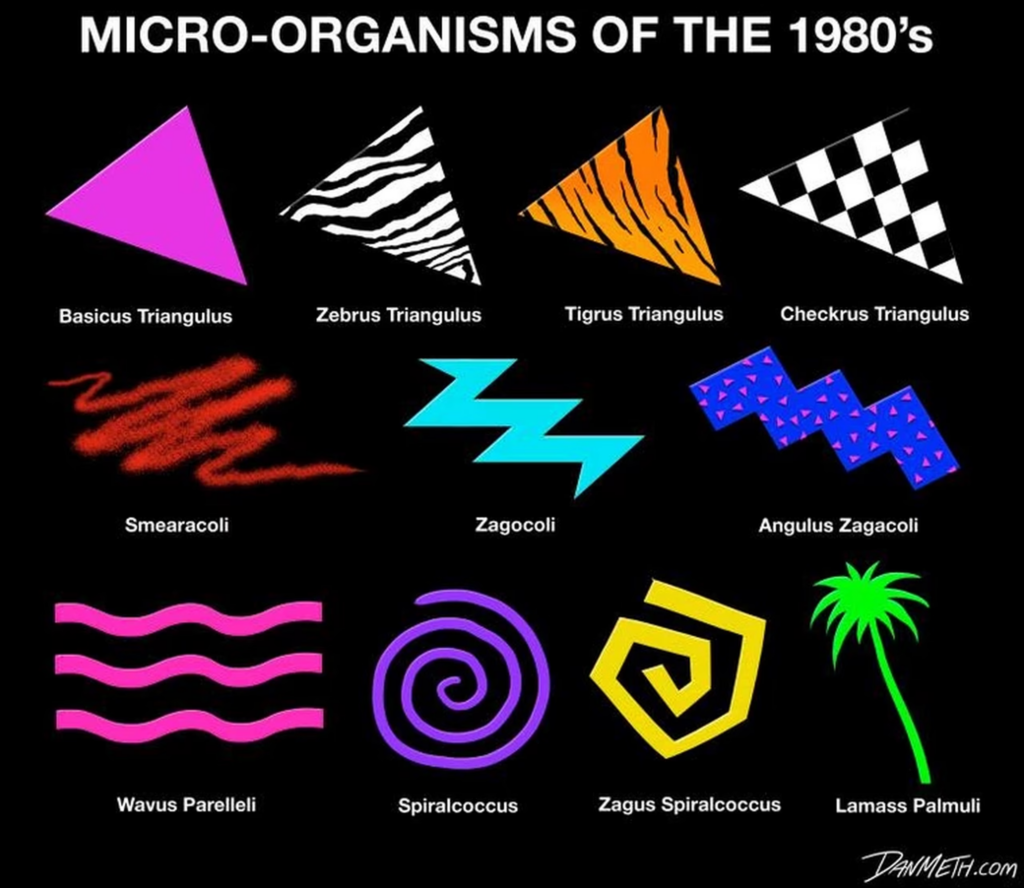
Graphic design in the 80s was bold and groundbreaking. Neon colors, sharp typography, and eye-catching designs defined the era.

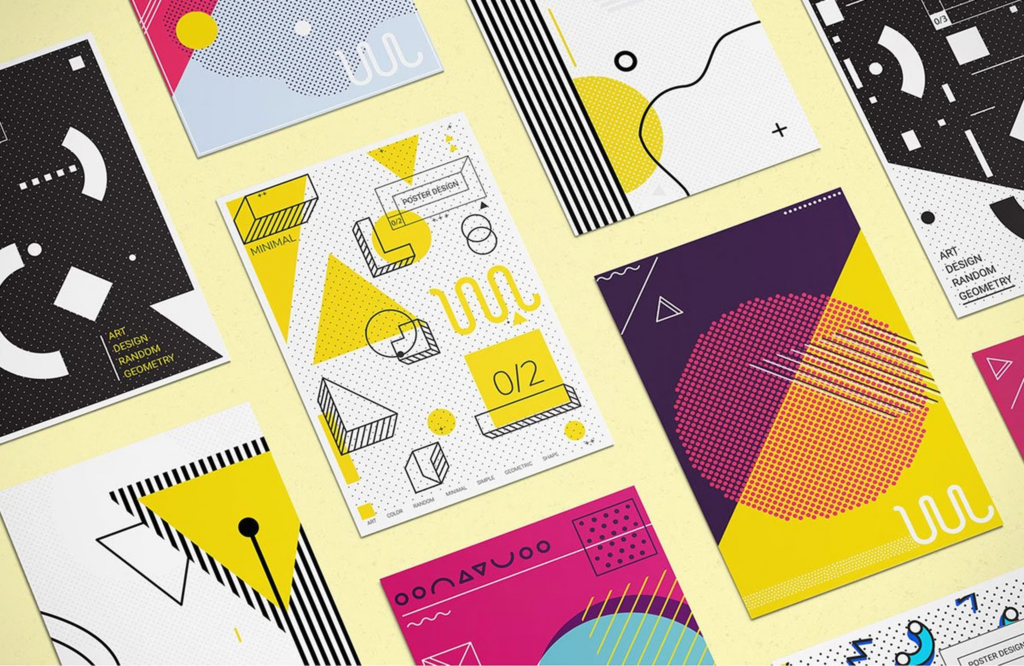
With the rise of design software, artists could create 3D images and experiment with layouts, colors, and fonts like never before. This led to a new “Deconstructive” style, using non-linear, mixed-type designs. Geometric patterns, vibrant colors, and new tech gave 80s design a futuristic feel.

The Internet of the 80s

The Internet during the decade of the 80s was still in its developmental phase. The global Internet further developed in the academic space and for commercial use in the latter half of the 80s or the data exchange via the Internet, Fidonet, USENET, and the Bulletin Board System. In 1989, Tim Berners-Lee developed the concept of the World Wide Web, which he had been developing since 1980. In 1989, the Internet and networks of most first-world countries were linked to a global system of transatlantic satellites. These were the first commercial internet services available.

However, until the early nineties, the first website ever went online. On August 6, 1991, the first website in human history went online. The website was developed and published by Tim Berners-Lee.

Graphic design for website content during the 80s was nonexistent, as no websites were online. The only aspect of the internet influenced by graphic design was the font types and graphical user interface. Graphic design for the internet was mainly used in print ads to advertise the advancements of the internet.

The first generation of personal computers

In the early to mid-80s, the first mass-produced Personal Computers were introduced. The first color displays with mid to high res resolutions were developed then.

The display with a significantly higher resolution than the previous models and a color display, the first generation of Personal Computers, opened the door to a whole new world of graphic design.

The IBM personal computer & apple

One of the most significant dates in Computer history was August 12, 1981. IBM released on this day the first mass-produced Personal Computer, the model 5150. The model significantly influenced the PC market and became the industry standard. The majority of current PCs are based on this industry standard. At that time, Apple was the only competition from a non-compatible platform for IBM. On January 24, 1984, Apple, led by Steve Jobs, introduced the Macintosh 128k.

Raster graphics & gaming / Bits vs. vectors

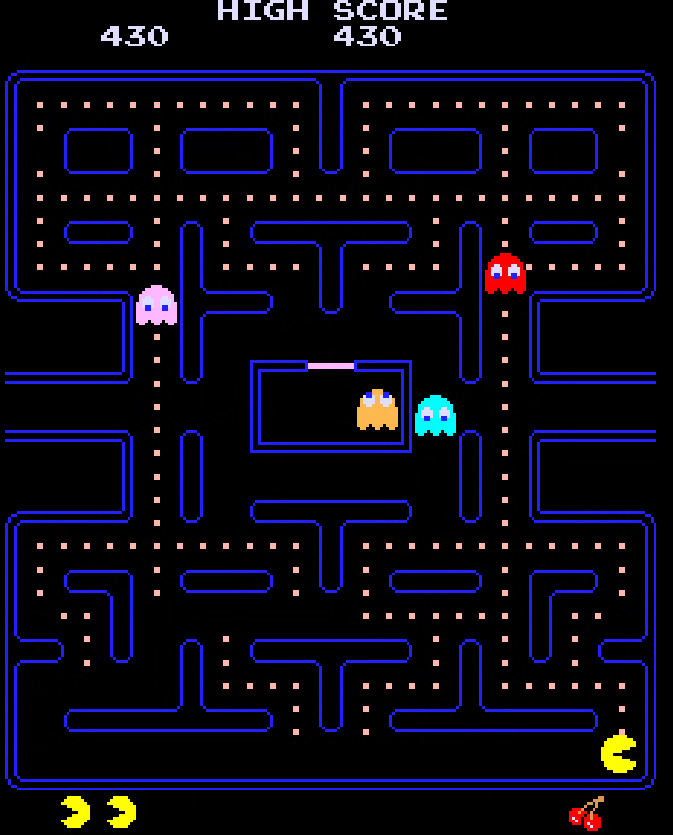
Probably the best-known visualization system is the grid graphic. A grid or bitmap graphic consists of a grid-like arrangement of square pixels. Each pixel is assigned a color; if you put them together, you get powerful, color-intensive images. However, these raster images are not scalable and appear blocky and pixelated when zoomed in.

The arcades had introduced raster graphics very early in the 80s. The spectrum of colors was not extensive (unlike today), and the color palettes were limited. Until the mid-eighties, the colors were limited to black and white and 8-bit; around 1986-87, it was possible to use 16-bit.

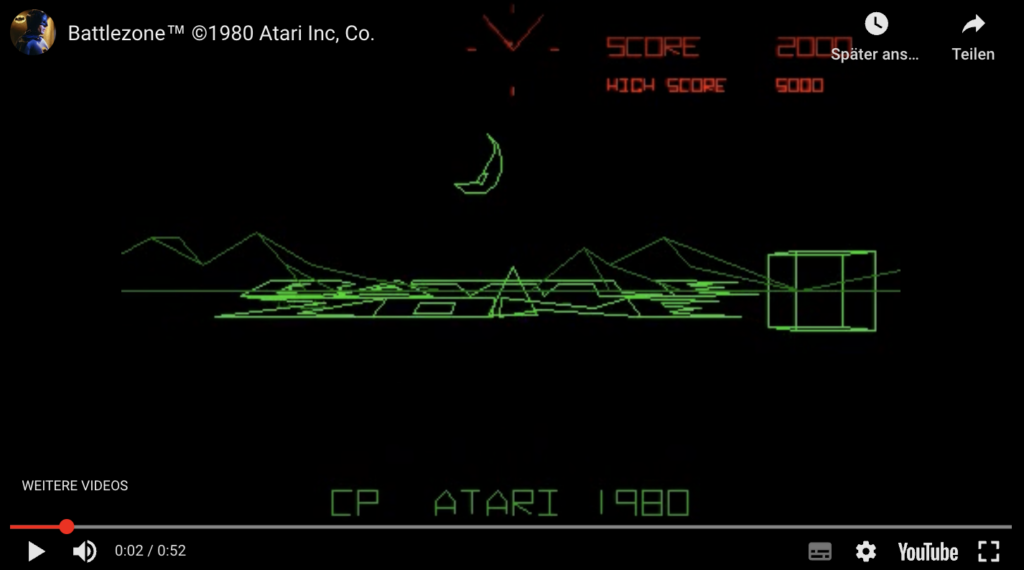
In games, vector graphics use an x, y coordinate system, like today’s designs. These systems made rotation and scaling easier. For example, tanks in Battlezone could appear more prominent as they approached due to the scaling feature. It was only possible to draw the vector outlines, but it wasn’t possible to fill the object with color at this point. You could only draw vector lines inside the object, which was only segmenting it internally but wasn’t filling the internal part of the vector shape with color.

Adobe Illustrator (AI)

Adobe started developing the Software Adobe Illustrator for the Apple Macintosh in 1985. The software was published and shipped in 1987. Adobe Illustrator was conceived as a companion product for Photoshop. While Photoshop was created for raster-based digital photo manipulation, the vector-based Adobe Illustrator was explicitly designed for typesetting and Logo Design.

The vector-based approach allowed the user to draw cúrves and adjust them with the Bézier Curve function, the perfect tool to create sharp and evenly curved lines.

The vector-based approach of Illustrator made the designs created with it infinitely scalable, contrary to the raster-based software programs.

The neon color palette

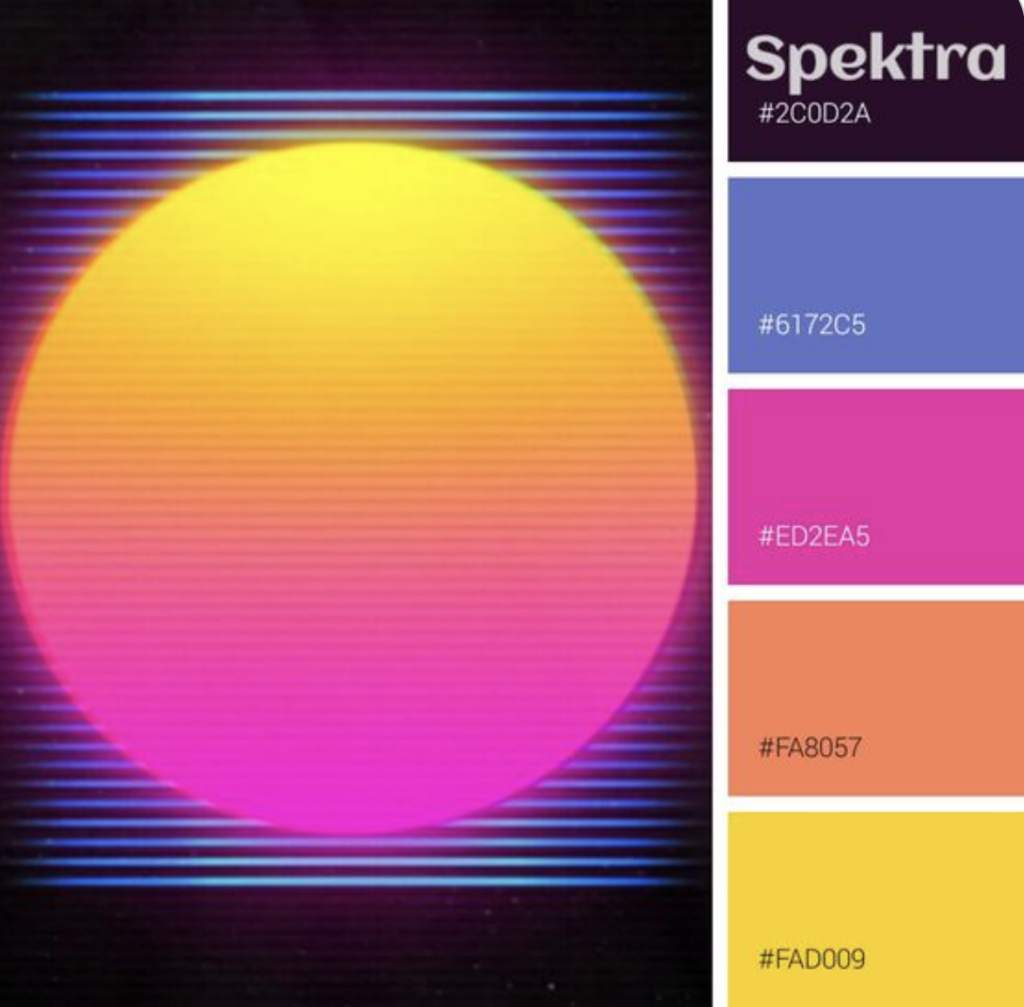
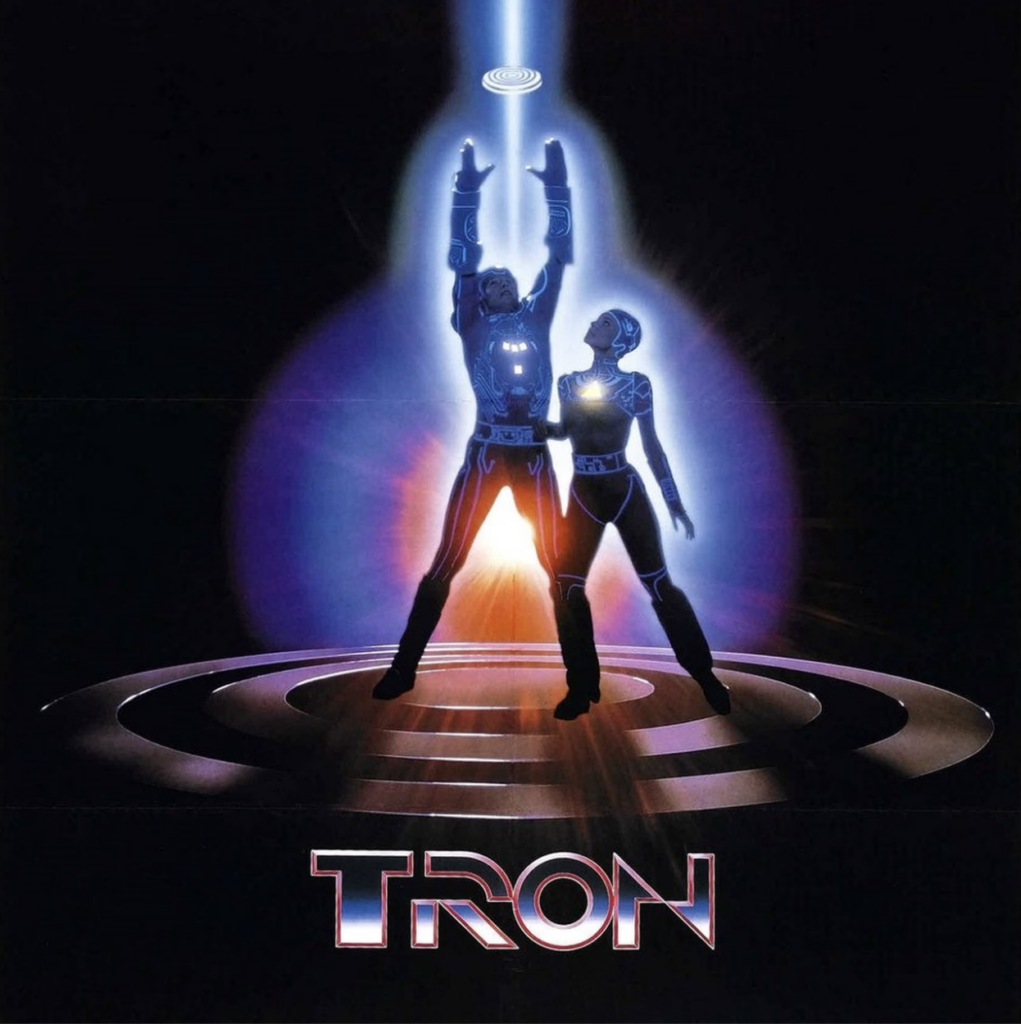
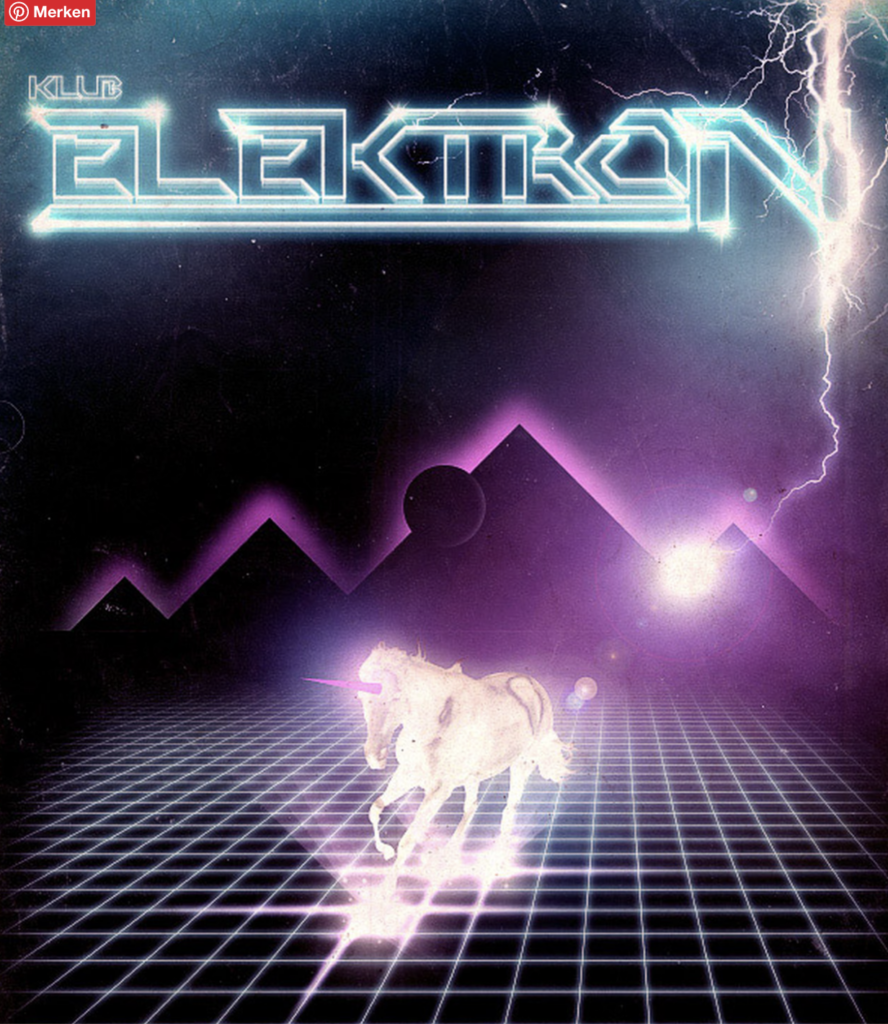
The bright colors of the 80s design styles were dominated by bold and saturated neon colors and jewel colors. The background was often kept in dark blue, dark purple, and black and contrasted with saturated neon pink, neon yellow, neon green, neon orange, and intense saturated blue and purple hues.

It is no coincidence that the palette was used primarily in the cyberpunk film genre that emerged during the 80s decade, such as Tron (1982) and Blade Runner (1982).

Interestingly, the color pendulum swung back in the decade of the nineties to a deeper, more earth-toned, and subdued palette during the grunge period.

Typography

Typography in the 80s was bold and experimental. Before the technical advancements made available in the 80s, graphic designers had to go to a typesetter and get their marketing ads, magazines and newspapers printed. These graphic designers now had a personal computer, a laser printer with new graphic design software, and layout programs, which offered many options to align and stylize their lettering in ways that weren’t possible before.

The typical bold 80s neon color palette was contrasted sharply against a pitch black or a dark blue or dark purple background, making the bold letters pop even more.

The ’80s saw a strong revival of elements of art deco in design. This was also noticeable in a bold typography. The Art Deco revival typography of the 80s was sans serif, had thick, additional strokes, and displayed strong ornamentation, angles, and curves. Hard edges and chevron patterns were omnipresent. Many 80s Art Deco-inspired typefaces use only uppercase letters, and almost all display typefaces because they are highly decorative.


During the ’80s, chrome lettering was seen everywhere: block-like, solid letters with light reflections that imitated the chrome material. In toy commercials, video games, and movies. The look reflected advanced technology and progress, the euphoric look to the future because that is what the 1980s advertising wanted to convey, progress and the excited anticipation of the future.

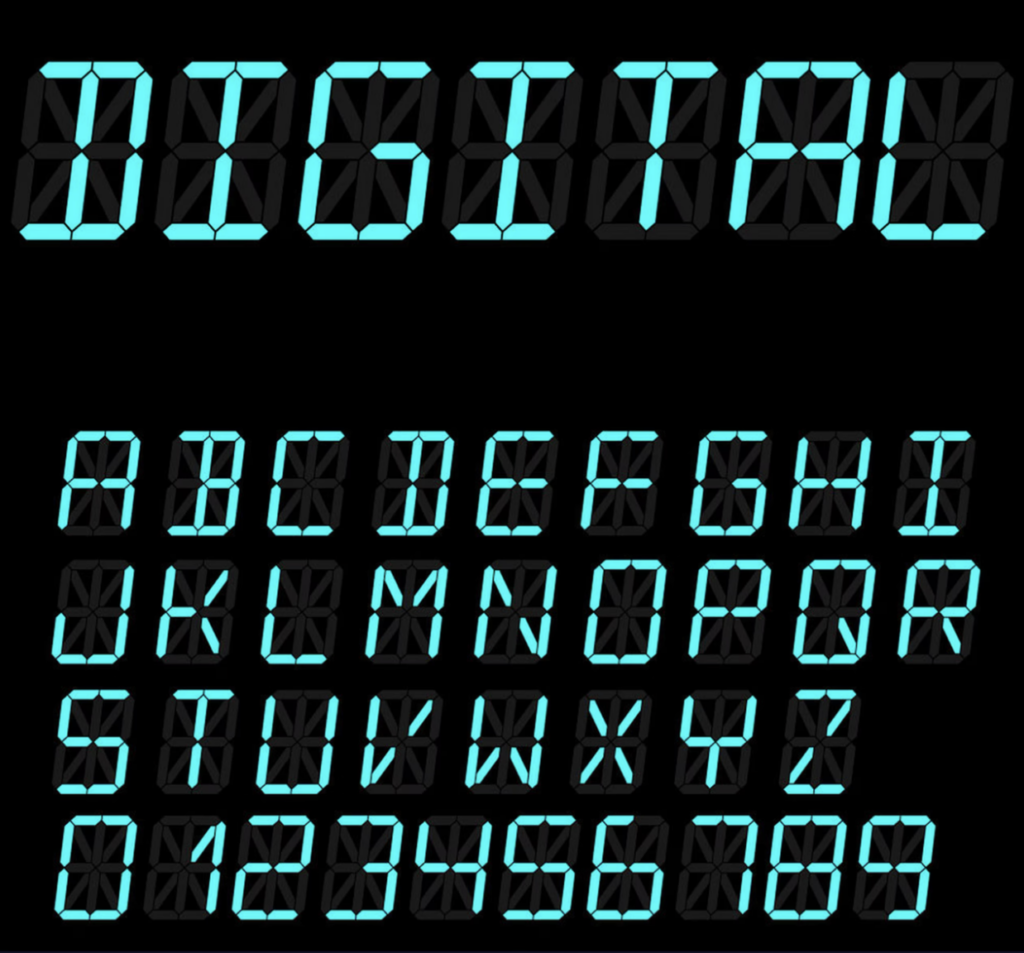
LCD digital fonts were all the rage during the 80s decade. The digital aspect of the font rode the wave of the 80s enthusiasm for all things progress and future related. The popularity of this font type symbolized the switch during the 80s from classic analog to digital watches.

The 80s pastel colors

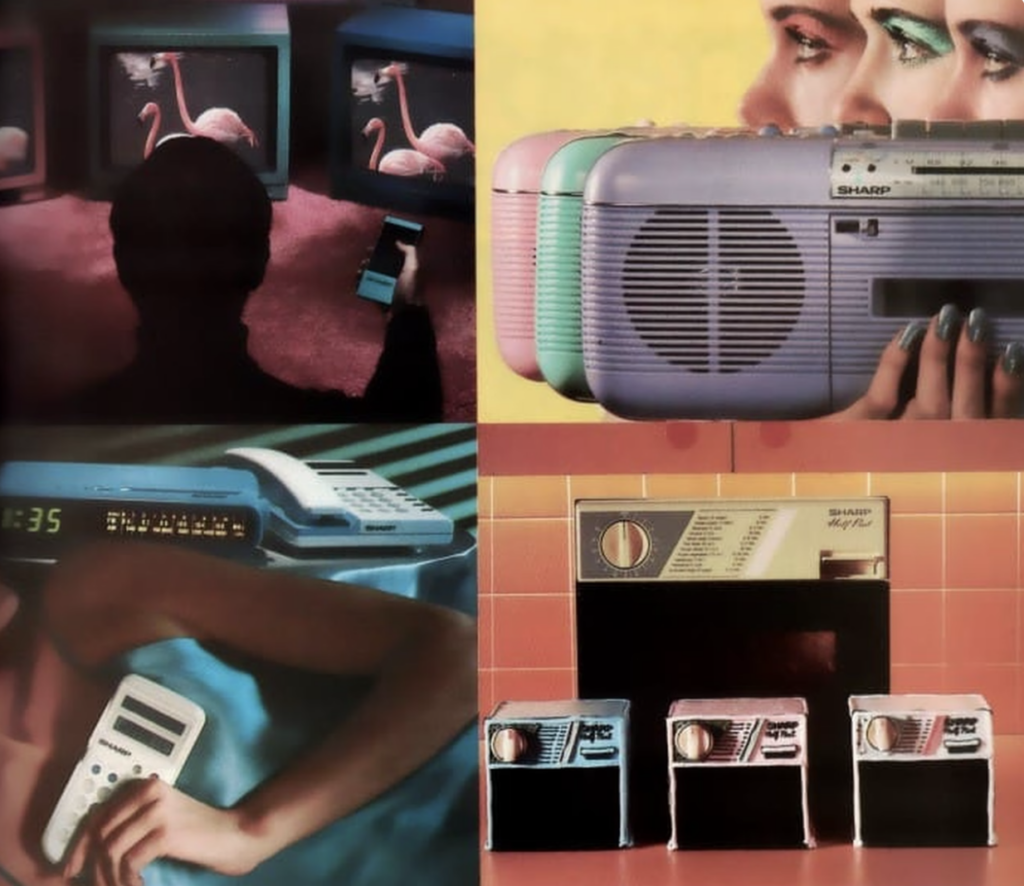
Another prominent 80s color trend was pastel colors. Especially during the early 80s, the pastel color trend peaked, and the intense neon color palette later contrasted with the pastel color palette in the mid-to-late 80s.

It was a more subdued look than the bold neon palette. The focus was on softness and delicacy instead of progress and technology. One of the favorite patterns to combine with the pastel trend was flowers. Especially in interior design, the pastel trend was initiated by the home decors of Laura Ashley. The color mauve was one of the most popular colors.
The movement for pastel colors, especially pastel pink combined with a pastel turquoise, was further initiated in the 1980s television series Miami Vice. The series paved the way for pastels in men’s fashion.

Bold Colors & Gradients: Bringing the 80s Back to Life

Most aesthetics of a particular decade often return in cycles, and retro designs are pick and further develop with a twist. In marketing, the term nostalgia marketing was coined. Especially the 80s nostalgia trend was targeting early millennials, as this decade represented their mostly analogous childhood. In this pre-internet time, you came home and watched MTV or played a heavily pixelated video game with a repetitive soundtrack.

But in 2024, it’s crucial to consider color psychology and accessibility. Understanding how colors evoke emotions and ensuring sufficient contrast for visually impaired users is essential. Instead of simply mimicking loud color palettes, designers can use bold hues strategically to create focal points or guide the user’s eye. Gradients can also be employed subtly to add depth and dimension to a design.

The influence of 80s design isn’t limited to theory. Here are some real-world examples of how contemporary designers are remixing 80s aesthetics for a modern audience:

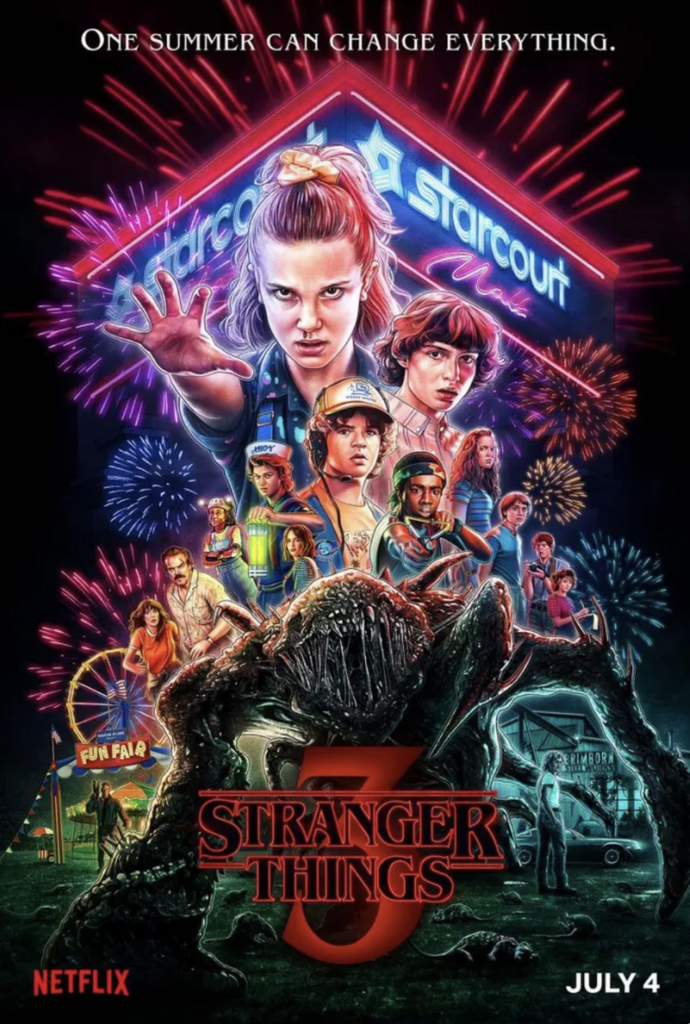
Stranger Things

The 80s craze suddenly perked up again with the launch of the super successful Netflix series Stranger Things. The series plays during the 1980s and is about a group of American teenagers confronted with supernatural forces. Almost all the posters paid homage to the classic 80s sci-fi blockbuster poster design during the Netflix marketing campaign for the series.

Conclusion

The enduring appeal of 80s graphic design lies in its boldness, playfulness, and ability to evoke emotions. By understanding the core principles of this era and reinterpreting them for a modern audience, designers can create visuals that are both nostalgic and fresh. So next time I am brainstorming design ideas, I will take a trip down memory lane and see how the 80s can inspire my next creative.

Resources