TR #6 Gay Men, War, and the Camera

Post-socialist masculinity in the Balkans was intense. Nationalist propaganda glorified soldiers, strength, aggression. The ideal man was tough, patriotic, heterosexual. So where did that leave gay men?

Queer photography complicates this image. You see men who are soft, intimate, playful. Men holding each other. Men posing in ways that challenge militarized masculinity.

That contrast is powerful.

Some photographs feel almost tender in a political way. Two men touching gently in a society obsessed with hardness? That’s radical.

At the same time, not all queer men rejected masculinity. Some played with it. Leather aesthetics. Hyper-masculine poses. It wasn’t always about softness — sometimes it was about reclaiming masculinity on different terms.

Photography becomes a space to experiment.

In a time when the state was defining what a “real man” should be, queer images said: actually, masculinity can look like this too.

And that’s a huge statement. <3

TR #5 Nightclubs, Basements, and Safe Spaces

A lot of queer photography from this period doesn’t happen in public squares. It happens in basements. In small clubs. In dimly lit apartments.

Safe spaces weren’t trendy buzzwords back then. They were necessary.

Nightclubs became temporary utopias. For a few hours, you could dance, flirt, perform, experiment. Outside, the city might be tense, nationalist, violent. Inside, there was music and sweat and freedom.

The camera loved these spaces.

Flash photography in dark rooms creates dramatic contrasts. Glitter reflects light. Faces glow in the darkness. There’s something almost cinematic about it.

These spaces weren’t perfect. They were fragile. Raids could happen. Gossip could spread. But they allowed queer communities to exist physically together.

And photography turned those moments into memory.

When you look at those images today, you’re not just seeing people dancing. You’re seeing survival. You’re seeing community being built in real time.

Those basements were more than party spots. They were laboratories of identity. And the camera was always there, quietly documenting.

TR #4 Visibility vs. Vulnerability

Visibility sounds like a good thing, right? We always say representation matters. But in the 1990s Balkans, being visible as queer could be dangerous.

So what does it mean to pose for a photograph in that context?

Every image carries risk. If a photo circulates publicly, it could expose someone to violence, rejection, or job loss. But at the same time, invisibility erases you completely.

That tension — visibility versus vulnerability — lives inside these photographs.

Some images feel bold. Direct eye contact. Strong posture. Almost confrontational. Others feel softer, more hesitant. You can sometimes sense the awareness of danger.

But that’s what makes them powerful.

The queer body becomes both fragile and defiant at the same time. And photography amplifies that duality. The body is framed, lit, frozen — but it also looks back.

There’s something deeply intimate about being photographed by someone who understands you. Many of these images were taken within the community. That changes the dynamic completely. It’s not voyeurism. It’s collaboration.

Visibility in post-socialist Yugoslavia wasn’t just about pride. It was about negotiating safety. Deciding when to appear. When to hide. When to trust the lens.

And somehow, those photographs still radiate courage.

TR #3 Susan Sontag and the Politics of L00king

Susan Sontag once wrote that to photograph is to appropriate. And honestly? That line hits differently when you think about queer bodies in post-socialist Yugoslavia.

Photography isn’t neutral. It never was.

Who gets photographed? Who is visible? Who controls the image? Those questions matter, especially in societies where queer people were pushed to the margins. In the 1990s Balkans, mainstream media rarely showed queer life — unless it was framed as scandal or deviance.

So when queer photographers documented their own communities, something shifted.

Sontag talks about how photographs shape reality rather than just reflect it. That’s exactly what happened here. The act of photographing queer people in nightclubs, apartments, protests — it wasn’t passive documentation. It was political.

The camera became a tool of survival.

But Sontag also warns us: looking can be a form of power. So we have to ask — who is behind the camera? Is it a queer insider? Or an outsider exoticizing?

In post-socialist contexts, this tension becomes even sharper. Western media often portrayed the Balkans as violent, backward, hyper-masculine. Queer photography disrupts that narrative. It complicates it. It says: yes, there is nationalism and war — but there is also softness, intimacy, glitter, and chosen family.

Photography doesn’t just show reality. It builds archives. And archives shape history.

Sontag helps us see that every image of a queer body in that time wasn’t accidental. It was loaded.

Looking is political. Being seen is political. And choosing how to be seen? That might be the most radical act of all.

TR #2 Drag Queens in the great Yugo

When people think about drag culture, they usually imagine glitter, RuPaul, big stages, maybe New York or Berlin. But what about Belgrade in the 1990s? Or Zagreb? Or Ljubljana right after socialism collapsed?

Drag in post-socialist Yugoslavia wasn’t just about performance. It wasn’t just about entertainment. It was survival. It was rebellion. And honestly? It was art in its rawest form.

The 1990s in the Balkans were chaotic. Yugoslavia dissolved. Wars broke out. Nationalism intensified. Public spaces became hyper-masculine, militarized, and deeply conservative. The idea of “proper” gender roles became even stricter. Men were supposed to be soldiers. Women were supposed to be mothers. And anyone outside that binary? Invisible — or worse.

So imagine doing drag in that environment.

Photography becomes incredibly important here. Because even when performances were underground — happening in clubs, private apartments, hidden parties — the camera captured proof. Not just proof that it happened, but proof that queer joy existed in the middle of violence and political collapse.

There’s something powerful about seeing a drag queen posing confidently in a space that politically didn’t want her to exist. The photograph freezes that moment. It says: “We were here.”

And what I find fascinating is how these photos often mix vulnerability and strength. You’ll see exaggerated femininity — wigs, dramatic makeup, heels — but also tension. Sometimes the background reveals peeling walls, dim lighting, makeshift stages. These weren’t polished Western drag scenes. They were improvised, local, specific.

Drag became a way to exaggerate gender so much that it exposed how fake gender already is. In a society obsessed with “real men” and “real women,” drag said: okay, let’s push that to the extreme. Let’s make it theatrical. Let’s make it absurd.

And photography amplified that message.

Because once something is photographed, it becomes harder to erase. Even if mainstream media ignored queer lives, these images circulated — sometimes privately, sometimes in alternative magazines, sometimes later in exhibitions. They created a visual memory.

What also strikes me is the intimacy of some of these photos. Not all drag photography from that era is about spectacle. Some images show performers backstage, removing makeup, smoking, laughing, looking tired. Those photos feel almost more radical. They show the human behind the persona.

In post-socialist societies, where identity was already being renegotiated (national identity, political identity, cultural identity), drag added another layer. It questioned gender at the exact moment when everything else was also unstable.

And maybe that’s why it feels so powerful.

Drag in post-socialist Yugoslavia wasn’t imported culture. It wasn’t imitation. It grew from local conditions — war, censorship, underground art scenes, economic crisis. It carried that tension in its aesthetics.

The camera didn’t just document drag. It collaborated with it.

The pose, the gaze, the defiance — they were all intensified by knowing the image might survive longer than the night itself.

Looking at these photographs today feels emotional. They’re not just pretty or edgy. They’re historical documents. They show that queerness didn’t suddenly “arrive” in the Balkans in the 2000s. It was always there. It was just pushed to the margins.

And honestly? That makes those glittery, defiant faces even more iconic.

IMPULSE #3

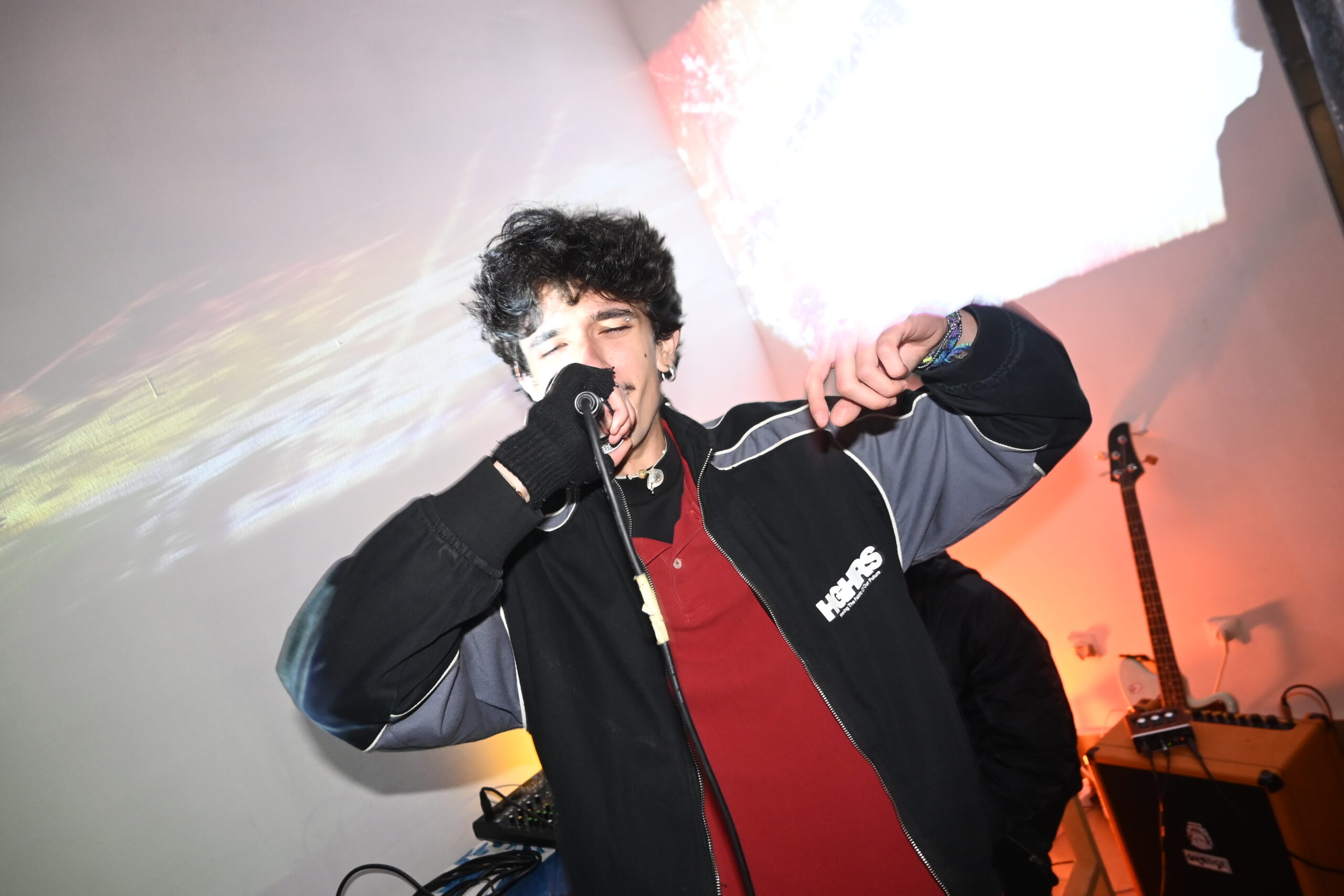
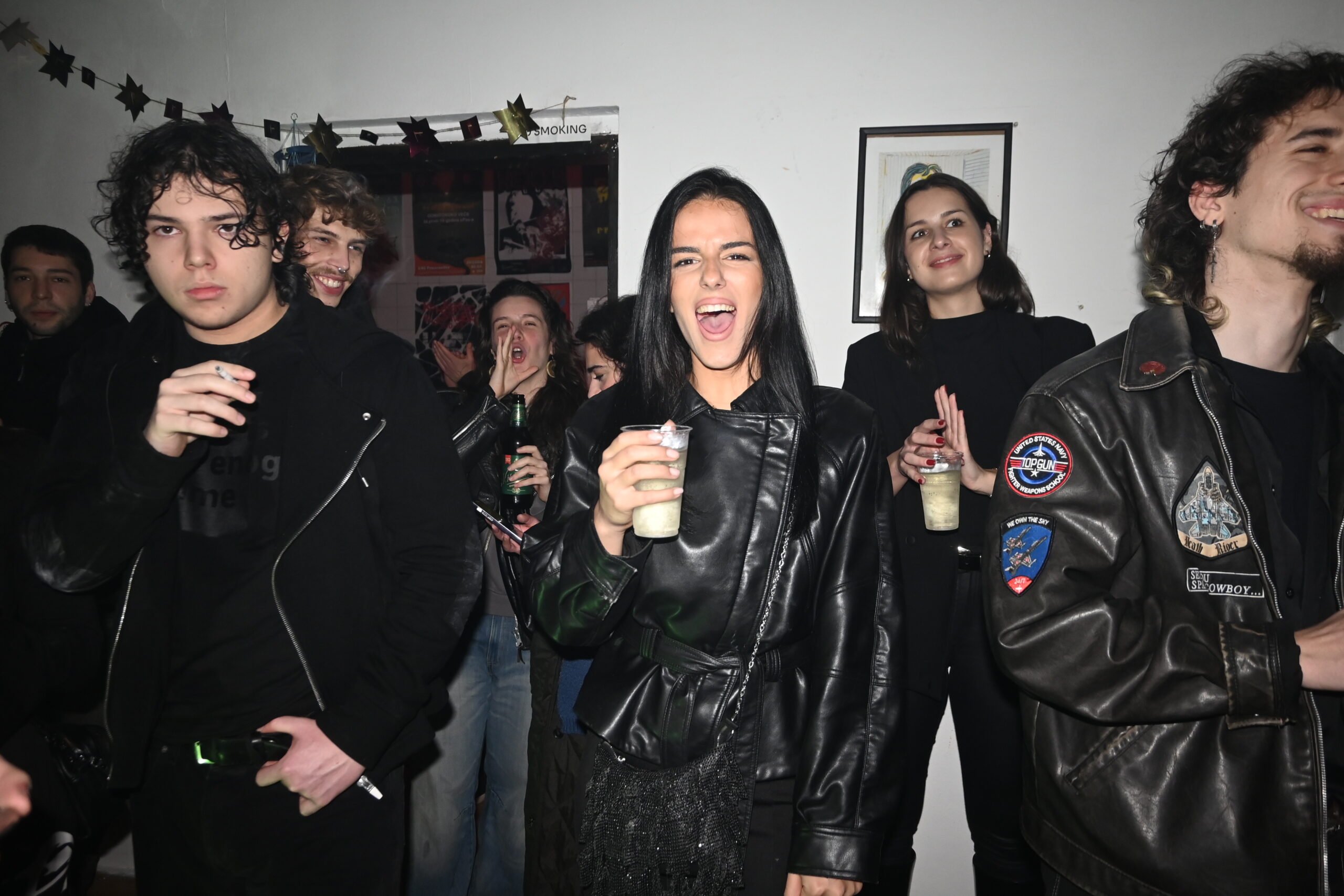
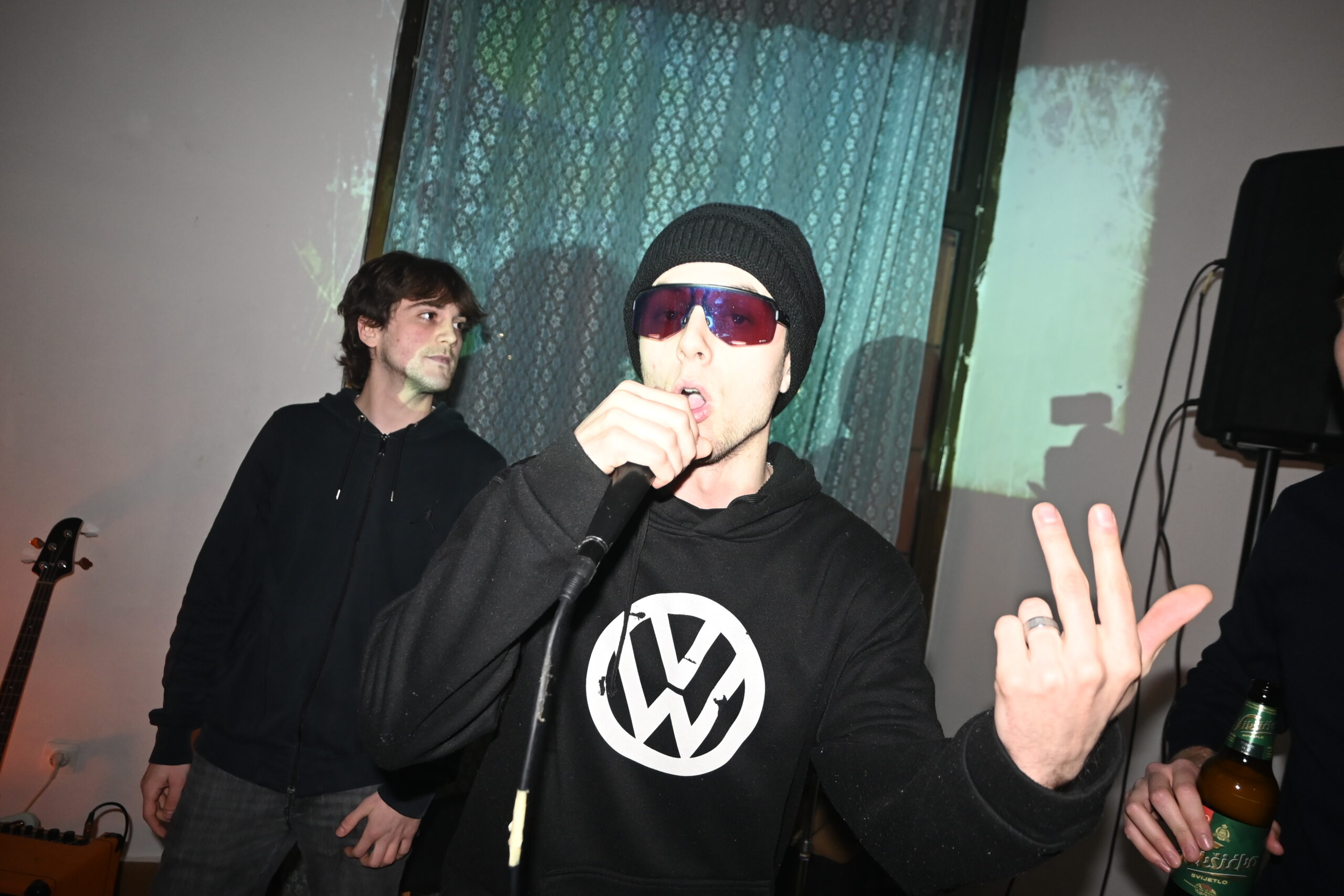
Some events stay with you not because of spectacle, but because they remind you of something essential. The rap concert at Pomorandža in Podgorica Center, led by my friend Mijat Bojović – Majdžet, was one of those moments. It wasn’t just a concert. It was a reminder of how much courage it takes to create, and how deeply culture depends on community.

Pomorandža is not a polished institution or a distant cultural monument. It is a space built and maintained by people who believe that culture should be lived, not just consumed. Those of us who run it together know how fragile such spaces are — how easily they can disappear if no one is willing to take responsibility. That night, Pomorandža felt full in every sense: full of sound, movement, tension, support, and mutual recognition.

Watching Mijat on stage was inspiring not because of performance alone, but because of what it represented. Standing in front of people and claiming space for your work takes courage, especially in an environment where alternative culture is often overlooked or undervalued. There is a particular kind of bravery in continuing to create even when visibility is limited and support is inconsistent. That courage was tangible in the room.

But the real strength of the night didn’t come from one person alone. It came from the collective effort behind it. Friends organizing, setting up equipment, handling logistics, welcoming people, staying until the very end. This is how culture survives here — not through large budgets or institutional guarantees, but through trust, commitment, and people willing to show up for each other. Community is not an abstract idea; it is practical, demanding, and often exhausting. And yet, it is the most reliable foundation we have.

What stood out most was the sense of shared ownership. The audience wasn’t passive. People weren’t there just to watch something happen; they were part of it. There was an unspoken understanding that this space exists because everyone present contributes to it simply by being there, by caring, by respecting the effort behind it. That kind of atmosphere doesn’t happen by accident. It grows slowly, through consistency and mutual support.

Courage, in this context, isn’t loud or dramatic. It’s the decision to keep going. To keep organizing events even when turnout is uncertain. To keep creating even when recognition is slow. To keep opening doors and inviting people in, knowing that not every night will succeed. The concert at Pomorandža was a quiet but powerful example of that kind of courage — the kind rooted in persistence rather than confidence.

In a city like Podgorica, where cultural initiatives often rely on personal energy rather than systemic support, spaces like Pomorandža are vital. They allow experimentation, honesty, and growth. They offer a platform for voices that don’t fit neatly into mainstream expectations. And perhaps most importantly, they create a sense of belonging — a reminder that no one is building alone.

By the end of the night, there was a feeling of exhaustion mixed with clarity. Not the kind that drains you, but the kind that confirms why the effort matters. Events like this don’t just fill an evening; they strengthen the invisible network that keeps a cultural scene alive. They remind us that courage is contagious, and that community, once built, becomes a source of momentum.

The concert ended, the lights went up, and people slowly left the space. But what remained was something more lasting than sound — a renewed belief in the value of showing up, supporting each other, and continuing to build, even when it’s difficult. In that sense, the night at Pomorandža wasn’t just an event. It was proof that community, when held together by courage, can create something meaningful — again and again
IMPULSE #2

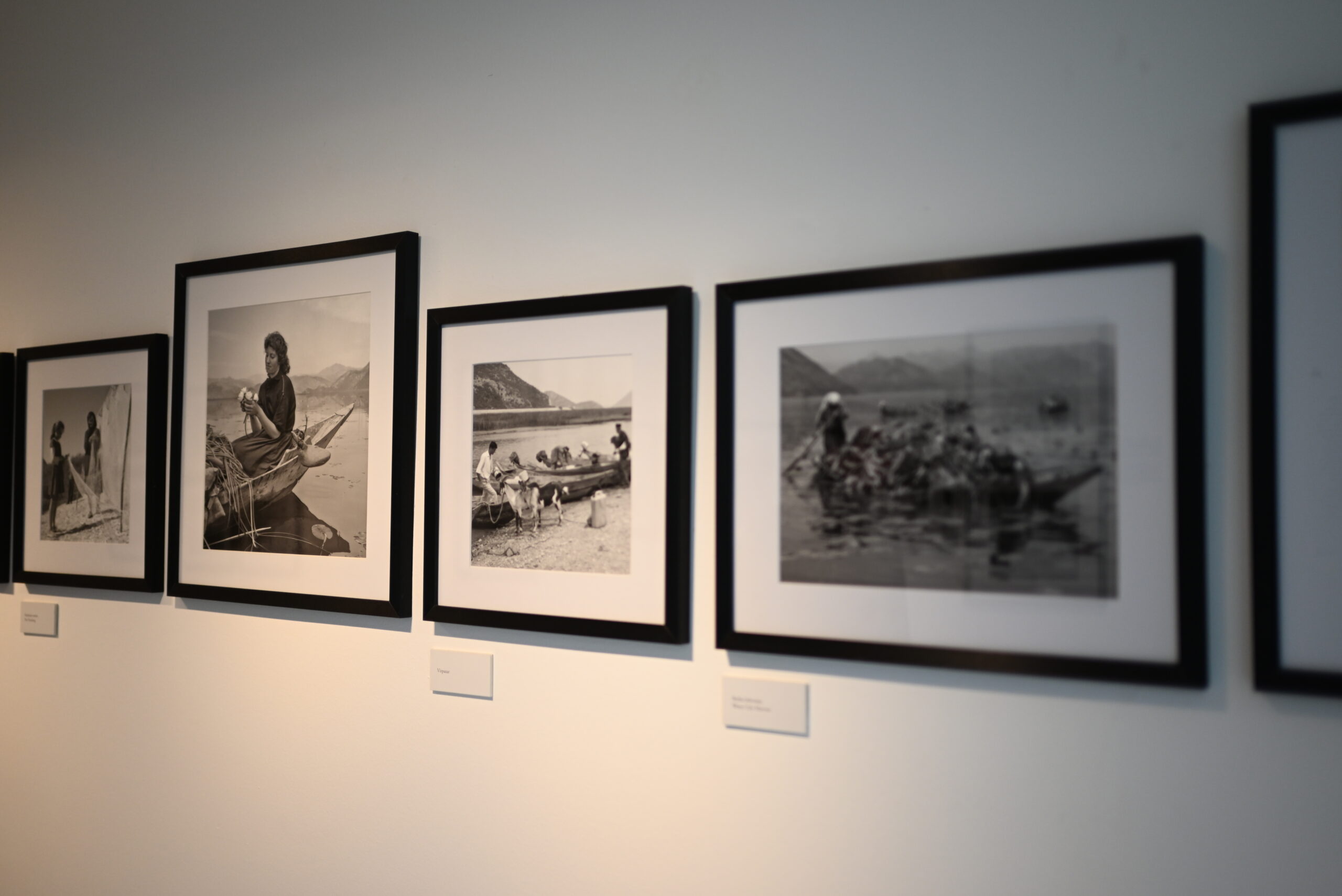
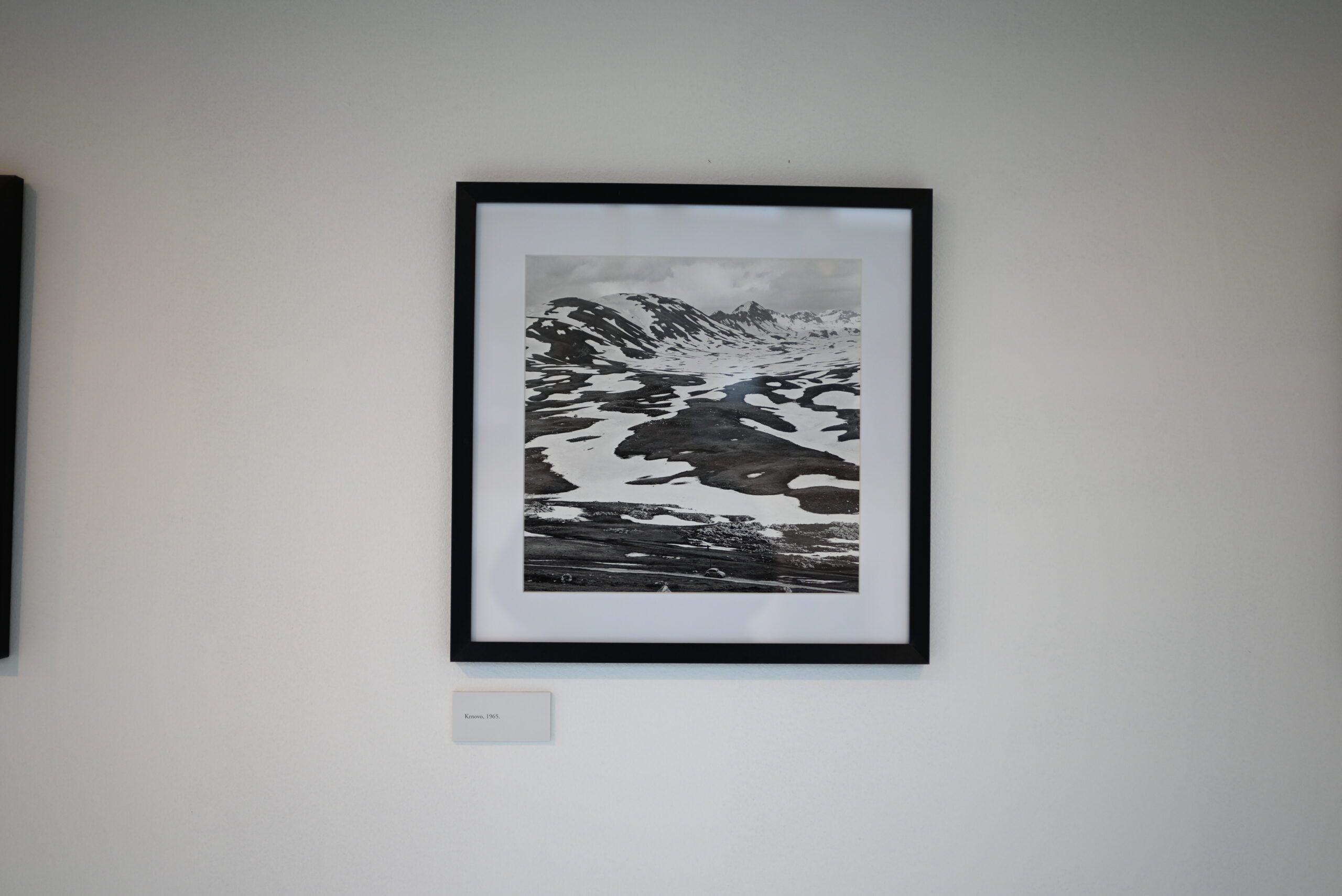
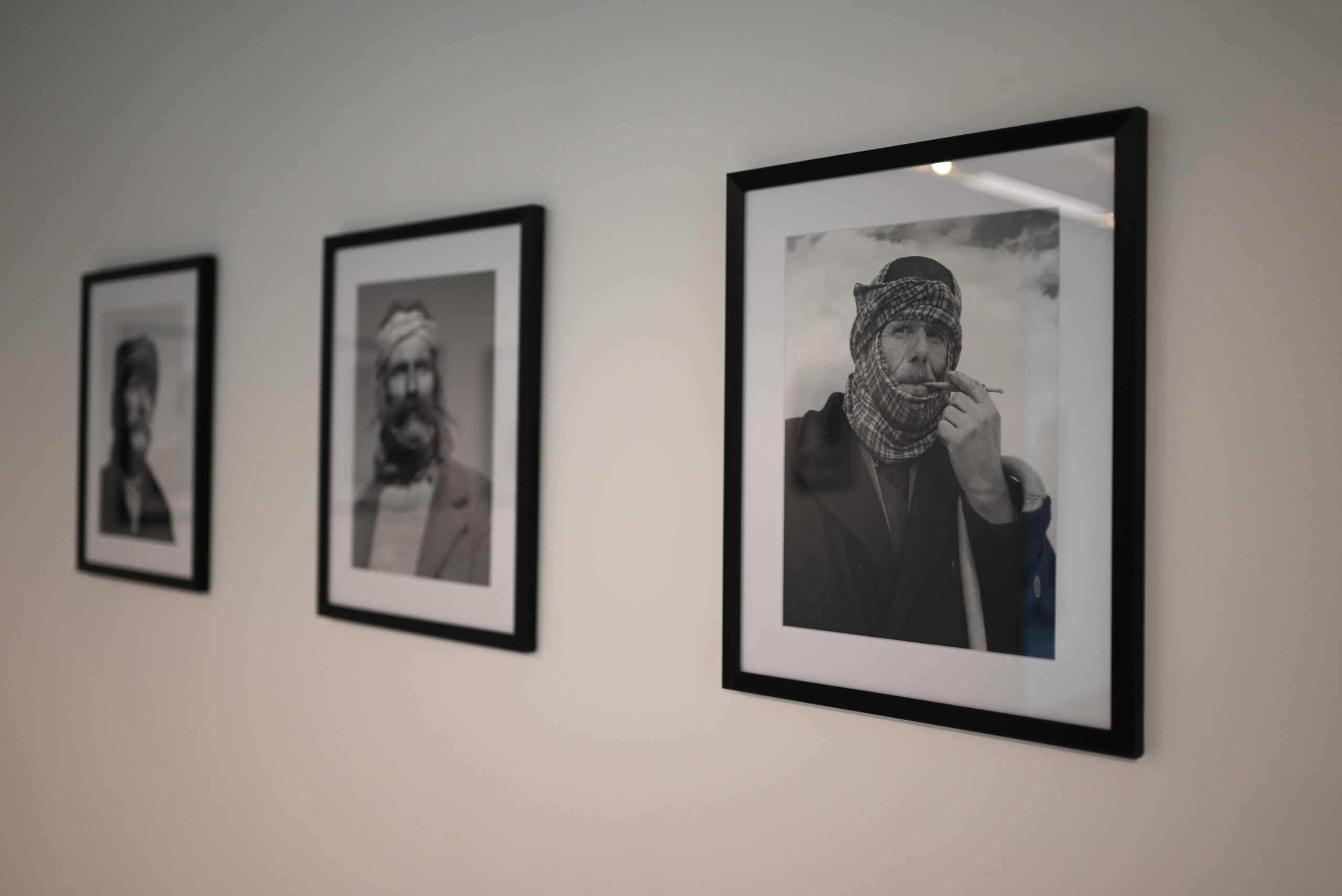
Visiting the photography exhibition of Milorad (Milan) Pešić in Cetinje felt less like attending a cultural event and more like stepping into a collective family album. As a girl born and raised in Montenegro, I did not walk into that space as a neutral observer. I walked in carrying memories, inherited stories, and a deep emotional connection to the landscapes and faces that Pešić captured through his camera.

Cetinje itself already carries a special weight for me. Old royal capital has a quiet dignity, a sense of endurance that mirrors the Montenegrin spirit. Seeing Pešić’s photographs displayed there felt right — as if the city and the images were speaking the same language. From the very first photograph, I felt recognition. Not just recognition of places, but of emotions. These were not distant historical documents. These were scenes I felt I had lived, even when they belonged to a time before I was born.

What moved me most was how familiar everything felt. The faces in Pešić’s portraits reminded me of my grandparents, my neighbors. The men — strong, reserved, shaped by the land — carried expressions I have seen my entire life. There is something uniquely Montenegrin in the way people stand, look, and exist in space, and Pešić captured that without exaggeration or romanticism.

As a woman, I found myself paying special attention to the images of women in the photographs. They are rarely posed or idealized. Instead, they appear real — working, waiting, carrying burdens both physical and emotional. Their strength is quiet, almost understated, yet undeniable. Looking at them, I felt a deep respect and a sense of continuity. These women are the reason our traditions survived. They held families together, preserved customs, and endured silence when words were not allowed.

The landscapes, too, stirred something deeply personal. Montenegro is a country of extremes — harsh mountains, calm seas, isolated villages, and narrow streets filled with history. Pešić’s photographs do not simply show these places; they remember them. The mountains feel heavy with time, the villages feel intimate and vulnerable, as if they could disappear if not preserved through images like these. Standing in front of those photographs, I felt gratitude that someone cared enough to document our world before it changed forever.

What makes this exhibition especially powerful is its honesty. Pešić did not try to beautify poverty or dramatize hardship. He simply observed. And in doing so, he allowed dignity to emerge naturally. His work reminded me that our history is not only written in books or political events, but in ordinary lives — in daily routines, in work, in silence, in perseverance.

Leaving the exhibition, I felt both proud and emotional. Proud of where I come from, and emotional because so much of what I saw belongs to a Montenegro that is slowly fading. Yet thanks to photographers like Pešić, it is not lost. It lives on — not as nostalgia, but as testimony.

This exhibition was not just about photography. For me, it was about identity. About seeing ourselves clearly, without filters, and accepting both the beauty and the hardship that shaped us. As a Montenegrin woman, I left with a renewed sense of connection — to my past, my people, and my place in this long, quiet story we call home.

IMPULSE #1

Animation has never been just for children.

As a kid, I saw the world through colors that only existed in Disney movies. Everything felt brighter, softer, and more hopeful. Movement flowed the way it does in Studio Ghibli films—alive, intentional, full of quiet emotion. Those stories didn’t just entertain me; they shaped how I understood kindness, courage, and what it meant to see others as more than what they appeared to be.

One animated film that sparked that feeling again this year was Zootopia 2, directed by Jared Bush and Byron Howard. As a sequel to Zootopia, it carries forward a world that was never afraid to talk about uncomfortable truths.

When Zootopia was first released, it stood out because it dared to explain racism and prejudice in a way children could understand and adults could reflect on. Predators and prey weren’t just animals—they were symbols of how fear is created, how stereotypes are formed, and how entire groups are judged based on the actions of a few. The film sent a powerful message: bias is learned, and unlearning it requires empathy, self-awareness, and courage.

That message was important when the film first came out, and it feels even more urgent today.

Zootopia 2 builds on this foundation by exploring themes that resonate deeply with the world we currently live in—division, inherited fear, and the cycles of conflict that pass from one generation to the next. Without naming real-world events directly, the film reflects the reality of modern global tensions, where communities are shaped by long histories of trauma and misunderstanding.

What makes animation so powerful is its ability to hold these heavy ideas without overwhelming its audience. Through animals, color, and movement, it creates space for reflection rather than confrontation. Children absorb lessons about empathy and fairness, while adults recognize the uncomfortable truths hiding beneath the surface.

Maybe that’s why we keep coming back to these stories—not because we want to escape reality, but because we want to remember who we were before the world told us to stop caring.

https://www.thepersistent.com/the-secret-feminist-message-hidden-in-zootopia-2


TR #1 Master of what exactly?

For me, the decision was relatively simple. I wasn’t done with the knowledge I had gained during my bachelor’s studies. Several of the projects I was working on felt unfinished, and I believed they had a future beyond the university context.

The research I was most deeply involved in focused on Yugoslavia and the Balkan region. Coming from the Balkans is not just a geographical fact for me—it shapes how I think, work, and create. It carries a complex history of fragmentation, and resilience, but also a strong sense of shared culture, shared contradictions, and collective memory. This background influences the questions I ask and the themes I repeatedly return to in my work.

My bachelor’s thesis is closely connected to LGBTQ+ identities and rights, and to how these are understood and lived in the Balkans and then Yugoslavia. I was interested in the tension between visibility and safety, progress and backlash, and in how legal rights, social acceptance, and everyday realities often do not move at the same pace. Looking at the Yugoslav past alongside the current political and cultural climate helped me understand how ideas of freedom, community, and solidarity have shifted over time.

Continuing with a master’s degree felt like a natural next step to deepen this research. It offered the space to further explore questions of identity, belonging, and resistance, and to critically examine how personal experience can become a political and artistic position. For me, staying in academia was not about postponing “real life,” but about giving these topics the time, care, and complexity they require.