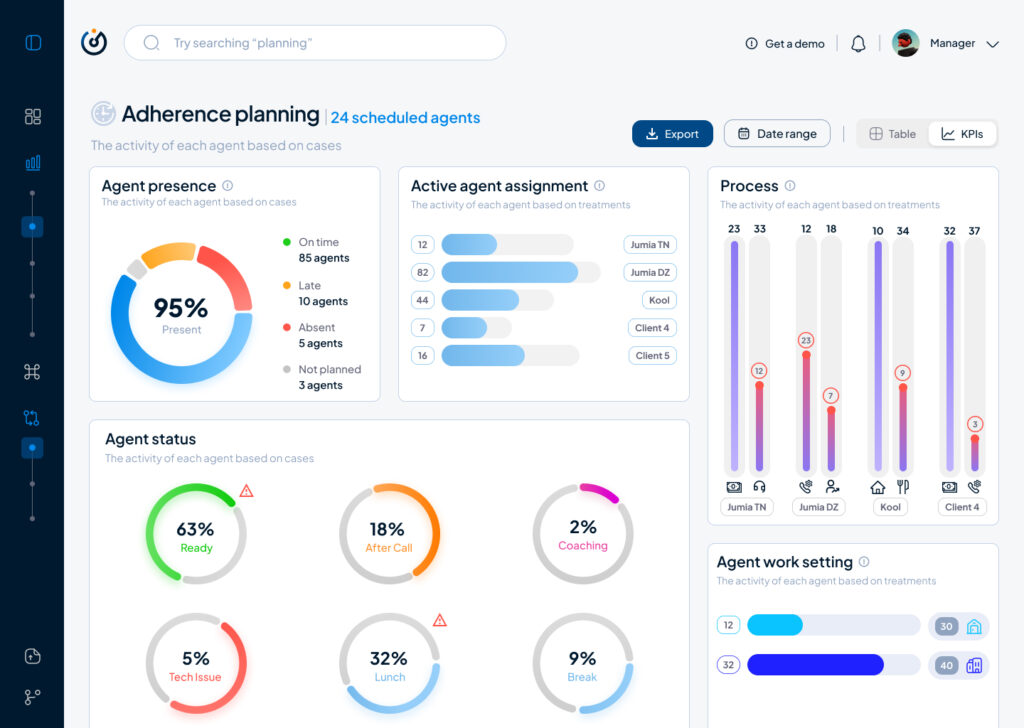
Introducing Beside You: the Augmented Managment software that will later be introduced as a SaaS (Software as a Service).
Initially, working on this project has been a ride since the beginning, being the sole product designer at a company that specializes in customer experience and business management along with a team of full stack devs and data scientists meant that we either we will get things done or we will get things done.
One of the early challenges was to convert a data driven platform to an intuitive and cohesive interface that offers the ease of analysis and ultimately efficient decision making.
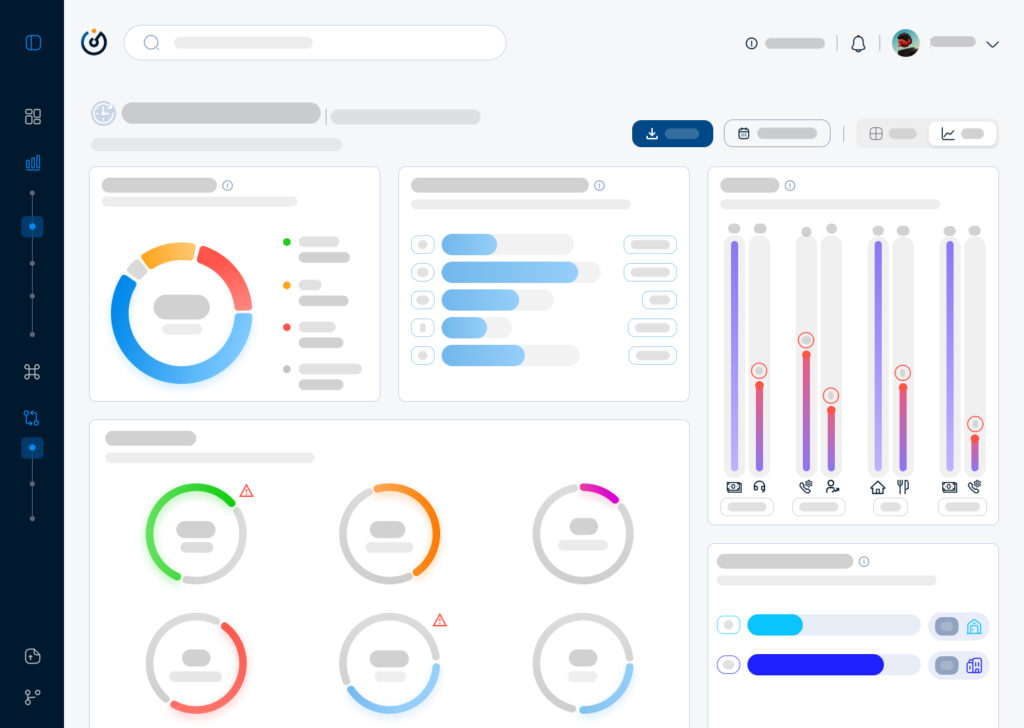
One of the ‘Pre Design Sprint’ Data Interface that I found when I came onboard.
One of the early challenges was to convert a data driven platform to intuitive and cohesive interface that offers the ease of analysis and ultimately efficient decision making.
Sketching consisted of building a skeleton that will overaly the first foundation that will eventually convey the design language that the software will adopt and in the meantime everything has to be succintly explained to the stakeholders in order for them to grasp the design system and for me to extract more insights from them since they will be the first users of the software.
Moving on to a low fidelity wireframe with the intention of giving more meaning and structure to the interface meant that progress is happening and things are starting to evolve in terms of results from the ideation and the user interviews. Also, the latter gave me the playground to begin building the design system from the layout, color palette, and typography to the spacing and the accessibilty.
First draft of the dashboard’s lo-fi wireframe
Moving on to a highfidelity wireframe that paved the way to add real data to the interface that allowed us as a team to get a realistic first look on how the software will behave in terms of data visualisation and user navigation and from there began our first user test which will give us a direction to make the right adjustments and iterations.
First iteration of the dashboard’s hi-fi wireframe
To conclude, this article is a condensed version of what actually happened and the process behind creating a data driven product from the ground up, otherwise I will have to write a journal that won’t serve nobody but nonetheless it is always beneficial to write about a design process that was complicated and challenging at times, the benefits are a documentation and a clarity that will even pave the way to iterate better on the next stages of the product life cycle.
Customer experience (CX) and user experience (UX) in UI/UX design are closely intertwined concepts that directly impact how users interact with products or services. While CX refers to the overall experience a customer has with a brand or company, UX specifically deals with the user’s interaction with a product or service, particularly in terms of interface and design. Here are some key insights into their relationship and how they influence each other:
1. CX Encompasses the Entire Journey; UX Focuses on Specific Interactions
Customer Experience (CX) refers to the cumulative experience a customer has with a brand across all touchpoints—whether it’s in-store, on a website, via customer support, or through social media interactions. It’s about how the customer feels throughout the entire process of discovering, purchasing, and using a product or service.
User Experience (UX), on the other hand, is more focused on the user’s experience when interacting with specific digital interfaces (websites, apps, etc.). It focuses on the ease of use, functionality, and satisfaction during the interaction with a product’s interface, and it’s a subset of CX.
2. UX Design Drives Positive CX
The design of digital interfaces directly impacts the customer’s overall experience. A well-designed interface that is intuitive, aesthetically pleasing, and easy to navigate will improve the user’s experience and contribute to a positive overall perception of the brand.
Example: If a customer is able to easily find and purchase a product through a brand’s mobile app, the smooth interaction boosts their overall customer experience with that brand. A complicated or frustrating UX, on the other hand, can lead to negative CX, causing users to abandon the process or develop negative perceptions of the brand.
3. CX and UX Are Both About Satisfaction
While UX design focuses on the user’s satisfaction during the interaction with the product, CX is about the satisfaction derived from the brand’s overall offering, including service, support, and communication. Positive experiences in both areas often go hand-in-hand.
5. Customer Feedback and Continuous Improvement
Both CX and UX thrive on continuous improvement based on user feedback. For UX design, user testing, and behavioral analysis help identify friction points, improve usability, and address user pain points. In turn, customer feedback from the broader CX perspective (e.g., satisfaction surveys, social media comments) helps refine the overall customer journey.
6. Emotion and Brand Perception
Both UX and CX heavily influence how a customer feels about a brand. UX focuses on the emotional connection a user has during interactions with the product, whereas CX involves how a customer feels about the entire brand, including its mission, communication, and product quality.
Example: A well-designed website with a simple checkout process (good UX) can make users feel empowered and positive about the brand. Conversely, if the company’s customer service is slow and unhelpful (poor CX), the overall experience may be tainted, even if the website interaction was flawless.
7. Personalization and User-Centered Design
Personalization plays an important role in both UX and CX. Personalizing digital experiences, such as recommending products based on a user’s browsing history or customizing an app’s interface to the user’s preferences, makes the interaction more relevant and engaging.
8. UX Metrics Impact CX Strategy
UX metrics such as task completion rate, user satisfaction, and time on task offer valuable insights into how users engage with a product. These metrics can inform broader CX strategies. For instance, if UX testing shows that users frequently abandon the checkout process, it signals that the CX strategy should be adjusted to address these pain points (e.g., by improving the checkout experience).
Conclusion
In summary, user experience (UX) and customer experience (CX) are deeply connected and mutually influential. UX focuses on optimizing interactions with the product’s interface, while CX encompasses the overall brand experience across all touchpoints. A seamless, enjoyable UX directly contributes to a positive CX, leading to customer satisfaction, loyalty, and advocacy. By prioritizing both UX and CX, companies can create holistic, user-centered experiences that drive long-term success.
There is no such thing as a commodity. All goods and services are differentiable. Though the usual presumption is that this is more true of consumer goods than of industrial goods and services, the opposite is the actual case.
In the marketplace, differentiation is everywhere. Everybody—producer, fabricator, seller, broker, agent, merchant—tries constantly to distinguish his or her offering from all others. This is true even of those who produce and deal in primary metals, grains, chemicals, plastics, and money. Says Theodore Levitt in his marketing piece in Harvard Magazine in January 1980.
In most cases, these differences are not salient. More important are the characteristics of the expected components of the product.
The Augmented Product
Differentiation is not limited to giving customers what they expect. What they expect may be augmented by things they have never thought about. When a computer manufacturer implants a diagnostic module that automatically locates the source of failure or breakdown inside his equipment (as some now do), the product goes beyond what was required or expected by the buyer. It has become an augmented product. When a securities brokerage firm includes with its customers’ monthly statements a current balance sheet for each customer and an analysis of sources and disposition of funds, that firm has augmented its product beyond what was required or expected by the buyer. When a manufacturer of health and beauty aids offers warehouse management advice and training programs for the employees of its distributors, that company too has augmented its product beyond what was required or expected by the buyer.
These voluntary or unprompted “augmentations” to the expected product are shown in Exhibit 1 by the irregular band that surrounds the expected product.
In every case, the supplier has exceeded the normal expectations of the buyer. In the steel example, it can be done by developing better ways of fabricating and coating the product or by reducing thickness to cut weight. The seller may provide other unexpected but moderately helpful aids, such as new delivery scheduling ideas, more “interesting” terms, different ways of delivering batches so as to reduce the buyer’s handling problems and costs, and invoicing systems that give more information about the use patterns of the generic product by the buyer’s various plants, divisions, or brands.
Not all customers for all products and under all circumstances, however, can be attracted by an ever-expanding bundle of differentiating value satisfactions. Some customers may prefer lower prices to product augmentation. Some cannot use the extra services offered. Steel users, for instance, once dependent on mills for applications help and engineering support, gradually grew sufficiently sophisticated to free themselves of that dependence—a freedom which, incidentally, led to the rapid growth of independent steel distribution centers in competition with the mills.
(Now the centers, which have distinguished themselves from the mills by faster delivery on standard grades and sizes, a wider item mix, and ability to handle small orders, have augmented their product by doing more minor fabricating and adding certain specialty steel application services.)
As a rule, the more a seller expands the market by teaching and helping customers to use his or her product, the more vulnerable that seller becomes to losing them. A customer who no longer needs help gains the flexibility to shop for things he or she values more—such as price.
At this point, it makes sense to embark on a systematic program of customer-benefiting, and therefore customer-keeping, product augmentation. The seller should also, of course, focus on cost and price reduction. And that’s the irony of product maturity: precisely when price competition heightens, and therefore when cost reduction becomes more important, is when the seller is also likely to benefit by incurring the additional costs of new product augmentation.
The augmented product is a condition of a mature market or of relatively experienced or sophisticated customers. Not that they could not benefit from or would not respond to extra services; but when customers know or think they know everything and can do anything, the seller must test that assumption or be condemned to the purgatory of price competition alone. The best way to test a customer’s assumption that he or she no longer needs or wants all or any part of the augmented product is to consider what’s possible to offer that customer.
Customer segmentation plays a critical role in the development and success of product innovation. By understanding the different needs, preferences, and behaviors of various customer groups, businesses can tailor their products to meet specific demands more effectively. Here are some insights into how customer segmentation influences product innovation:
1. Identifying Unique Needs
Customer segmentation allows businesses to understand the unique needs of different groups. For example, a company that creates outdoor gear might segment customers based on their activity types—hikers, climbers, or cyclists. This segmentation helps the company innovate by creating specialized products, such as lightweight backpacks for hikers or weather-resistant jackets for climbers, ensuring that each group’s specific needs are met.
2. Targeted Product Features
Through segmentation, brands can prioritize the features that matter most to each customer group. For instance, if a company is targeting environmentally-conscious consumers, it might innovate by developing eco-friendly materials or sustainable packaging. Conversely, if the target audience consists of tech-savvy consumers, the focus might be on incorporating cutting-edge technology into the product (such as smart features in wearables or appliances).
3. Customization and Personalization
With advancements in data collection and analysis, companies can create highly personalized products or services. Segmentation allows brands to recognize differences not just between broad groups but also within them. Personalized products, whether through customization options or data-driven features, can lead to deeper customer satisfaction and loyalty. For example, a cosmetics brand may develop product lines tailored to different skin types or tones.
4. Pricing Strategies
Segmentation helps businesses understand the purchasing power and price sensitivity of different customer groups. Innovating with different price points for various segments can be effective. For instance, a brand may develop a premium version of a product for high-income customers, while offering a more affordable, feature-limited version for cost-conscious buyers. This type of differentiation ensures that the product appeals to a wider audience, each with their unique price expectations.
5. Innovating for Niche Markets
Customer segmentation also opens doors for innovation in niche markets. By targeting smaller, underserved segments, companies can introduce products that directly address the pain points of these specific groups. This can often lead to highly successful products that may not appeal to the mass market but become beloved by a loyal, niche customer base. For instance, a vegan snack company might innovate by offering plant-based alternatives that cater to vegan or lactose-intolerant customers.
6. Feedback and Continuous Improvement
Understanding customer segmentation enables companies to gather valuable feedback from different customer groups. This feedback can be used to drive continuous product innovation, ensuring that the product evolves in ways that align with the preferences and needs of the target market. Engaging with specific segments allows for iterative improvements and faster adaptation to changing customer expectations.
7. Differentiation and Brand Positioning
By segmenting customers, brands can position themselves as leaders in specific niches rather than trying to appeal to everyone. A company that focuses on a particular segment can innovate and differentiate its products in ways that build a strong brand identity. For example, a brand that targets athletes with high-performance gear can differentiate itself with superior functionality, design, and innovation that appeals directly to that group’s needs.
8. Creating Brand Loyalty
When companies innovate to meet the specific needs of a customer segment, they foster a sense of loyalty. Consumers are more likely to stick with a brand that they believe truly understands their needs. By innovating with a deep understanding of a particular segment, brands can not only attract new customers but also build long-term relationships that result in repeat purchases and brand advocacy.
Conclusion
Customer segmentation is integral to effective product innovation, as it helps businesses create products that resonate with specific consumer groups. Whether through tailoring features, personalizing offerings, or developing specialized solutions for niche markets, segmentation enables brands to innovate more strategically and effectively. By aligning product innovation with the distinct preferences of different customer segments, companies can enhance customer satisfaction, drive brand loyalty, and carve out a sustainable competitive advantage in the market.
In today’s competitive market, many brands strive to stand out from the crowd by using product differentiation and innovation. While some brands achieve widespread recognition, others successfully carve out niche markets by offering unique products or solutions that cater to specific consumer needs. These brands often rely on innovative features, creative marketing, and a strong sense of identity to appeal to their target audiences. By focusing on what makes them different, they not only create a distinct value proposition but also build a loyal customer base. Here are a few examples of relatively lesser-known brands that have used product differentiation and innovation to find success.
Here are a few examples of relatively unpopular or niche brands that successfully used product differentiation and innovation to carve out a unique space in the market:
1. Patagonia (Outdoor Apparel)
Differentiation & Innovation: While Patagonia is not as universally known as some outdoor apparel giants, it has built a strong reputation among outdoor enthusiasts and environmentally-conscious consumers. It innovated with eco-friendly materials like recycled fabrics and introduced the “Worn Wear” program, which encourages customers to buy used products or trade in old items for store credit, reinforcing its sustainability focus.
Impact: This unique environmental and ethical focus differentiated Patagonia from its competitors, earning it a loyal, niche customer base and a powerful brand identity around sustainability.
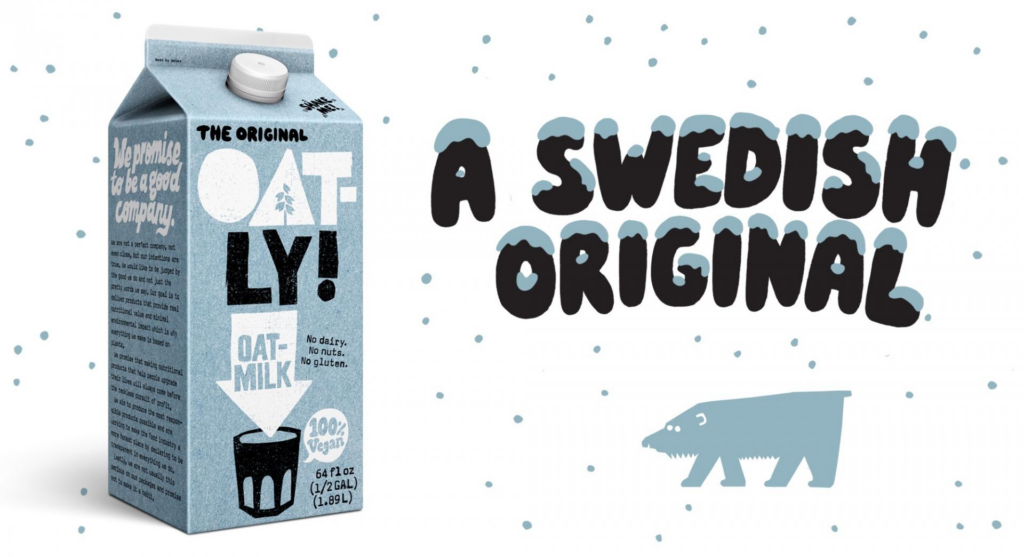
2. Oatly (Plant-based Milk)
Differentiation & Innovation: Oatly is one of the more recognized plant-based milk brands, but it stands out in the crowded market for its creative approach. The company focused on a high level of transparency with quirky, fun branding and an innovative oat-based milk product that emphasizes sustainability.
Impact: The use of oats instead of almonds or soy and the bold marketing messaging helped Oatly carve out a niche among health-conscious and eco-aware consumers, despite facing competition from larger dairy alternatives.
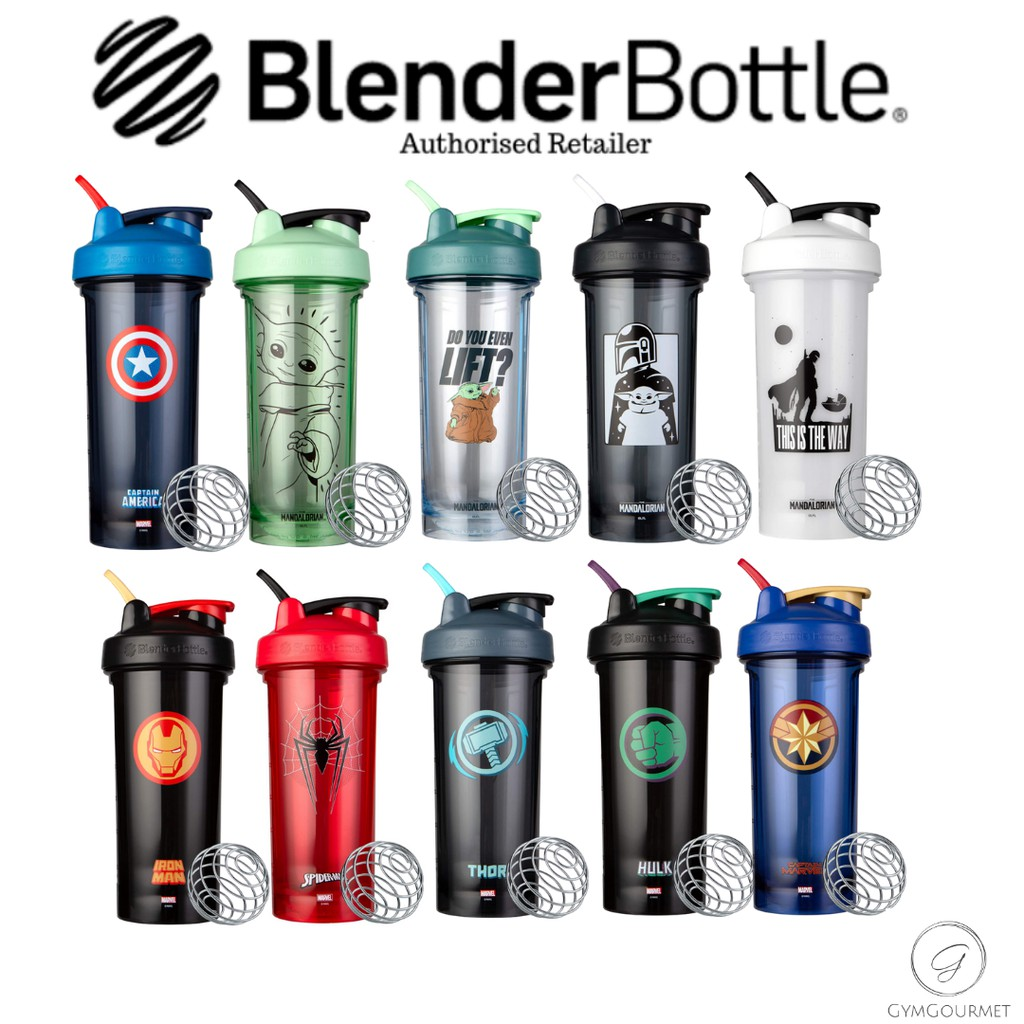
3. BlenderBottle (Fitness & Lifestyle)
Differentiation & Innovation: This brand revolutionized the way fitness enthusiasts mix their protein shakes. While there were plenty of shaker bottles on the market, BlenderBottle’s design incorporated a patented whisk ball that improved mixing consistency. Additionally, the brand created a highly functional, portable product that catered to active lifestyles.
Impact: Though not a mainstream giant, BlenderBottle became a beloved brand in the fitness space, thanks to its functional innovation, which helped build a strong following among gym-goers.
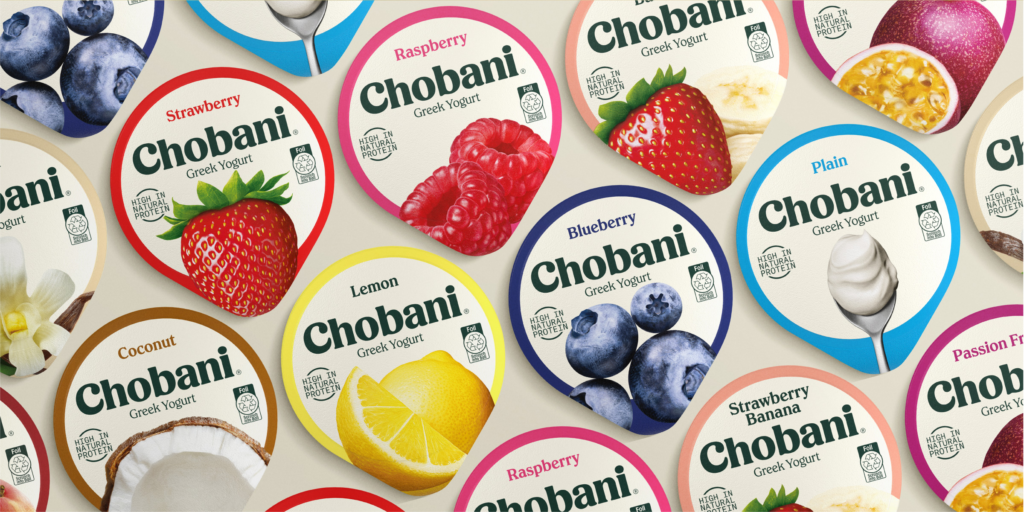
4. Chobani (Greek Yogurt)
Differentiation & Innovation: While Greek yogurt was already popular in some areas, Chobani turned it into a mainstream product in the U.S. by introducing a new take on the category. They innovated with flavors, packaging, and marketing strategies that made Greek yogurt seem both exotic and accessible.
Impact: Through product differentiation in the crowded yogurt market, Chobani grew to become one of the top players in the space, though it was a smaller, niche brand in the early years.
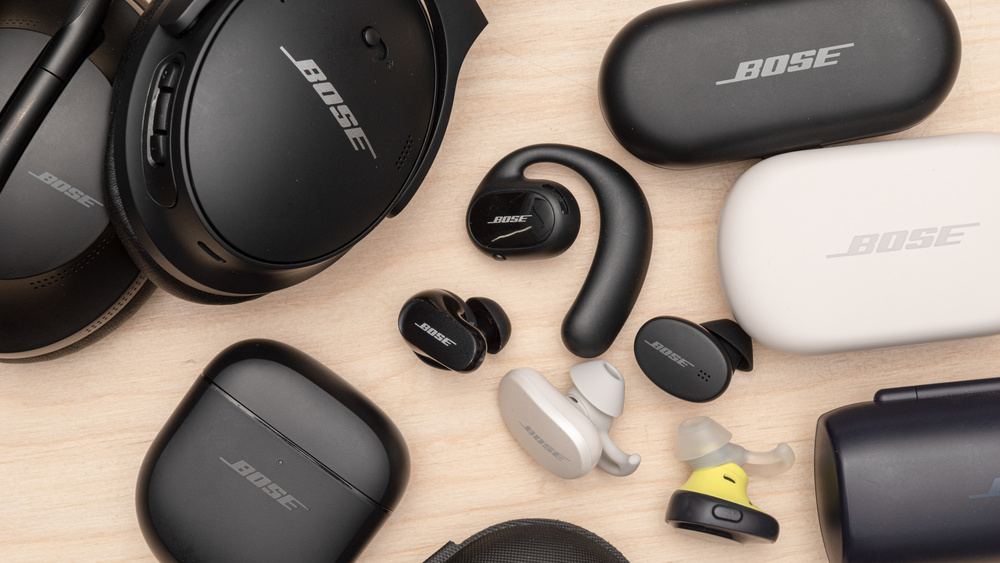
5. Bose (Audio Equipment)
Differentiation & Innovation: While Bose is more well-known, it was once considered a niche player in the audio market. The company became known for its noise-cancelling technology, which was groundbreaking at the time, and its premium sound quality in both speakers and headphones.
Impact: Bose’s technological innovation and superior sound quality helped it differentiate itself in a market that included much larger players like Sony. It built a loyal customer base among audiophiles and professionals seeking high-quality audio.
6. Allbirds (Sustainable Footwear)
Differentiation & Innovation: Allbirds used natural, renewable materials like merino wool and eucalyptus tree fiber to create shoes that are both sustainable and comfortable. They focused on simple designs and a commitment to transparency about their materials and supply chain.
Impact: Allbirds differentiated itself in the footwear market by focusing on sustainability and comfort, appealing to eco-conscious consumers despite being a relatively niche brand in the early stages.
Conclusion
In conclusion, product differentiation and innovation are powerful tools that allow brands, regardless of their size or popularity, to establish a unique position in the market. By offering something distinct—whether through design, technology, sustainability, or consumer experience—these brands have succeeded in creating a strong identity and building loyal customer bases. Even in highly competitive industries, standing out through innovation can turn a niche brand into a market leader, proving that success doesn’t always require being the most famous, but rather offering something genuinely different and valuable.
A Unique Value Proposition (UVP) is a critical element in UI/UX design because it defines what makes a product stand out in a competitive marketplace. It communicates why users should choose your product over others and addresses a specific need or pain point in a way that no other competitor does. When properly integrated into UI/UX design, a strong UVP can significantly enhance the user experience, build trust, and drive engagement. Here’s how UVP plays a crucial role in UI/UX design:
1. Clear Communication of Benefits
The UVP helps clarify the key benefits of a product, guiding the design team to create experiences that directly highlight these benefits for users.
UI/UX Role: A good UI/UX design ensures that the core benefits of the product are front and center. This is reflected in design elements such as calls to action (CTAs), navigation, and content hierarchy. By making the UVP the focal point of the design, users quickly understand what the product offers and why it matters to them. The design should minimize confusion and guide users toward the value that differentiates your product.Example: On Dropbox’s website, their UVP is clearly communicated with the statement “Simplify your workflow.” This message is immediately visible and supported by simple, intuitive UI elements, making it clear what Dropbox’s core benefit is. The user flow is designed to highlight this value at each step (e.g., the simple process of uploading and sharing files).
2. Guiding Product Features and Functionality
The UVP directly influences the product’s features, helping ensure that the features designed and developed are aligned with user needs. This alignment creates a product experience that resonates more deeply with users.
UI/UX Role: In UI/UX design, focusing on the UVP means emphasizing the key features that support the value proposition. This could be done through design choices like user onboarding, feature prioritization, and ensuring features are easy to find and use. The interface should not be overloaded with features that don’t contribute to the UVP.Example: Evernote’s UVP focuses on helping users “Remember Everything.” This is reflected in its design, where all features—note-taking, organization, search, and syncing across devices—are designed with this core purpose in mind. The UI is simple, with clearly defined sections for creating, searching, and organizing notes, ensuring users can quickly find the value in the product.
3. Differentiation in a Competitive Market
A well-articulated UVP helps a product stand out in a crowded market. It conveys the unique advantages your product has over competitors, whether it’s ease of use, advanced features, customization, or cost-efficiency.
UI/UX Role: Design can emphasize differentiation by using unique visual elements, interactive features, or personalized experiences that support the UVP. For example, custom animations, bold color choices, or a particular design language can reflect the brand’s unique positioning. The UI and UX should consistently reinforce how your product is different from others in a way that’s meaningful to users.Example: Slack’s UVP is to make team communication faster, simpler, and more organized. The design supports this by providing an intuitive, chat-like interface, allowing users to quickly access channels, direct messages, and integrations—all while keeping the interface clean and easy to navigate. The distinct visual design (e.g., colorful and playful elements) helps it stand out from more traditional, business-focused tools like email.
4. Trust Building and User Confidence
A UVP is closely tied to the credibility and trustworthiness of a product. If the UVP is clear, realistic, and promises real value, users are more likely to feel confident in using the product.
UI/UX Role: The design can enhance this trust by making the user interface clean, reliable, and predictable. Offering clear feedback, intuitive interactions, and a smooth flow from one step to the next ensures that the user feels comfortable and confident in their actions. Trust-building elements such as testimonials, secure payment gateways, or clear privacy policies should also be visually incorporated into the design.Example: Airbnb’s UVP focuses on “Belong Anywhere,” offering unique and local travel experiences. Their design builds trust through user reviews, secure booking interfaces, and clear policies about safety. This reassures users that they can rely on Airbnb for both quality and safety during their travels.
5. Consistency Across Touchpoints
A strong UVP ensures coherence across all user touchpoints, including mobile apps, websites, customer support, and marketing materials. Consistency in how the UVP is represented in design creates a seamless experience and reinforces the product’s promise.
UI/UX Role: UI/UX design ensures that the UVP is consistently communicated across all screens and platforms. Whether users are interacting with a product via a mobile app or desktop website, the design should make sure the UVP is present in every interaction and aligned with the user’s journey.Example: Apple’s UVP is centered around the premium, seamless experience of their devices. The design of Apple products—whether on an iPhone, MacBook, or in-store—always reflects this message with minimalist design, smooth transitions, and intuitive interactions that emphasize the premium user experience.
6. Simplifying the Decision-Making Process
A strong UVP helps users make decisions more quickly by showing them the most relevant information right away, which speeds up their journey to conversion (e.g., sign-up, purchase, or other key actions).
UI/UX Role: In UI/UX design, this is achieved through clarity and simplicity. A good UVP should be showcased prominently in the hero section of a webpage or first screen of an app, so users immediately understand why they should continue exploring the product. Additionally, design elements such as progress indicators or easy-to-understand CTAs help users make decisions without feeling overwhelmed.Example: Dropbox’s sign-up page showcases the UVP (“Simplify your workflow”) with a minimalist design and clear CTAs. The design eliminates distractions, making the path to sign-up very straightforward.
7. Enhanced User Retention and Engagement
A UVP that is deeply ingrained in the UI/UX design not only attracts users but also keeps them engaged by continually reminding them of the value they’re receiving. A strong UVP encourages users to return to the product because it consistently addresses their needs in a way that’s unique and impactful.
UI/UX Role: Good design ensures that the UVP is consistently reinforced through visual feedback, personalization, and easy navigation. Whether through notifications, reminders, or a personalized dashboard, the UI keeps reinforcing the core value of the product.Example: Spotify’s UVP revolves around personalized music recommendations and easy access to music. Their design focuses on creating a personalized listening experience, with features like Discover Weekly and Daily Mixes that keep users coming back, as the app constantly delivers new and tailored content based on their preferences.
8. Emotional Connection
A UVP is not just about features and benefits—it’s also about the emotional connection the product establishes with the user. When a product speaks to users’ emotions or aspirations, the design can further enhance that connection.
UI/UX Role: In UI/UX design, creating an emotional experience is about making the interface appealing, engaging, and delightful. The choice of colors, animations, and overall aesthetic can help users connect emotionally with the product and its value proposition.Example: Headspace, the meditation app, has a UVP centered around mental well-being and mindfulness. The design uses soothing colors, simple animations, and a calming aesthetic that reinforces the product’s promise of relaxation and mental clarity.
Conclusion: UVP as the Foundation for Meaningful Design
The Unique Value Proposition is integral to UI/UX design because it directly influences how a product is perceived, interacted with, and utilized by users. A UVP ensures that design decisions are focused on highlighting and delivering the core benefits users expect, which leads to better user engagement, trust, and retention. When a UVP is well integrated into UI/UX, the product becomes not just a tool, but a solution that clearly communicates its value to users at every touchpoint.
Product strategy and business strategy are closely intertwined, especially when it comes to product design. Both strategies must align to ensure that a product not only solves a user problem but also drives the company’s broader goals, growth, and long-term success. Here’s a breakdown of how these two strategies work hand in hand in shaping product design:
1. Defining Market Positioning and User Needs
Business Strategy: The business strategy outlines the company’s overarching goals, including target markets, competitive advantages, revenue streams, and brand positioning. It sets the direction for where the business wants to go and how it plans to compete.
Product Strategy: The product strategy defines how the product will support and align with the business goals, emphasizing how it will meet specific user needs and stand out in the marketplace. This strategy determines the product’s key features, design principles, and positioning within the market.
How They Work Together: The business strategy identifies the target audience, customer segments, and market positioning. The product strategy takes this information and translates it into actionable design decisions, ensuring the product resonates with the identified market. For instance, if the business strategy aims to enter a new market, the product strategy will adapt the design to cater to that specific user base, creating features and interfaces that appeal to their preferences.Example: If a company’s business strategy is to position itself as a premium brand in the tech industry, the product strategy will focus on creating a high-quality, sophisticated user experience, with design elements that reinforce that premium positioning (e.g., sleek interfaces, high-end materials, or unique features that stand out from competitors).
2. User-Centric Design Aligned with Business Goals
Business Strategy: A strong business strategy will focus on growth, profitability, market share, and brand reputation. It identifies key business metrics, customer pain points, and competitive factors that drive the company’s financial success.
Product Strategy: The product strategy aims to ensure that the product solves real user problems or improves their experience while also driving revenue and customer satisfaction. This is where product design becomes crucial: the user experience should align with business objectives, such as increasing conversions, improving engagement, or driving brand loyalty.
How They Work Together: Business strategy provides the company with overarching goals, while product strategy turns these goals into user-focused features. In product design, this means creating a product that’s both useful and profitable. If the business strategy prioritizes scaling quickly in a particular market, the product design will focus on creating a simple, scalable interface that can easily be adopted by a wide range of users, encouraging rapid adoption.Example: If the business strategy focuses on customer retention, the product strategy might emphasize user-friendly designs that keep users engaged (like gamification features, personalization, or subscription models). A well-designed product that’s intuitive and rewarding to use helps reinforce business goals like loyalty and lifetime value.
3. Innovation and Differentiation
Business Strategy: For a company to be successful, its business strategy should include innovation as a competitive advantage. This could involve entering new markets, offering unique features, or creating new product categories. Business strategy drives the decision-making process regarding which areas of innovation to prioritize.
Product Strategy: The product strategy then focuses on how to incorporate innovative features into the product’s design. This involves balancing cutting-edge technology with user needs and ensuring that new features are both usable and desirable to the target audience.
How They Work Together: The business strategy guides the direction of innovation (e.g., AI integration, sustainability, or customizability), while product strategy ensures that those innovations are translated into seamless user experiences. Disruptive product designs often emerge from a deep alignment between both strategies, where a business identifies a unique opportunity and the product design brings that opportunity to life in a way that is easy to use and value-driven.Example: Tesla’s business strategy includes disruption in the automotive industry with electric vehicles. Their product strategy focused on creating an intuitive and innovative design (e.g., touch interface in cars, self-driving features) that supports the brand’s vision. The product design wasn’t just about aesthetics; it was about integrating cutting-edge technology in a way that would appeal to both eco-conscious users and tech enthusiasts, reinforcing the company’s position as an innovator.
4. Market and Competitive Analysis
Business Strategy: A key element of business strategy is performing market and competitive analysis. This involves understanding competitors, customer needs, and market trends to identify opportunities and threats in the business landscape.
Product Strategy: The product strategy uses this market research to identify gaps or opportunities in the current market. This helps define the product’s unique value proposition and differentiators, directly influencing the design choices (e.g., a unique feature or design aspect that sets the product apart from competitors).
How They Work Together: The business strategy informs the design team about market trends, customer preferences, and competitive advantages, while the product strategy leverages these insights to design products that fill market gaps and offer something unique to consumers. Product design must continuously adapt to market shifts to maintain competitive advantage.Example: Apple’s business strategy focused on premium consumer electronics, with a strong emphasis on design and innovation. In the smartphone market, Apple’s product strategy created a sleek, minimalist design that distinguished the iPhone from competitors. By analyzing consumer behavior and competitive offerings, Apple made sure the design of the iPhone stood out as a high-quality, premium device that offered unmatched ease of use.
5. Brand Identity and Cohesion
Business Strategy: A company’s brand identity is an important pillar of its business strategy. The business strategy will define the brand’s core values, mission, and how it wants to be perceived in the market.
Product Strategy: The product strategy ensures that the product design reflects this brand identity. It creates designs that align with the company’s mission, tone, and values while providing users with an experience that is consistent with the brand’s promise.
How They Work Together: When a product is designed with the business strategy’s brand goals in mind, it reinforces the company’s identity and creates stronger connections with customers. The aesthetic design, user experience, and features must align with the brand’s core message and create an emotional connection with users.Example: Nike’s business strategy revolves around empowerment, performance, and innovation. The product strategy ensures that every design element—from the ergonomic design of sportswear to the sleek interfaces of their fitness apps—reinforces these values. The cohesive design across products builds brand loyalty, contributing to the business strategy of being a top premium athletic brand.
6. Metrics and KPIs (Key Performance Indicators)
Business Strategy: The business strategy defines the KPIs that the company will measure to track success, such as revenue growth, customer retention, and market penetration.
Product Strategy: The product strategy, in turn, ensures that the product’s design aligns with achieving these KPIs. Design decisions are made with these metrics in mind, ensuring the product not only looks good but also performs well in terms of user acquisition, retention, and engagement.
How They Work Together: Business strategy defines the goals to measure, while the product strategy focuses on designing products that are optimized to meet those goals. The product design must ensure that features are designed to encourage repeat usage (e.g., subscription models, personalized recommendations) or conversion optimization (e.g., streamlined checkout, intuitive UI).Example: Amazon has a business strategy centered around customer obsession, with KPIs focusing on customer satisfaction and repeat purchases. The product design of Amazon’s website and app is continuously optimized to simplify the purchasing process, encourage reviews, and create personalized shopping experiences, all designed to boost customer loyalty and increase revenue.
Conclusion:
The relationship between product strategy and business strategy is symbiotic. While the business strategy sets the big picture direction and overarching goals (e.g., market share, revenue), the product strategy ensures that these goals are realized through well-designed products that meet user needs, create value, and drive the company’s success. Product design serves as the bridge between these strategies, translating business vision into a tangible user experience. When both strategies are aligned, companies are better equipped to deliver products that not only delight users but also contribute to the long-term success of the business.
Product strategy plays a crucial role in shaping disruptive product design because it drives how a product evolves, responds to market needs, and differentiates itself from competitors. The alignment between product strategy and design thinking determines whether a product will truly disrupt an industry, solve problems in novel ways, and provide a better experience for users than existing solutions. Here’s how product strategy can influence disruptive design:
1. Understanding and Identifying Unmet Needs
Disruptive products often emerge from identifying unmet or overlooked needs in the market. Product strategy involves conducting thorough market research, gathering user feedback, and spotting gaps in the current offerings.
Disruptive Design Impact: A deep understanding of these needs allows designers to create solutions that radically rethink existing products or services. For instance, Spotify’s disruption of the music industry wasn’t just about offering a music player; it was about addressing user desires for ease of access to a vast library without the need for ownership. The design of Spotify’s product was driven by the strategy to offer streaming as a frictionless, user-friendly experience, which was disruptive in comparison to traditional music download models.
2. Focus on Simplicity and Accessibility
Disruption often involves simplifying complex processes or technologies, making them more accessible to a broader audience. Product strategies that emphasize user-centric design and ease of use can help make complex products approachable for non-experts.
Disruptive Design Impact: Consider Airbnb—its product strategy was to make travel accommodation as simple as possible for both hosts and guests. The design of the platform focused on a clean, easy-to-navigate interface, making it intuitive for anyone to list their home or book a stay. The disruptive element was the democratization of the lodging experience, allowing everyday people to monetize their spaces, while the product design made it accessible to anyone with a smartphone.
3. Scalability and Flexibility
Disruptive products often need to be scalable, catering to a rapidly growing user base. A product strategy focused on scalability will prioritize designs that can handle increased complexity without sacrificing the user experience.
Disruptive Design Impact: For example, Amazon started as a simple online bookstore but its strategy to scale quickly and diversify led to designing a robust platform that could handle millions of products and users. The UX/UI design was constantly updated to ensure the platform could accommodate diverse product categories, customer preferences, and growing logistical needs, from recommendations to inventory tracking. This scalability was essential in enabling Amazon’s disruption of the retail industry.
4. Iteration and Continuous Improvement
Disruptive product design is rarely a one-time achievement. A good product strategy will place a strong emphasis on iteration, meaning that products evolve based on user feedback and market demands.
Disruptive Design Impact: Facebook is a great example—its product strategy was centered on constantly iterating the design based on the needs of its users, expanding from a social platform for college students to a global network. Through user research and testing, Facebook’s design evolved to include features like the news feed, friend suggestions, and marketplace, gradually becoming an essential part of daily life. Each design iteration was directly tied to its product strategy of expanding its user base and increasing engagement.
5. Innovation as a Core Competitive Advantage
A disruptive product is often one that redefines a market, offering something new that competitors can’t easily replicate. In this case, the product strategy will prioritize innovation in design and technology, making sure the product introduces new capabilities or transforms existing ones.
Disruptive Design Impact: Tesla’s electric vehicles disrupted the automotive industry, but Tesla’s product strategy wasn’t just about creating an electric car—it was about designing innovative technology that would lead to greater energy efficiency, autonomy, and aesthetics. Their UI/UX design for the vehicle itself, especially the intuitive touchscreen interface, became a key differentiator, combining cutting-edge technology with an easily accessible user experience that was radically different from traditional car controls.
6. Democratizing Technology
Disruptive product designs often make advanced technology or services available to the mass market, often lowering barriers to access. A product strategy that focuses on affordability, accessibility, and user-friendliness can open up new opportunities for users who previously wouldn’t have been able to access such technology.
Disruptive Design Impact: Take Google Search—its product strategy was aimed at creating the most powerful yet simple search engine. It took the complex world of information retrieval and streamlined it, allowing even novice users to easily search for anything on the internet. The design was minimalistic, focusing on delivering fast results without overwhelming users with unnecessary features. This made the internet more accessible, thereby changing how people interact with information.
7. Technology Integration and Ecosystem Development
Disruptive products often involve integrating technologies or creating ecosystems that extend their functionality. A product strategy that incorporates integrations with other services or products can be a key factor in creating a compelling and disruptive user experience.
Disruptive Design Impact: Apple disrupted multiple industries, from personal computing to music, with a strategy that revolved around integrating hardware, software, and services into a seamless ecosystem. The iPhone’s design was not only about being a phone; it was about integrating apps, media, communication, and business tools into one unified device. This cohesive ecosystem was supported by a strong design philosophy that ensured a consistent, high-quality user experience across all Apple devices and services, providing disruption to how people thought about computing and media consumption.
8. Brand Identity and Emotional Design
A disruptive product doesn’t just solve problems; it often creates emotional connections with its users. Product strategy involves defining a brand identity that resonates with users, which can lead to loyalty and advocacy.
Disruptive Design Impact: Nike is an example of a brand that disrupted the sportswear market by designing products that went beyond function and became part of an emotional experience for consumers. The Nike+ ecosystem (integrating products with fitness tracking apps and devices) was designed with the strategy of turning athleticism into an identity. This emotional connection was reflected in the design of their digital products and apps, which kept users engaged in their fitness journey, creating a strong user community.
9. Ethical and Sustainable Design
Sustainability and ethics are increasingly becoming important factors in disruptive product strategies. A product strategy focused on ethical considerations or sustainability can disrupt industries that have traditionally been wasteful or harmful to the environment.
Disruptive Design Impact: Patagonia, for example, integrated sustainability into its product strategy, which drove its design choices—from using eco-friendly materials to creating designs meant to last longer and reduce waste. The company’s product design was disruptive to the fashion industry, which traditionally emphasized fast fashion and disposable products. By focusing on eco-conscious design and making it a key part of the brand identity, Patagonia disrupted consumer perceptions around clothing and sustainability.
Conclusion: Product Strategy as the Backbone of Disruptive Design
The core of disruptive product design lies in a strategic vision that places user needs, technological innovation, and simplicity at the forefront. Product strategy impacts how a product is conceptualized, how it evolves, and how it aligns with market demands and user expectations. Disruptive designs are usually not born out of isolated design decisions but emerge from a comprehensive strategy that blends vision, usability, and technology to solve significant problems in ways that are scalable, accessible, and emotionally engaging. Whether through simplicity, iteration, innovation, or ecosystem building, product strategy is the foundation for designing products that shake up industries and change user behavior.
What comes to your mind when you hear the word Slack?
I presume business and workplace communication. What comes to your mind when you hear the word, Discord? I guess games.
If I can bore you further with more rhetorical questions, is there a specific industry to which you can align WhatsApp, iMessage, or Facebook messenger? I supposed not. This brings up the question, what makes Discord and Slack different?
The scheme is simple – it’s the UI and UX design of the app. When you open Discord, you don’t need an additional clue to know this application is designed primarily for game enthusiasts. The app’s interface was designed with its target users, namely gamers, in mind, making it an innovation worth investing billions of dollars in. The same goes for Slack. The app’s features, interactions and user interface define the brand’s target audience, use cases and strategy to differentiate it from the competition.
When comparing Slack and Discord in terms of UI/UX design, the key difference lies in their target audiences, primary use cases, and design philosophies, which affect how the two platforms approach product differentiation and innovation.
1. Target Audience
Slack is primarily designed for business and professional communication. Its UX is optimized for productivity, with a focus on helping teams collaborate and manage projects.
Discord initially targeted gamers but has since expanded to a wider audience, including content creators, hobbyist groups, and communities. Its UX is designed to create a social, fun, and interactive environment with voice, video, and text chat functionalities.
2. Interface and Navigation
Slack:
Organized Channels: Slack’s UI emphasizes structure, with channels and direct messages taking center stage. The sidebar navigation is key here, with well-organized folders and the option to pin or highlight important conversations.
Minimalist, Professional Aesthetic: The design prioritizes clarity and productivity. It features a simple, streamlined aesthetic, avoiding unnecessary distractions, which helps maintain focus on work.
Customization: While Slack offers some customization options, such as themes, the design is relatively restrained. The goal is consistency and ease of use, not heavy personalization.
Discord:
Fluid Social Interface: Discord’s UI is much more vibrant, with more customization options, including custom themes and the ability to change channel aesthetics. This plays into the casual, personal, and creative ethos of the platform.
Server-centric Design: Discord organizes communication around servers, which function as distinct communities. Within these servers, users can create various text and voice channels, making it easier for communities to have multiple ongoing conversations in parallel.
Customization and Personalization: Discord places a strong emphasis on personalization, with users able to customize their profiles, avatars, status, and more. The design is more visually engaging than Slack’s, allowing for a high level of user-driven interaction.
3. Focus on Collaboration vs. Socialization
Slack:
Work Collaboration: Slack’s design is built for productivity—tasks, project management, integrations with work tools (Google Drive, Asana, etc.), and communication are all tightly integrated. Slack’s UX emphasizes creating a unified workspace where everything is connected and easily accessible, with clear paths for team communication.
Threads and Mentions: Slack’s thread functionality is key for maintaining organized conversations, while @mentions and notifications are designed to streamline communication and reduce noise.
Discord:
Social Collaboration: While Discord has added some work-oriented features (like integrations with GitHub, Trello, and more), it remains heavily focused on social interaction. The UX design reflects this social-first approach with emphasis on easy, free-flowing conversations, voice chats, and a sense of community.
Voice & Video Chat: Discord’s standout feature is its robust voice and video communication, making it perfect for informal meetings or casual hangouts. The design for these features is very fluid, with easy-to-access buttons for voice channels, screen sharing, and video chats.
4. Innovation and Feature Set
Slack:
Workflow Builder: A key innovation for Slack has been its Workflow Builder, which enables users to automate routine tasks and streamline processes. This is a feature aimed at improving work efficiency and enhancing team productivity.
Advanced Search and Integration: Slack’s search functionality is highly robust, allowing users to find specific messages, files, and data across channels. Slack also stands out for its deep integrations with third-party work tools and apps, such as project management tools, CRM systems, and cloud storage.
Channel-specific Design: Slack’s innovation in organizing work around channels is a hallmark of its design. Channels can be highly customized to fit the needs of a specific team, project, or topic, creating tailored workspaces that increase focus.
Discord:
Custom Emoji and Bots: Discord has led innovation in enabling fun and personalization with custom emojis and bots that help automate server tasks or add fun features like games or interactive content.
Rich Media Sharing: Discord’s chat features allow seamless media sharing (images, video, links) and have a more immersive design for games, streamers, and content creators, with features such as screen sharing, live streaming, and in-game overlays.
Live Streaming and Video Integration: While Slack has video calling, Discord took things a step further by offering low-latency live streaming for server members and integrations that allow communities to watch games together or participate in live events.
5. Notifications and Alerts
Slack:
Professional, Focused Notifications: Slack’s notifications are designed to keep users on task without overwhelming them. There’s a granular level of control over notification preferences, such as muting specific channels, only getting alerts for direct mentions, or customizing how notifications appear across different devices.
Discord:
Engaging and Fun Notifications: Discord’s notifications, by contrast, are more dynamic and customizable. Users can be notified for mentions, new messages, or even activities like voice channel activity, giving users a more interactive experience.
6. Design Approach and Responsiveness
Slack:
Slack’s design is relatively consistent across platforms, including desktop and mobile. It focuses on ease of use and scalability for businesses and enterprises. The UX is clean and offers a high level of accessibility, supporting various assistive features (e.g., keyboard shortcuts, screen readers).
Discord:
Discord’s design is equally responsive across desktop and mobile but is more visually oriented. It adapts well to both casual users and communities, emphasizing user-driven design choices (custom emojis, themes) that allow for more individual expression.
Conclusion
Slack: Best for businesses and teams where communication is primarily task-oriented and needs to stay streamlined, professional, and integrated with various productivity tools. Slack’s UX design reflects its focus on work collaboration and task management with an emphasis on clean, minimalist interfaces and a strong focus on productivity.
Discord: Ideal for community-based or social communication, with a focus on casual interactions, community building, and content creation. Discord’s UX design is more vibrant, with interactive, customizable elements aimed at fostering communication and engagement in an informal environment.
In terms of innovation:
Slack innovates through its integrations, workflow automations, and focus on creating a professional, focused workspace.
Discord shines in its flexibility, personalization, and features aimed at fostering community engagement, such as live streaming, custom emojis, and interactive bots.
Ultimately, the UI/UX design of both platforms is tailored to their respective use cases—Slack emphasizes streamlined productivity, while Discord emphasizes social interaction and creative expression.
UI and UX design is designing and improving a user’s overall experience with a product or service. It involves understanding the needs and expectations of the users, as well as researching and testing various design solutions to create a functional and enjoyable product. Killer UX design considers a user’s entire experience with a product, including usability, accessibility, and overall satisfaction with the product.
User research
UX research is critical for understanding user needs, behaviors, and preferences to inform the design and creation of a product. It centers on testing the usability of a product with real users and potential customers to identify areas for improvement. It can ensure that product vision is on the right track. Based on validated user research, companies identify ways to improve their products, meaning simplify them, add new features, or birth an entirely new product.
Microsoft effected this through multiple observations, research, and testing and redesigned the expired Internet Explorer interface to create a better experience. The new Edge is zippy, loads websites faster, and uses less RAM than Chrome.
Customer segmentation
Customer segmentation divides a target market into smaller groups based on specific characteristics, behaviors, or preferences. It can be demographic, geographic, psychographic, or behavioral. The goal is to understand better the needs and behaviors of different customer groups to provide more targeted marketing and product strategies.
Businesses can leverage UI and UX design in customer segmentation to identify new growth opportunities, develop well-targeted marketing campaigns, and tailor product development and customer support to specific customer groups. This is why Google launched YouTube Kids, adjusting its features to create friendlier UI and UX for kids. The application has default tablet views and parent control settings. If you use the original YouTube application, YouTube disables miniplay, autoplay, and other features on content made for kids.
Competitive advantage
The UX design phase often brings innovation to the product and updates it by introducing new or improved features and customization. Companies can create a competitive advantage by updating their product design to meet customers’ demands. The ultimate secret of Apple’s immense success is not releasing the latest technology nor offering a lower price, but their good customer experience, embedded in tremendous designs.
User-centered design
Companies investing in UI and UX during product innovation often achieve excellent user-centered solutions. It is why Discord has Game icons for its users and Slack uses the name acronym. It is about understanding your users and tailoring your product design accordingly. A website targeted at senior citizens may have a larger text font than conventional fonts most websites use – the same goes for users with disabilities.
Enhanced user experience
User-centered design, also known as UCD, deals with designing products, services, or systems with the end-users needs, goals, and preferences in mind. UCD is a critical approach to ensure that every developed product and service is user-friendly and meets the target audience’s needs.
The UCD process typically starts with research and analysis. This stage involves researching the needs and preferences of the end users, understanding their behavior, and the context in which they will use the product. Elon Musk practicalized through a tweet where he asked users for their top requests for Twitter. “What are your top requests for Twitter features & bug fixes? We will prioritize by the number of likes times ease of implementation,” he tweeted.