1. Promoting health and preventing disease
Empowering Self-Management: Applications that enable the tracking of symptoms or monitoring of health parameters can help individuals manage conditions better, promoting self-responsibility.
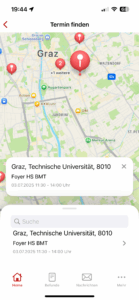
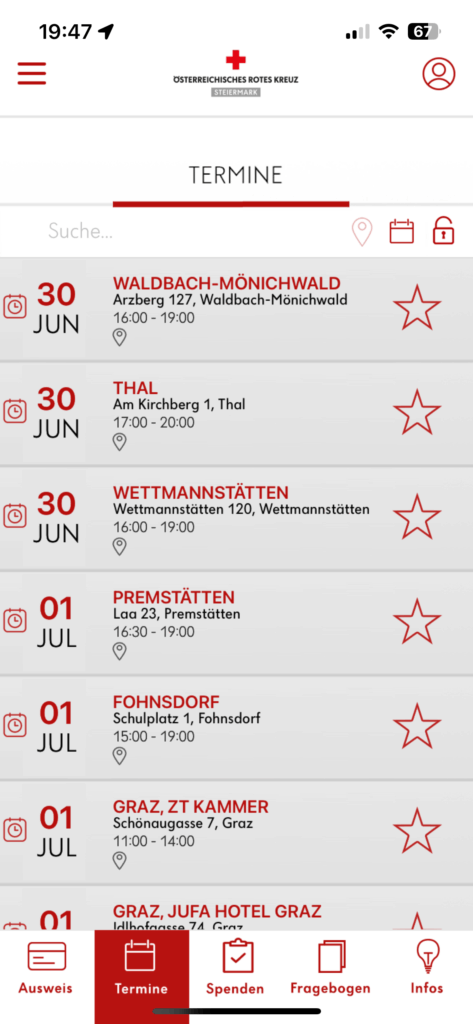
Enhanced preventative care: Digital tools can aid in informing the population about preventative check-ups and vaccinations, ideally through a central platform.
Improved coordination of care: Digital networking among healthcare providers can enhance the coordination of health measures, allowing for more holistic care that takes into account various aspects of health such as nutrition, exercise, and mental well-being.
Telehealth for wider access: Telehealth solutions offer flexible options for receiving medical support, improving care in rural areas and for those with mobility issues.
Support for chronic conditions: Digital tools can provide continuous support for people managing chronic diseases, integrating both analogue and digital services
There are different opinions about weather or not regular checkups reduce mortality rate. For example:
Women who participated in mammography screening (Duffy S. et.al. , 2020)had a statistically significant 41% reduction in their risk of dying of breast cancer within 10 years.
A study from 2021 (Liss D. et.al, 2021) did not show a reduction in mortality or cardiovascular events; however, they were linked to enhanced recognition and treatment of chronic diseases, better control of risk factors, increased uptake of preventive services, and improved patient-reported outcomes. Primary care teams can justifiably provide general health checks, particularly for populations at greater risk of missed preventive services, uncontrolled risk factors, low self-assessed health, or limited access to primary care.
2. Climate factors
Telemedicine not only cuts down on travel but can also reduce the energy and resource use of health facilities. This includes decreasing the consumption of disposable medical products and disinfectants and lowering the overall energy demands of hospitals due to fewer in-person visit.
Electronic health records conserve resources and help avoiding unnecessary or duplicate treatments and tests. While digital solutions offer climate benefits, they should not be implemented without considering access equity, digital skills, and societal values.
3. Gender, equal opportunities and inclusivity
Digitalisation and socio-economic factors: Studies indicate that individuals with higher income and education are more likely to use health apps. Also, older and unemployed individuals tend to have a lower usage of digital health offers.
Data Bias: The document raises concerns about potential gender bias in data sets, noting that women may be underrepresented or that data may lack gender breakdowns7. It also warns that AI systems may not adequately consider the anatomical and physiological needs of different genders if their data sets are biased, which could lead to inappropriate symptom evaluations and therapy.
Duffy, S. W., Tabár, L., Yen, A. M., Dean, P. B., Smith, R. A., Jonsson, H., Törnberg, S., Chen, S. L., Chiu, S. Y., Fann, J. C., Ku, M. M., Wu, W. Y., Hsu, C. Y., Chen, Y. C., Svane, G., Azavedo, E., Grundström, H., Sundén, P., Leifland, K., Frodis, E., … Chen, T. H. (2020). Mammography screening reduces rates of advanced and fatal breast cancers: Results in 549,091 women. Cancer, 126(13), 2971–2979. https://doi.org/10.1002/cncr.32859
Liss, D. T., Uchida, T., Wilkes, C. L., Radakrishnan, A., & Linder, J. A. (2021). General Health Checks in Adult Primary Care: A Review. JAMA, 325(22), 2294–2306. https://doi.org/10.1001/jama.2021.6524
BMSGPK (2024): eHealth-Strategie
Österreich. v1.0 im Juni 2024. Bundesministerium für Soziales, Gesundheit,
Pflege und Konsumentenschutz, Wien
https://www.sozialministerium.at/Themen/Gesundheit/eHealth/eHealth-in-Oesterreich.html