I have looked at the different phases of learning to read: from the logographic phase (recognize words as pictures), to the alphabetical phase (letter-sound-recognition) and orthographic phase (automatic word recognition). Especially relevant for kids, who are wanting to learn how to read, are phonological awareness, decoding and fluidity in reading. I researched which typefaces could be more suitable than others, e.g. Grundschrift or Comic Sans. I also found out that illustrations are not only decorative but help kids understand the storyline better, train vocabulary and help motivate the kids. Additionally I tried to look beyond the type systems that are common in my daily life and made a pit-stop on how to read in other systems like Chinese or Arabic and e.g. what role reading directions could have.
Experiments I planned:
Unreadable Fonts: Different letters that could look alike in fonts are tested in different typefaces and distorted with a blur to test letter recognition in these typefaces
Unreadable Stories: An ongoing story is being told in different typefaces and sizes.
Spacing: The same sentence is written in different Kerning and Spacing.
Storytelling through pictures: Disconnecting a story from its illustrations could show how important an illustration could be.
Storytelling through the words itself: Taking the story out of the context of the finished book could also show flaws in the storyline if it cannot be reconstructed.
Let´s see how these experiments turned out throughout the weeks 🙂
After an extensive journey through the multifaceted world of early reading development, it’s time to reflect on the key insights gathered and consider where to go from here. From understanding how children learn to read to analyzing fonts, illustrations, and global teaching practices, this research has deepened my understanding of what helps young learners thrive. But there is also so much more to research.
Key Findings So Far Children progress through distinct stages—logographic, alphabetic, and orthographic—when learning to read. Each phase requires tailored support to build foundational literacy skills. Skills like phonological awareness and decoding are essential. Memory systems, such as phonological and visual memory, play significant roles in facilitating reading fluency and comprehension.
A variety of approaches, such as the Whole Word Method, Phonemic-Synthetic Method, and Syllable Method, cater to diverse learning needs. Reader-friendly fonts, like Grundschrift and Schulbuchschrift, can significantly enhance readability and motivation for young learners. Factors like x-height, spacing, and stroke width are crucial.
Also, Illustrations are powerful tools for comprehension, engagement, and vocabulary building. They support the interplay between text and images, making reading accessible and enjoyable for beginners.
An outlook on my next steps The Role of Multisensory Learning Exploring how visual, auditory, and tactile elements can be combined to support reading development as well as analyzing the impact of digital tools and apps on early reading skills and how they can complement traditional methods.
The Psychology of Reading Motivation Investigating what drives children to read and how to sustain their interest through engaging materials and activities.
Inclusive Reading Materials Developing strategies for creating resources that cater to children with learning disabilities, such as dyslexia, or those learning to read in a second language.
To enrich my research, I plan to conduct interviews and do little experiments with:
Teachers: To gather insights on effective methods and challenges in teaching literacy.
Parents: To understand how children engage with books and reading activities at home.
Children: To capture their preferences and experiences with learning to read.
Potential research questions What are the key design principles for creating child-friendly reading-learning-materials that enhance engagement and intrinsic motivation?
How does the overall design of educational materials affect early literacy development?
What is the ideal balance between text and visuals in early reading materials to ensure both are effective and not distracting?
Illustrations have always been a central feature of children’s books. For young readers, pictures do more than just decorate the pages—they play an essential role in fostering literacy and comprehension. Illustrations serve multiple functions in children’s books, making them a powerful tool in early literacy development.
The function and importance of illustrations in children’s books Encouraging Imagination Illustrations spark creativity and imagination, allowing children to visualize characters, settings, and events. This helps develop their ability to think beyond the text. For educational materials, illustrations can include interactive features such as hidden objects, labels, or patterns that encourage exploration and discussion.
Supporting Comprehension Pictures help children understand the narrative by providing visual cues. For young readers who are still decoding words, illustrations act as a guide, allowing them to piece together the story. Illustrations should be clear and not overly detailed, as too much complexity can overwhelm young readers.
Engaging Attention Bright, colorful, and dynamic illustrations capture children’s attention and make reading a more enjoyable experience. This engagement is critical for fostering a love of reading from an early age. The artistic style should resonate with the target age group. For preschoolers, bold lines and primary colors are ideal, while slightly more detailed illustrations may suit older children.
Building Vocabulary By connecting words to images, children can expand their vocabulary. For example, a picture of a cat next to the word “cat” reinforces the association between the word and the object. Pictures should complement the text rather than distract from it. They should be positioned strategically to reinforce the words on the page.
The interaction between image and text in reading comprehension The relationship between illustrations and text is vital for developing reading comprehension. Here are some ways they work together:
Bridging the Gap: For early readers, images can fill in gaps when they encounter unfamiliar words. A picture of a dog wagging its tail next to the sentence, “The dog is happy,” reinforces understanding.
Encouraging Prediction: Illustrations invite children to predict what might happen next, enhancing their engagement and critical thinking skills. For example, a picture of storm clouds might prompt a child to anticipate rain in the story.
Reinforcing Memory: Visuals make stories more memorable. Children often recall pictures more vividly than text, helping them retain information and recount stories later.
Supporting Emotional Understanding: Facial expressions, body language, and color choices in illustrations help children grasp the emotional tone of the story, deepening their connection to the text.
Illustrations are far more than decorative elements in children’s books; they are a cornerstone of early literacy development. By supporting comprehension, building vocabulary, and fostering a love of reading, pictures play a vital role in helping children become confident readers. Thoughtfully designed illustrations, when combined with engaging text, create an immersive learning experience that enriches both the mind and imagination of young readers.
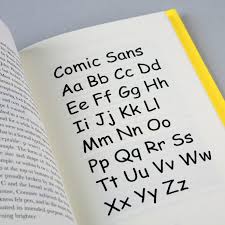
Few fonts have sparked as much debate as Comic Sans. Once a popular and approachable typeface, it eventually became the subject of ridicule and memes. However, in the context of designing child-friendly reading materials, Comic Sans might just find its redemption. Let’s explore the history of this infamous font and why it could have a renewed purpose in literacy education.
The Rise of Comic Sans Comic Sans was created in 1994 by Vincent Connare, a typographer at Microsoft. Inspired by comic book lettering, Connare designed the font to be friendly, informal, and approachable. It was originally intended for Microsoft’s “Bob” software but gained traction after being included in Windows 95 and subsequent Microsoft Office programs.
During the late 1990s and early 2000s, Comic Sans became a favorite for a wide range of informal uses—from birthday invitations to school newsletters. Its playful and casual style resonated with many, offering a stark contrast to the rigid formality of Times New Roman or Arial.
The Fall of Comic Sans As its popularity grew, so did its misuse. Comic Sans began appearing in inappropriate contexts—professional documents, gravestones, and even corporate branding. Critics argued that its whimsical appearance made it unsuitable for serious purposes.
This overuse and perceived lack of sophistication led to widespread backlash. By the mid-2000s, Comic Sans became a cultural punchline, with designers and typographers labeling it as the epitome of bad taste. Websites, memes, and even a movement called “Ban Comic Sans” emerged, cementing its reputation as the most hated font in the world.
The Redemption of Comic Sans Despite its tarnished reputation, Comic Sans has unique qualities that make it surprisingly effective in specific contexts, particularly for early readers:
Simplified Letterforms Comic Sans may never shake off its controversial reputation entirely, but in the right context, it has the potential to shine once more. For children learning to read, its clear, accessible, and friendly design can make a meaningful difference. Perhaps it’s time to give Comic Sans the redemption arc it deserves, recognizing its unique qualities as an ally in literacy education.
Dyslexia-Friendly Features Studies have shown that Comic Sans can be helpful for individuals with dyslexia. Its irregular letter shapes prevent characters from being mirrored or flipped in the mind of the reader. While specialized fonts like OpenDyslexic exist, Comic Sans remains a readily available option for creating accessible materials.
Approachable and Playful Design For young children, the informal and playful appearance of Comic Sans can make reading feel less intimidating. Its design aligns well with the needs of early literacy materials, such as storybooks, flashcards, and worksheets.
Comic Sans may never shake off its controversial reputation entirely, but in the right context, it has the potential to shine once more. For children learning to read, its clear, accessible, and friendly design can make a meaningful difference. Perhaps it’s time to give Comic Sans the redemption arc it deserves, recognizing its unique qualities as an ally in literacy education.
The choice of font plays a crucial role in how effectively and comfortably text can be read, particularly by beginners. For children learning to read, certain typographic features and design principles are essential to support their early literacy journey.
Typographic Characteristics Serifs vs. Sans-Serifs Fonts without serifs are often preferred for early readers because they have simpler shapes that are easier to distinguish. Serif fonts, with their small decorative strokes, can sometimes confuse young learners. Clear distinctions between letters such as b and d or p and q help minimize confusion. Fonts designed for early readers should avoid ambiguous letter shapes. For example, the lowercase l should not look like the numeral 1.
x-Height The x-height, or the height of lowercase letters relative to uppercase letters, significantly affects readability. Fonts with a larger x-height are generally easier for early readers to process, as they provide clear differentiation between similar-looking characters (e.g., a and o).
Letter Spacing Adequate spacing between letters (kerning) ensures that characters do not blur together. This is particularly important for children who are still developing their visual discrimination skills.
Consistent Stroke Width Fonts with consistent stroke widths are easier for children to decode compared to fonts with dramatic variations.
Fonts that are visually appealing and tailored to children’s preferences, such as playful or colorful designs, can make reading feel like a fun and engaging activity. Reader-friendly fonts help reduce errors and misunderstandings, boosting children’s confidence and encouraging them to keep practicing.
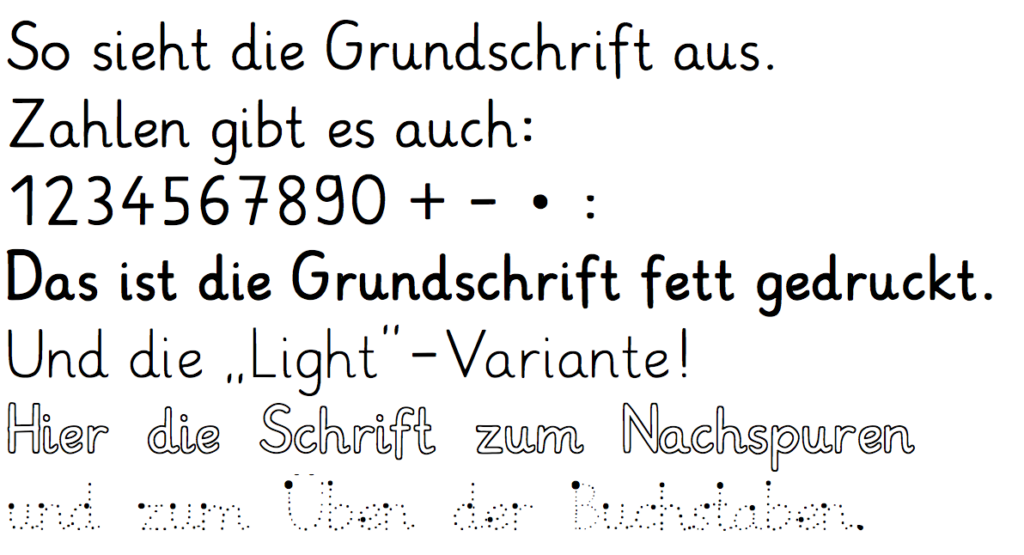
Grundschrift is designed to mimic handwriting, providing children with a natural transition between printed text and their own writing. It features clear, simple letterforms with sufficient spacing and a focus on uniformity.
Reading is a universal skill, yet the way it is taught can vary significantly depending on the language and script in question. While many are familiar with how reading is taught in Latin-alphabet-based languages, such as English or Spanish, the methodologies for teaching reading in non-Latin script languages are equally fascinating and diverse.
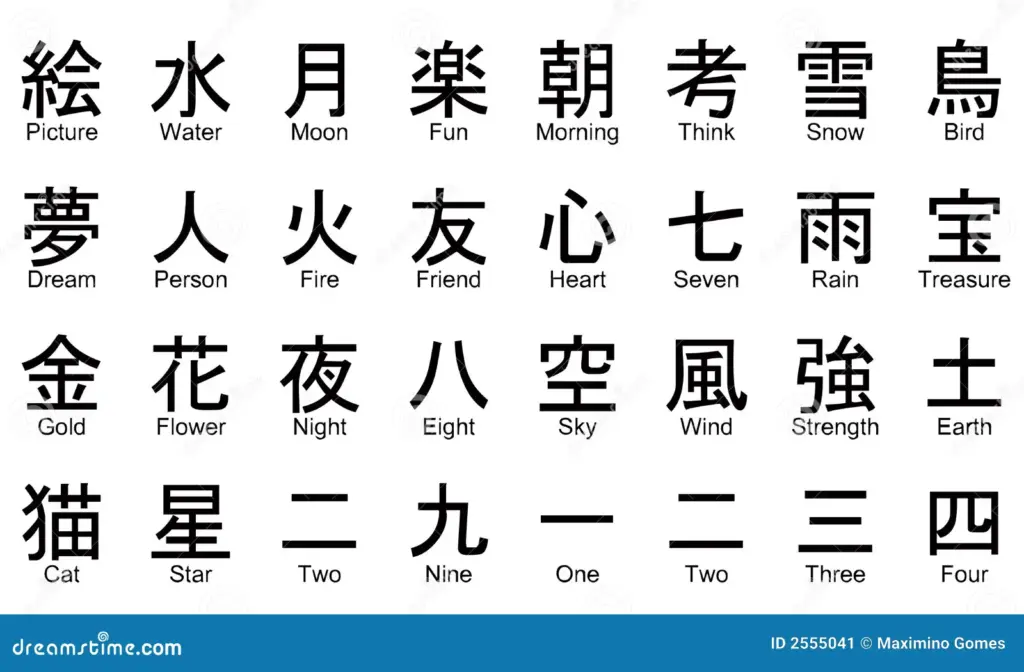
For example: Chinese is one of the most widely spoken languages in the world, yet its writing system is fundamentally different from alphabetic systems. Instead of letters, Chinese uses characters that represent morphemes or entire words.
Logographic nature Chinese characters are logograms, meaning each character represents a meaning rather than a phonetic sound. Teaching children to read involves memorizing thousands of characters and understanding their meanings and pronunciations.
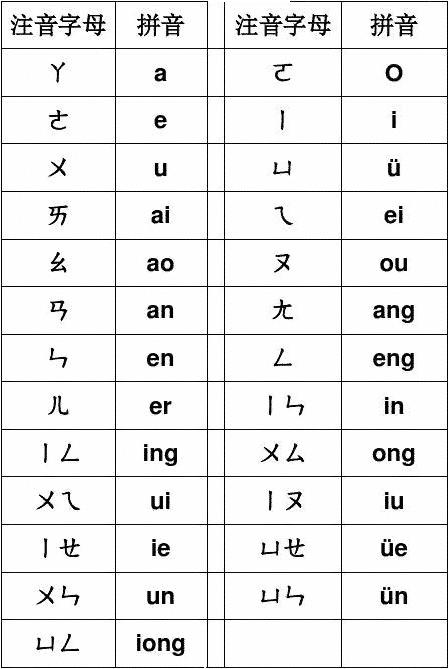
Logographic naturePinyin System To support early learners, Mandarin utilizes Pinyin, a romanized system that teaches the phonetic sounds associated with words. This acts as a bridge to help learners connect spoken and written language to sound words out before they master characters.
Learning to read and write in Chinese often involves understanding the stroke order and the composition of characters, which are made up of radicals that hint at meaning or pronunciation.
Different Reading Directions Across Languages One of the fascinating aspects of global reading practices is the variation in reading direction, which shapes both cognitive processes and instructional strategies:
Left to Right: Languages like English, Spanish, and Russian are written and read from left to right, which is the most common reading direction worldwide.
Right to Left: Languages such as Arabic, Hebrew, and Persian are read from right to left. This requires readers to adapt their visual and cognitive orientation to process information differently.
Top to Bottom: Traditional Chinese and Japanese texts were historically written and read vertically, from top to bottom and right to left. While horizontal text is now more common, traditional formats are still used in certain contexts, such as literature or calligraphy.
Choosing a topic for any significant project, whether it’s a master’s thesis or a creative endeavor, is often deeply personal. For me, the inspiration came from a unique and cherished experience: babysitting a little girl from the age of six months until her current age of eight years. Watching her grow and develop has given me a profound appreciation for the early stages of learning, especially the pivotal process of learning to read. Especially during the COVID lockdowns in 2020, I spent a huge amount of time with her. Both the parents had to keep working as essential personnel and I split my time between online studies and going to their house to babysit. I witnessed her first words, her first attempts to recognize letters, and her eventual transition to reading full sentences with confidence. Through every stage, I saw how critical the early years are for laying the foundation of literacy skills. Especially for a kid that is raised bilingual. I saw firsthand how challenges in reading could lead to frustration but also how the right tools, encouragement, and patience could foster excitement and growth.
At the heart of my research and effort lies a clear goal: to create meaningful, effective learning materials for preschoolers. I aim to combine my personal experience with rigorous academic research to design tools that are engaging, developmentally appropriate, and inclusive. Here’s what I envision as the outcomes of my work:
Developing interactive learning materials Preschoolers learn best when they’re having fun. I plan to create interactive and visually engaging materials that captivate young minds. These tools will incorporate storytelling, colorful illustrations, and hands-on activities to make the learning process enjoyable and effective.
Promoting a love for reading Ultimately, I hope to spark a lifelong love for reading in children. By creating materials that celebrate curiosity, imagination, and discovery, I want to show that reading is not just a skill but a gateway to endless possibilities.
This picture was included with the permission to share it on this site alone. Do not use in any other context.
Learning to read is a crucial milestone in a child’s development and forms the foundation for lifelong learning. To support children successfully, various didactic approaches and methods have been developed. In this article, I will provide an overview of the most common methods of teaching reading and their practical applications.
1. Whole-Word Method The whole-word method focuses on recognizing words as whole units, similar to visual symbols. Children learn to identify high-frequency words quickly through repetition and associations. This method is particularly suitable for early learning stages to create a sense of achievement. Criticism includes limited ability to decode unfamiliar words.
2. Phonemic-Synthetic Method This method emphasizes the relationship between letters and sounds. Children learn to translate letters into sounds and combine them into syllables and words. This systematic approach is especially effective in developing a deep understanding of the alphabetic principle.
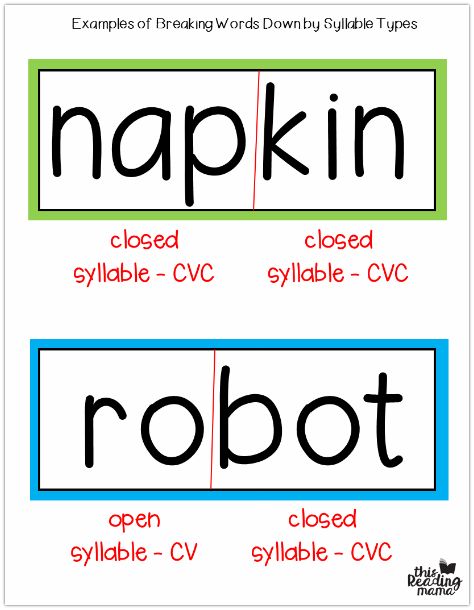
3. Syllable Method The syllable method relies on teaching syllable structures as the building blocks of reading. By focusing on syllables, the complexity of words is reduced, which is particularly helpful for multisyllabic words. This method has proven especially effective for children with reading difficulties.
Reading fluency and text comprehension are two essential aspects of the reading process. But how can children be supported effectively in developing these skills? Reading Aloud: Regular reading aloud improves pronunciation and helps increase reading speed and accuracy. Paired reading, where a child and an adult take turns reading, is a particularly effective method. Repeated Reading: Reading the same text multiple times builds confidence and speed. This method is especially effective for fostering the automation of word recognition. Comprehension Strategies: Encourage children to ask questions, make predictions, and summarize the content in their own words.
The process of learning to read is complex and involves a variety of cognitive mechanisms that interact with each other. Key components include phonological awareness, decoding, and the roles of phonological and visual memory. These components are central to many theoretical models, such as the Simple View of Reading by Gough & Tunmer (1986), which describes reading as a combination of decoding and language comprehension.
Phonological awareness This is the ability to recognize and consciously manipulate the sound structure of language. It includes identifying syllables, rhymes, and individual sounds (phonemes) in spoken words. Children need the ability to break spoken language into its sound components to understand the principle of letter-sound correspondence. Activities like syllable segmentation and phoneme analysis help to foster this ability.
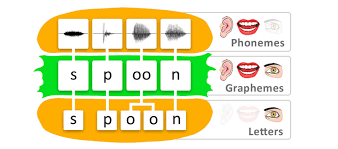
Decoding Decoding refers to the process of translating written letters (graphemes) into their corresponding sounds (phonemes) to read words. It is one of the first skills acquired when learning how to read. Decoding is essential for reading new and unfamiliar words. It requires precise knowledge of letter-sound correspondences and the automatic application of these rules. Words can be decoded phonologically by decoding individual letter-sound correspondences. Frequently encountered words are recognized as whole units without decoding as they are stored in our memory.
The role of phonological memory Phonological memory is a component of working memory that allows for the short-term storage and processing of speech sounds. It enables the retention of letters and sounds in working memory to combine them into words. It supports the ability to read longer words and process multi-syllabic words.
The role of visual memory Visual memory is the ability to store and recall visual information, such as the shapes and structures of letters and words. It plays a crucial role in the automatic recognition of words. Decoding and visual memory go hand in hand. Once the same word has been decoded time and time again, it turns over to visual memory and we start recognizing the words just by the shapes of every letter in the word.
In conclusion: Learning to read requires the collaboration of various cognitive processes: Phonological awareness and decoding are essential for understanding the alphabetic principle, while phonological and visual memory play key roles in processing and storing information
Children learn to read in distinct stages that reflect the development of their ability to translate written symbols into spoken language. These stages build upon one another, with each child progressing at their own pace. The developments are not linear. Sometimes kids also go back in a stage when they encounter new vocabularies and they should be supported accordingly. Based on the german developmental psychologist Uta Frith’s model (1985), three central stages can be identified: the logographic, alphabetic, and orthographic phase.
1.Logographic Phase In this early stage, children recognize words and letters primarily through visual cues, much like identifying pictures or symbols. They rely on visual features such as the length of a word, the shape of certain letters, or logos to identify familiar words. There is no real connection between letters and sounds at this point. Mostly, they recognize specific words because they remember what it is. For example they recognize the milk carton in comparison to orange juice cartons. They seem to read the word “milk” but usually they just remember the basic information of the product. This stage is typical for preschoolers and early readers. Encouraged through visual recognition activities (e.g., flashcards, pictograms, memory cards etc.). Focus on frequently used words or personal names (e.g. writing their own name and “reading” it back).
Source: https://1800lionlaw.com
2.Alphabetic Phase In the alphabetic phase, children begin to understand the relationship between letters (graphemes) and sounds (phonemes). A letter is not always spoken in the way it is written. For example in Spanish sounds are really dependent on the following letter combinations, which could change the pronunciation. They learn to decode words by blending sounds (synthetic reading). Recognizing new words increasingly involves applying letter-sound rules. A child sees the word „cat“ and pronounces it by connecting the individual letters c-a-t. This stage typically corresponds to the start of formal reading instruction (around first grade). Methods like syllable reading and phonological exercises help children internalize the letter-sound principle. Additionally, in this stage, challenges can be addressed with targeted interventions for children with dyslexia.
3.Orthographic Phase In this phase, children increasingly recognize words automatically, without decoding each letter. They internalize orthographic patterns and rules, allowing them to quickly identify word components (morphemes) or familiar words. Spelling and reading fluency improve significantly during this stage. They get better at reading words instantly without spelling it out, as they recognize known structures. Finally they arrive at the known phenomenon that they can read word “automatically”, without having to read the full word.* This phase usually occurs in late elementary school or later, as children develop a broader vocabulary. Reading comprehension and fluency are encouraged through more complex texts (e.g., stories, factual texts) and spelling or grammatical rules.
*Die Bcuhstbaenrehenifloge ist eagl Words can resemble a colorful jumble of letters and still be readable; only the first and last letters have to be in the right place. This is due to the brain‘s ability to recognize words as a whole. This skill shows that you are a fluent reader.