Impulse #4 Harry Potter Exhibition London

While I wrote the Blogpost to the Spiderwick Books I got the idea to wrote about an other fantasy world. This Year in May I visited togehter with my sister the Warner Brothers Studio Tour in London. It’s an immersive, behind-the-scenes experience that lets you step inside the real sets, props, and artwork used to bring the Harry Potter films to life. Of course I’d love to see all the bog sets, costumes and requesites but there where also a lot of concept art and illustrations which is really intresting. That’s really interesting, and I want to record my memories in this blog article and gather further inspiration on this and, of course, share it.

A Deeper Dive at the Concept Art – My Take Away from the Tour

One of the most impressive parts of the Harry Potter Studio Tour is the huge amount of concept art and illustration work that was created for the films. Many visitors come for the big sets, but the real magic starts much earlier with the artists who imagined the world long before a single scene was filmed.

TAt the Harry Potter Studio Tour, you quickly realize that the art is not just decoration, it’s part of the story itself. The concept art, illustrations, and sketches helped the filmmakers decide how the story would look, feel, and even work emotionally.

Before a single scene was filmed, artists drew Hogwarts, Hogsmeade, the Burrow, and the Forbidden Forest. These drawings weren’t just ideas on paper they defined the tone of the story.

  • A dark, twisted sketch of the Forbidden Forest tells you it’s dangerous.
  • A cozy, warm illustration of the Burrow tells you it’s a safe, loving home.

By looking at the illustrations first, the filmmakers could see the story visually. It helped them decide where characters should go, how scenes should be lit, and what emotions each space should create. Concept Art is very often used to created and finally build architekture, rooms or sets. One really cool set is the tiny hogwarts castle at the end of the exhibition. Depend on when you are visiting the exhibition, there could be snow around it. What stuck in my mind is that this iconic Hogwarts castle model (1:24) was built by a team of 86 artists and crew and was used for wide exterior shots in many of the films. There were many bright windows, and I checked how many of them were installed. 2500. And thats a lot of tiny glass.

One design duo also stuck in my mind because I found their art very impressive. MinaLima designed an incredible number of props: from potion books to newspapers such as the Daily Prophet to candy wrappers. Over 40 different editions of the Daily Prophet were created, and to make it look old, it was dipped in coffee after printing. It’s nice to see that graphic designers also have a place in such a great film project (so maybe there’s still hope). If you intrested in such Art, looked at their work it’s so inspiring and fascinating.
Creature design tells personality and story

Concept art was especially important for magical creatures. Every sketch helped the filmmakers understand how a character behaves, thinks, and feels.

For example:

  • Dobby’s sketches show him scared, happy, or mischievous. Seeing these expressions on paper first helped the filmmakers bring him to life in a way that felt real.
  • Buckbeak’s designs explored strength, grace, and fear. Choosing the right look made the story believable the audience immediately understands who the creature is without explanation.

Illustrations like these are a storytelling tool. They guide how the audience experiences characters and the world.

Art helps tell emotion and atmosphere

Every painting, drawing, and sketch in the tour contributes to the story’s mood and atmosphere.

  • Shadows, colors, shapes, and textures show fear, joy, mystery, or wonder.
  • The smallest details, like a crooked sign in Diagon Alley or a book cover in the library, make the world feel real and lived-in.

This is why illustration isn’t just “pretty art” it’s essential storytelling. The world on paper tells the audience where the story lives and how it should feel, before a single line of dialogue or special effect exists.

Illustration bridges imagination and reality

The Harry Potter films started as books, which rely on imagination. Concept art translates those imaginative ideas into something tangible. It’s the bridge between the author’s words and the visual world on screen.

Without this art, Hogwarts might look different every time, creatures could feel inconsistent, and the story might lose its emotional clarity. The illustrations give the filmmakers a shared visual language that everyone on set can understand.

Conclusion

Illustration and concept art are the backbone of visual storytelling at the Harry Potter Studio Tour. They don’t just show what things look like they shape the story, define the characters, and set the emotional tone. For anyone interested in storytelling, art, or design, seeing these sketches and paintings is inspiring because it shows how much power art has in bringing a story to life. And, of course, it’s worth it for all the wizards among you to take a day trip there and experience the feeling of living history for a day.

Impulse #3 Spiderwick

One of my favorite book series in my childhood was the Spiderwick Chronicals. Its written by Holly Black and illustrated by one of my role model illustrators Tony DiTerlizzi. Ever since I read the books as a child, I have been fascinated by his art style and the way he draws, which seems so easy and joyful at the same time. I think his art in this book was one of the reasons why I started drawing as a child and why I still love to lose myself in imaginary worlds today. I recently reread the books and remembered how much I enjoyed them, especially the illustrative narrative style.

How the Illustrations Made the Spiderwick Books so Special

The Spiderwick series is one of those children’s book series you don’t forget easily. This is not only because of the exciting story about Jared, Simon, and Mallory Grace, but also because of the illustrations that make every book feel like a little adventure. The drawings by Tony DiTerlizzi are a big reason why the series became so successful.

Why the illustrations are so important

Many children’s books have a few small pictures here and there. Spiderwick is different: the illustrations are an important part of the story. They show the magical creatures the children discover and make the world feel more real.

DiTerlizzi’s style looks a bit like old scientific sketches: detailed, careful, sometimes beautiful, sometimes a bit spooky. Because of this, it feels almost as if these creatures were actually studied and recorded somewhere

Was this a new Way of Narrative Book at this Time

Of course, illustrated books have always existed. But for older children and young teens, it was unusual to have so many pictures in a novel especially pictures of such high quality.

Spiderwick sat right in the middle:

  • more illustrations than normal novels,
  • but more serious and atmospheric than a typical picture book.

This mix felt fresh and new at the time. Another illustrated book from my childhood I can remember pretty well was Alice in Wonderland. (Maybe I should study this book at some point as well, cause there are a lot of differnt versions of it. ) But this novel was not especially for children. It was more a new way to present the classic books.

Why Spiderwick became so successful

There are several reasons I found why the series was so popular that they even made a film out of it:

1. The pictures made the story feel real

The drawings looked like they came from a real field guide about fairies and goblins. Many children loved this “found notebook” feeling.

2. The books were quick and fun to read

Each book was short, fast-paced, and exciting. The illustrations helped set the mood right away.

3. The style was perfect for the age group

Many children don’t want “kids’ books” anymore, but big text-only books can feel too difficult. Spiderwick was exactly in between.

4. The magical world felt unique

Holly Black’s ideas and Tony DiTerlizzi’s artwork fit perfectly together. The fairy world felt new, interesting, and beautifully designed.

Tony DiTerlizzi – the artist behind the magic

Tony DiTerlizzi was already known as a fantasy illustrator before Spiderwick. He loves old fairy drawings and classic natural studies, and you can see that in his art. For Spiderwick, he didn’t draw “cute” creatures. Instead, he created beings that look like they could really be hiding in the woods or the garden. This mix of fantasy and realism attracted many readers.

My Take Away

Without the illustrations, Spiderwick would not be the same. The drawings give the series its special character and played a big part in its success. They make the world feel real and alive, and they helped the books stand out from many others.

Books like Spiderwick are also the reason why I enjoy illustrated books so much. I love it when the artwork has soul and personality, just like in this series. Looking at books like these inspires me for my own creative work. They help me understand what truly works, what feels meaningful, and what makes a story stay in someone’s mind.

Impulse #2 Originality and AI

Following on from my thoughts in my previous blog post on “Sketchbook,” I looked into the topic of AI and illustration in more detail and came across Eileen Isagon Skyers’ TED Talk. I found her ideas very interesting and similar to my own, which is why I would like to share them here.

What does originality mean when machines can generate images?

That’s the question she is asking the audience. Eileen Isagon Skyers explores how AI is changing art and creativity. Her key points are:

  • Originality may now be collaborative, layered, and concept-driven rather than purely hand-drawn.
  • AI produces images that are both familiar and uncanny, blurring lines between human and machine creativity.
  • Artists working with AI often act as curators, shaping output by selecting, refining, and guiding the machine.
  • Questions arise around authorship, emotion, representation, and bias: who defines originality, and whose stories are told?

Why this matters for Illustrators

Originality in art is changing. It is not just about drawing perfectly but about showing your own voice, making choices, and putting intention into your work. Illustrators today often guide ideas and improve the results instead of creating every detail by hand. What really matters is emotion and story. AI can make pictures, but it cannot capture real experiences or true feelings. It is also very important to think about representation, to consider whose stories are shown, which visual traditions are included, and which are left out.

AI aka creative thief

When talking about the originality of AI artworks, one must of course also ask where AI gets its references from. That’s right – from all of us. Caught up in the AI and art bubble, I came across two more TED Talks that deal with precisely this topic. One by Ed Newton‑Rex on how AI “steals” creative work and another by Melody Liu on the ethics of AI art. Both show that AI can create impressive images, but it raises serious questions about originality, authorship, and fairness.

AI learns from existing artworks, often without permission. This means that styles, images, and ideas created by real human artists are used to train machines that can then produce new work. On one hand, this can inspire new creativity and speed up the illustration process. On the other, it risks taking away recognition, income, and the personal voice of artists.

Another issue is emotion and story. AI can combine shapes and colors perfectly, but it cannot capture lived experience, personal feelings, or the soul an artist puts into their work. Without that human element, art can feel empty. Finally, representation is also a concern: AI reflects the biases of its training data, so some voices and cultural traditions are left out, while others dominate.

How to protect your art

Ed Newton‑Rex also talks about how artists can protect their work from being used by AI without permission. One important step is to be aware of where and how you share your art online. Artists can use copyrights and licenses to make clear how their work can be used. Another idea is to add signatures or branding so people can see which work is original. Newton‑Rex says it’s important for artists to have a say in how their art is shared online, so they can protect both their voice and their income.

My take away

Of course, everyone knows by now that AI steals from real artists, but it’s easy to ignore and these talks really made me realize that I need to keep it in mind before posting anything online, especially on Instagram or Pinterest. My opinion on AI hasn’t really changed since my last blog post, it feels like most people talking about AI in a good way as “art” aren’t really illustrators or working artists. Still, I’m sure there are positive ways to use AI creatively without losing the soul of art, and I probably need to explore that side more. All three TED Talks I watched were really interesting and raised a lot of important questions. There are definitely many more talks out there on this topic for anyone who’s interested. I’m not sure if I want to explore this topic more deeply at this point, but maybe it could be part of a research.

Impulse #1 Sketchbook by Disney

I didn’t expect much when I turned on the Disney show “Sketchbook” but then I got completly hooked. Each episode follows a Disney artist who talks about their own story while showing how they draw a famous character. From Simba and Olaf to Mirabel from Encanto. But the best part isn’t really the drawing itself. It’s everything that happens in between the work. The stories, the emotions, the reflections on art, creativity and life of the artists.

What “Sketchbook” Is Really About

The Show isn’t like a “how to learn drawing” show or anything, its about the stories behind the drawings. You can watch how a few simple lines slowly turn into a living figure, and it becomes clear that every drawing carries a piece of the artist’s personal story.

For example, Gabrielle Salonga explains how she drew Mirabel and what it means to her to represent her Latina background at Disney. Eric Goldberg, the animator behind Genie from Aladdin, talks about how he brings humor to life through movement. It’s amazing to see how much personality and emotion are hidden in these drawings.

What Inspired Me the Most

What really touched me was how openly the artists talked about their insecurities. These are people who’ve worked on legendary films (which the most artsit can just dream of) and yet, they still admit to doubting themselves sometimes.

That hit home for me, because it reminded me on myself and the reason why I draw. Not to be perfect, but to express something real and a part of myself. To make visible what can’t be said in words or whats in my imagination. In a world of pressure and selfimprovment, you always have to remind yourself that you don’t have to be perfect. Art is not about being perfect but about the stories and personalities behind it. Most people quit because they think that they are not good enough, seeing millions and millions of perfectly beatiful drawings and artworks everyday. Especially pintrest or instagram hit me hard everytime I open the app, actually searching for inspiration but ending up in selfdoubt and an artistic crisis. In this digital and over-sharing world its hard to go back to old ways for just sit down and draw what you see or feel.

The Moment I Started Thinking About AI and Art

While watching “Sketchbook,” I suddenly became so aware of how deeply human art really is. Every line, every stroke carries emotion, intention, and soul. And to be honest, I got really sad about it. In a time where AI-generated art is everywhere – flawless, polished and absolutly perfect – this series reminded me of what AI can’t do: feel.

An algorithm can analyze, imitate and combine styles. Draw flawless, polished and absolutly perfect pictures about everything you can imagine. Of course at this point it is still making mistakes, but it will be improving in the next years and there wont be such mistakes anywhere anymore.
But this drawings can’t pour childhood memories into a line. It doesn’t know what it’s like to feel nervous before starting a new piece, or the rush of joy when a character or a imaginary place suddenly “comes to life.”

That’s what I find so sad, that with too much automation, art risks losing its emotions, its imperfections, its soul. Even when we use AI and its making a mistake, why we call it a mistake? How we can define mistake in art? Real artworks are living from this kind of mistakes. And with AI, art isn’t just losing there soul – it’s losing there imperfection. Thats what it makes them to artworks.

“Sketchbook” reminded me how much life can exist in a single pencil stroke – something no machine will ever truly replicate. And from this thought I am so inspired, that I am thinking about to use it for my masterthesis. Because the real question is: why you should draw a damn complex picture of a dragon or something else, when you just can create it within a minute and one click on the keyboard.

A New Approach Idea

I am really struggeling to find a proper Masterthesis Idea, because everything I want to do, is really hard in the implementation and in most cases don’t have a really new approach, espescially when it comes to the research. But thinking and writing about this AI topic makes me really emotinally and it’s easy to write about it. So perhaps I could use this as a new approach for my thesis. Usually I avoid every topic with AI most of all when it’s about creating illustrations with it. It makes me feel really sad and anxious. I am scared that we can’t get jobs or that art won’t be appriciated that much anymore. But (as with every problem in life) avoiding it won’t make it disappear. Maybe we as artist are in charge to find ways to live with it, perhaps even to work with it. I think I am not the only Illustrator who feels that way. And maybe right in these toughts are beginnings for new methods. How we can see AI not as threat but as allie, to make concepts more easy or use it as inspiration, basis or part of an artwork. I will think about this idea and how it maybe could be combined with my original topic.

Final Thoughts

However, back to where these thoughts are started – “Sketchbook” isn’t just a typical documentary and I can recommend it to everyone who is intresented in animation films, illustrating or the art business in general. It feels like a honest conversation between artists, full of inspiration, vulnerability and emotions.

My takeaway in one sentence:
“Sketchbook” reminded me that art is most beautiful when it has a soul and no algorithm will ever replace that.

Vertigo

When I look back at Vertigo, the project that took place as part of the Klanglicht Festival in Graz, I don’t just remember the long working days and tight deadlines, but I remember the feeling of being part of something real. Together with a Elisabeth Seiler, I had the opportunity to develop the corporate identity for Vertigo, the sound and visual project by Media, Sound and Interactiondesign realized inside the St. Antonius Church.

Real project – real deadlines

The special thing at this project was, that it wasn’t a classroom simulation. It was part of Klanglicht, a real festival with real deadlines and an actual audience. And perfectly suited as portfolio work. We were responsible for everything related to visual communication like:

  • Branding and logo design
  • Posters, flyers, and stickers
  • Wayfinding banner for the exhibition space
  • Screen animations for digital displays (in collaboration)
  • and social media content to promote the event.

The scope was huge and challenging but also incredibly valuable. It was very imporant that the design not just look “good”, but also work: it had to be recognizable, consistent, and evoke the right atmosphere while fitting into the overall Klanglicht visual world.

Atmosphere and concept

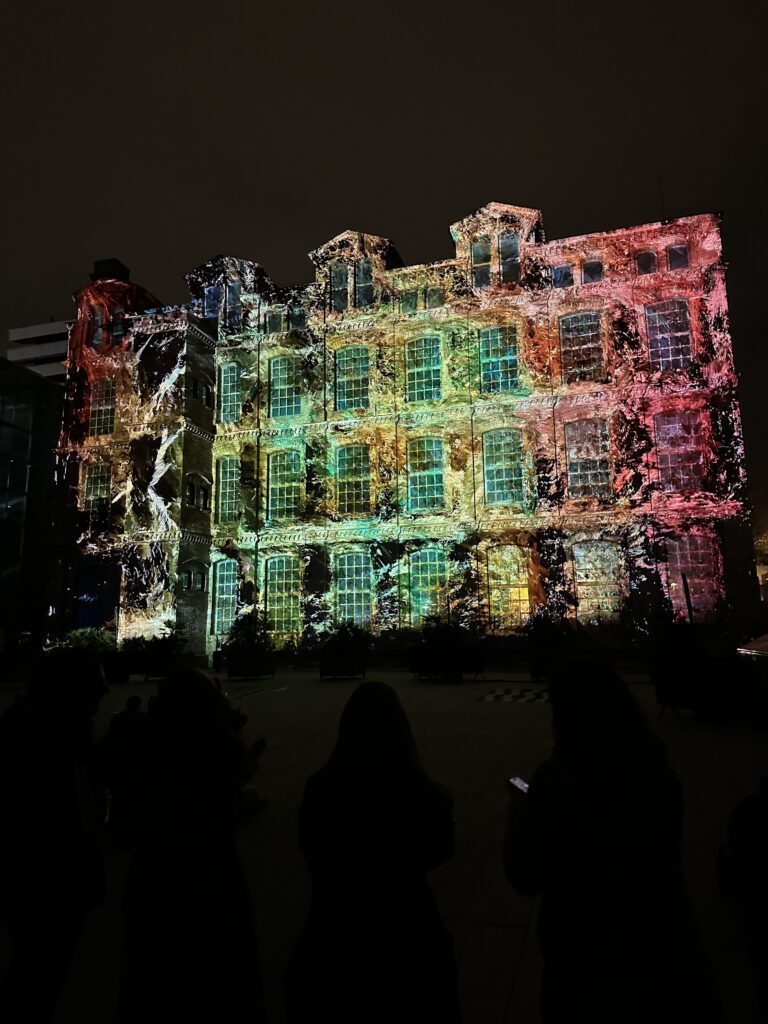
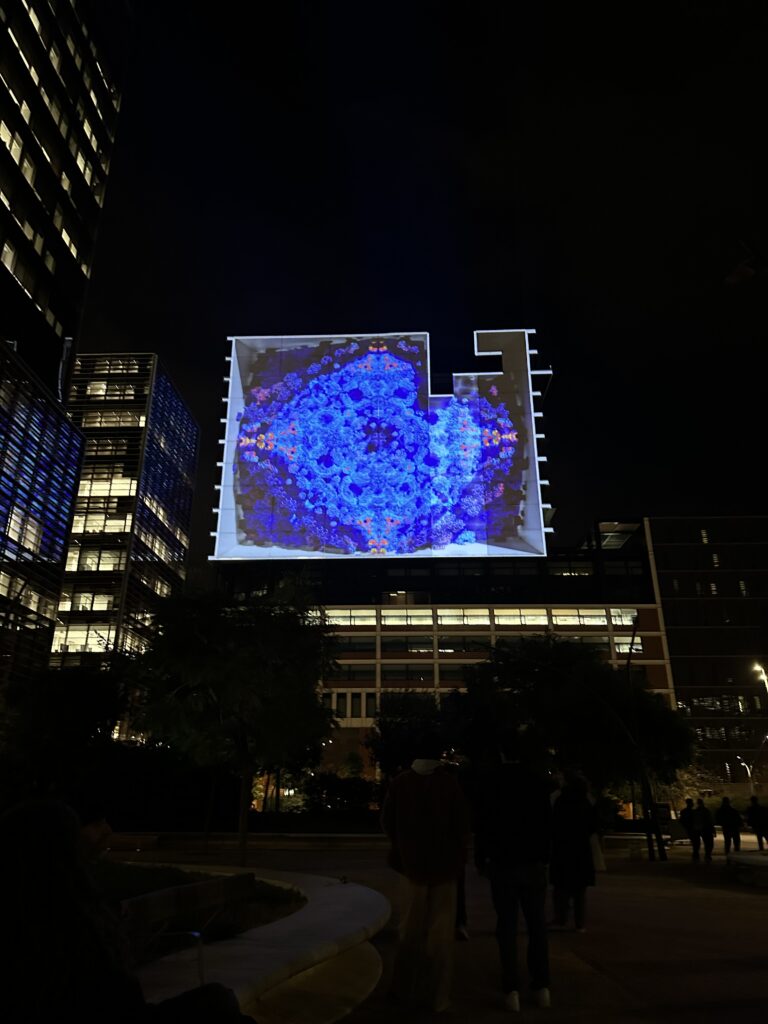
The theme Vertigo – meaning dizziness, disorientation, the play with perception and space – was something we wanted to make tangible through our design. We tried to translate this feeling visually: through sharp forms, splinter effect, and imbalances in composition. The effect, as well as the bright colors used, should also visualize the students’ project.

When we finally saw the finished exhibition in the St. Antonius Church, it was fascinating to experience how sound, light, space, and design all came together. Each installation had its own language, yet everything was connected through the shared theme.

Our Work Phase

At the beginning, we actually started with a completely different concept than the one we eventually realized. Our first idea was to work with 3D particles, animate them, and use the resulting visuals as the basis for our posters. However, it quickly became clear that the time we had was far too short for that approach. Both technically and conceptually, we just weren’t making enough progress. Looking back, I’m actually glad we decided to let that idea go, because the concept that followed fit the project so much better and felt much more authentic to both of us.

We began experimenting with splinter effects in After Effects, testing out countless colors and shapes until we found a visual language that captured the feeling of Vertigo. From there, we created the brandmark using the same visual effect and animated it to form the foundation of our entire corporate design.

Once that core was established, we moved on to the layout for posters and flyers, which had top priority. In between, we had several feedback sessions, where we refined details and adjusted compositions. After receiving final approval, everything had to move fast – printing deadlines were approaching and we only had a few days left. At the same time, we worked on banners, wayfinding elements, and animated content for social media. Toward the end, we also designed the screen visuals, which were later animated by Roman.

Finally came the setup phase. We painted the poster stands ourselves, which turned out to be a lot more work than expected, and spent the day before the festival installing everything around the church. Seeing all the printed materials in place and how they transformed the space into an exhibition atmosphere was incredibly rewarding. It was the moment when all our work finally came to life.

What I took away from this project

Even though Vertigo isn’t directly related to my planned master’s thesis, this project was very important to me. Working on it showed me how crucial a well-thought-out concept is, one that is backed by a clear idea and attitude. Working on a real project was challenging, but also extremely educational. We had to react quickly, find solutions, and still remain consistent in our design. An experience that gave me a lot of confidence.

Since I probably want to use animations in my master’s thesis, Vertigo was particularly valuable in this regard. We worked intensively with After Effects, and I was able to learn a lot, technical know-how, but also a better understanding of how movement can enhance mood and meaning. This knowledge will be enormously helpful for my future project work.

This project was a step toward professional practice, and at the same time, a creative experience that helped me grow as a designer. The process was intense and sometimes stressful, as we had very little time and the communication channels were often quite spontaneous and unstructured. Nevertheless, it was an incredibly rewarding experience, and we’re genuinely proud of the final result.

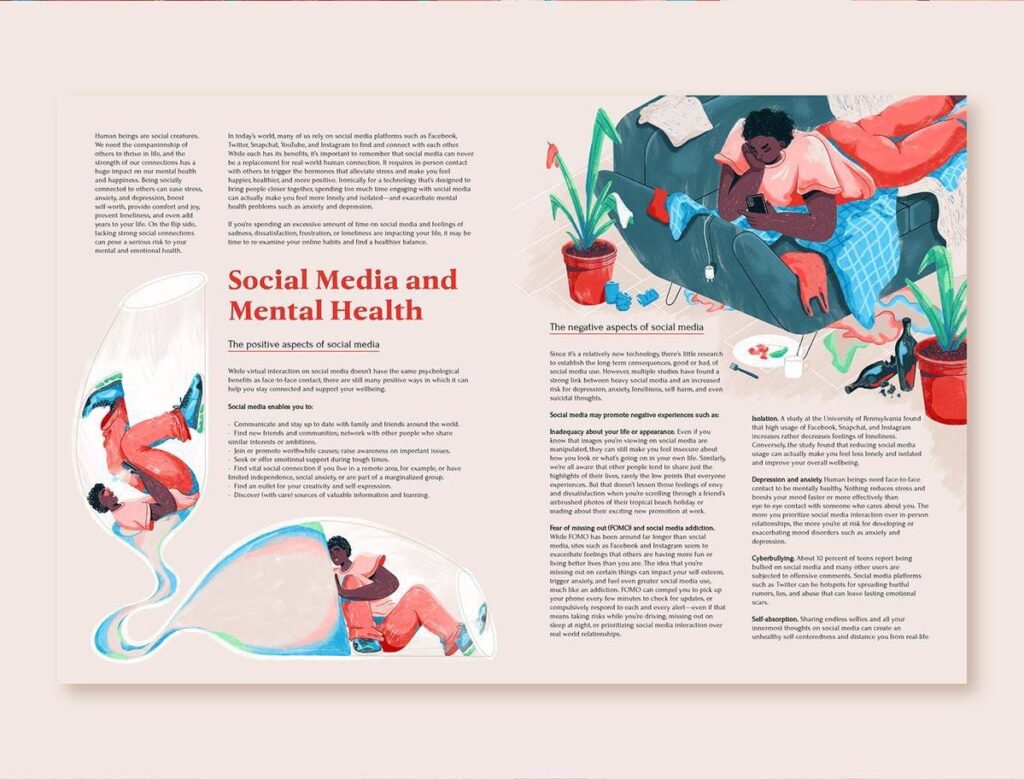
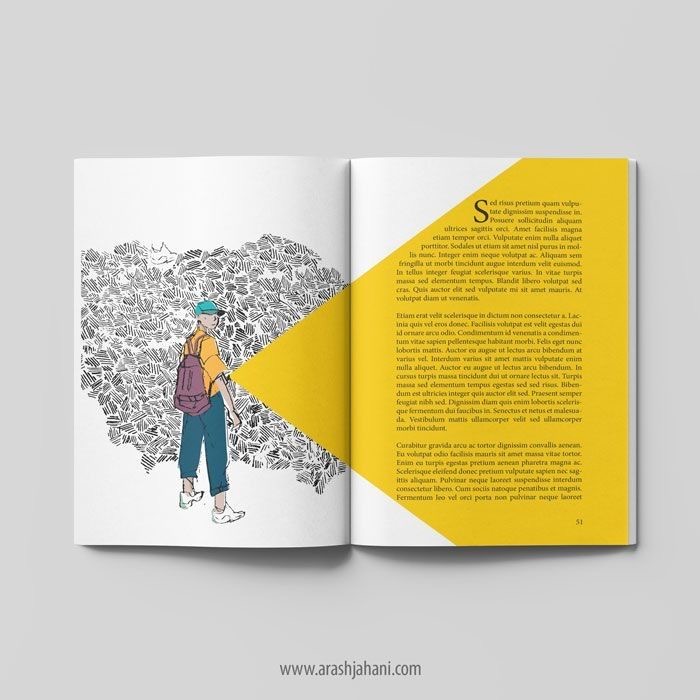
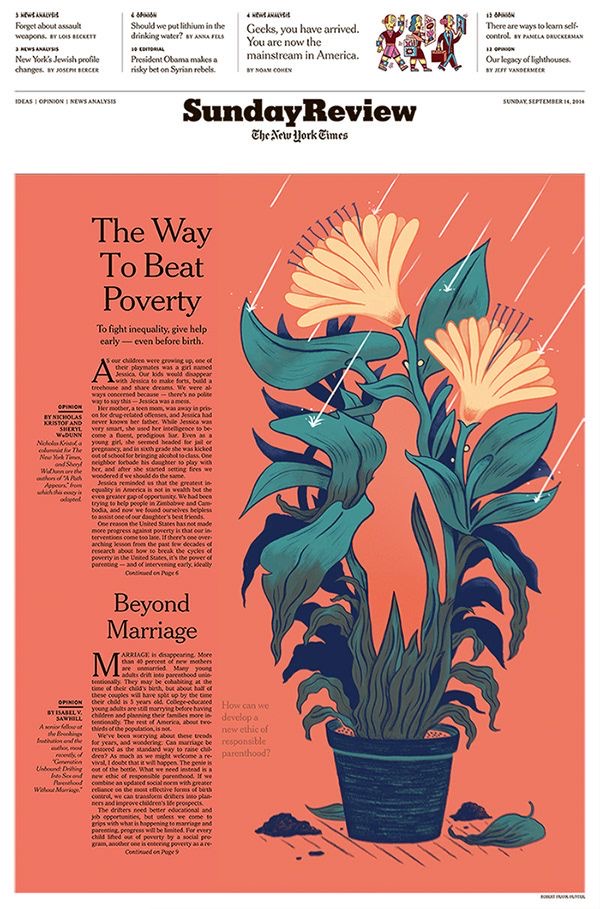
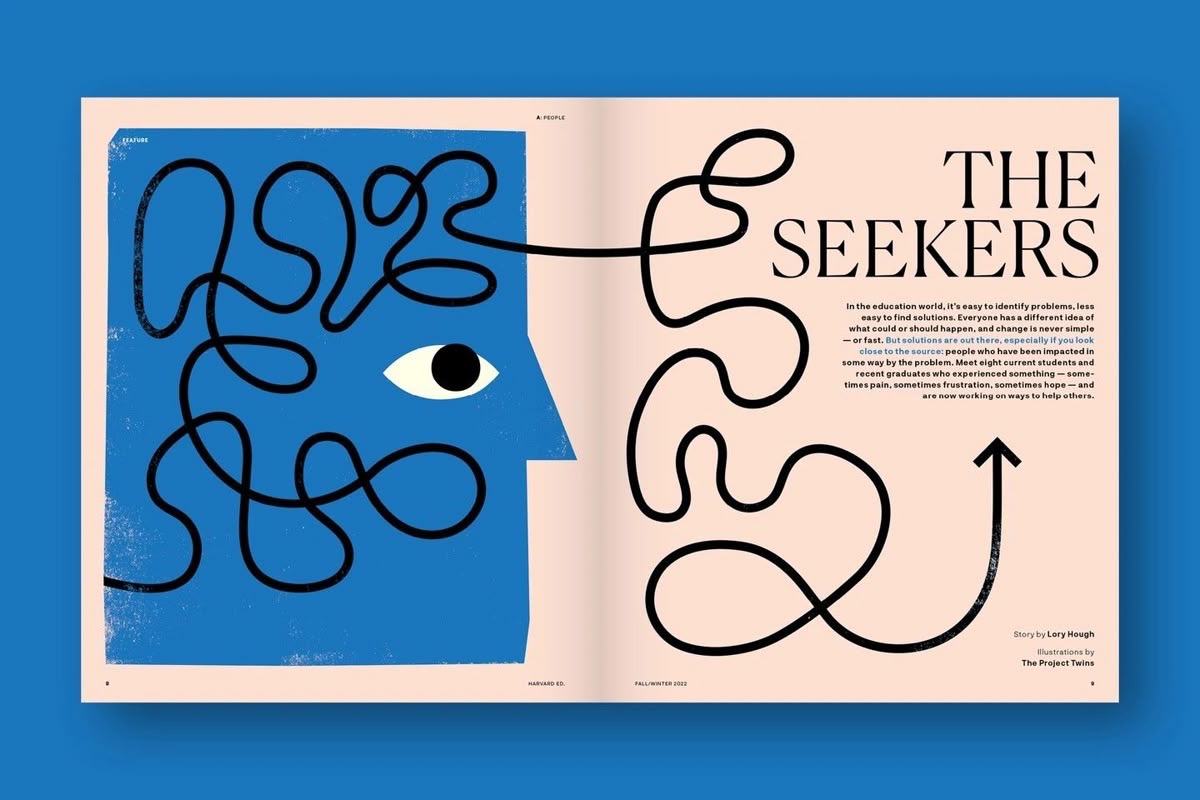
Digitale Illustration im Wandel – Betrachtung einer Masterarbeit

Titel: The Development of Digital Forms of Illustration and Their Impact on Print Publishing from 1990 to the Present, with Particular Reference to Children’s Books

Einführung

Lichiou Chens Masterarbeit untersucht die Entwicklung digitaler Illustrationsformen seit den 1990er-Jahren und deren Einfluss auf die Verlagsbranche, insbesondere im Bereich der Kinderbuchillustration. Die Autorin kombiniert Theorie mit einem praktischen Werkstück, das aus digital illustrierten Beispielen besteht. Die Arbeit ist in zwei Bände gegliedert: Der erste Band widmet sich der theoretischen und historischen Einordnung, während der zweite Band den praktischen Teil enthält. Die Aufteilung hilft, das Nachdenken über das Thema und die eigentliche Gestaltung klar zu trennen.

Bewertung nach CMS-Kriterien

1. Gestaltungshöhe – Qualität und Anspruch der Gesamtdarstellung

Die Autorin zeigt ein gutes Verständnis für die gestalterischen Möglichkeiten digitaler Illustration. Besonders überzeugend ist die Reflexion über Material und Textur im Digitalen. Die im zweiten Band präsentierten Arbeiten sind technisch gut ausgeführt, zeigen jedoch teilweise eine eher klassische Bildsprache, die an analoge Illustrationen erinnert. Der ästhetische Anspruch ist hoch, die stilistische Vielfalt hingegen etwas begrenzt.
Bewertung: 4/5

2. Innovationsgrad – Neuigkeitswert und Beitrag zum Forschungsfeld

Im Jahr 2008 war das Thema besonders aktuell, denn die Digitalisierung veränderte die Kinderbuchproduktion stark. Chen leistet dazu einen wichtigen Beitrag, indem sie den Übergang von traditionellen zu digitalen Techniken genau beschreibt. Allerdings bleibt ihr theoretischer Ansatz eher beschreibend als analytisch. Eine stärkere Auseinandersetzung mit methodischen Fragen, zum Beispiel zu etwa zu Produktionsbedingungen, hätte den wissenschaftlichen Wert noch erhöht.
Bewertung: 3/5

3. Selbstständigkeit – Eigenständige Leistung und Unabhängigkeit

Die Arbeit wirkt sehr sorgfältig und selbstständig durchgeführt. Die Autorin nutzt viele Praxisbeispiele und eigene Illustrationen, was ihre eigenständige künstlerische Auseinandersetzung mit dem Thema zeigt.
Bewertung: 5/5

4. Gliederung und Struktur – Logischer Aufbau und Nachvollziehbarkeit

Die Arbeit ist klar aufgebaut: Sie beginnt mit einer Einführung, behandelt technische Entwicklungen, zeigt Beispiele und beschreibt die praktische Umsetzung. Die Argumentation ist insgesamt verständlich, auch wenn es im theoretischen Teil manche Wiederholungen gibt.
Bewertung: 4/5

5. Kommunikationsgrad – Verständlichkeit, Ausdruck und Darstellungsweise

Die Autorin schreibt klar und gut verständlich. Fachbegriffe aus Illustration und Publishing erklärt sie, die Sprache bleibt trotzdem leicht zugänglich. Die Visualisierungen und Abbildungen sind sinnvoll eingebunden und beschrieben. Manchmal sind die Sätze etwas kompliziert und lang formuliert. Kürzere Texte hätten die Lesbarkeit verbessert.
Bewertung: 3/5

6. Umfang der Arbeit – Angemessenheit in Relation zum Thema

Die Masterarbeit besteht aus zwei umfangreichen Teilen und verbindet Theorie und Praxis gut miteinander. Der Umfang passt zum Thema und zeigt, dass die Arbeit ausreichend bearbeitet wurde.
Bewertung: 5/5

7. Orthographie sowie Sorgfalt und Genauigkeit – Sprachliche Korrektheit und formale Präzision

Die Arbeit wirkt durchgehend formal sehr sorgfältig erstellt. Quellenangaben, Zitation und Layout entsprechen den akademischen Standards.
Bewertung: 5/5

8. Literatur – Qualität, Relevanz und Vollständigkeit der herangezogenen Quellen

Chen nutzt eine gute Mischung aus Fachliteratur, Design-Publikationen und aktuellen Quellen. Es wird viel Sekundärliteratur genutzt. Eine kritischere Bewertung der Quellen hätte die theoretische Tiefe der Arbeit erhöht.
Bewertung: 3/5

Abschließende Bewertung

Lichiou Chens Masterarbeit ist eine gut recherchierte und gestalterisch überzeugende Untersuchung zur Veränderung der Illustration im digitalen Zeitalter. Die Kombination von Theorie und Praxis zeigt, wie viel man durch gestalterische Forschung lernen kann.

Stärken:

  • Illustrationen sind ansprechend und technisch gut umgesetzt
  • Arbeit ist klar strukturiert und gut verständlich
  • Thema ist relevant und praxisnah

Schwächen:

  • Theorie bleibt eher beschreibend, wenig neue Ansätze
  • Praktische Umsetzung zeigt wenig stilistische Abwechslung
  • Manche Inhalte im Text werden wiederholt

Gesamturteil:
Ich würde die Masterarbeit als eine gute und durchdachte Untersuchung zu dem Thema einstufen. Sie enthält besonders für 2008 wichitge Informationen und Beschreibungen über digitale Illustrationsformen, die zu dieser Zeit wichitg für die Buch Branche waren. Die gestalterische Umsetzung verbindet die Praxis mit der Theorie und enthält sehr gute Beispiel über die Ausarbeitung von digitalen Illustrationen.

Da sich meine Arbeit ebenfalls mit dem Thema „Illustrationen in Büchern“ beschäftigt, war es sehr interessant, mich mit dieser Masterarbeit auseinanderzusetzen und einen Einblick zu gewinnen. Besonders gelungen finde ich die Aufteilung in zwei Teile: Theorie und Praxis. Allerdings ist der theoretische Teil, da die Arbeit aus dem Jahr 2008 stammt, heute nicht mehr ganz aktuell. Er zeigt aber eindrücklich, wie wichtig der Wandel durch die Digitalisierung damals war, vergleichbar mit den heutigen Veränderungen durch KI.

Gesamtbewertung: 4/5

#10 Creative Thinking

Creativity doesn’t always come from hours of research, long deadlines, or perfectly written briefs. Sometimes, all it takes is a silly idea, a strange prompt and a timer. In a field where creative work is often associated with efficiency, target groups, and polished outcomes, it can be incredibly refreshing to intentionally do something pointless for a change. Not in spite of the silliness but because of it.

A Real-Life Example: Silly Design Sprint

At a recent event called the Silly Design Sprint (organized by a freinds of Communication Designer  Christina Lamprecht), I experienced this firsthand. Each participant received an absurd prompt  and weh ad the evening to create something creative. I created illustrations. No goal, no pressure just following the idea. And surprisingly, some of the results were genuinely good. But more importantly, it felt creatively refreshing.

That event inspired me for this blogpost and to deal more with this topic. You can see me outcomes here.

Why Absurd Tasks Unlock Creative Thinking

When we allow ourselves to dive into deliberately nonsensical or humorous challenges, we bypass one of the biggest blockers in creative work: the inner critic. That voice asking, „Does this make sense? Is this professional enough? Can I show this to someone?” goes quiet once it’s clear that this isn’t about results.

And that brings real benefits:

  • Less pressure, more curiosity:

Without expectations, we open up to playful exploration and unexpected directions.

  • Time limits spark momentum:

When you only have 30 to 90 minutes, there’s no room for overthinking. You just create.

  • Absurdity disrupts pattern:

 A weird prompt like „design the packaging for a pizza brand aimed at penguins” breaks mental routines. That’s where fresh ideas live.

Like any skill, creativity improves with training. And small, silly, time-boxed exercises are the perfect workout. They help you:

  • generate ideas faster
  •  think in concepts, not just details
  • rediscover the joy of creating (outside of pressure or purpose)

This isn’t about abandoning structure entirely. It’s about regularly creating space for creative freedom.

Conclusion: Less Sense, More Ideas

Being silly isn’t the opposite of being creative,  it’s often the shortcut to getting there. Short, absurd exercises train the creative brain and bring lightness into the process. In a world that often takes design too seriously, a little nonsense can lead to surprisingly meaningful ideas. This project really inspired me to make more stuff like this.

#9 Creating My Own Procreate Brushes

As an illustrator working digitally on my iPad, I quickly realized that the brushes you use can make or break your workflow and final style. While there are countless amazing brushes available, I wanted tools that felt truly personal and matched exactly how I like to work. So I took the plunge and started creating my own Procreate brushes from scratch, including all the textures, brush shapes, and settings.

Why Create Custom Brushes?

Using ready-made brushes is great, but sometimes they don’t capture the unique look or feel you’re aiming for. By making my own brushes, I can control every detail and develop tools that fit my drawing style perfectly. For me, the focus was on three main brush types:

Watercolor Brushes: To mimic the organic flow, blending, and subtle textures of real watercolor paints.

Colored Pencil Brushes: For soft, grainy strokes that vary with pressure and capture the tactile feeling of traditional colored pencils.

Ink Brushes: Crisp, fluid lines with just the right amount of texture and sharpness, sometimes mimicking a real ink pen or brush.

The Creation Process

I started traditionally by working with real media: painting with watercolors, drawing with pencils, and inking on paper. Then I scanned these textures and brush marks to create the texture maps and brush shapes needed in Procreate. This base made the brushes feel much more authentic and lively.

In Procreate’s brush studio, I experimented extensively with:

  • Texture behavior: Balancing randomness and stability so the brush strokes don’t feel repetitive or “stamped.”
  •  Pressure and tilt sensitivity: To allow natural variation in stroke weight and texture.
  • Blending and wetness: Especially important for watercolor brushes to simulate how paint bleeds and mixes.
  •  Spacing and jitter: To add organic feel and irregularity to strokes.

(here you can see a few examples from the pencils I created)

Putting Them Into Practice

Once my brushes were ready, I began using them exclusively in my illustrations. It’s incredibly satisfying to paint soft watercolor washes that flow naturally, add textured colored pencil details, or draw sharp ink lines that still feel hand-drawn.

This level of control lets me explore my style more deeply and brings my artwork closer to my vision.

Final Thoughts

Creating your own Procreate brushes is a rewarding journey that helps you understand the nuances of digital painting tools and develop a personal artistic voice. It can be a bit time-consuming, but the payoff is huge, both creatively and technically.

I’m happy to share my experience and use my brushes in my illustration (as you can see here).

#8 Creative Experiments: Developing Animal Characters

Whether in picture books, animated films, or comics: animal characters have always had a special place in illustration. Personally, I’ve started exploring this topic more deeply because I want to improve my skills in character design. Since illustrating stories is something I’m passionate about, learning how to develop compelling and expressive characters (especially animals ) feels like an essential step for me. Animal characters can be cute, funny, majestic, or intimidating – and that’s exactly what makes them so exciting to experiment with.

Why Animals?

Animal characters serve as projections. They allow us to express human traits in exaggerated or symbolic ways, often with more emotional distance than human figures. A fox can be clever, a bear cozy, a cat proud. These associations are culturally shaped and can be used intentionally or subverted creatively.

Experiment: Make a list of ten random animals and combine them with ten unusual personality traits or professions. What comes out of it? A shy shark, a philosophical hedgehog, a dancing seagull?

Sometimes the story comes first, sometimes the animal. When experimenting creatively, it can be fun to flip the process: Start with an animal (maybe even an unusual one) and ask yourself how it would behave in a particular role. What would a melancholic armadillo look like? Or a hyperactive snail?

Body, Shape and Silhouette

In illustration, the first impression counts. A strong silhouette tells us a lot about a character – posture, proportions, energy. With animal characters, exaggeration is your friend: A large head can seem childish and cute, long limbs can appear goofy or graceful, a round body suggests comfort.

Experiment: Sketch a range of silhouettes of the same animal with drastically different proportions. How does the personality change? Which variations spark your imagination the most?

Expression and Emotion

Animals don’t have the same facial features as humans, but to make them emotionally readable, some anthropomorphism is often necessary. The trick is finding the right balance: How much “human” does your animal character need? Big eyes? Eyebrows? A wide grin?

Tip: Observe animals in motion or watch videos. What does a suspicious dog really look like? How does a nervous rabbit move its ears?

Clothing, Accessories & Setting

Depending on the setting, an animal character may not need any clothes – or it might wear a full tuxedo. Clothing is not just a stylistic element but also a tool for storytelling. The same goes for environment: Does your character live in a fantasy metropolis? A peaceful forest? A cozy bakery?

Experiment: Take one animal character and redesign it in three different genres: Fantasy, science fiction, and Victorian drama. How does the character evolve?

Final Thoughts

Developing animal characters is a creative playground full of possibilities. There are no fixed rules – only guidelines that you can twist or break as you wish. What matters most is that your character feels alive, with quirks, edges, personality, and charm.

For this Experiment I tried to design my own Charakters and here you can see my outcomes.

#7 Creative Book Experiment

In a world where stories are often digital and fleeting, I wanted to create something that lingers not just in the mind, but in the hands. My project began with a simple but powerful question: How can a story be not only read, but felt?

The Goal: A Tangible Story

The core idea was to create a poetic experience that would stay with the reader through touch, materiality, and craftsmanship. Studies show that we remember things better when we physically interact with them , like turning pages or feeling the texture of paper. I wanted to use this principle to create a story that engages through physical experience.

Concept Development

My first concept was ambitious: a fold-out poster that would reveal more of the story as it unfolded. Movement and storytelling, combined. I planned to use linocut printing to add a textured, handmade quality to the visuals.

But concept met reality. The unfolding mechanism didn’t feel smooth, and the printing process proved too slow and unpredictable. Instead of giving up, I opened the door to a new idea: a foldable book. This format gave me more freedom, to build the story step by step, page by page, and to lean into a more personal and handcrafted approach.

From Idea to Execution

Switching to a book format was a turning point. It allowed me to pace the story naturally and gave structure to the narrative and the illustrations.

Story & Illustrations

The story began with a long brainstorming session. I knew I wanted something short, poetic, and emotionally resonant. I’ve always had a soft spot for animal stories and small, meaningful anecdotes so the story became a kind of modern fable. For the visuals, I chose ink. It offers soft lines and strong contrasts, perfect for the quiet, emotional tone of the story.

Handcrafting the Book

Every part of the book was made by hand: I cut the paper myself, bound the pages using thread binding, and handwrote the text alongside the illustrations. For the cover, I used my bookbinding skills to give the book a clean, professional look. I cut the title using my digital cutting machine.

Reflection

What began as a poster evolved into a sensory storytelling experience. Each page invites the reader not just to read, but to touch, unfold, and feel. This project taught me the power of flexibility in the creative process. Letting go of the original plan allowed me to discover something more fitting and personal. In the end, I didn’t just create a story. A quiet, tactile book that tells its tale through both words and materials. This project has inspired me to focus more on this topic in my master’s thesis and to explore the subject of haptic storytelling further.