As I’ve been thinking about maybe working as a freelance illustrator one day, I thought it could be helpful and interesting to write down what I have to know and be aware of. I love drawing and creating visuals, but I also know that being freelance can be really hard and frustrating. It’s basically running your own small company.
It’s Not Just Drawing (Sadly)
The first thing I need to understand: freelance illustration is not only about being creative.
I would have to:
- find my own clients
- manage my time
- handle money and taxes
- organize contracts
- promote myself
So it’s freedom, yes. But also a lot of responsibility.
Do I Need to Register Anything?
If I want to do this properly, I would need to register as self-employed. That usually means informing the tax office and getting a tax number. I’d also need to think about health insurance and maybe social security options for artists.
Taxes and Invoices
If I want to work as a freelancer, I would need to handle some basic tax and bookkeeping tasks (scary part):.
- Write proper invoices
Every project needs a correct invoice with all required information (my details, client details, tax number, description of the service, price, etc.). It’s important to nummerice them, it’s not allowed to change this number later!
2. Track income and expenses
I would need to document all the money I earn and all business-related costs, such as software, equipment, materials, or subscriptions.
3. Save receipts and documents
All invoices and receipts must be stored carefully in case the tax office asks for proof.
4. Set aside money for taxes
Since no employer deducts taxes for me, I would need to regularly save a percentage of my income for income tax (and possibly VAT).
Overall, it’s mostly about staying organized, keeping everything documented, and planning ahead financially so taxes don’t become a surprise (maybe it’s not as scary as I expected).
It’s all about the Money
This is something I really need to think about. At the beginning, I probably wouldn’t earn much. So I would need:
- some savings (maybe 3–6 months of living costs)
- or a part-time job
- or very low monthly expenses
Because clients don’t just appear overnight. Building a name takes time. That’s why we came to…
How Would I Get Clients?
This is probably the biggest question. Some ideas:
- Posting my work regularly on Instagram or other platforms
- Sharing my process, not only finished images
- Connecting with other creatives
- Sending my portfolio to magazines or agencies
I think consistency would be more important than being perfect.
The Pricing
When I think about different pricing models as a future freelance illustrator, I would structure them clearly like this:
1. Hourly Rate
I charge for the exact time I work on a project. This is simple and transparent, especially at the beginning. However, it doesn’t always reflect the real value of the artwork and can limit my income as I become faster.
2. Project-Based Pricing
I offer one fixed price for the entire project. This usually includes concept, sketches, final artwork, and a defined number of revisions. It feels more professional and gives both me and the client clear expectations.
3. Usage-Based Pricing
On top of the creative work, I charge depending on how the illustration will be used — for example, social media, print, advertising, packaging, how long it will be used, and how large the audience is. The bigger the reach and the longer the usage, the higher the fee.
4. Package Pricing
For branding projects or long-term collaborations, I could offer bundled services (e.g., multiple illustrations for a set price). This creates structure and can make bigger projects more attractive for clients.
Ideally, I would combine project-based pricing with usage fees, so my work is valued not only by time spent but also by impact and visibility.
Summarising in the End: How would I start?
If I really decide to try this, I would probably:
- Build a strong portfolio.
- Save some money.
- Register as self-employed.
- Start small maybe alongside a part-time job.
- Slowly build an online presence.
- Learn about pricing and contracts.
People, who‘ve gone through
And at the end of this blogpost I want you to show a few examples of freelance illustrators. I love their work and maybe theirs is something that inspires you as well.
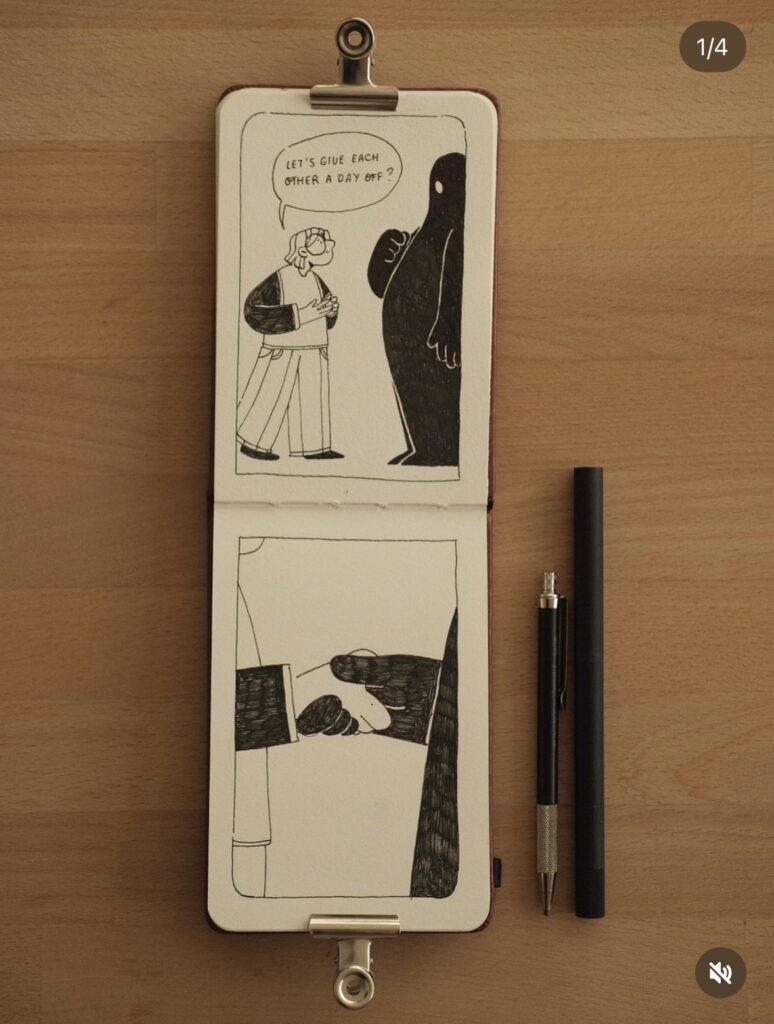
Julia Vanderbos
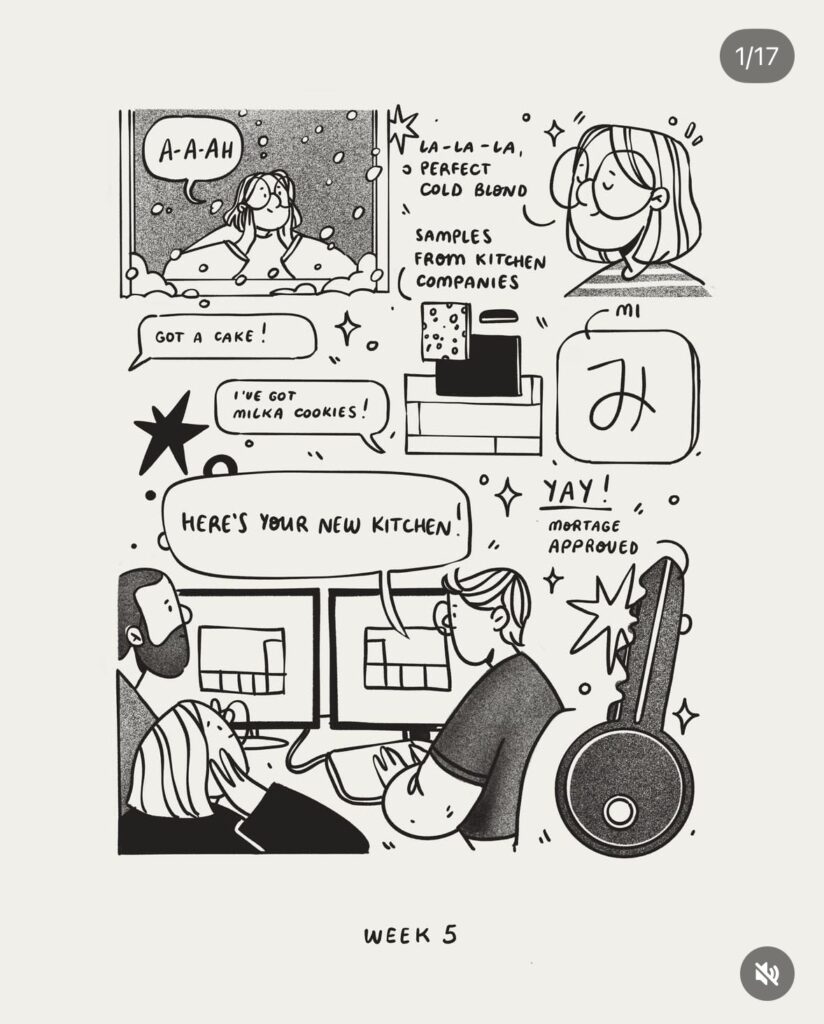
Julia van der Bos is a freelance illustrator originally from Russia, now based in Groningen in the Netherlands, who creates warm, inviting illustrations for diffrent projects, and works with clients worldwide.
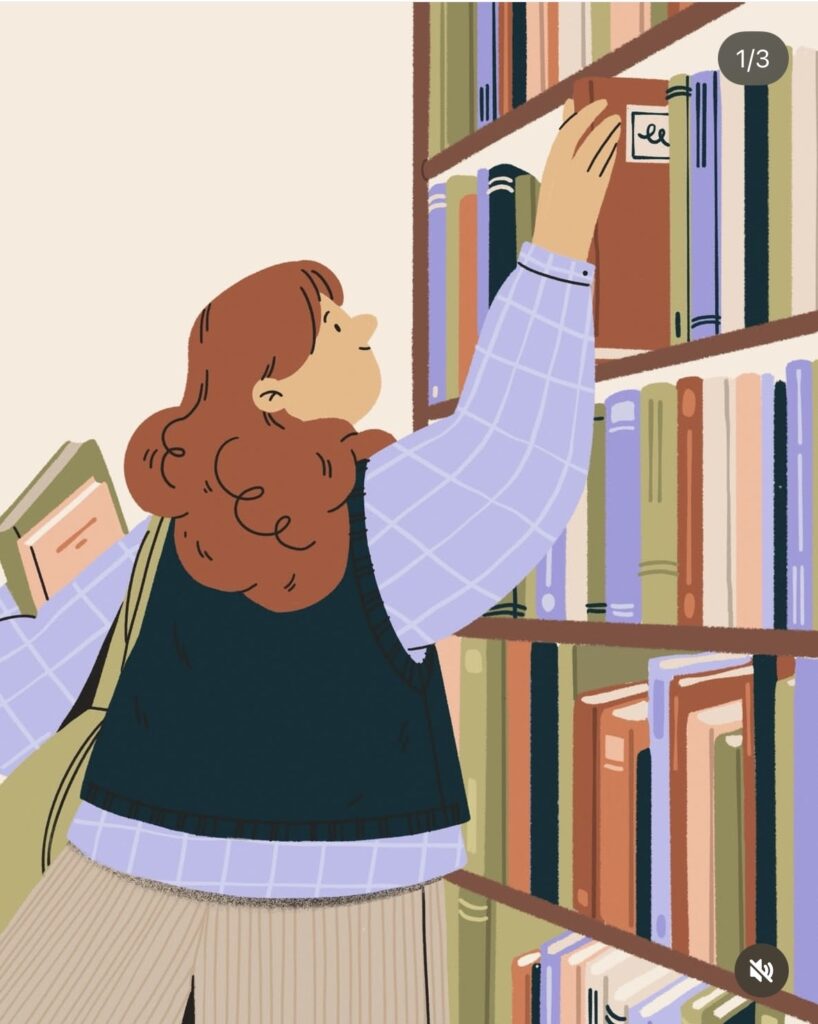
Mrtina Illustrations (her illustrator Name, not a typing error)
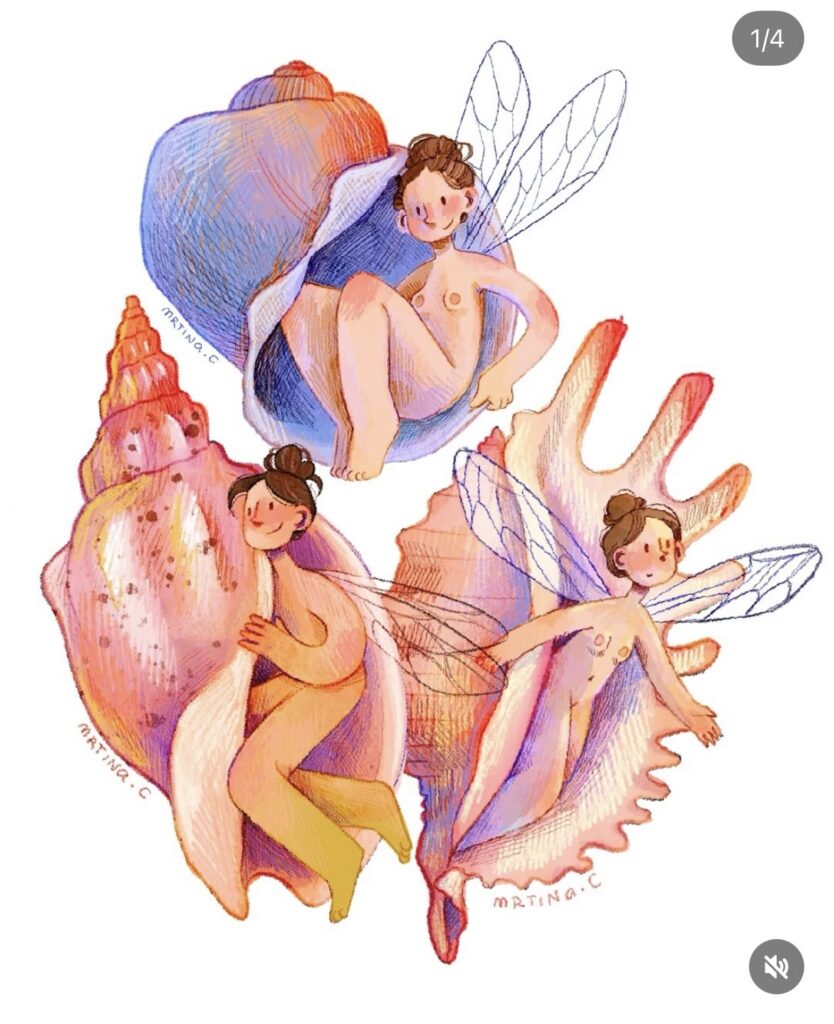
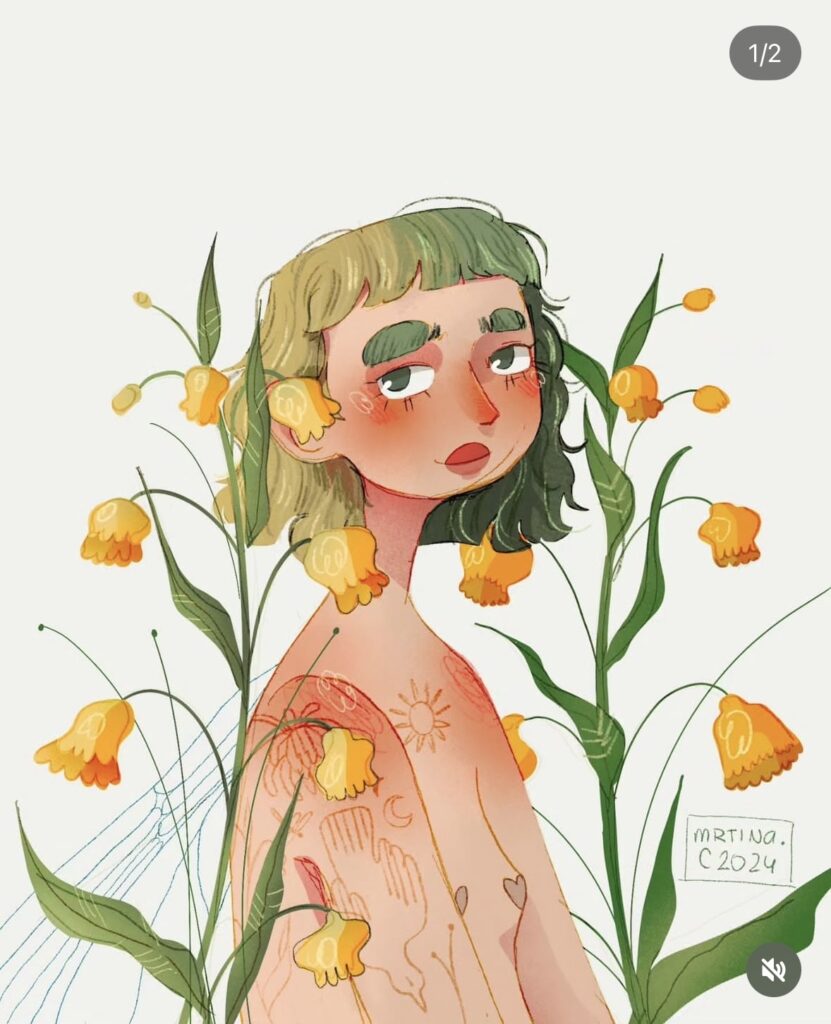
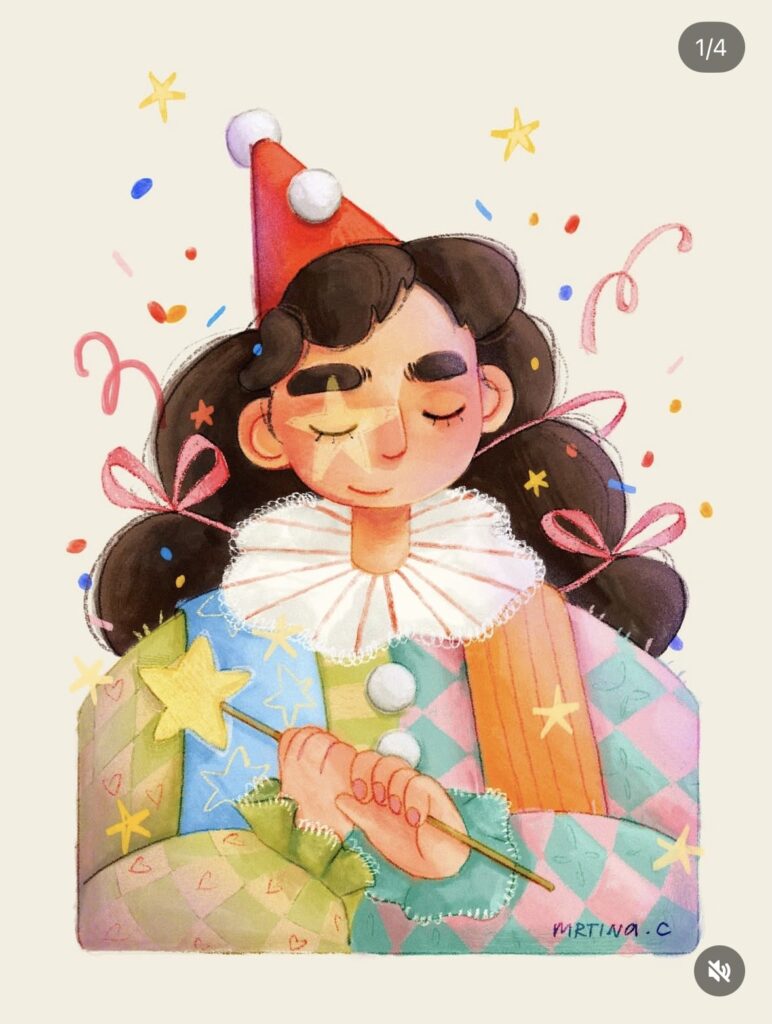
Martina is a Santa Fe (Argentinia) based illustrator who creates dreamy, character‑filled digital art, posts her creative process and finished pieces on Instagram, and sometimes takes requests or commissioned drawings from her followers (mainly active on instagram).