During my trip through northern Spain (the same journey I already wrote about in my last two blog posts) I also stopped in Figueres. Before going there, I honestly didn’t know much about the city. But then I found out that it is the birthplace of Salvador Dalí. (Many people mix up the names, but Gaudí was actually from Reus, while Dalí was born in Figueres.) So of course, visiting the famous museum dedicated to him was a must.
About Salvador Dalí
Salvador Dalí was one of the most important artists of Surrealism. He was born in 1904 and became known for his dreamlike, sometimes bizarre paintings. One of his most famous works is The Persistence of Memory with the melting clocks (an image almost everyone has seen before).
Dalí had a very unique personality. He was not only an artist but also a master of self-promotion. He loved attention, dressed extravagantly, and was known for his dramatic mustache. Throughout his life, he worked not only as a painter but also as a sculptor, writer, filmmaker, and designer. He even collaborated with filmmakers like Walt Disney.
He often described himself as a genius (and truly believed it). His art was strongly influenced by dreams, psychology, religion, and science. Whether you admire him or not, he definitely left a strong mark on the art world.
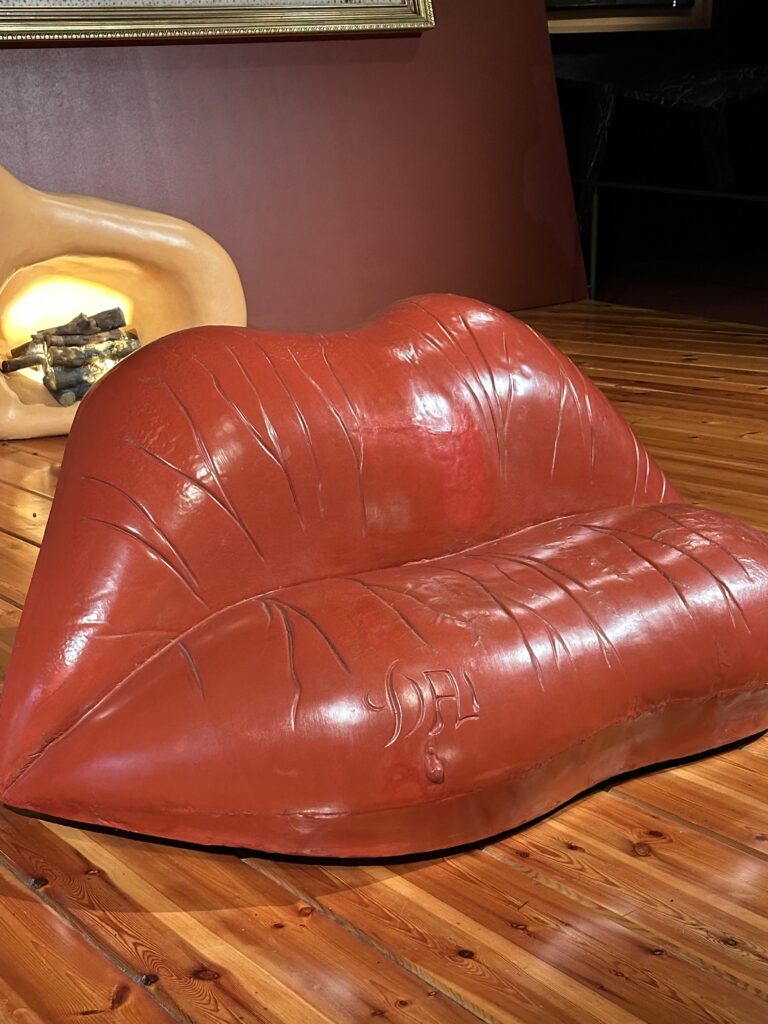
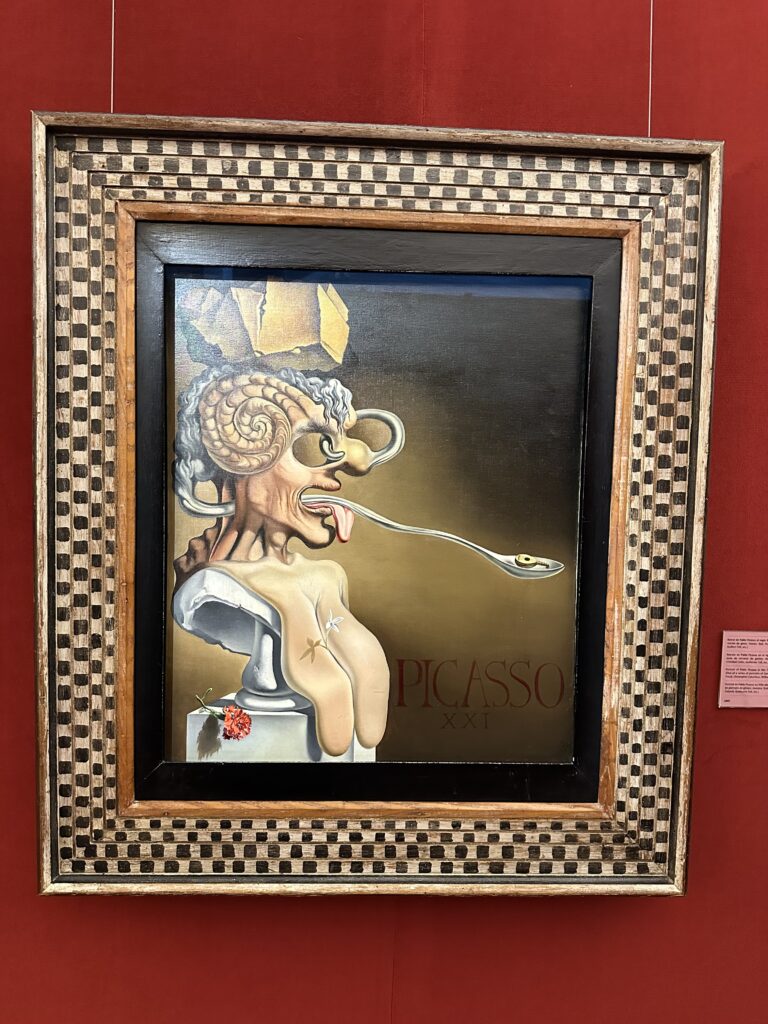
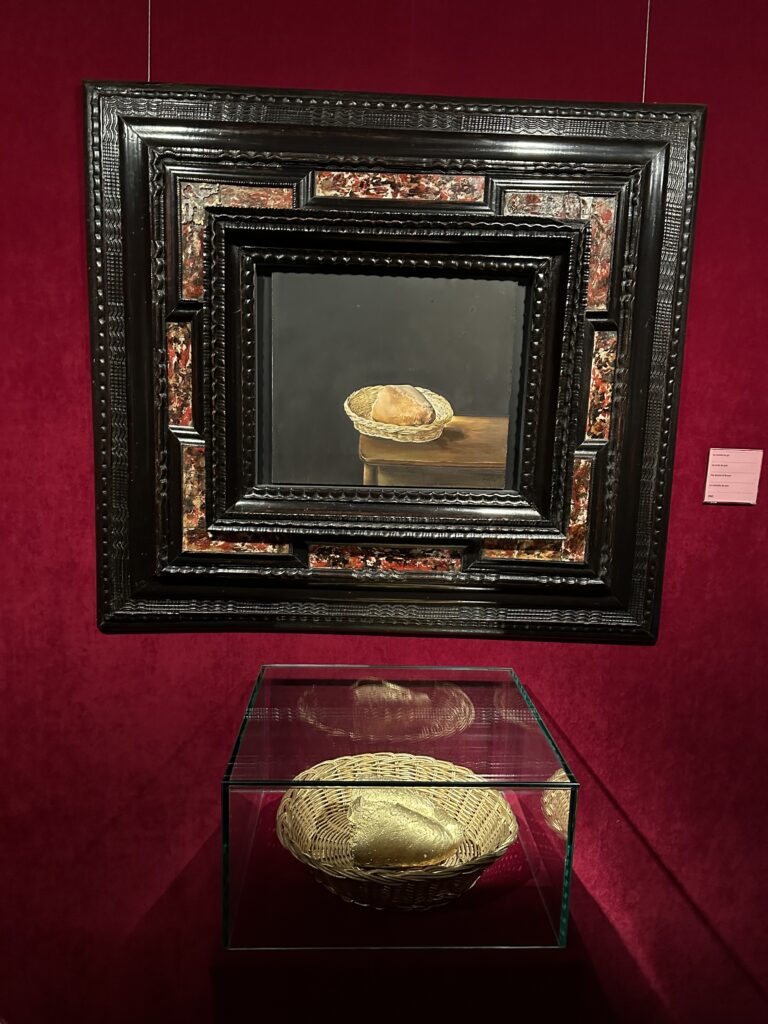
The Dalí Museum in Figueres
The Teatre-Museu Dalí is probably one of the most unique (in which way ever) museums I have ever visited. It was actually designed by Dalí himself and opened in 1974. The building already looks surreal from the outside with giant eggs on the roof and unusual sculptures decorating the facade.
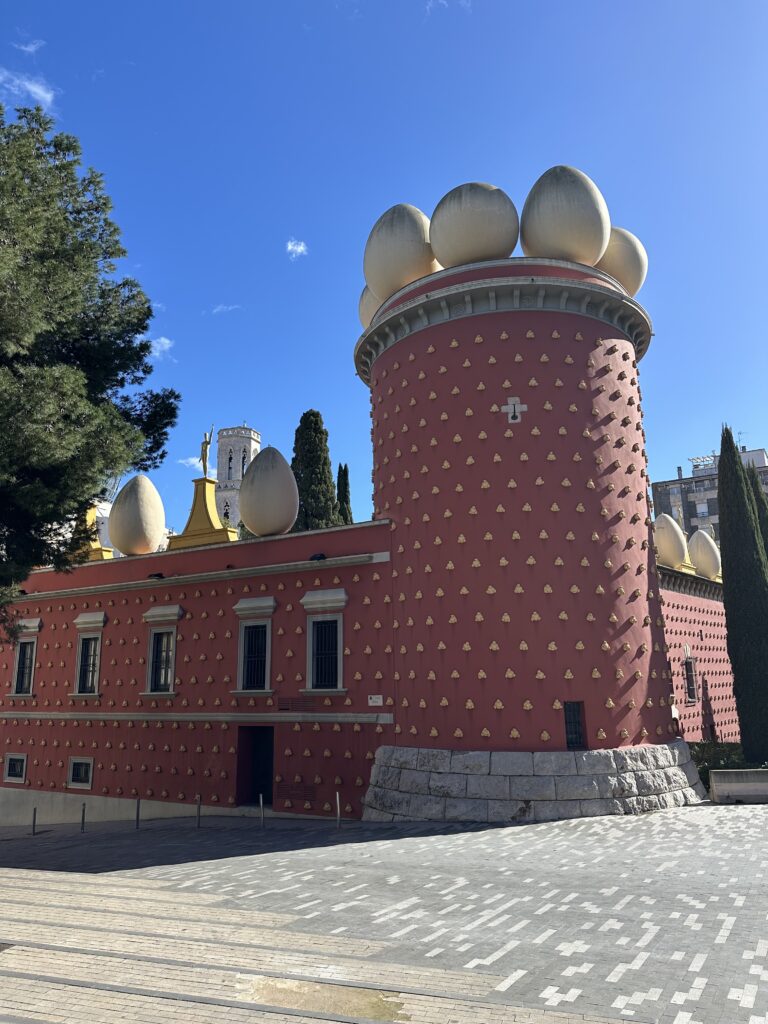
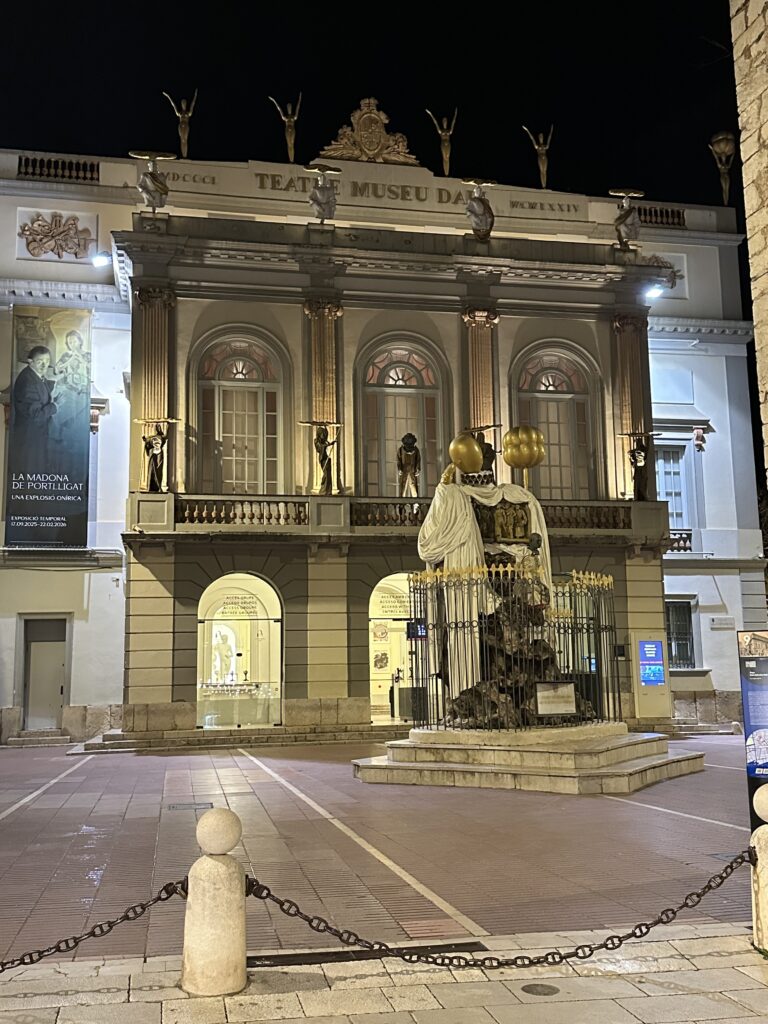
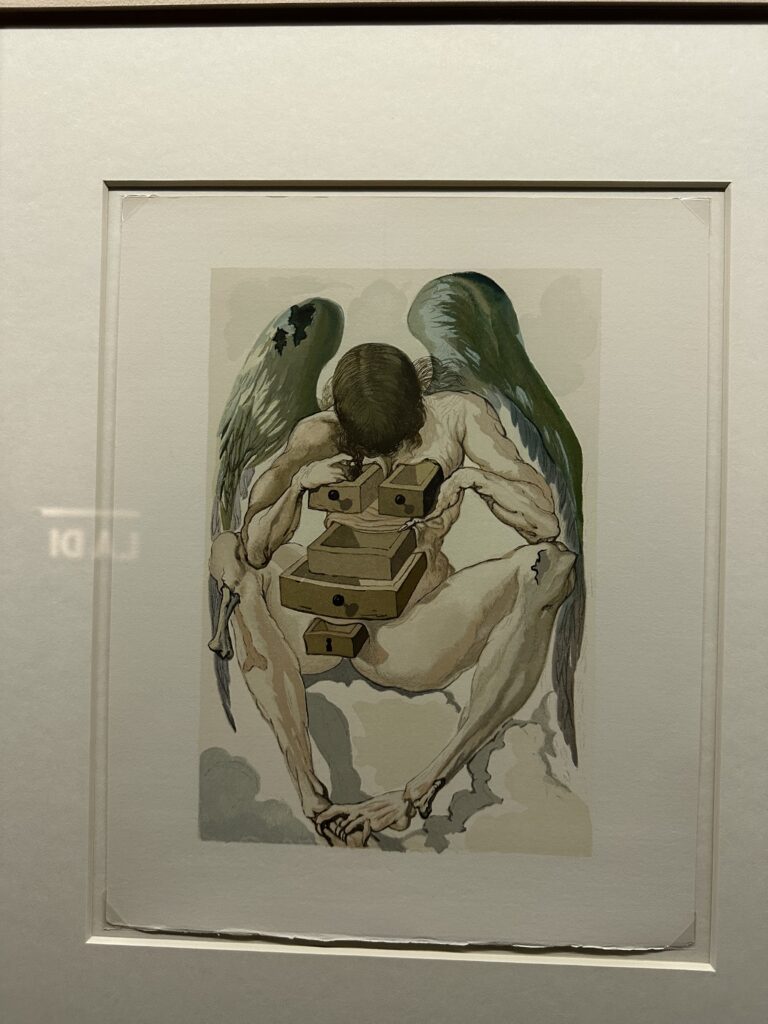
For Dali the egg stood for birth, creation, hope and new life. It represents something fragile on the outside but full of potential on the inside, often connected to themes of rebirth. Besides eggs, Dali frequently used other symbols in his work: melting clocks (time and relativity), ants (decay and death), crutches (human weakness), drawers in bodies (hidden thoughts and the subconscious), and elephants with long, thin legs (fragility and instability).
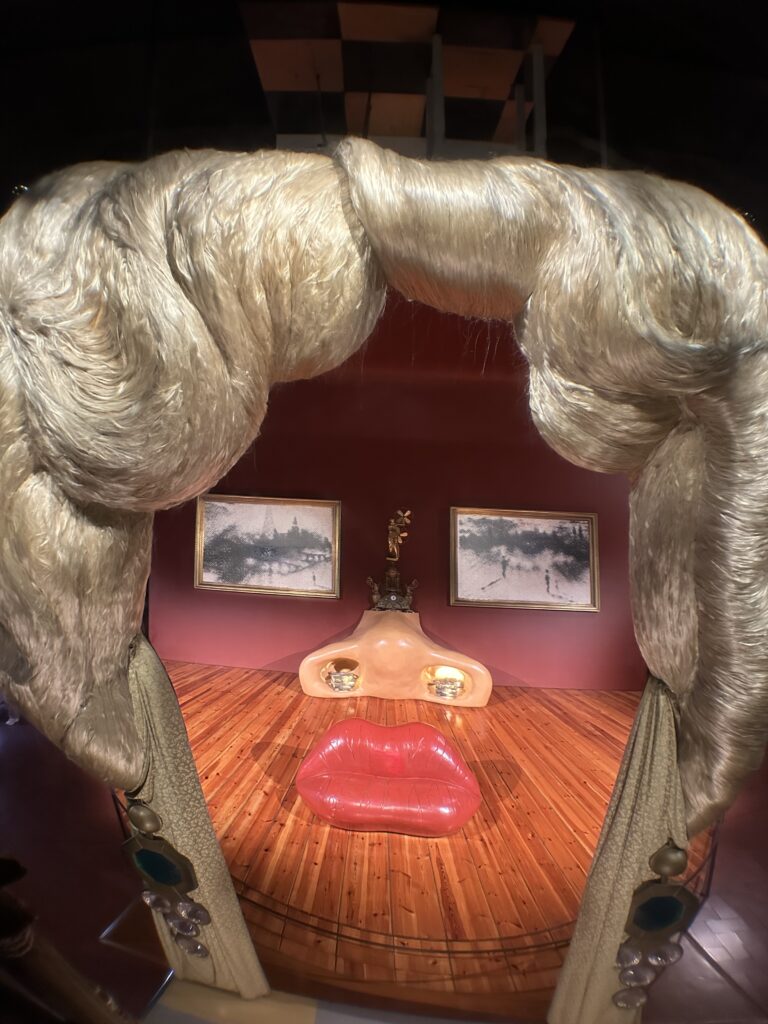
Inside, the museum feels like stepping directly into Dalí’s (weird) mind. The rooms are dramatic, playful, and sometimes confusing. There are large-scale paintings, installations, optical illusions, sculptures, and strange objects. Some artworks are impressive in size and technique, others feel intentionally provocative.
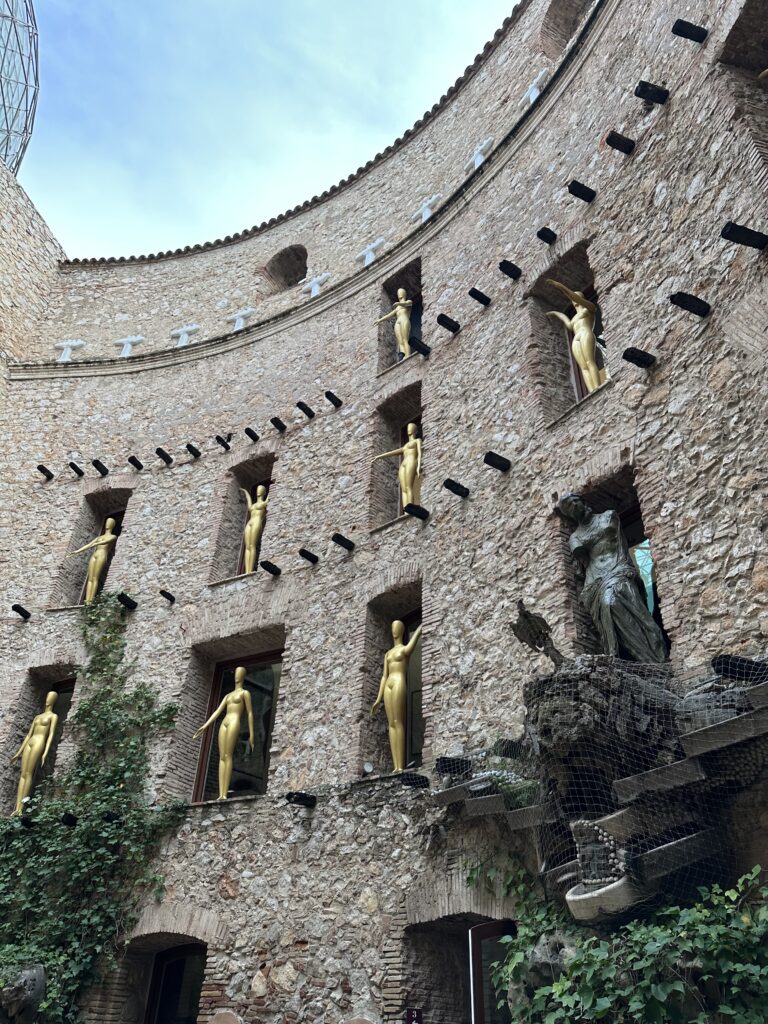
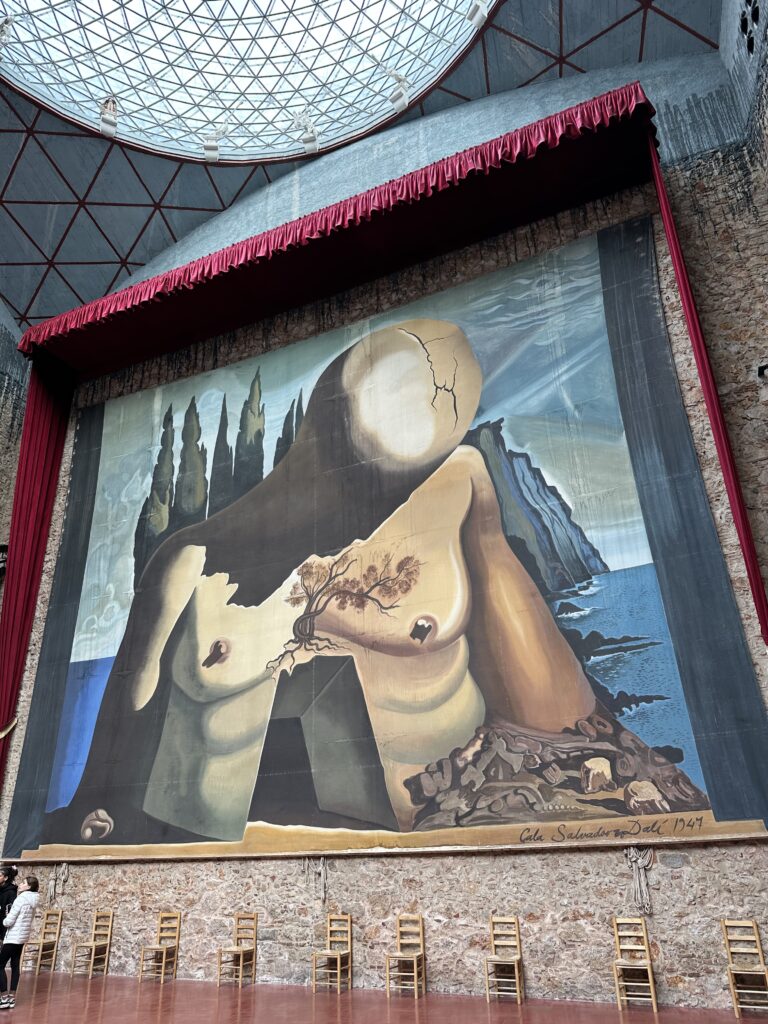
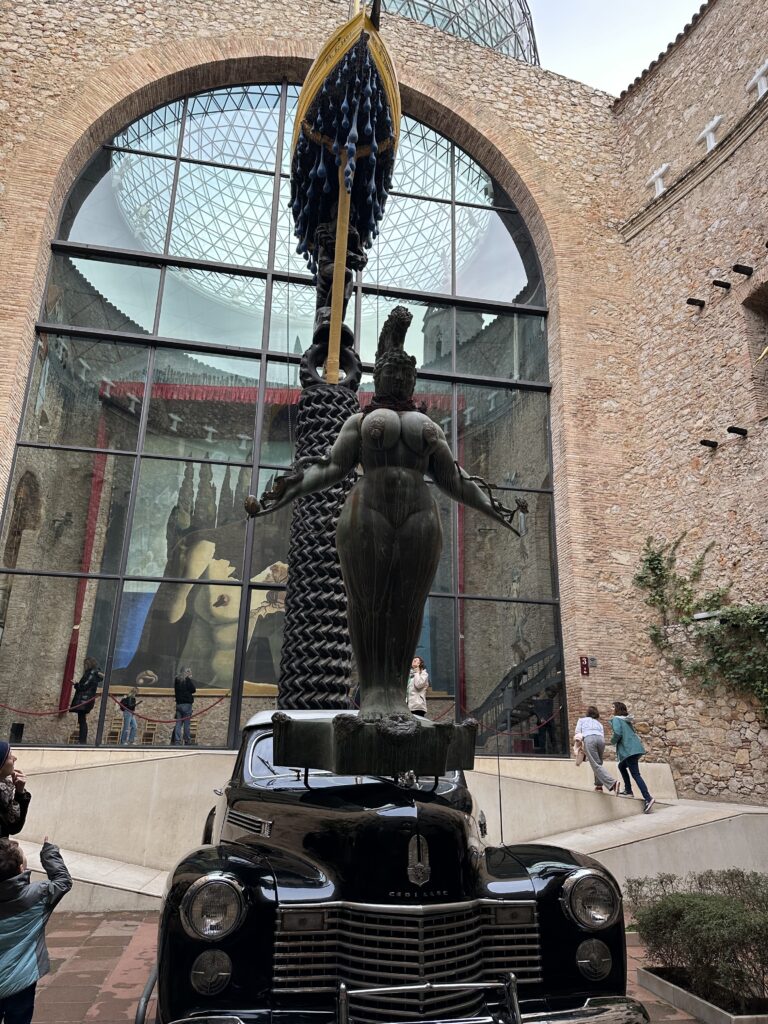
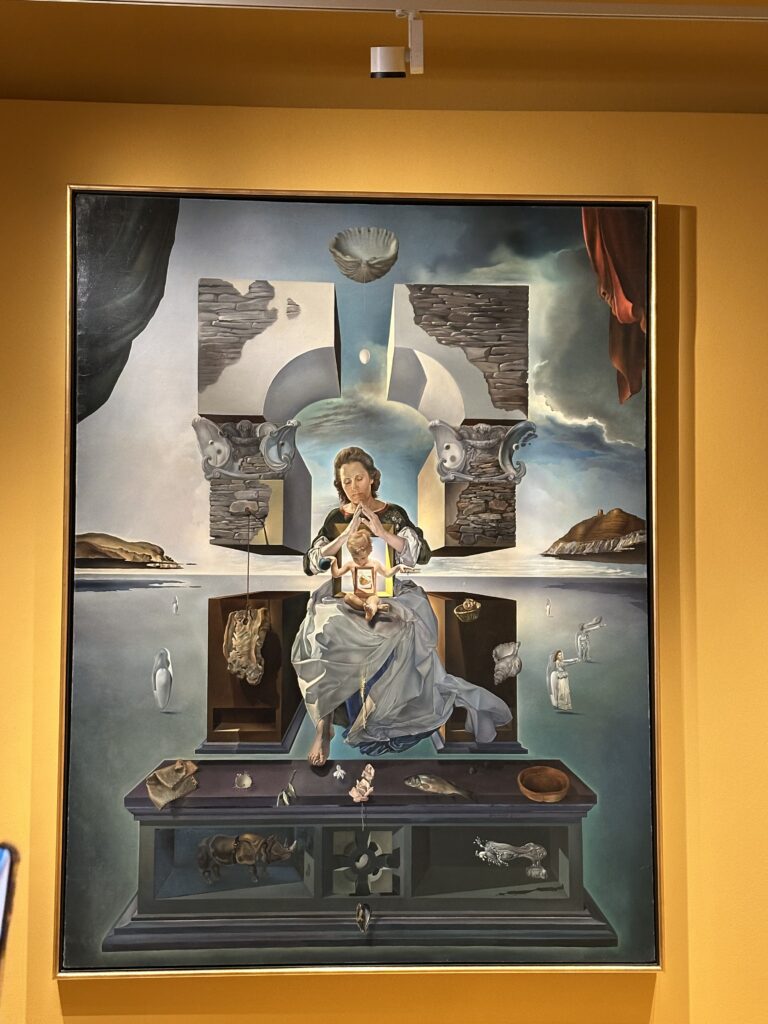
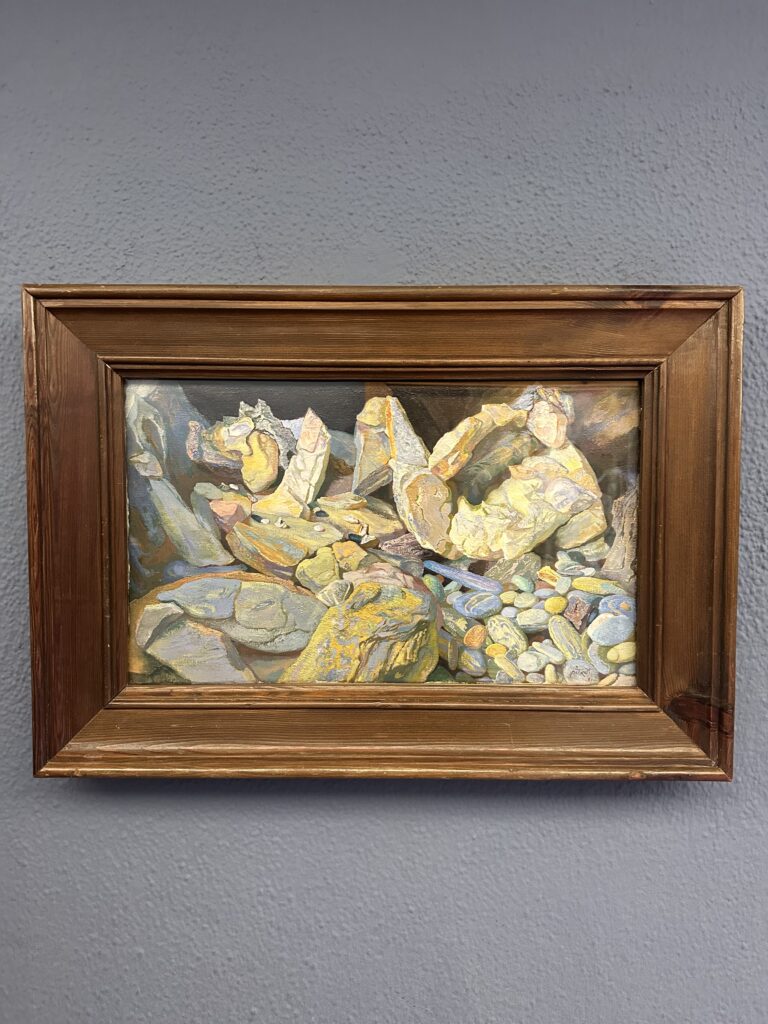
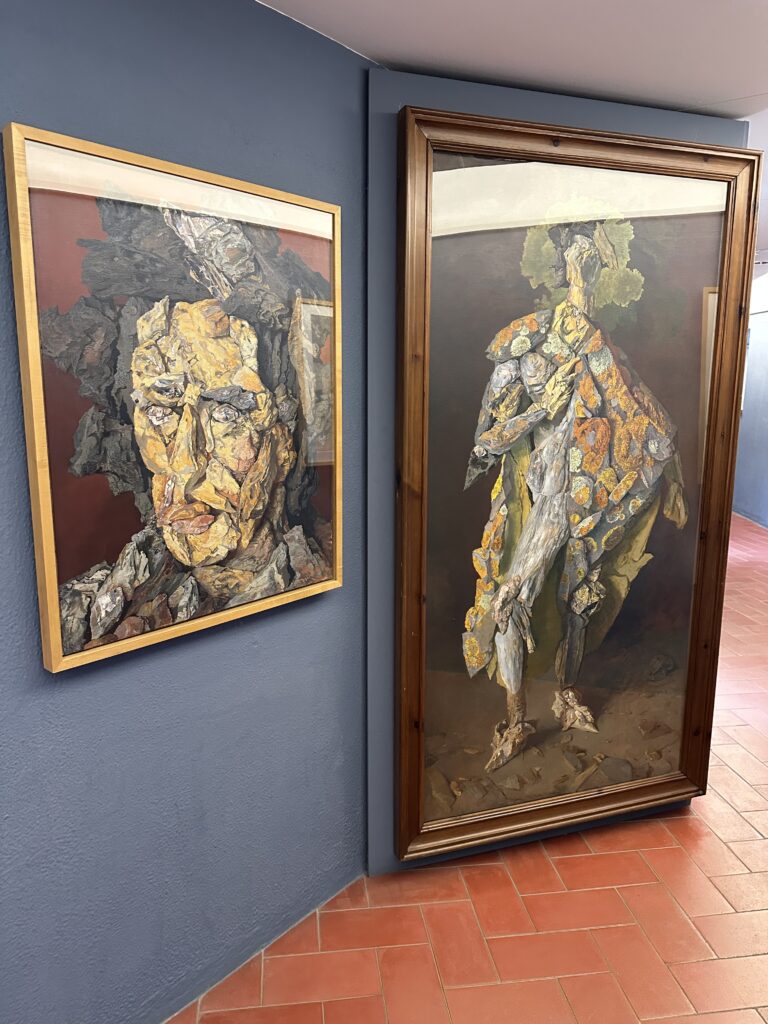
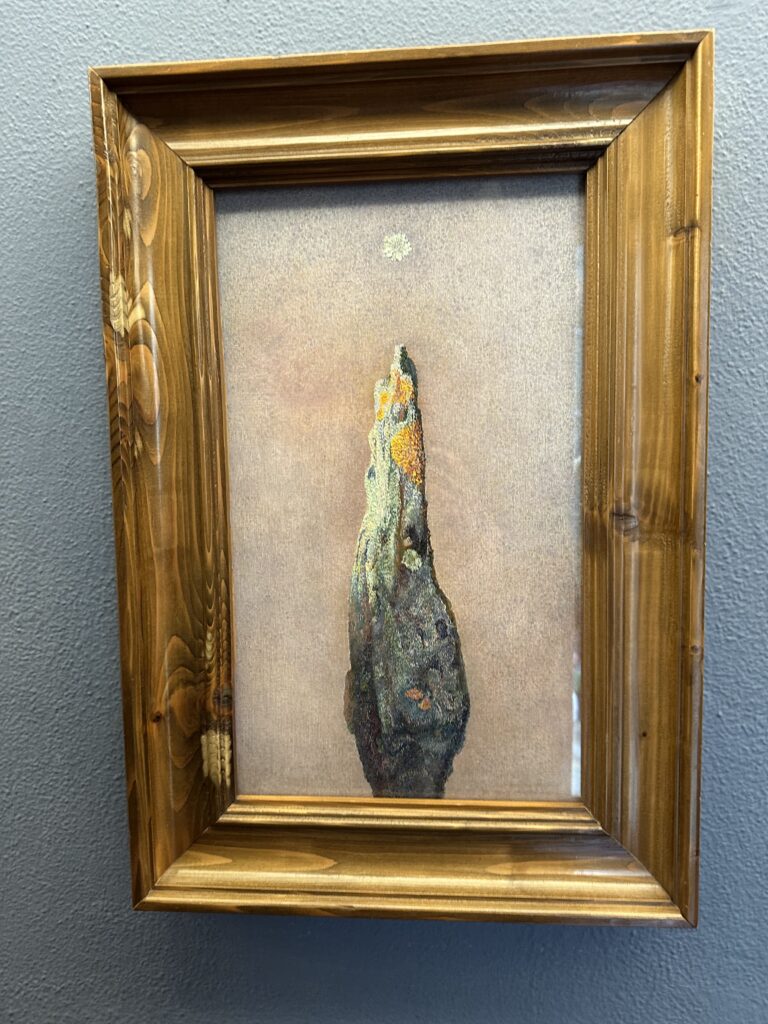
What I didn’t expect was that there were also works by other artists exhibited. One of them was Antoni Pitxot. Pitxot was a Catalan painter and a close friend of Dali. His works often show surreal, rocky landscapes made of human-like stone figures. He was inspired by the natural rock formations of the Costa Brava and transformed them into imaginative compositions. I really liked his paintings, they felt detailed, thoughtful, and somehow calmer than Dalis dramatic works.
My Personal Impression
To be honest, I expected more from the museum. Some parts felt a bit chaotic, and I sometimes missed deeper explanations or background information about certain works. I found some pieces very interesting and inspiring, but others felt overly theatrical or even a bit exaggerated.
I have never been Dalis biggest fan. While I respect his creativity and boldness, I often find his art very kitschy and pseudo-artsy. The building itself is very nice but the interior and what he used for his art was a bit low quality sometimes. Walking through the exhibition, I also had the impression that he must have been not a nice person, very self-centered, maybe even a bit delusional in how highly he thought of himself. Of course, that larger-than-life ego was also part of his artistic identity.
Still, I cannot say that I didn’t enjoy the visit. The museum is an experience. A few paintings inspired me. I also like his “just do it” attitude, his courage to create without worrying about rules or expectations. That mindset is something I find motivating as a creative person myself.
And surprisingly, I really liked the works of Antoni Pitxot. They added another layer to the visit and showed a different side of surrealism.
In the end, the Dalí Museum left me with mixed feelings: critical, curious, and inspired at the same time. But thats fine, because that’s exactly what art is supposed to do.
