In today’s competitive market, many brands strive to stand out from the crowd by using product differentiation and innovation. While some brands achieve widespread recognition, others successfully carve out niche markets by offering unique products or solutions that cater to specific consumer needs. These brands often rely on innovative features, creative marketing, and a strong sense of identity to appeal to their target audiences. By focusing on what makes them different, they not only create a distinct value proposition but also build a loyal customer base. Here are a few examples of relatively lesser-known brands that have used product differentiation and innovation to find success.
Here are a few examples of relatively unpopular or niche brands that successfully used product differentiation and innovation to carve out a unique space in the market:
1. Patagonia (Outdoor Apparel)
Differentiation & Innovation: While Patagonia is not as universally known as some outdoor apparel giants, it has built a strong reputation among outdoor enthusiasts and environmentally-conscious consumers. It innovated with eco-friendly materials like recycled fabrics and introduced the “Worn Wear” program, which encourages customers to buy used products or trade in old items for store credit, reinforcing its sustainability focus.

Impact: This unique environmental and ethical focus differentiated Patagonia from its competitors, earning it a loyal, niche customer base and a powerful brand identity around sustainability.
2. Oatly (Plant-based Milk)
Differentiation & Innovation: Oatly is one of the more recognized plant-based milk brands, but it stands out in the crowded market for its creative approach. The company focused on a high level of transparency with quirky, fun branding and an innovative oat-based milk product that emphasizes sustainability.
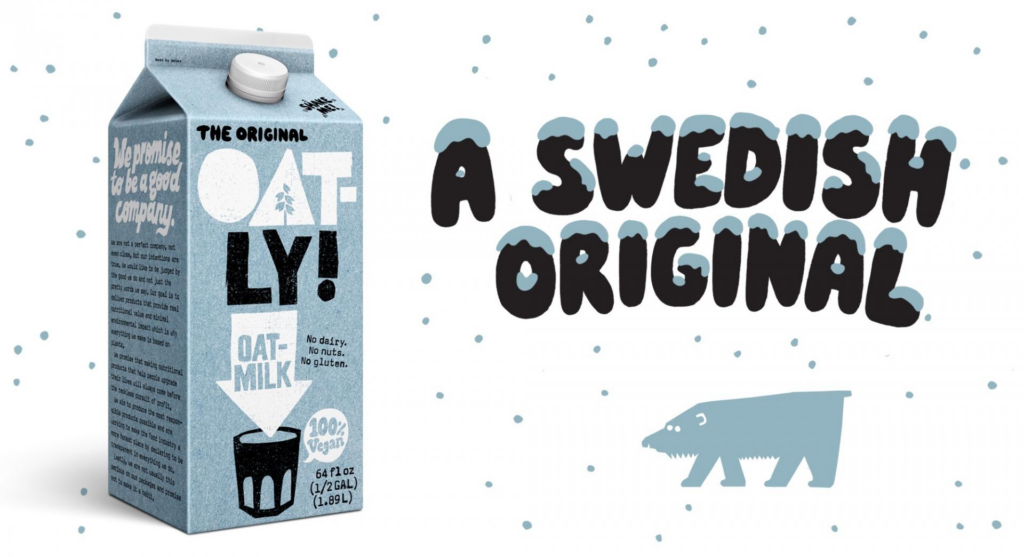
Impact: The use of oats instead of almonds or soy and the bold marketing messaging helped Oatly carve out a niche among health-conscious and eco-aware consumers, despite facing competition from larger dairy alternatives.
3. BlenderBottle (Fitness & Lifestyle)
Differentiation & Innovation: This brand revolutionized the way fitness enthusiasts mix their protein shakes. While there were plenty of shaker bottles on the market, BlenderBottle’s design incorporated a patented whisk ball that improved mixing consistency. Additionally, the brand created a highly functional, portable product that catered to active lifestyles.
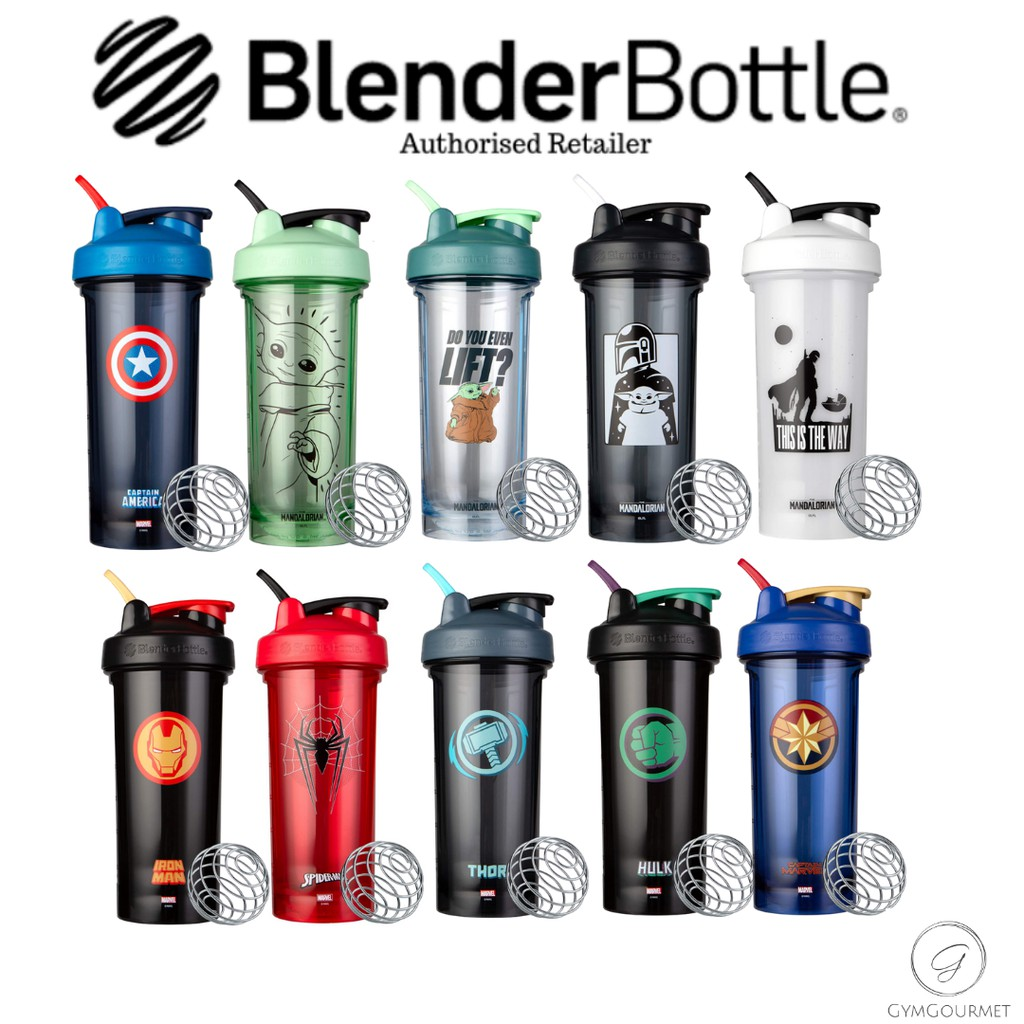
Impact: Though not a mainstream giant, BlenderBottle became a beloved brand in the fitness space, thanks to its functional innovation, which helped build a strong following among gym-goers.
4. Chobani (Greek Yogurt)
Differentiation & Innovation: While Greek yogurt was already popular in some areas, Chobani turned it into a mainstream product in the U.S. by introducing a new take on the category. They innovated with flavors, packaging, and marketing strategies that made Greek yogurt seem both exotic and accessible.
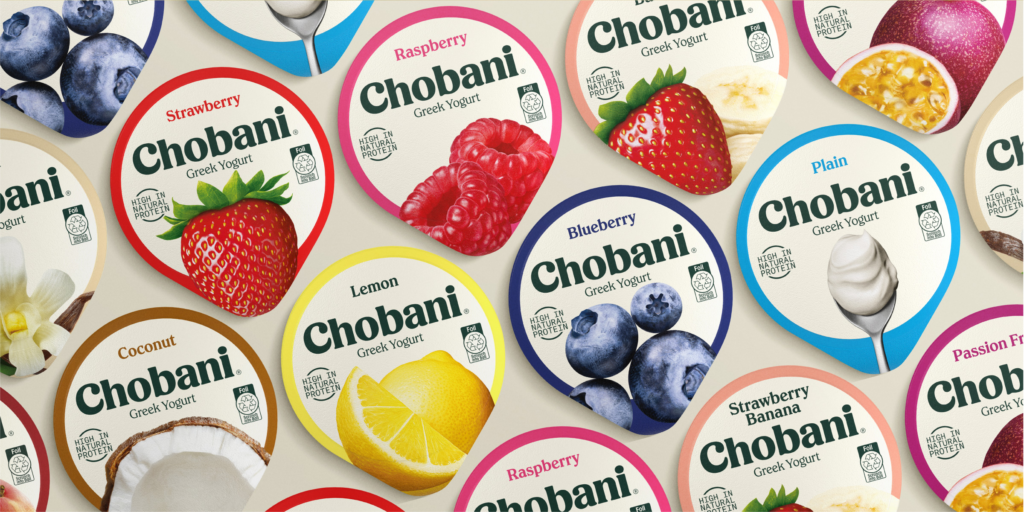
Impact: Through product differentiation in the crowded yogurt market, Chobani grew to become one of the top players in the space, though it was a smaller, niche brand in the early years.
5. Bose (Audio Equipment)
Differentiation & Innovation: While Bose is more well-known, it was once considered a niche player in the audio market. The company became known for its noise-cancelling technology, which was groundbreaking at the time, and its premium sound quality in both speakers and headphones.
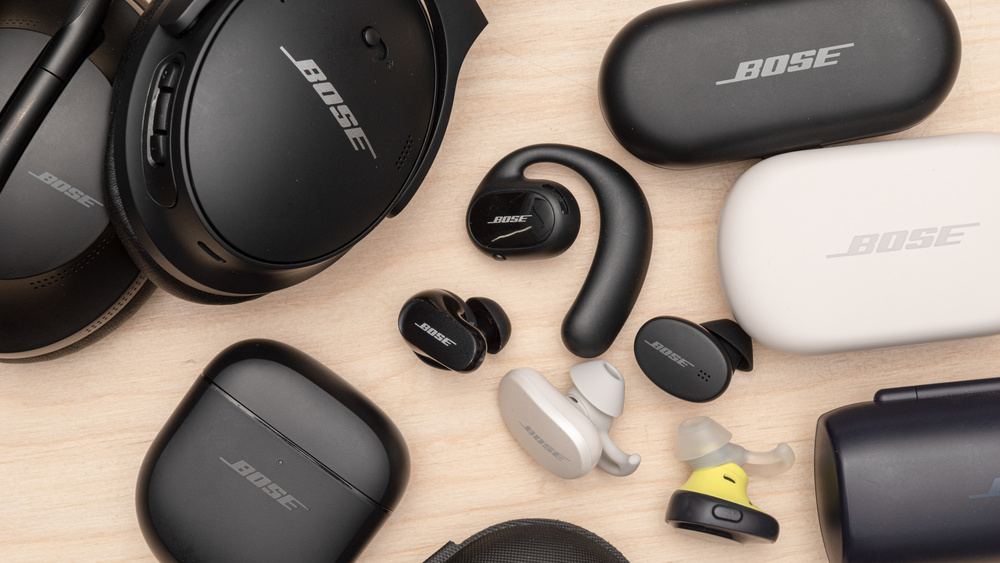
Impact: Bose’s technological innovation and superior sound quality helped it differentiate itself in a market that included much larger players like Sony. It built a loyal customer base among audiophiles and professionals seeking high-quality audio.
6. Allbirds (Sustainable Footwear)
Differentiation & Innovation: Allbirds used natural, renewable materials like merino wool and eucalyptus tree fiber to create shoes that are both sustainable and comfortable. They focused on simple designs and a commitment to transparency about their materials and supply chain.

Impact: Allbirds differentiated itself in the footwear market by focusing on sustainability and comfort, appealing to eco-conscious consumers despite being a relatively niche brand in the early stages.
Conclusion
In conclusion, product differentiation and innovation are powerful tools that allow brands, regardless of their size or popularity, to establish a unique position in the market. By offering something distinct—whether through design, technology, sustainability, or consumer experience—these brands have succeeded in creating a strong identity and building loyal customer bases. Even in highly competitive industries, standing out through innovation can turn a niche brand into a market leader, proving that success doesn’t always require being the most famous, but rather offering something genuinely different and valuable.
References
20+ Product Differentiation Examples – Simplicable by Anna Mar
