In this Blogpost, I would like to talk about protest design in general as it emerged as a powerful tool for resistance and social change, particularly within feminist movements but not only, thinking about BlackLivesMatter, Fridays for Future, Demonstrations against the rights, Demonstrations against war and many more.
What is Protest Design?
At its core, protest design is the use of visual elements—such as symbols, colors, typography, and graphics—to communicate a political or social message. It is a way of saying “NO!” – that you really disagree with something or someone (Tate, n.d.).
Unlike traditional design, which often focuses on aesthetics or branding, protest design aims to mobilize, inspire, and provoke thought. It’s a form of visual activism, a way to visually articulate dissent and call for change (Sunmola, 2020).
Protest design often draws from a variety of graphic design elements, using bold colors, powerful symbols, and direct messaging to ensure clarity and impact. Whether it’s a simple logo, a slogan on a banner, or an image shared on social media, protest design makes complex issues accessible and emotionally compelling. Its primary goal is to rally people around a cause, create solidarity, and make an impact both online and in the streets (Levanier, 2022).
Social Movements and Protest Design
While feminism has been a key player in protest design, other movements have also utilized visual design to amplify their messages and create change.
Black Lives Matter


The Black Lives Matter movement has perhaps one of the most recognizable protest designs today. The bold, black and white “Black Lives Matter” logo is instantly identifiable, carrying with it a powerful message about racial justice. The design has evolved over time, but its core message has remained the same: advocating for the value of Black lives and fighting against systemic racism with the bold image of a raised fist. In addition to the logo, countless graphics, memes, and protest posters have been created, spreading the message across social media and public demonstrations alike (Reason, 2024).
Fridays for Future

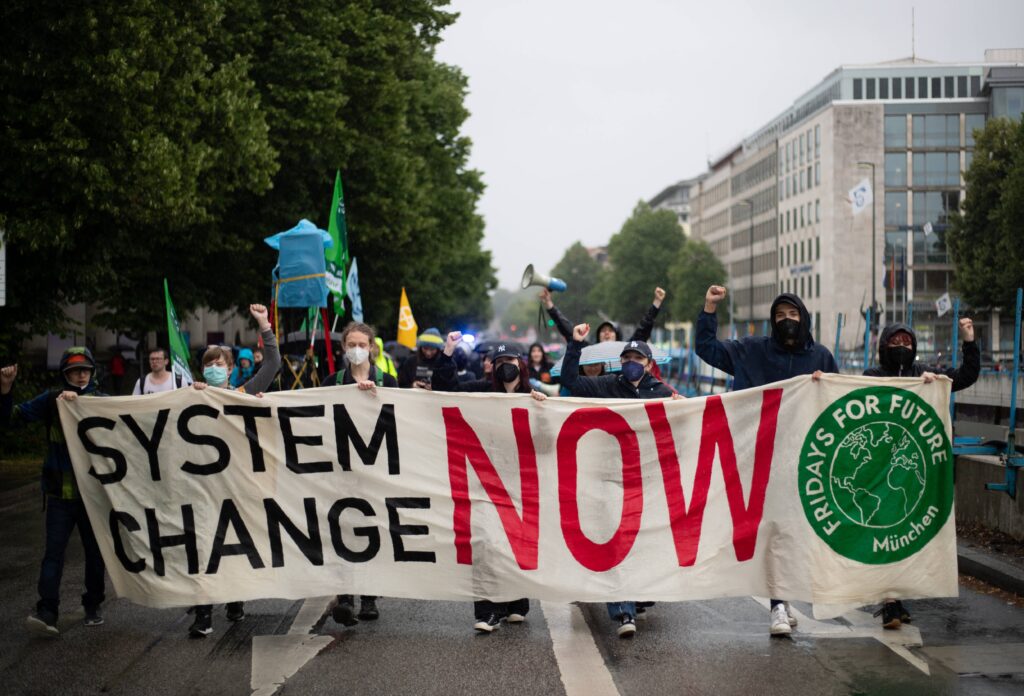
Fridays for Future, the youth-led climate movement spearheaded by Greta Thunberg, has also embraced protest design in its efforts to raise awareness about the climate crisis. The movement’s logo—a simple, bold typography (font jost)—carries a sense of urgency, while its use of vivid, striking colors draws attention to the cause. Digital design, such as posters for climate strikes, has helped young people mobilize globally, encouraging millions of students to demand action on climate change (Anwar, 2019).
Protests Against War

Protests against war have a long history of using design to communicate their anti-war stance. From the iconic “Make Love, Not War” slogan of the 1960s to contemporary anti-war protests, design has been crucial in creating memorable, impactful messages. The peace symbol, the dove, and other visual representations of peace have been used across generations to unite people in their opposition to violence and military conflict (Rosemont et al, 2012).
Why Protest Design Matters
Protest design isn’t just about making things look visually appealing; it’s about creating a sense of urgency and solidarity. It’s about taking an issue—whether it’s climate change, racial justice, or gender equality—and making it visually accessible and emotionally powerful.
In the digital age, protest design has a far-reaching impact. Social media allows for instant sharing of images and messages, turning graphic design into a tool for viral activism. A well-designed image can spread rapidly, reaching millions of people in an instant, and sparking a global conversation (Mindful Mediator, 2023).
Moreover, protest design helps create a visual identity for movements, making them more recognizable and easier for people to rally around. A logo, a slogan, or even a specific color scheme can become synonymous with a movement, and this kind of visual recognition is essential for uniting people and building momentum.
Challenges and Criticisms
While protest design can be a powerful tool for social change, it is not without its challenges and criticisms. One major issue is the commercialization of protest imagery. As social movements gain visibility, there’s a risk that commercial entities may co-opt protest design for profit, reducing the message to a mere aesthetic trend.
Furthermore, there’s a potential danger of superficiality. If protest design becomes too focused on creating catchy visuals rather than communicating a deep political message, it risks losing its effectiveness. Design should always serve the purpose of the movement, not just its aesthetics.
Handwritten protest signs hold a unique power, offering a raw and spontaneous form of expression that contrasts with the polished and professional look of digital design. While digital tools make it easy to create flashy, shareable protest graphics for online activism, handmade signage continues to dominate physical protests, capturing the urgency and passion of the moment. These signs, often created with just markers and cardboard, reflect the immediacy of the cause and stand as deeply personal, unfiltered expressions of anger, hope, and determination.
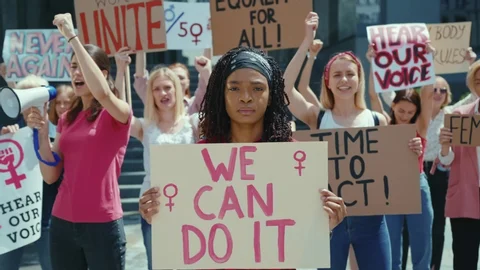
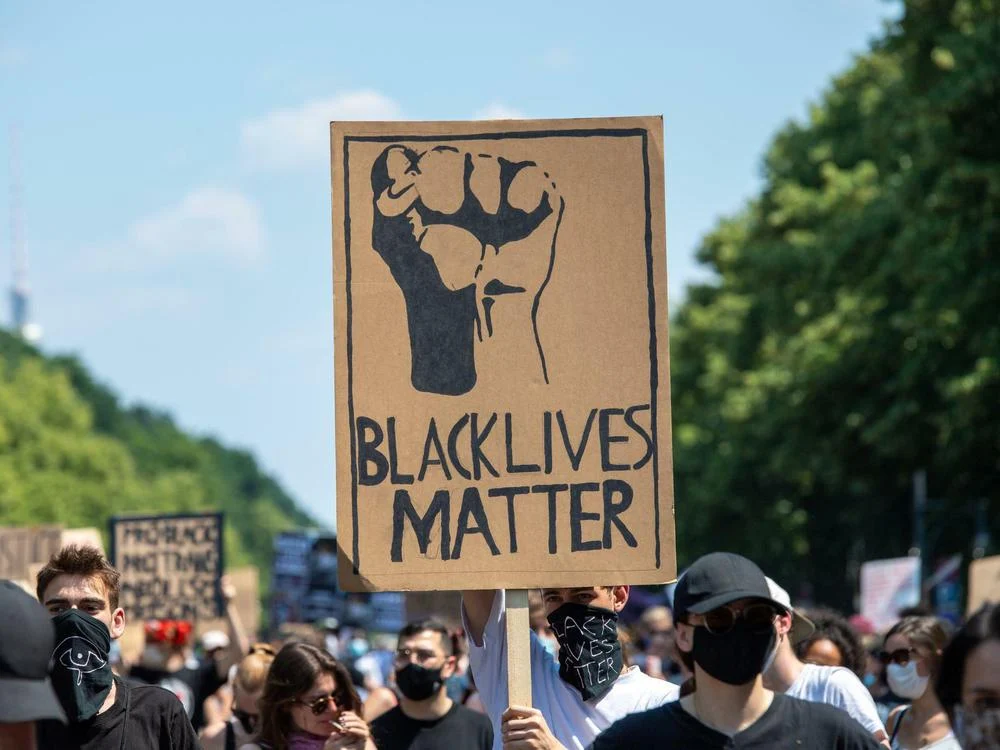

Despite the rise of socially shareable digital visuals, the prominence of hand-drawn signs in protests highlights their enduring impact. As noted during movements like Occupy Wall Street and Black Lives Matter, these signs often become iconic symbols when photographed, with their striking, improvised lettering adding an extra layer of authenticity. Photographer David Holbrook observed that handmade signs, especially those with bold, capitalized text, convey a sense of shouting and urgency, making them highly expressive and attention-grabbing. Their imperfections and individuality demonstrate the time and effort put into crafting them, adding a human touch that resonates deeply with audiences both on the streets and through the images shared worldwide (Gosling, 2020).
Sources
Anwar, S. (2019, July 30). Grafiker über das Design von Fridays for Future – „Ich finde es wunderbar”. Deutschlandfunk Kultur. https://www.deutschlandfunkkultur.de/grafiker-ueber-das-design-von-fridays-for-future-ich-finde-100.html
Gosling, E. (2020, August 11). Strongly worded letters: Typography and modern protest. Monotype. https://www.monotype.com/resources/expertise/typography-and-modern-protest
Levanier, J. (2022, October 4). Design activism: what good can graphic design do? 99designs. https://99designs.com/blog/design-history-movements/design-activism/
Mindful Mediator. (2023, July 26). The role of social media in modern activism – Mindful Mediator – Medium. Medium. https://medium.com/%40mediation/the-role-of-social-media-in-modern-activism-20123deafacc
Reason, P. (2024, December 4). The raised fist: a history of the symbol – People’s History Museum. People’s History Museum. https://phm-org-uk.translate.goog/blogposts/the-raised-fist-a-history-of-the-symbol/?_x_tr_sl=en&_x_tr_tl=de&_x_tr_hl=de&_x_tr_pto=rq
Rosemont et al. (2012, February). History of the Make Love Not War slogan – Creative Review. Creative Review. https://www.creativereview.co.uk/make-love-not-war-slogan/
Sunmola, Y. (2020, December 3). The visual language of Protest: How graphic design can fuel protest and change government. Medium. https://yinks0067.medium.com/the-visual-language-of-protest-how-graphic-design-can-fuel-protest-and-change-government-bcffa115a74c
Tate. (n.d.). What is Protest Art? Tate Kids. https://www.tate.org.uk/kids/explore/what-is/what-is-protest-art
