In this post we’ll dive deep into the psychological principles that make gamification effective in healthcare, exploring how they influence behavior, motivation, and long-term habit formation.
1. Psychological Principles at Play
Gamification draws heavily from behavioral psychology, leveraging principles like reinforcement, gratification, and reward systems to encourage healthier behaviors:
A study by Fogg (2009) introduced the Behavior Model, which highlights the importance of motivation, ability, and prompts in driving behavior change.
“Behavior happens when Motivation, Ability, and a Prompt come together at the same time. When a behavior does not occur, at least one of those three elements is missing.”

Apps like MyFitnessPal use positive reinforcement through celebratory notifications after users log meals or complete exercise goals.
Instant Gratification vs. Long-Term Rewards
Many gamified healthcare apps provide short-term rewards (like virtual badges) while emphasizing long-term health outcomes (e.g., weight loss or improved fitness levels). For example, Fitbit rewards users with daily step achievements while showing long-term progress graphs.
The Role of Dopamine
When users achieve small milestones dopamine is released, creating a sense of satisfaction and reinforcing the habit.
2. Motivational Psychology
Motivation is a core driver in gamification, and it can be divided into intrinsic and extrinsic categories.
Intrinsic vs. Extrinsic Motivation
According to Deci and Ryan, extrinsic motivation is a drive to behave in certain ways based on external sources and it results in external rewards (1985). Such sources include grading systems, employee evaluations, awards, and the respect and admiration of others.
On the other hand, intrinsic motivation comes from within. There are internal drives that inspire us to behave in certain ways, including our core values, our interests, and our personal sense of morality.
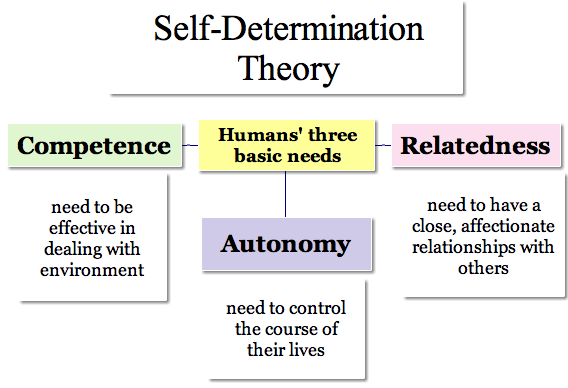
Self-Determination Theory (SDT)
SDT emphasizes three psychological needs—autonomy, competence, and relatedness. Apps like Nike Run Club allow users to set personal goals (autonomy), track progress (competence), and connect with friends (relatedness).
3. Social Psychology in Gamification
Humans are social creatures, and gamification often leverages social dynamics to enhance engagement. Social dynamics play a crucial role in gamification, as elements like social proof, peer influence, and healthy competition leverage our natural desire for connection, validation, and achievement to boost engagement and motivation.
4. Habit Formation
Building lasting habits is critical in healthcare, and gamification supports this through structured reinforcement.
Small Wins and Micro-Habits: Apps like Duolingo and WaterMinder break larger health goals into smaller, manageable tasks, encouraging users to celebrate incremental victories.
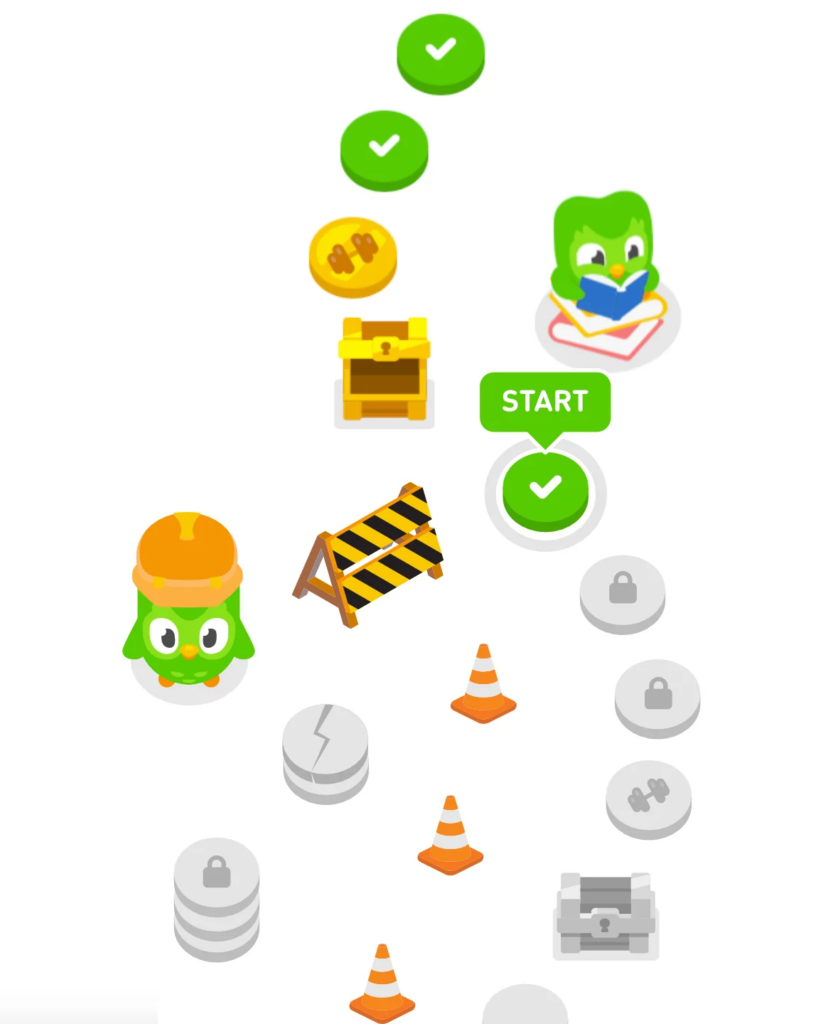
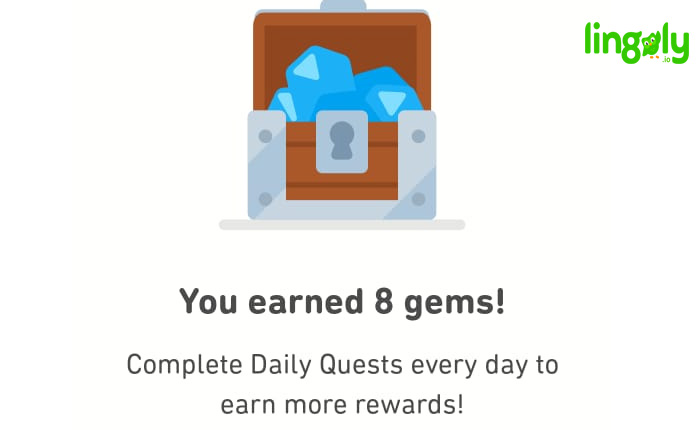
Consistency Reinforcement: The Duolingo app rewards users by giving diamonds for completing daily tasks, reinforcing consistency and forming habits over time.
5. Challenges and Ethical Considerations
While gamification is effective, it’s not without challenges.
Overuse of Rewards: Excessive reliance on rewards can lead to diminishing intrinsic motivation. The same research by Deci highlights this risk, emphasizing the importance of balance.
Privacy and Data Security: Many healthcare apps collect sensitive personal data, raising ethical concerns. Transparent privacy policies are essential.
Equity and Access: Not everyone has equal access to technology. Designing inclusive gamified solutions ensures wider adoption and impact.
6. Conclusion
Gamification in healthcare works not because of flashy rewards, but because it taps into deep-rooted psychological principles—motivation, habit formation, and social influence. By understanding these mechanisms, designers and healthcare professionals can create more effective and engaging health interventions. The key lies not only in designing appealing game elements but also in understanding the minds of those who play.
