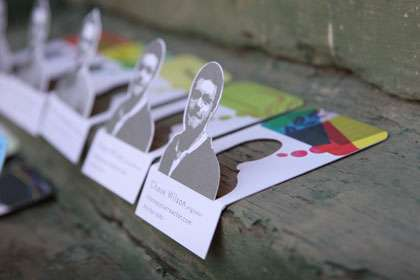
Multimodal Typography

Typographic metalanguage/multimodal typography and how it influences our sense of culture, identity and belonging

After a lot of brainstorming and research (which took a long time, since my idea of a topic is extremely broad and doesn’t satisfy my wish for a clear vision of its potential) the topic I decided to go further into is typography and its communicative power beyond the words you read. 

The paper “typographical landscaping” poses some interesting views on this: 
Letterforms, types, and scripts are always emplaced or spatialized, and situated within specific temporal trajectories. They are part of the semiotic landscape, or, rather, of historically layered semiotic landscapes that we move through or that “move” in front of our eyes in a constant interplay of discourses, genres, and styles interacting with land, built environment, and bodies. Thus, landscape can be understood as both a view and a representation of a view. (Source)

Everyone is aware of the example of Blackletters/Fraktura as the probably best known connection of culture/society and typography, so I won’t go into that as much. More interesting to me in the first part of this were examples from other cultures and times, but also Kurrent (German Cursive Writing), which also suffered under the Nazi Regime, and had to give up its post as the main writing system in Austria. Lesser known than Fraktur, Kurrent currently is being forgotten by most as we speak, since it was last taught in schools during the second world war and shortly after. The question now is, if this uprising and downfall of Kurrent, though obviously in connection with cultural developments, had any influence of its own, and cultural relevance it carried and that has thus been left behind. (Source)

In multicultural areas with multiple languages like Switzerland, the use of typography can help to unite or separate. With 4 official languages and therefore no uniform national language, typographical, linguistic and writing systems contribute to the sense of national identity and belonging, and help overcome internal cultural differences. (Source)

This parallels the development of Devanagari as a national script in India, uniting the different writing systems and languages to shape the national identity. Devanagari uses unified Glyphs, that then are adjusted in pronunciation according to the area and language. (I would personally compare it to latin writing being used in different languages with mostly the same glyphs, but the research into Devenagari has been minimal so far so I wouldn’t bet on it.) (Source)

One example that goes a bit more into linguistics that the graphic part of writing and typography is the “appropriation of the letter k in the Spanish linguistic landscape”, where instead of using regular ways of writing words that include c or qu, anarchists protested the rules of the language, by replacing it with a k instead. This started being picked up by not only people but also corporations, as for example a spanish bank employed this writing quirk in their ads, on one hand recognizing this show of protest, while on the other hand trivializing it. This lead to some of the groups that started the movement, to abandon it all together after it was picked up on this scale. (Source)

Thus, not only does typography pose a playground to subvert rules and create protests, but can turn into a political, cultural and societal battleground when these movements are picked up by outsiders, bystanders, or people profiting off it. In “Is your font racist? Metapragmatic online discourses on the use of typographic mimicry and its appropriateness”, Dimitrios Meletist talks about the practice of typographic mimicry. This term describes typefaces that are created to resemble another script (for example “Chinese Style” latin typefaces. In the article, typographic mimicry is handled as a practice highly influential on society and culture, as well as public perception of the mimicked culture, due to reinforced or -established stereotypes. (Source)

From 2D to 3D with the Laser cutter

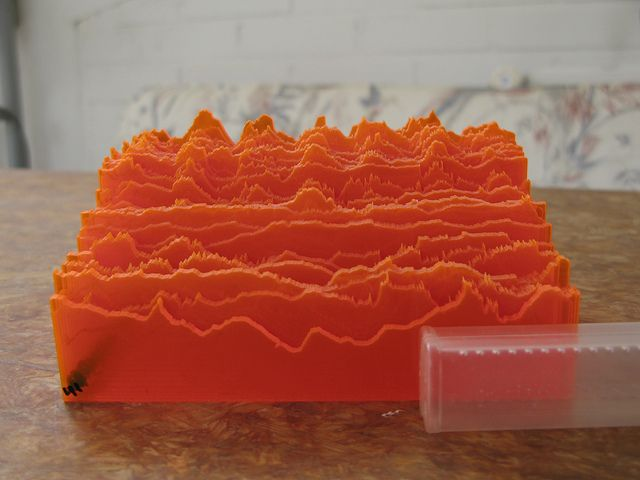
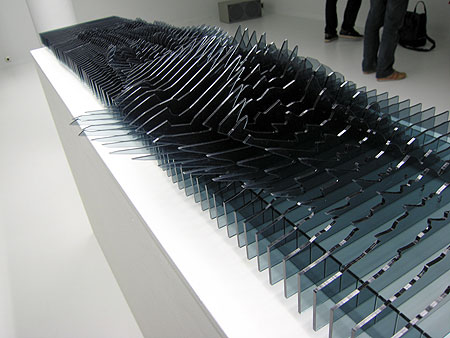
My research on the “Trotec Laser Cutter” in our FabLab at the FH has provided insights in the design possibilities with paper and thicker flat materials and turning them into 3 dimensional works. The laser cutter allows for three primary operations: engraving, etching, and cutting, from which you can obtain foldable shapes for displays or prototypes.

Artistic Designs

When working on artistic or decorative projects where precise dimensions are less critical, the kerf’s impact can often be disregarded. In these cases, the focus shifts to the aesthetic aspects and the overall visual appeal of the design, enabling greater creative freedom.

Proof-of-Concept or Rapid Prototyping

In the early stages of a project, such as proof-of-concept development or rapid prototyping, speed and iteration often take precedence over precision. At this stage, accounting for kerf may not be necessary. Quickly fabricating prototypes allows for efficient testing and refinement of the design without being hindered by minor details like kerf adjustments.

Inspiration

Possible Materials

Kerf cutting

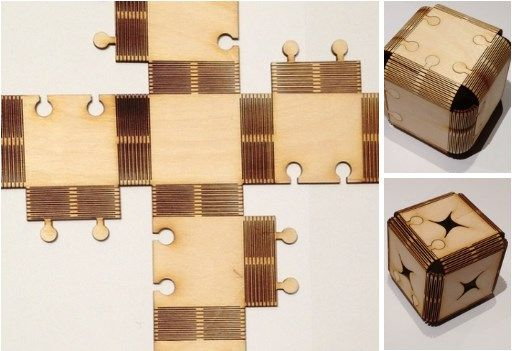
This is a technique that takes advantage of the kerf by weakening your material to allow for flexible sections (shown below). This works best in thinner wood materials, with downloadable templates

Understanding and accounting for kerf is an important aspect of designing for laser cutting. Kerf refers to the width of material that is removed during the cutting process, resulting in the laser beam vaporizing or melting away a small portion of the material. While kerf may seem like a minor detail, it can affect the overall dimensions and fit of your final design. There are instances where considering kerf is crucial:

  • Interlocking Parts: If you’re designing parts that need to fit together snugly, such as puzzle pieces or interlocking joints, you must account for the kerf. Failing to adjust the design for kerf could result in parts that are too loose or too tight, compromising the functionality of the final assembly. In such cases, you can offset the design by the kerf width to ensure a precise fit.
  • Enclosures and Boxes: When creating enclosures or boxes with tabs and slots, the kerf should be taken into account to achieve proper alignment and fit. Without accounting for kerf, the slots may be too narrow, preventing the tabs from fitting correctly, or they may be too loose, resulting in an unstable structure. By adjusting the design dimensions based on the expected kerf, you can ensure the pieces fit together seamlessly.
  • Dimensional Accuracy: If your design requires precise dimensions, such as when creating parts that need to fit into existing objects or mechanisms, accounting for kerf is essential. Neglecting to adjust for kerf could lead to components that are slightly larger or smaller than intended, affecting the overall functionality and fit of the final product.

Resources:

Designing for Connection: The Impact of Social Validation in the Digital Age

Since we’ve been exploring a lot of cognitive- and neuro-basics, that are important to understand the principle behind Neurodesign, I wanted to highlight another very important part, which is important to consider while working on any project. As designers we focus on the creative work, but still our work envolves humans, to understand how to communicate with them through our work is crucial. Hence why I decided to research more on the topic of human behaviour and social structures.

Have you ever attended a church or religious service that was not one that you were used to? It might have gone something like this. You weren’t sure what was going to happen next, people were responding or praying or singing of chanting in what seemed like a foreign language. They seemed to be sitting or standing of kneeling at cues. You surreptitiously stole glances at everyone around you and tried to imitate what they were doing. If everyone stood up and put a paper bag on their heads and turned around three times, you probably would’ve looked to see where your paper bag was.

The question is simple: Why is the behavior of others so compelling to us? Why do we pay attention to and copy what others do? It’s called social validation. An instinctive and biological human need our society has become to guilt trip.

Because most people view themselves as independent thinkers, meaning that they like to think they are unique individuals with their own opinion and thoughts. The truth, however, is, that the need to fit in and belong is wired into our brains and our biology. We want to fit in, because evolutionary we were dependent on our social grouping. This is such a strong drive, that when people are in a unknown social situations, they will look to others to see how to behave. It’s not conscious process we don’t know that we’re doing it. 

THE BYSTANDER EFFECT

In a study from Latane and Darley (1968), participants sat in a room and completed questionnaires. While they completed their paperwork, smoke was released into the room from a vent. The experimental conditions varied:

• In one experimental condition, there was only one subject in the room, and that subject was not aware of the study.

• In another, there were three individuals in the room, but two were aware of the experiment. Those two were instructed to act unconcerned and continue to fill out their questionnaires while smoke filled the room.

• In a third experimental condition, there were three subjects in the room, all of whom were entirely unaware of the experiment.

So what did the people do? Did anyone take action by leaving the room and reporting the smoke? In the first condition, 75 percent of the subjects left the room and reported the smoke. In the second condition, only 10 percent of the subjects left the room and reported the smoke. In the third experiment, 38 percent left the room and reported the smoke. This research supports the notion that we look to others to validate what our behavior should be. The research shows that this is especially true when we’re uncertain about what to do.

In a more recent study on the bystander effect (Markey, 2000), Markey asked whether the bystander effect would also work in chat groups:

• If you asked a question in a chat group, would your sex determine how long it would take to get an answer?

• Would the number of other people (bystanders) in the chat room affect the time it would take to get help?

• Finally, if you asked for help from a specific person and addressed him by name, would you receive help faster?

The results? Gender didn’t have an effect, but the more people who were present in the chat group, the longer it took for someone to get help. Each additional person added to the chat group added about three seconds to the time it took to get help. For example, with only two people in the chat room, it took 30 seconds to get a response. With 19 people in the chat room, it took over 65 seconds to get a response. If you addressed a particular person, then it was as though no one else were in the room, and it took only 30 seconds to get a response.

WHY WOULD YOU LISTEN TO TOTAL STRANGERS?

Imagine you’re at a chain superstore looking for an HD flat-screen television. You stand there and stare at the large wall of HD televisions showing NASCA races. An innocent bystander walks by and you grab him and say “What do you think of this TV? Did you buy one? Would you buy it again if you had to do it all over?” He tells you his opinion and walks away. You grab the next person you see and say, “Hey there, do you have this TV? What do you think of it?” She tells you her opinion and walks away. You are at the store for 13 hours gathering opinions. This goes on until you feel secure in a decision. Sounds absurd? In the “real world,” it is absurd. Online, it’s not so absurd However, you won’t need 13 hours to browse products on a Web site. The online version of consumer feedback is faster. You can gather data by reading ratings and reviews. We will avidly read reviews from total strangers, and these reviews will sway our decision on whether, what, and when to buy. Why? We don’t know who the people reviewing the product are, where they come from, their likes and dislikes, or if they are anything like us-and yet, we trust them. If we see that a product has received only one out of five stars, we don’t even take a closer look. It’s social validation at work. What do others think?

How does social validation affect how we use websites?

Online ratings and reviews influence us greatly-most powerfully at a non-conscious level. There are lots of ways to use ratings. Some are more effective than others. For example, the site that follows doesn’t put any rating information on the first page. We have to click on a specific product before the rating appears. This means they aren’t using social validation as effectively as they could. By waiting until a later screen to show rating information, they risk losing our attention. We may never get to the next screen to even see the ratings.

RECENT RESEARCH ON WEB SITE RECOMMENDATIONS FOR PRODUCTS VERSUS “EXPERIENCES”

Website visitors’ decisions when buying digital cameras (Product Condition) and choosing tourist destinations (Experiences Condition). The researchers were interested in whether recommendations would be equally influential for both products and experiences. When recommendations were provided for a particular item, that item sold 20 percent more volume than an item for which there were no recommendations. If recommendations were provided for a particular travel destination, that destination was selected 10 percent more often than a destination for which there was no recommendation. If a photo of the person accompanied the travel recommendation, the travel experience condition increased to 20 percent. What did others do? Another effective variation is to show what other people actually ended up buying. When the conscious mind kicks in. There is one way the conscious mind might kick in to the conversation. Sometimes (but it’s rare), we start to get suspicious. This usually happens only if we have information that leads us to doubt ratings. For example, a friend of mine used to work at a company that hired people to post positive product ratings. “What if they’re all fake?” she asked. Now her cortex (new brain) is disagreeing with her old brain. Her old brain says, “I want to be like everyone else,” even when she’s not aware it’s saying that. But her new brain says, “Maybe this isn’t accurate data.” The old brain will probably win in the end. If she reads some reviews that are not 100 percent positive, and if the people writing those reviews seem like a “real” person who actually used the product, then the new brain’s objections can be squelched fairly easily.

“Listen to others? Not me, I’m logical”

Ratings and reviews work unconsciously to activate our need for social validation. But they also give us the rationalization we need or want after we have made our decision unconsciously. Data, charts, graphs, and statistics allow us to tell ourselves we are making the wise choice.

TELL ME A STORY

The most powerful ratings and reviews involve narratives and storytelling. Reviewer feedback is most powerful when we know more about the reviewers than just their names and the dates their feedback was posted. We listen more closely to people we know and trust. If we are listening to someone we don’t know, then we will try to (unconsciously) determine if the person is like us. We are also very influenced by stories. Taking this into account, what kinds of ratings and reviews will influence us the most? Were most influenced (in this order) when:

We are most influenced when we know the person and the person is telling a story. It is unlikely that we will be reading a review online by someone we actually know. That brings us then to #2. We are somewhat less influenced when we don’t necessarily know the person, but it’s still someone we can imagine because there is a persona, a name (or company name). Again, it always helps if the person is telling a story. We’re even less influenced when we don’t know the person, and we can’t imagine them, but we are provided with a story. We are least influenced when we don’t know the person, and we’re provided with only a rating.

CONCLUSION

Social validation not only influences our purchase decisions, but it also affects other behavior, such as how we might experience a Website. For example, a highly-rated video might influence us to watch the video ourselves, thereby influencing our behavior. Showing how many people performed a particular action at the Website is powerful. We’re called to act when we know what others have experienced with a product, or we know what they’re doing at a Website, or we even know what they are doing right now. We will do what others are doing. We will be drawn to belong.

Incorporating an understanding of social validation into the education of designers is crucial because it deepens their ability to create meaningful, user-centered designs. As we’ve seen, human behavior is strongly influenced by social dynamics—whether in physical environments or digital spaces. When designers grasp the innate need for connection and the unconscious drive for social validation, they can create experiences that resonate more deeply with users. This insight helps designers craft not only visually appealing projects but also emotionally compelling ones that guide user behavior and engagement. Recognizing that people are drawn to what others are doing, thinking, or experiencing allows designers to predict and influence how their work will be received. By learning these cognitive and social patterns, designers can move beyond aesthetics and build designs that foster community, trust, and a sense of belonging. This approach not only enhances user satisfaction but also drives more effective, purposeful design outcomes. Therefore, integrating these principles into design education ensures that future designers are equipped to create experiences that connect, engage, and ultimately, succeed.
Possible Examples from Africa

In my first Blogpost I highlighted some large-scale events from around the world.
These events are more or less connected to the western world or the way of living there.

In the next steps I would like to find out if there are some similar events on other continents, that can highlight the change in culture and design through its appearance.

Possible Events for Africa:

1. African Football Championship (Africa Cup of Nations – AFCON)

2. FESTAC – Festival of African Arts and Culture

3. Durban International Film Festival (DIFF)

4. Cape Town International Jazz Festival

5. Lake of Stars Festival (Malawi)

6. Marathon des Sables, Sahara

7. Chale Wote Street Art Festival (Ghana)

8. AFRIMA – All Africa Music Awards

9. Nile Valley International Film Festival (Egypt)

10. Afrochella (Ghana)


The next step will be about getting to know more about these events and if they could help to examine the interactions between social trends and the design language on the African continent.

Real-World Applications of Sustainable Graphic Design

Turning Principles into Action

Sustainable graphic design is no longer a theoretical ideal, it is a practical approach driving real-world change. Across industries, organizations and designers are adopting innovative solutions to reduce environmental impact while maintaining high-quality design. This post will highlight case studies and examples that illustrate how sustainable practices are being effectively implemented.

Case Studies of Sustainable Design

  1. Patagonia: Eco-Conscious Branding and Packaging
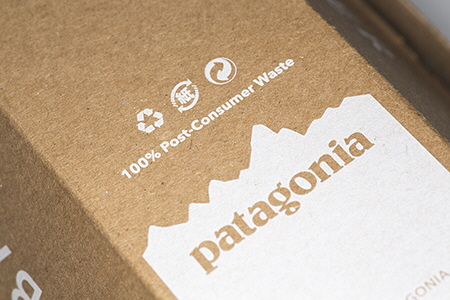
    Patagonia’s commitment to sustainability extends to every facet of its branding. Their product tags and packaging are made from post-consumer recycled paper and printed with soy-based inks. This reduces waste and aligns with their broader environmental mission. As Wendy Jedlicka highlights in Packaging Sustainability, Patagonia’s approach demonstrates the power of integrating sustainable practices into business strategy while maintaining strong visual appeal.
Patagonia: Eco-Conscious Branding and Packaging
  1. Google: Digital Sustainability Practices
    Google exemplifies energy-efficient digital design. Their teams implement lightweight design strategies, reducing website energy consumption and enhancing user experience. By optimizing code, compressing images, and utilizing renewable energy-powered servers, they lead in reducing the digital carbon footprint, as discussed in Green Graphic Design by Brian Dougherty. Their approach highlights the importance of applying sustainability principles to digital media, an often-overlooked aspect of graphic design.
Google: Digital Sustainability Practices
  1. IKEA: Circular Design Innovations
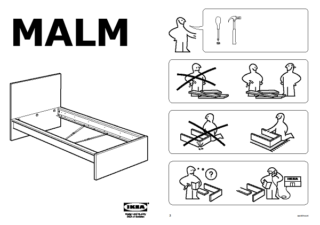
    IKEA’s design ethos extends to sustainability in packaging and product instructions. Their flat-pack furniture not only reduces transportation emissions but also showcases minimal ink usage in manuals. Additionally, IKEA’s commitment to offering modular, repairable furniture emphasizes the importance of designing for longevity, a concept championed in Cradle to Cradle by William McDonough and Michael Braungart.
Ikea’s Minimalistic Manuals

Lessons Learned from Best Practices

These examples demonstrate that sustainable design is both achievable and beneficial:

  • Collaboration is Crucial: Sustainable solutions often emerge from partnerships with suppliers and innovators, such as Patagonia’s use of eco-conscious printing processes.
  • Scalability is Possible: From global leaders like Google to smaller studios adopting waterless printing, sustainable design principles can be applied at any scale.
  • Consumer Engagement Matters: Design doesn’t just reduce environmental harm, it also educates and inspires consumers to make more sustainable choices.

Challenges and Opportunities

Despite progress, designers still face hurdles when implementing sustainable practices:

  • Cost Barriers: Eco-friendly materials and processes can be more expensive, especially for smaller projects.
  • Knowledge Gaps: Many designers lack access to training or tools for sustainable workflows.
  • Client Resistance: Convincing clients of the value of sustainability often requires presenting evidence of its long-term benefits.

References

  • Dougherty, B. (2008). Green graphic design. Allworth Press.
  • Jedlicka, W. (2011). Packaging sustainability: Tools, systems, and strategies for innovative package design. Wiley.
  • McDonough, W., & Braungart, M. (2002). Cradle to cradle: Remaking the way we make things. North Point Press.

Tools to Support Sustainable Graphic Design

  1. Paper and Printing Tools
    • Recycled Paper: Premium options like Mohawk Options or Neenah Environment ensure high quality while using post-consumer materials.
    • Eco-Friendly Certifications: Work with suppliers certified by the FSC or Rainforest Alliance.
  2. Environmental Impact Calculators
    The Environmental Paper Network provides tools to estimate the environmental costs of paper choices and explore sustainable alternatives.
  3. Digital Tools
    • Website Carbon Calculator: Estimate the energy consumption of websites to identify optimization opportunities.
    • Ecofont: A typeface designed to reduce ink consumption during printing.
  4. Packaging Design Resources

Packaging design offers significant opportunities for innovation in sustainability. In Packaging Sustainability: Tools, Systems, and Strategies for Innovative Package Design, Wendy Jedlicka highlights examples of eco-friendly packaging solutions that illustrate the principles of sustainable design:

  • Apple’s Minimalist Packaging: Designed with fewer components and made from recycled materials, Apple’s packaging reflects a commitment to efficiency and sustainability.
Apple’s Minimalist Packaging
  • Patagonia’s Recycled Content: By using post-consumer recycled materials, Patagonia minimizes environmental impact and aligns packaging with its broader environmental mission.
  • Biodegradable Innovations: Certain brands are now utilizing plant-based materials like cornstarch polymers, which decompose more easily in the environment.
  • Refillable or Reusable Packaging: Products like refillable containers for cosmetics and personal care items reduce waste by encouraging multiple uses.

References

  • Jedlicka, W. (2011). Packaging sustainability: Tools, systems, and strategies for innovative package design. Wiley.

1.1 Designing Interfaces and AI for Calm and Well-being

A Digital Path to Mental Health Support

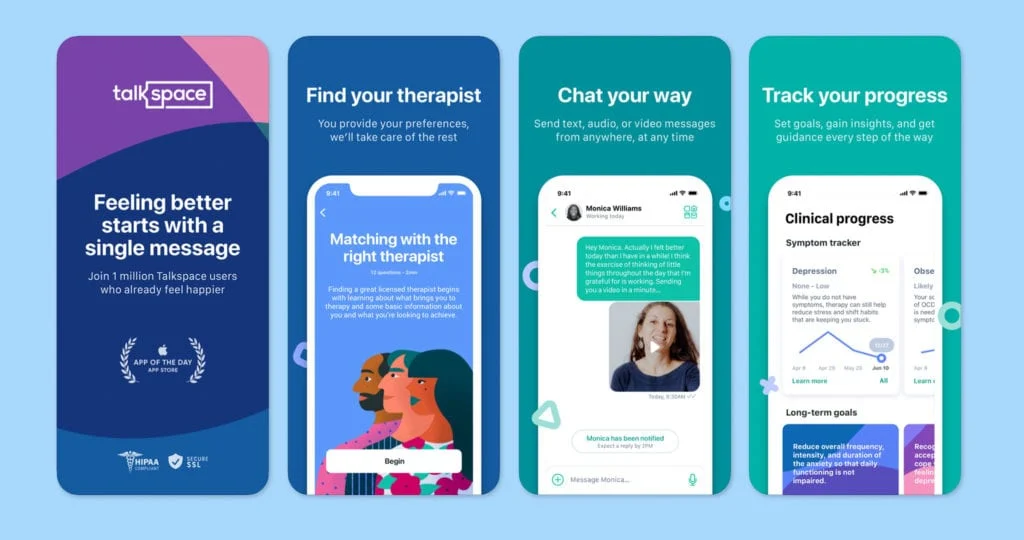
In today’s fast-paced world, stress and anxiety are part of daily life for many people. Finding mental health support has never been more important, but traditional therapy is often expensive and hard to access. That’s where technology comes in. Apps like Calm, Headspace, Wysa, BetterHelp, and Talkspace are helping millions of people take care of their mental health by offering tools like guided meditation, mood tracking, AI-powered chatbots, and even direct access to therapists.

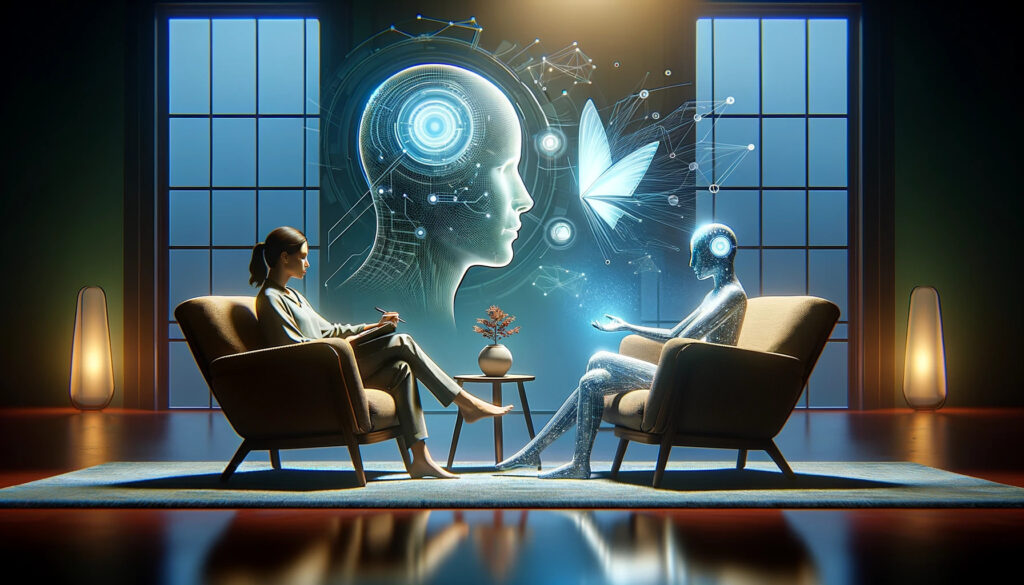
Image Source: onemindpsyberguide.org

Smartphones have made mental health care more accessible than ever. Mobile health apps offer a private and convenient way to improve mental well-being, breaking down barriers like cost, access, and stigma. There are now hundreds of thousands of health apps, with a significant number focused on mental health, and they’re popular with both users and clinicians. However, there are still concerns about security, privacy, and how effective these apps really are.

One of the most exciting developments in this space is the use of chatbots, AI-powered tools that allow users to have conversations about their mental health. These chatbots are available 24/7, creating a safe space for users to share sensitive information without fear of judgment. They can also provide immediate support when human connections aren’t available. But they’re not perfect. Sometimes their responses are too simplistic or even wrong, which can frustrate users. And while some people find chatbots comforting, others may rely on them too much, which could lead to feelings of isolation.

These tools have incredible potential, but there’s still room to improve. How can we design these apps to be even more effective? How do we make them feel personal and calming? Can design and artificial intelligence work together to create better tools for mental health support? These are the questions I’ll explore in this blog series, focusing on how thoughtful design, like intuitive layouts, smooth transitions, and calming animations, can make a difference. I’ll also look at how AI can act as a “digital companion” that provides personalized and empathetic support.

Central Research Questions

This project focuses on two key questions:

  1. How can UX/UI design elements make mental health apps more calming and accessible?
  2. What role can AI play in providing personalized and empathetic mental health support?

To answer these questions, I’ll look at how clear navigation and interactive features can help users feel more relaxed and supported. I’ll also explore how chatbots and AI systems can create a sense of trust and connection by feeling more human and empathetic. Finally, I’ll consider ethical issues, like protecting user privacy while using data to personalize the experience.

Why This Matters for Designers

Good design isn’t just about making something look nice, it’s about solving problems and improving people’s lives. Mental health apps are a great example of how design can make a real difference. Micro-interactions, like a gentle animation when you complete a task, can help users feel supported and motivated. These small touches might seem minor, but they create a sense of care and connection.

Colors also play an important role. Calming shades of blue and green can help users feel more relaxed, while warm tones, used sparingly, can create feelings of safety and comfort. Simplicity is key: clear, uncluttered layouts can help users navigate the app without feeling overwhelmed.

Information architecture – how content and features are organized, is another critical piece. A well-designed app might prioritize frequently used tools like mood tracking or journaling, while keeping other features easily accessible but out of the way. This reduces mental load and ensures users can focus on their well-being.

What makes this project especially exciting is the opportunity to design for emotional connection. It’s not just about functionality, it’s about creating an experience that feels personal and meaningful. With mental health challenges on the rise, designers have a chance to create tools that genuinely help people feel better.

Challenges I Expect to Face

Designing mental health apps comes with unique challenges. Personalization is essential, but it requires sensitive user data, which raises concerns about privacy and security. People need to feel confident their information is safe, so building trust is a top priority.

Another challenge is finding the right balance between simplicity and functionality. Apps need enough features to be useful, but too many can overwhelm users. Testing and user feedback will be crucial to getting this right.

The design also needs to avoid overstimulation. Too many animations, notifications, or bright colors can cause stress instead of reducing it. Ensuring the design feels calm and supportive is key.

Chatbots, while promising, present their own challenges. Poorly designed responses can frustrate users or even cause harm in a crisis. Making chatbots feel empathetic and reliable, while avoiding over-dependence, will require thoughtful design and testing.

Image Source: sessionshealth.com

Why This Matters to Me

Have you ever used ChatGPT to ask for advice or encouragement, like it’s a therapist? I have. It made me realize how much potential AI has to provide meaningful support. Mental health is something we all deal with at some point, and the idea of creating tools that make support more accessible feels deeply personal to me.

This project isn’t just about building an app, it’s about creating something that feels like a companion. A tool that understands what users need, offers comfort, and helps them feel calmer and more in control. Combining thoughtful design with AI to make a real impact on people’s lives is what excites me most about this project.

What’s Coming Next

In the upcoming blog posts, I’ll explore topics like color psychology and how specific colors can create calming digital environments. I’ll also dive into micro-interactions and how small design details, like animations and transitions, can make apps feel more intuitive and relaxing.

Another focus will be analyzing successful mental health apps, such as Calm, BetterHelp, and Wysa, to understand what makes them work. I’ll also look closely at the potential and challenges of chatbots, exploring how they can provide round-the-clock support while addressing their current limitations, like handling crises and overly simplistic responses.

The ultimate goal is to develop a foundation of ideas for creating mental health apps that blend thoughtful design with AI. These could include guidelines or even a prototype that shows how these ideas come to life in a practical, user-friendly way.

Sources

  1. “BetterHelp | Professional Therapy With A Licensed Therapist.” BetterHelp. Accessed: Dec. 2, 2024. [Online.] Available: https://www.betterhelp.com/
  2. “Calm – The #1 App for Meditation and Sleep.” Calm. Accessed: Dec. 2, 2024. [Online.] Available: https://www.calm.com/
  3. “Headspace: Meditation and Sleep Made Simple.” Headspace. Accessed: Dec. 2, 2024. [Online.] Available: https://www.headspace.com/
  4. M. D. R. Haque & S. Rubya. (2023). An overview of chatbot-based mobile mental health apps: Insights from app description and user reviews. JMIR mHealth and uHealth11, e44838. https://doi.org/10.2196/44838
  5. M. Neary & S. M. Schueller. (2018). State of the field of mental health apps. Cognitive and Behavioral Practice25(4), 531–537. https://doi.org/10.1016/j.cbpra.2018.01.002
  6. “Talkspace – #1 Rated Online Therapy, 1 Million+ Users.” Talkspace. Accessed: Dec. 2, 2024. [Online.] Available: https://www.talkspace.com/
  7. “Wysa – Everyday Mental Health.” Wysa. Accessed: Dec. 2, 2024. [Online.] Available: https://www.wysa.com/

Visual branding in Kpop 

The K-pop industry is deeply rooted in visuality and design. The carefully decided visual elements, from album covers and music videos to stage outfits and choreography, play a central role in the global appeal of K-pop. In the following, it is explored how visuality and design shape the branding of K-pop, with an emphasis on the construction of identity, the role of fashion, and the impact of media aesthetics in creating a consistent and powerful image.

The Role of Visual Identity in K-pop

At the core of K-pop branding is the creation of a unique visual identity for each idol or group. This visual identity includes not only the appearance of the idols but also the overall aesthetic that is used to represent the group’s concept. K-pop groups are known for reinventing themselves with each album or comeback, adopting new concepts, fashion styles, and visual themes that keep their brand new and engaging. 

For example, the girl group BLACKPINK has consistently maintained a dual visual identity: “black” represents their fierce and edgy side, and “pink” reflects a softer, more glamorous side. This contrast is mirrored in their fashion, music videos, and promotional content, allowing fans to easily recognize their brand (Kang, 2020). 

Album Design and Conceptual Imagery

Album covers, photo books, and promotional materials are crucial tools for establishing a group’s visual identity. K-pop agencies invest heavily in creating concept-driven album designs that reflect the group’s narrative and style. Each album release becomes an opportunity to express the group’s evolving image through design, often including specific colors, textures, and motifs that align with the concept of the music.

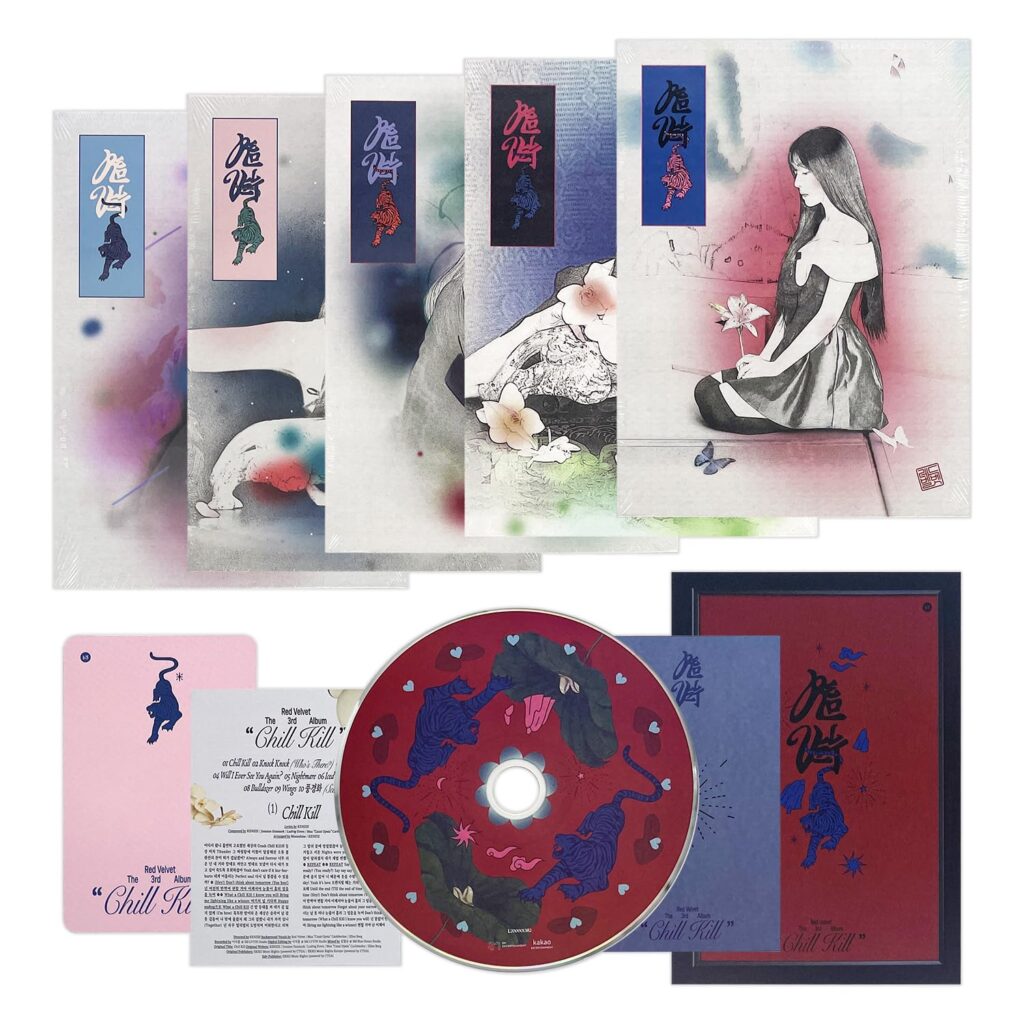
For instance, Red Velvet’s album designs often emphasize the contrast between the “red” (bold, energetic) and “velvet” (soft, elegant) sides of their concept. The album covers use a combination of strong, eye-catching colors and luxurious textures to reflect these contrasting themes.

Music Videos as Visual Branding Tools

Music videos are perhaps the most significant platform for K-pop artists to showcase their visual branding. The high-budget, cinematic quality of K-pop videos sets them apart from Western music videos, with intricate choreography, extravagant set designs, and dramatic costume changes that emphasize the group’s identity. According to Lee (2021), K-pop music videos function not only as promotional tools but as full-fledged artistic expressions that integrate visual storytelling with sound, offering fans an immersive experience.

The music video for BTS’s “Blood Sweat & Tears” is a prime example of how visual aesthetics can enhance the branding of a group. The video is filled with complex symbolism, artistic references, and surreal imagery that connect with the group’s ongoing narrative about personal growth, struggle, and self-awareness. The careful selection of colors, lighting, and set design communicates deeper emotional and philosophical messages, adding layers to the group’s image that resonate with global audiences.

Fashion and Styling as a Branding Strategy

Fashion plays a pivotal role in K-pop branding, as idols are often seen as style icons whose outfits become instant trends. Designers and stylists work with K-pop agencies to create signature looks for idols that align with the group’s concept and image. These fashion choices are not simply about clothing—they are an extension of the group’s brand and identity.

For instance, Stray Kids have been known for their bold and experimental style choices that reflect their energetic, youthful, and at times rebellious identity. Stray Kids’ wardrobe is often a mix of streetwear, high fashion, and industrial elements, conveying their raw, authentic image.

The members’ individual styles also contribute to the group’s overall branding. Each member has a distinct fashion sense, ranging from minimalist and sleek (Bang Chan’s leather jackets and fitted outfits) to more daring and bold looks (Hyunjin’s experimental streetwear styles). These personalized fashion choices add a layer of individuality to their collective identity, allowing fans to connect with the group on a deeper level.

Choreography and Stage Design as Visual Branding

K-pop idols are known for their highly synchronized, visually stunning dance routines that not only demonstrate their talent but also reinforce the group’s identity. The performance of these choreographies, combined with the visual elements of lighting, set design, and camera work, creates a cohesive aesthetic that is memorable for audiences.

For example, ITZY’s choreography is designed to reflect empowerment and confidence, aligning with their brand identity as a girl group that encourages self-expression and independence.

The Interplay of Visuality and Narrative in K-pop Branding

Creating a Cohesive Visual Storyline

In K-pop, the visual elements are often tightly interwoven with the group’s narrative and concept. Each album cycle tells a story, and this narrative is conveyed through the design elements—whether through the progression of album concepts, the symbolism in music videos, or the evolution of fashion styles. K-pop agencies carefully concept this narrative, ensuring that every visual detail serves a purpose and enhances the group’s overarching theme.

Engaging Fans through Visual Content

In K-pop, fans are deeply invested in the visual branding of their favorite idols, often forming strong emotional connections to the aesthetic choices that define each group. The use of fan-centric visual content, such as teaser images, behind-the-scenes footage, and concept photos, keeps fans engaged and involved in the branding process. This content provides fans with a sense of exclusivity, making them feel like they are part of the group’s visual journey.

Moreover, the growing importance of social media platforms like Instagram, Twitter, and Weverse allows fans to engage directly with the group’s visual identity. Fans frequently interact with idol photos, share concept images, and even create their own fan art based on the group’s aesthetics. This fan-driven content not only strengthens the group’s branding but also fosters a sense of community and belonging.

Conclusion

Visuality and design are at the heart of K-pop branding. From album art and music videos to fashion and stage design, every visual element serves to create a distinct identity for K-pop groups that resonates with fans worldwide. 

Ultimately, K-pop’s mastery of visual branding has transformed it into a multi-sensory experience, where music, fashion, and visual design work together to create an immersive and unforgettable global phenomenon.

Sources

Kang, H. (2020). *Fan-driven Marketing and K-pop: The Role of Fans in Shaping Identities and Brands*. Asian Journal of Communication, 30(4), 435-450.

Kim, Y. (2019). *Fashion as Branding: The Role of Style in K-pop’s Global Appeal*. Fashion Theory, 23(2), 227-247.

Lee, J. (2021). *Music Videos as Visual Branding Tools in K-pop*. Journal of Media and Communication Studies, 23(1), 15-27.

https://go.gale.com/ps/i.do?id=GALE%7CA612721664&sid=googleScholar&v=2.1&it=r&linkaccess=abs&issn=01908286&p=AONE&sw=w&userGroupName=anon%7E7dc12d28&aty=open-web-entry

https://www.warc.com/newsandopinion/opinion/inside-culture-what-brands-can-learn-from-k-pop-marketing-about-how-to-create-cultural-capital/en-gb/6724

https://www.hatch.sg/post/bts-branding-success

Ideenfindung. Künstlerinnen der Geschichte?

Erste Wahl wurde verworfen

Diese hätt wiefolgt ausgesehen:

Es sollte eine Kunst-Ausstellung in Zusammenarbeit mit einem visuellen Künstler erstellt werden. Dabei soll den kreativen Prozess des Künstlers/der Künstlerin durch die Messung von Gehirnströme mittels EEG während der Entstehung seiner Gemälde beobachtet werden. Die EEG-Daten werden anschließend durch generative Designs in statische Grafiken übersetzt und als großformatige Drucke neben den jeweiligen Gemälden präsentiert, um den Besuchern einen Einblick in den kreativen Schaffensprozess zu geben. Ein interaktiver Teil ermöglicht es den Besuchern, selbst ein EEG-Gerät auszuprobieren und ihre Gehirnaktivitäten in Echtzeit als visuell ansprechende Grafiken zu erleben. Das Projekt verbindet Kunst und Technologie, indem es komplexe, dynamische biologische Daten in greifbare, visuelle Kunstwerke transformiert.

Diese Idee und Ausstellung fände ich auch persönlich sehr spannend. Jedoch bin ich sehr abhängig von einer zweiten Person, was ich erstmal vermeiden will. Ohne die zweite Person und der Ausstellung handelt es sich hauptsächlich um ein grafisches Projekt, in dem Gehirnströme Dargestellt werden. Finde ich interessant, jedoch habe ich die Befürchtung, dass hier im Laufe der Arbeit viel Wissen im Medizinischen/Neurologischen Bereich angehäuft wird. Mir ist jedoch sehr wichtig, dass ich in meiner Masterarbeit Fähigkeiten in Bereichen vertiefe, die ich beruflich weiterverfolgen will. 

Also kommt hier eine neue Idee

Idee ist die Entwicklung einer digitalen, interaktiven Galerie in Form einer Web-App. Diese Galerie wird als Plattform dienen, auf der selbst entwickelte interaktive Kunst- und Designexperimente präsentiert und von den Nutzern entdeckt werden können. Der Schwerpunkt liegt dabei auf visueller Kreativität und Animation. Die “digitale Galerie” würde eine Sammlung von Animationen und Designexperimente beinhalten, die mithilfe von Tools wie p5.js, Processing, Canvas.js und Greensock realisiert werden. Besucher der Website haben die Möglichkeit, in Echtzeit mit den Animationen zu interagieren und verschiedene visuelle Effekte zu erkunden. Die Galerie könnte kontinuierlich erweitert werden, indem neue Projekte und kreative Experimente hinzugefügt werden. 

Forschungsfrage: “Wie können interaktive Web-Anwendungen, die auf visueller Kreativität und Animation basieren, das Benutzererlebnis verbessern und zur Erkundung künstlerischer Inhalte anregen?“ 

Eingrenzung: Das Projekt könnte sich speziell auf die Frage konzentrieren, wie Nutzer durch interaktive visuelle Elemente in Echtzeit mit den Inhalten interagieren. Dies könnte untersucht werden, indem verschiedene Arten von Animationen und Interaktionen (z. B. Mausbewegungen, Klicks oder Gesten) getestet werden, um herauszufinden, welche Designs die Benutzer am stärksten einbinden. Darüber hinaus könnte das Thema auf den Einsatz bestimmter Technologien wie p5.js und Greensock begrenzt werden, um deren jeweilige Stärken im Hinblick auf kreative Coding-Experimente und Animationen zu erforschen. 


Aber ich bin noch nicht wirklich zufrieden mit dem Thema, bzw. brauche ich noch konkreten Kontext oder eine spannendere Forschungsnische. Darum geht die Suche nach einer Idee weiter. Momentan sind mich noch folgende Varianten von dieser Idee eingefallen:

Genauere Verfeinerung

Psychologische Wirkung von Web-Animationen

Forschungsfrage: Wie beeinflussen visuelle Stile und Interaktionsmöglichkeiten die Wahrnehmung von Animationen im Web?

Ansatz: Experimentieren mit unterschiedlichen visuellen Stilen (z. B. minimalistisch, überladen) und untersuchen, wie diese die Aufmerksamkeit und das emotionale Erlebnis der Nutzer beeinflussen.

Messbare Punkte: Eyetracking-Daten, emotionale Bewertungen, Erinnerungsfähigkeit.

Vergleich statischer und dynamischer Designs

Forschungsfrage: Inwiefern unterscheiden sich Nutzererlebnisse zwischen statischen Designs und dynamischen, interaktiven Animationen?

Ansatz: Erstellung von zwei Versionen der Galerie (statisch und dynamisch) und A/B-Tests durchführen, um die Auswirkungen auf Engagement und Nutzerzufriedenheit zu messen.

Messbare Punkte: Interaktionsraten, Verweildauer, qualitative Nutzerbewertungen.

Untersuchung von Interaktionstypen

Forschungsfrage: Welche Interaktionstypen (z. B. Mausbewegung, Touch, Gesten) fördern das Engagement mit animierten Webinhalten?

Ansatz: Implementation von verschiedene Interaktionsmöglichkeiten und Tests, welche Art von Input (z. B. Gestensteuerung vs. Maussteuerung) zu mehr Engagement und positiverem Feedback führt.

Messbare Punkte: Nutzerpräferenzen, Engagement-Raten, Interaktionshäufigkeit.

Inhaltliche Tiefe erzeugen

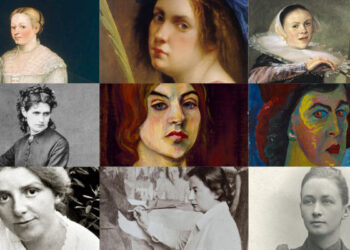
Ich fände es auch spannend, die einzelnen Unterseiten an weibliche Künstlerinnen der Geschichte zu widmen und den jeweiligen Stil an ihre Kunst anzulehnen. Also „moderne, digitale Kunstgalerie zur Representation von Künstlerinnen der Geschichte“ zu erstellen.

Forschungsfrage: Wie können interaktive, digitale Kunstgalerien genutzt werden, um das Bewusstsein für die Werke und den Einfluss weiblicher Künstlerinnen der Geschichte zu fördern und die Nutzererfahrung zu bereichern?

Messmethoden: Nutzerengagement, Lerneffekt, Emotionale Resonanz

Zusätzlicher Fokus

Ethik und Inklusion: Bewusst auch weniger bekannte Künstlerinnen, insbesondere aus unterrepräsentierten Regionen oder Communities.

Designvielfalt: Experimente mit der Frage, wie sich klassische Kunststile in ein digitales Medium übersetzen lassen, ohne ihren Charakter zu verlieren.

© Fotos: Wikipedia (gemeinfrei)

Meine persönliche Motivation

Dieses Thema ist allgemein wichtig, weil weibliche Künstlerinnen in der Kunstgeschichte oft übersehen oder marginalisiert wurden, obwohl sie einen bedeutenden Beitrag zur kulturellen und kreativen Entwicklung geleistet haben. Als kreative Feministin ist es mir natürlich besonders ein Anliegen.

Links

https://www.lostwomenart.de

https://www.furche.at/feuilleton/kunst/frauen-in-der-kunstgeschichte-ignoriert-und-hintergangen-7923758

Buch:
Künstlerinnen im Laufe der Geschichte
ISBN: 978-620-6-10094-2

#01 Breaking social isolation in public spaces

Public spaces like parks, squares, and plazas are essential to urban life. These areas should offer opportunities for relaxation, escaping the busy city life and connection with others. But, most of the time people are for themselves, lacking meaningful interactions. This phenomenon is particularly striking in urban neighborhoods, where anonymity is growing, and the sense of community is shrinking. However, several studies have shown that belonging to a community has a positive effect on people’s mental and physical health (Cramer, Pawsey 2023), (Kitchen, Williams, Chowhan 2011). Baumeister and Leary (1995) describe belonging even as a fundamental human motivation. 

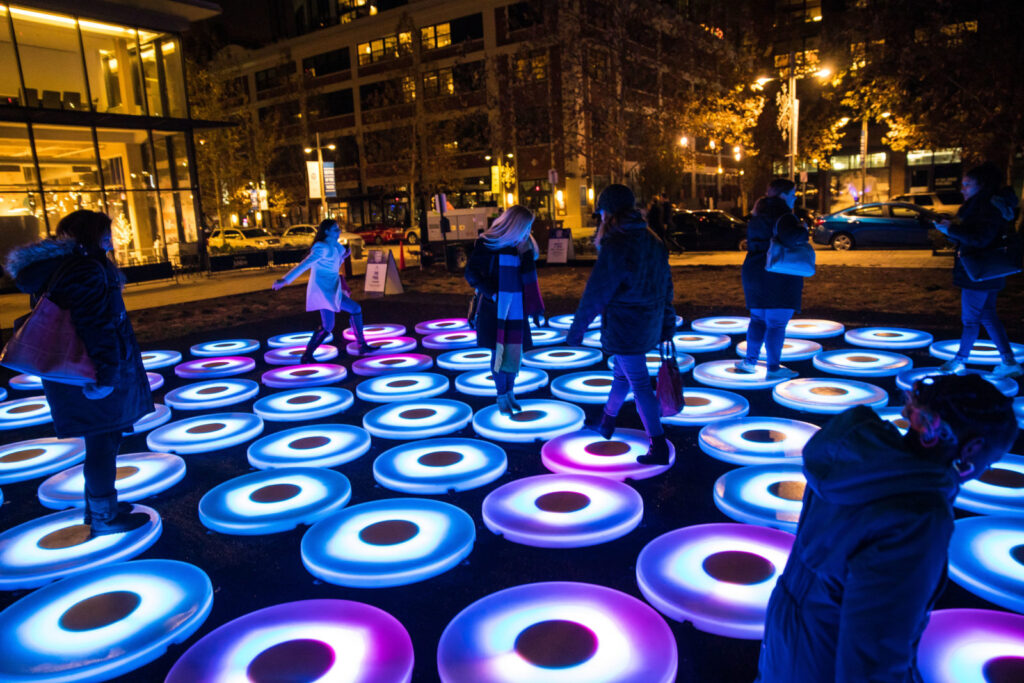
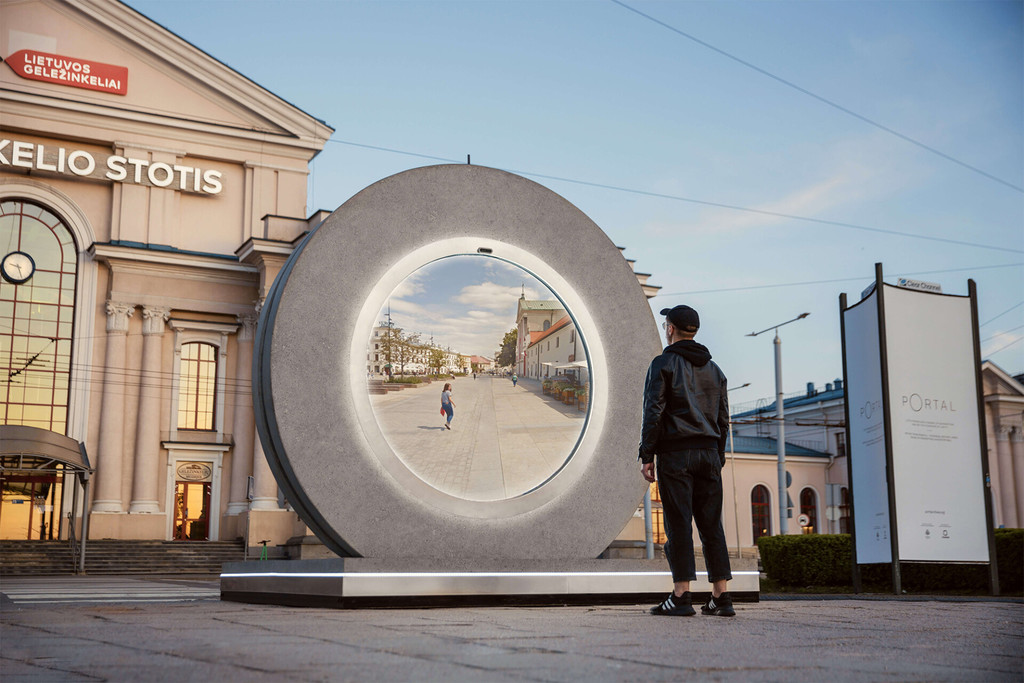
Therefore, the research investigates if interactive installations have the potential to transform the public space into an environment that breaks the social isolation by creating playful experiences that invites people to interact with the installation itself and create a space that encourage social engagement. Can such shared experiences between different people of different background and ages help to strengthen the sense of belonging, strengthen the community and connection within a neighborhood and create a space where people come together?

Source: https://dcist.com/story/18/12/07/let-there-be-light-two-interactive-art-installations-brighten-yards-park/
Source: https://www.portals.org/portal/vilnius

Personal motivation
I am living in a new neighborhood with a great nice park as the center of it, which actually could be a great place of community and interactions. However, the park is rarely used by residents of the neighborhood, primarily due to its lack of amenities. Only few weeks ago few benches were installed, but overall, the space remains largely uninviting.

Next steps
In the next step, I would like to take a closer look at urban design with a focus on public spaces. How are they defined and what must be considered when constructing a public space. I also want to focus on the social dimensions of public spaces. In the second part of research I will dive deeper into the design aspect. That includes learning about interactive installations, the different types available, tools and methods used to create them and studying best practices.

Bringing all these topics into a cohesive concept and finding a type or direction for interactive installations that can be universally used in different public spaces, can be challenges during this research.


Literature
K. M. Cramer and H. Pawsey, „Happiness and sense of community belonging in the world value survey“, Current Research in Ecological And Social Psychology, Bd. 4, S. 100101, Jan. 2023, doi: 10.1016/j.cresp.2023.100101.

P. Kitchen, A. Williams and J. Chowhan, „Sense of Community Belonging and Health in Canada: A Regional Analysis“, Social Indicators Research, Bd. 107, Nr. 1, S. 103–126, März 2011, doi: 10.1007/s11205-011-9830-9.

Baumeister, Roy F. and Leary, Mark R., “The Need to Belong: Desire for Interpersonal Attachments as a Fundamental Human Motivation”, Psychological Bulletin 1995, Vol. 117, No. 3, 497-529