Design and media are powerful cultural tools that shape perceptions and influence societal norms. Within these fields, the role of women* and the examination of feminist perspectives reveal a nuanced landscape where creativity intersects with social change. In the previous blogposts, I have defined and explained a few terms associated with the topic of feminism, I will be starting the research of the beginnings of feminism in graphic and communication design.
Geographics of Feminist Graphic Design Approaches
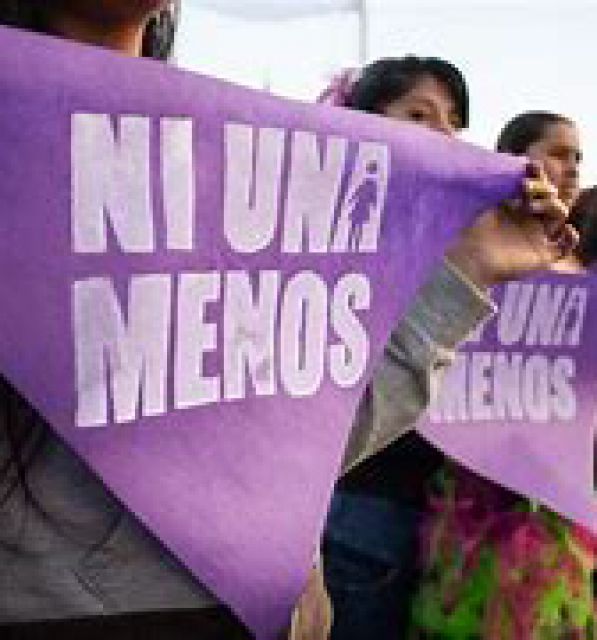
Feminist graphic design approaches are not uniform; they adapt to the cultural, social, and political contexts of different regions. In Northern Europe, for example, feminist graphic design often emphasizes clarity and functionality, mirroring broader societal values of equality and inclusiveness. Scandinavian countries like Sweden have seen urban planning projects incorporating gender perspectives, such as designing bus stops with better lighting and visibility to ensure women’s safety (Gender Equality at the Heart of the City | Urbact.eu, 2021). In contrast, in countries with more pronounced gender inequalities, feminist graphic design may take on a more confrontational or subversive tone. For instance, in regions of Latin America, bold graphic campaigns such as “Ni Una Menos” use stark, evocative imagery to highlight the pervasive issue of femicide. “Ni una menos” is a social feminist movement that started 2015 in Argentina because of a big amount of femicides happening in that time (Bedrosian, 2023). These geographic variations underscore the adaptability of feminist graphic design as it seeks to address diverse cultural realities while maintaining its core commitment to justice and representation.
Feminist Design
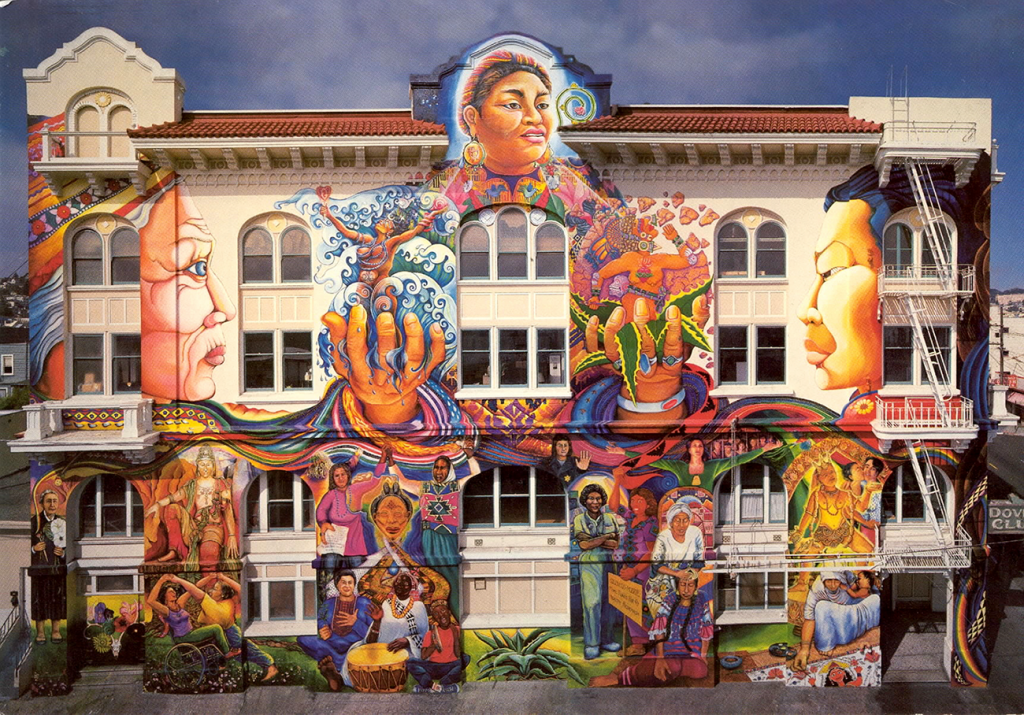
At its core, feminist design prioritizes inclusivity, equity, and the dismantling of systemic biases. As graphic design reflects a society and culture, it also reflects the feminist movement towards equality by the creation of visuals that support inclusivity and diversity. It encourages the critical reflection on how women are represented in media and design and designers like Sheila Levrant de Bretteville emphasize collaboration or question gender-roles and narratives in traditional graphic design. One notable example is her design of the Women’s Building mural in Los Angeles, which brought together diverse female artists to celebrate women’s contributions to history (Jewish Women’s Archive, 2024).
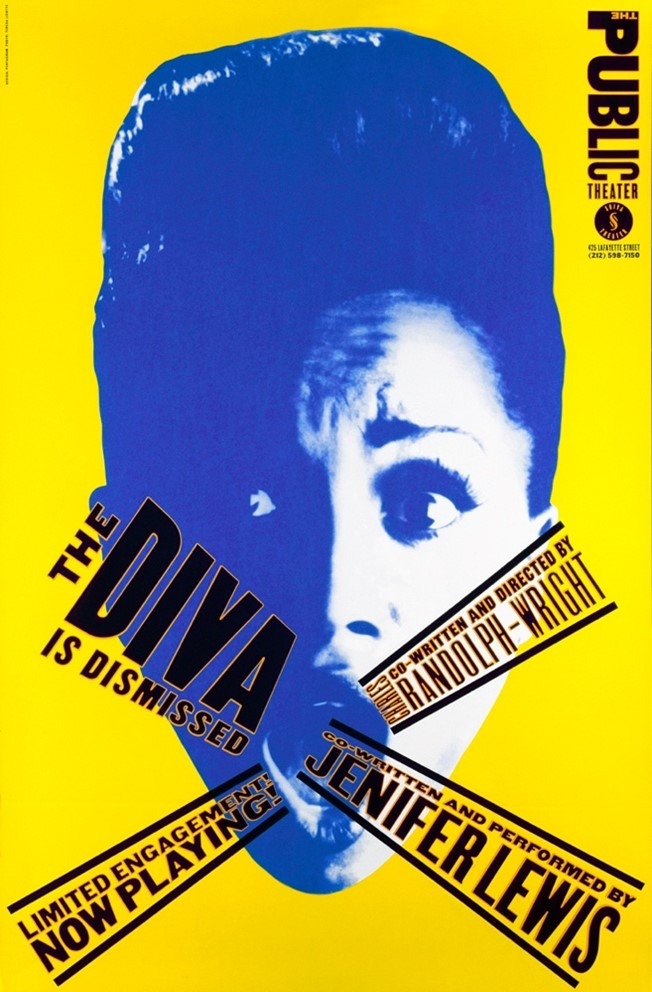
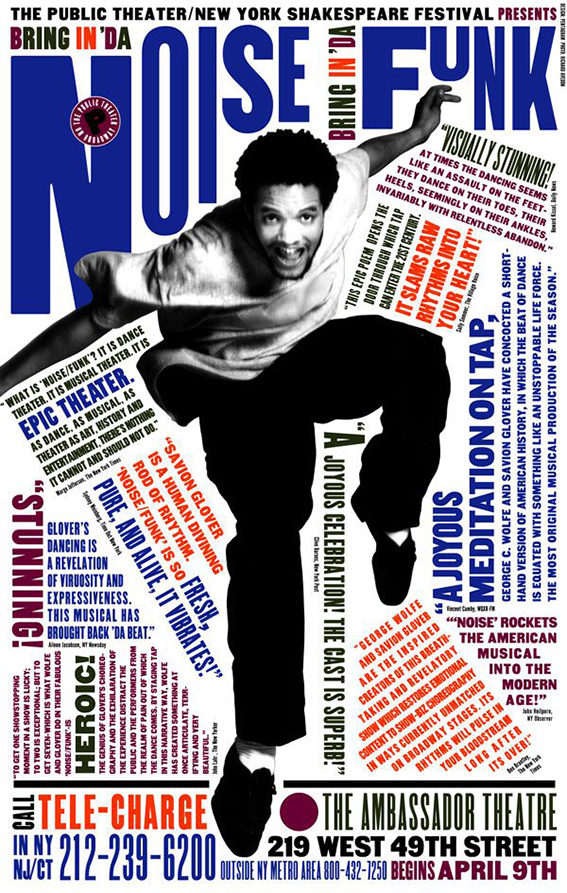
The main principles for change of feminism in graphic design are representation and the reinforced stereotypes and it gained momentum in the late 20Th century. Designers like Paula Scher or April Greiman tried to challenge these norms by focusing on specific design aspects like typography, branding or colours (Vermeulen, 2024). For example, feminine products and branding was traditionally created with very flowy, cursive and serif fonts and designers like Paula Scher try to break up these hierarchal design norms with bold typography and colors (Farr, 2021).
An example of a grassroot movement in the publishing media sector focusing on punk music and feminism:
Riot Grrrl Zine
The Riot Grrrls is a movement of punk feminists that started in the early 1990s and is often associated with the third wave feminism. This movement initiated and therefore included a broad diy-culture focused on zines. These zines and also the music addressed topics like arts, political actions, activism and issues like rape, domestic violence, sexuality, racism and female empowerment (Hopper, 2011). A message often spread by members of the movement was ‘you matter’ indicating an outrage about representation and validation of women.
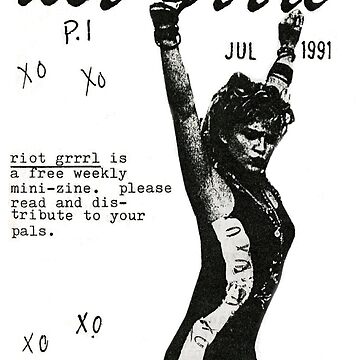
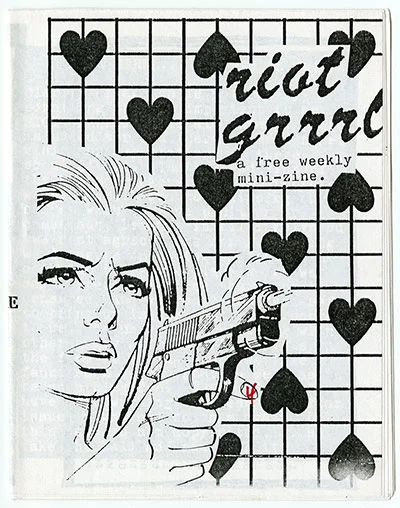
The mini zines were a kind of social activism in which women and feminists could form a community and share their experiences through self-publishing and next to mainstream media. Everyone was encouraged to publish and create their own zine, the design was raw and unpolished, often created using basic materials like scissors, glue and photocopiers, featuring lots of hand drawn images (Laing, 2013).
These zines were a way to reclaim the male-dominated media and punk scenes and empowered personal stories or grassroot activism. They often included call to actions and encouraged women to protest, start bands, join collectives etc. Ultimately it served as a means to bypass the gatekeeping of cultural production and stories of women (in Punk) (Jackson, 2022).
Though many white women found solace and comfort in riot grrrl, the movement lacked intersectionality as women of color were and felt excluded from the movement (Farrington, 2020).
*In this blog post, I primarily use the term “women” when discussing feminism and related issues. This choice is grounded in the historical context of feminist movements, which have traditionally centered on the experiences and struggles of women. However, it is important to emphasize that this usage is meant to include and apply to all individuals who fall under the FLINTA* umbrella (Female, Lesbian, Intersex, Nonbinary, Trans, and Agender people).
Sources
Bedrosian, A. (2023, March 31). Ni Una Menos. Bpb.de. https://www.bpb.de/shop/zeitschriften/apuz/femizid-2023/519674/ni-una-menos/
Farr, S. A. (2021, February 2). Analyzing Paula Scher’s Design Process. Medium. https://sarahafarr.medium.com/analyzing-paula-schers-design-process-9a17cb1bf569
Farrington, E. (2020, December 24). When punk went feminist: the history of riot grrl – Gen Rise Media. Web.archive.org. https://web.archive.org/web/20201224041151/https://www.genrisemedia.com/2020/05/12/when-punk-went-feminist-the-history-of-riot-grrl/
Gender equality at the heart of the city | urbact.eu. (2021). Urbact.eu. https://urbact.eu/good-practices/gender-equality-heart-city
Hopper, J. (2011, January 20). Riot Girl: still relevant 20 years on. The Guardian. https://www.theguardian.com/music/2011/jan/20/riot-girl-20-years-anniversary
Jackson, A. (2022, July 17). Start a Riot (and a Zine), Grrrl. JSTOR Daily. https://daily.jstor.org/start-a-riot-and-a-zine-grrrl/
Jewish Women’s Archive. (2024). Los Angeles’ Woman’s Building remembered . Jewish Women’s Archive. https://jwa.org/thisweek/jan/15/2012/womans-building
Laing, O. (2013, June 29). The art and politics of riot grrrl – in pictures. The Guardian. https://www.theguardian.com/music/gallery/2013/jun/30/punk-music
Vermeulen, S. (2024, September 26). Feminism in Graphic Design. Vermeulen Design Studio Wuppertal. https://www.vermeulen-design.com/blog/feminism-graphic-design
