As I researched the development of web art, I became fascinated by its growth in the early 2000s. At that time platforms like Flash helped web art thrive. But as Flash was discontinued and web optimization, e-commerce and SEO became more important, web art started to fade, becoming a smaller part of the internet.
For my prototype, I wanted to see if it’s possible to bring web art back in a new way—through vibecoding, a method where creativity guides coding to produce art. Because I didn’t have enough time to fully create a web art website, I decided to let participants make small digital art artifact using p5.js. With the help of ChatGPT and DeepSeek, three people created their own art in just 15 minutes.
The participants were diverse in terms of age and experience: one was 60 years old and had never used AI for coding before; another was 25 with no coding experience; and the third was 24 and knew basic JavaScript. After the activity, I asked them about their experience and how they felt during the session.
What I learned from this experiment is that with a little guidance and some basic knowledge of the subject, AI can make it easier for people to get involved in web art. Even with limited experience, the participants were able to create their own pieces quickly. AI and vibecoding, therefore, can open the door for anyone to join the world of web art.
Looking at this, I think web art might be ready for a comeback. Thanks to AI tools, more people can now experiment and contribute, even without advanced skills. The time could be right for web art to return and gain new life.
What happens when you give someone just 15 minutes to turn a creative idea into a web artwork — without planning, rules, or polish? Can you, without prior knowledge of coding create something meaningful in a short amount of time?
That’s exactly what my prototype is trying to explore.
The Idea
In this prototype, participants are invited to sit down, open Processing, and bring a web-based art idea to life. They have only 15 minutes — no tutorials, no perfection. I want to bring people from different experience levels to this session to compare the results.
How It Works
A person joins the session. They bring an idea for a small digital artwork — something they want to try or express.
They have 15 minutes. In that time, they generate code for Processing using AI Tools like ChatGPT or DeepSeek to make their idea real. It doesn’t have to be finished or perfect — it just has to feel right.
The results are saved. Each step or version they create is collected, so we can see how their idea grows or changes during the session.
A short interview follows. After the session, I ask a few quick questions:
How did it go?
Did the result match what you imagined?
What surprised you?
What I Want to Learn
This project is about more than just quick and dirty artworks. I want to understand:
How people think creatively under time pressure
What kinds of ideas can appear in a short vibecoding session
If the vibecoding session finishes with a product that matches the expectations of the participants
Years ago, websites were creative, strange, and full of personality. People built them with love, using simple tools and wild ideas. But over time, the internet became more professional. Web design followed rules, templates, and business goals. Today, many websites look clean — but also the same.
Now, some developers and artists are talking about vibecoding as a way to bring that creativity back.
But what is vibecoding, and is it really a good thing?
What Is Vibecoding?
Vibecoding means creating based on feeling — not rules, not performance goals, not best practices. You go with your instinct and design something that just feels right. It’s fast, personal, emotional, and often a bit messy.
Some people see this as the return of digital creativity. Others see it as the start of bad habits.
Let’s take a look at both sides.
The Pros: Vibecoding and the Return of Web Art
1. It brings freedom
You don’t have to follow every rule or design system. You can experiment and build something that’s totally your own. That opens the door for more creative, original websites.
2. It helps you build faster
Without spending hours on perfect structure or documentation, you can get your ideas online quickly — like sketching with code.
3. It supports digital art
Not every website needs to be practical or profitable. Some can simply express a feeling or mood. Vibecoding encourages this kind of artistic web expression.
4. It feels more human
When you stop worrying about pixel-perfection or clean CSS, your work might feel more personal. Imperfection can be charming.
The Cons: Where Vibecoding Can Go Wrong
1. Performance problems
Vibecoded websites can be slow, unoptimized, or hard to use on mobile. That creates a bad experience for users — especially those with poor internet or old devices.
2. Poor accessibility
Without thinking about screen readers, color contrast, or keyboard use, your site might not work for people with disabilities.
3. Hard to maintain
When you build something quickly, the code might be difficult to read or fix later. What feels fun today might turn into a headache tomorrow.
4. Encourages bad habits
Some developers use vibecoding as an excuse to skip learning good practices. That can lead to careless or even broken websites — especially if they grow in size or audience.
So… Is Vibecoding the Future or a Step Back?
Vibecoding is not perfect — but it’s also not useless. It can be a powerful tool when used in the right context:
Great for: personal websites, creative portfolios, digital art, quick ideas
Risky for: business websites, public apps, team projects, anything that grows
Maybe the best approach is a balance. Let vibecoding guide the emotion and mood, but also care about the structure, performance, and accessibility. You can be both an artist and a professional.
Final Thought
The web doesn’t have to be boring or broken. Vibecoding reminds us that it’s okay to feel, play, and create — not just optimize. But true creative power comes when we blend freedom with responsibility.
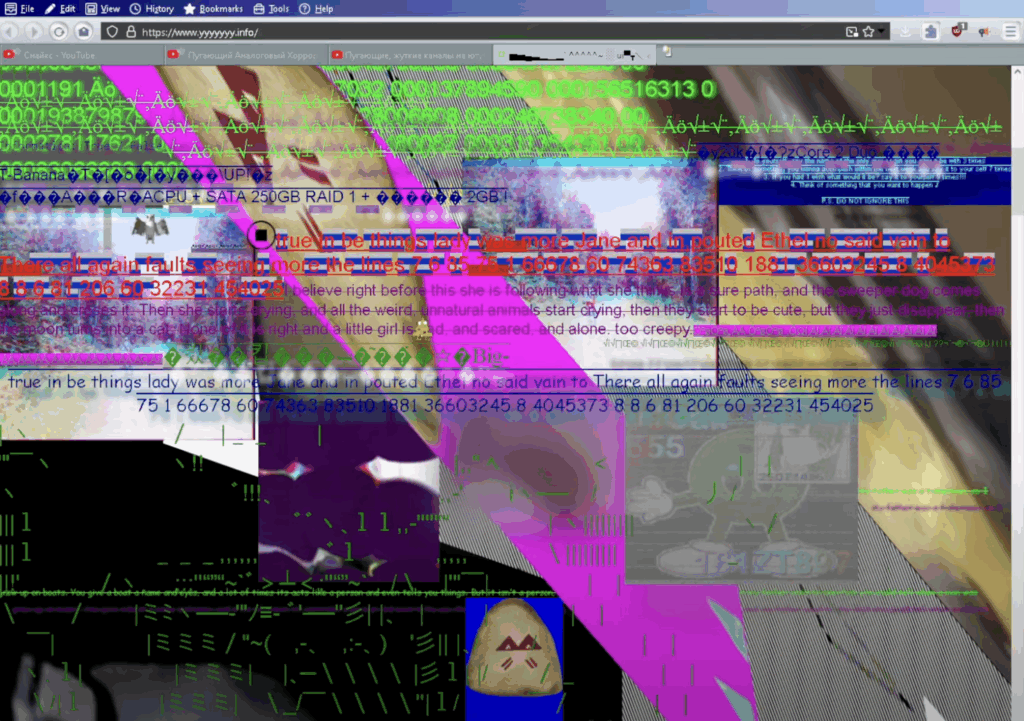
Net art (also called net.art) is a type of art that exists only on the internet. It doesn’t just use the web to share images—it uses the web itself as the art. This kind of art started in the 1990s, and it is very different from what we usually see online today. It doesn’t try to sell anything or look perfect. Instead, it focuses on feeling, experience, and sometimes even confusion.
Net art is full of strange designs. It often looks like websites from the early internet—raw HTML, broken images, old GIFs, and strange links. These websites may seem like mistakes, but many parts are made on purpose. The goal is not to make things easy, but to make people explore and feel something. Some websites are made to look like video games, blogs, or even computer viruses, but they all hide deeper ideas under their strange looks.
There are many styles and themes in net art. Some use ASCII art (pictures made with letters and symbols). Others create fake online worlds or use broken design to create a special mood. A site like Ghost City feels like a dream, while Jim Punk uses bugs and glitches to show how strange the internet can be. These works often mix fun with serious topics like memory, fear, or digital life.
One interesting part of net art is how it makes the user feel. These websites are not easy to use. You have to click around, get lost, and try to understand what’s going on. Some links don’t work anymore, but that’s part of the idea—nothing on the internet lasts forever. This shows how fast things change online and how easy it is to lose digital memories.
Sometimes, net art is shown in real museums. For example, one project at UC Berkeley showed a broken desktop with old journal entries. But most net art stays online, where it works best. It’s not made to hang on a wall—it’s made to live in a browser.
My Opinion Net art is very different from modern websites and apps. Today, everything online is fast, clean, and made for profit. But net art shows another side of the internet—one that is creative, strange, and emotional. As a designer, I think that’s very exciting. We often focus too much on making things “perfect.” Net art reminds us that mistakes, confusion, and emotion can be part of design too. It gives us freedom to break the rules and try new things. Even if it’s old and broken now, net art still has something important to say.
There was a time when the art world was confined to physical walls—museums, galleries, studios. Access was limited, gatekeepers held the keys, and artists needed a foot in the door before they could be heard, seen, or celebrated. But with the rise of the internet, all of that changed.
The digital space—the vast, decentralized network that makes up our online lives—has become more than just a tool. It has become a canvas, a stage, a studio, and even a marketplace. Over the last few decades, art has carved out its own corner of the web, evolving from early digital experiments to fully immersive experiences, reshaping how we create, consume, and interact with creative expression.
The Origins: Pixels and Possibilities
The seeds of digital art were planted long before social media or online galleries. As early as the 1960s, artists began experimenting with computers, using algorithms and programming languages to generate shapes and forms. But it wasn’t until the internet became accessible in the 1990s that things truly started to shift.
Artists discovered that they could not only make work using digital tools, but also share it instantly, globally. Platforms like DeviantArt, Tumblr, and early web forums gave rise to new communities—DIY spaces where creators supported each other, collaborated across continents, and rejected traditional hierarchies.
From Niche to Movement
As the web matured, so did the digital art scene. New aesthetics emerged—glitch art, net art, and later, generative art driven by code. Artists began to question what it meant to “own” or “exhibit” a piece of work in a space where everything is infinitely reproducible. Some embraced the ephemeral nature of the internet; others used it to archive and immortalize their creations.
By the 2010s, platforms like Instagram turned art into scrollable experiences. Suddenly, visibility wasn’t dependent on geography or institutional support—it was algorithmic, viral, and sometimes wildly democratic. Meanwhile, digital tools evolved. With the rise of software like Processing, TouchDesigner, and later AI-powered platforms, artists found new ways to collaborate with technology itself.
Claiming Space: Art in the Web3 Era
Fast-forward to today, and digital art is not just a fringe movement—it’s a legitimate, disruptive force. The emergence of NFTs and blockchain technology added a layer of value and ownership to digital files, shaking the foundations of the traditional art market. Virtual galleries, online auctions, and decentralized platforms now offer artists unprecedented control over their work and how it’s distributed.
But even beyond commerce, the internet has allowed art to exist in dialogue with its audience in real-time. It’s more interactive, more accessible, and often more experimental than ever before. The web is no longer just where art is posted—it’s where it’s born.
What’s Next?
In this series, we’ll explore the many faces of art in the digital age—from the rise of generative art and algorithmic aesthetics to the communities that shaped the early web’s creative underground. We’ll look at how artists are using new technologies, navigating online spaces, and redefining what it means to be a creator in a world where the gallery is the screen, and the studio is everywhere.
Welcome to the age of cloud-native creativity. Art isn’t just on the internet anymore—it is the internet.