Sustainability in Climbing Board Design: Materials, Energy, and Durability

Climbing gyms and tech-enhanced climbing boards are at the heart of modern bouldering culture. However, the materials, energy demands, and disposability of these systems can have significant environmental impacts. As the sport continues to grow, adopting sustainable design practices in climbing board creation is essential to reduce waste, conserve energy, and protect the planet. This blog explores how sustainable materials, energy efficiency, and durability can help make climbing boards more eco-friendly without compromising usability.


Sustainable Materials for Climbing Boards

One of the simplest ways to make climbing boards more sustainable is by focusing on the materials used in their construction. Sustainable materials can significantly reduce the carbon footprint of gym equipment:

  • Recycled or Renewable Materials: Using reclaimed wood or recycled plastics for board structures and climbing holds minimizes waste. Renewable options like bamboo are both lightweight and durable, making them ideal for climbing walls.
  • Non-Toxic Finishes: Avoiding toxic adhesives, paints, or sealants protects both the environment and climbers. Opting for low-VOC (volatile organic compound) finishes ensures a safer gym environment and reduces harmful emissions during production.

By integrating eco-friendly materials into climbing board designs, manufacturers can create products that support environmental sustainability without sacrificing quality.


Energy Efficiency in Tech-Enhanced Boards

Tech-heavy climbing boards, such as those equipped with LED lighting or AR projection systems, often consume significant amounts of energy. Reducing energy use in these systems is key to sustainable gym practices:

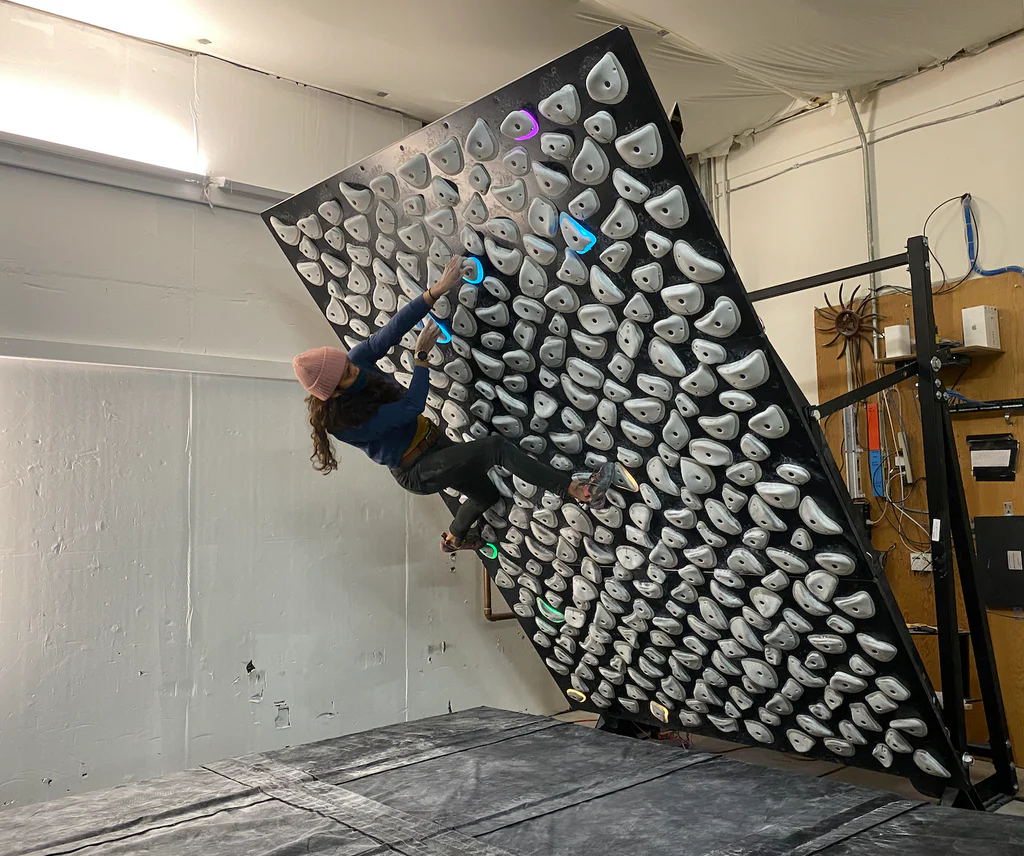
  • Low-Energy LEDs: Using energy-efficient LED systems with smart dimming features can cut power consumption without compromising performance. LEDs that only light up the holds being used can further optimize energy use.
  • Solar-Powered Solutions: Gyms in sunny climates could explore solar panels to power climbing boards or other equipment, reducing reliance on non-renewable energy sources.
  • Energy-Saving Projectors: For AR-enabled climbing boards, adopting projectors with low power consumption and longer lifespans reduces energy costs and waste over time.

Energy efficiency not only benefits the environment but also reduces operating costs for gyms, making sustainability a win-win.


Durability and Longevity

Durable climbing boards and holds are essential to minimizing waste and promoting sustainability. Designing for longevity ensures that equipment remains functional for years without frequent replacements:

  • Robust Materials: Holds made from high-quality, wear-resistant materials can withstand heavy use without cracking or degrading, reducing the need for frequent replacements.
  • Modular Systems: Boards designed with modular components allow gyms to replace or upgrade specific parts instead of the entire system. For example, individual LED panels or hold placements can be swapped out as needed, extending the board’s lifespan.
  • Maintenance-Friendly Designs: Boards that are easy to clean, repair, and maintain ensure that gyms can maximize their investment while minimizing waste.

Durable and modular designs save money, reduce material waste, and enhance the overall sustainability of climbing boards.


Conclusion

Sustainability in climbing board design is not just a trend; it’s a necessity. By prioritizing sustainable materials, energy-efficient technologies, and long-lasting designs, manufacturers and gyms can significantly reduce their environmental impact. These practices not only benefit the planet but also create cost-effective and durable solutions for climbing spaces.

Adopting eco-friendly practices in climbing board design ensures that the sport we love continues to thrive without compromising the environment. By making conscious choices today, we can help shape a sustainable future for climbing enthusiasts around the world.
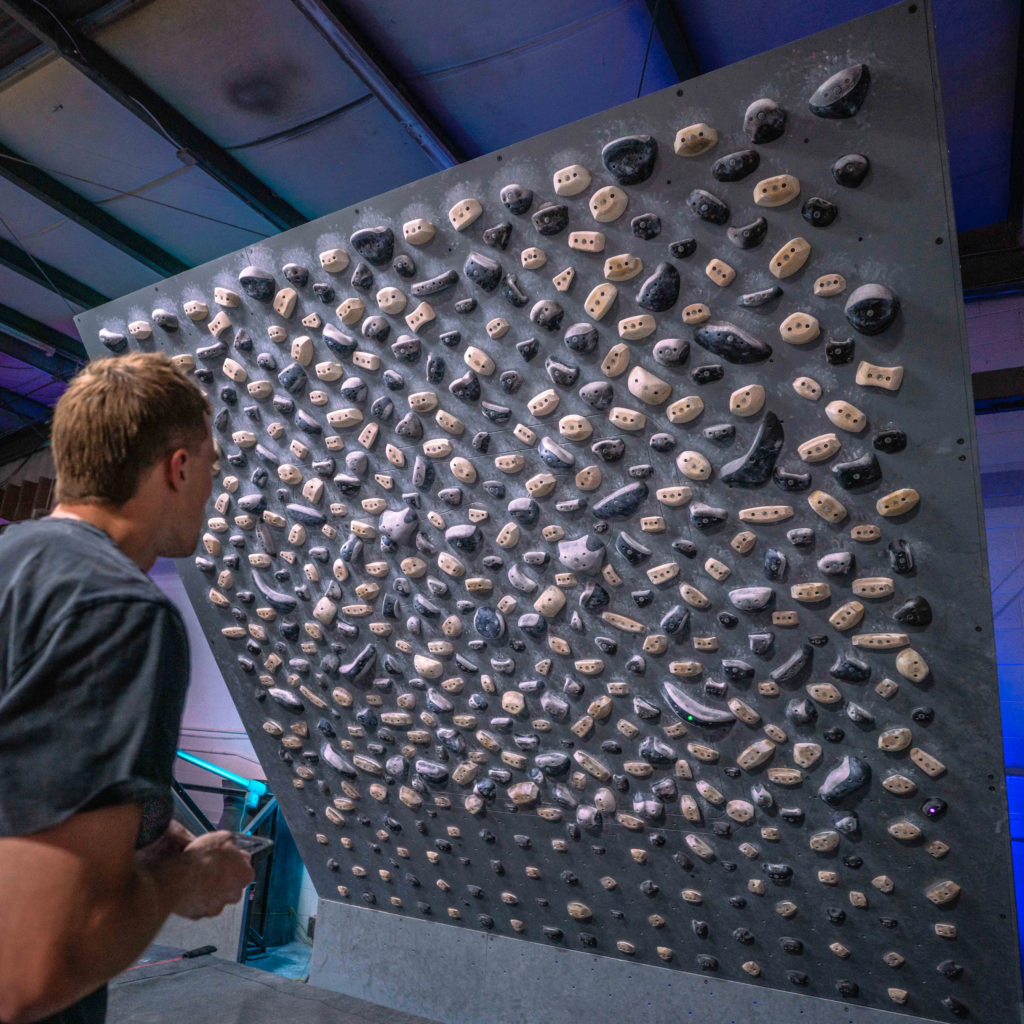
Lowering the Costs of Climbing Boards: Affordable Alternatives and Techniques

Climbing boards like the MoonBoard and Kilter Board are transformative tools for climbers, but their high costs can be a significant barrier, especially for smaller gyms or home setups. Fortunately, there are creative ways to lower these costs without compromising on quality or functionality. In this post, we explore various cost-saving techniques, including alternatives to LED systems, affordable materials, and innovative technologies like projectors and augmented reality (AR).


1. Using a Projector or AR Instead of LEDs

LED integration is one of the most expensive components of modern climbing boards. Substituting LEDs with a beamer (projector) or augmented reality system can significantly reduce costs while still providing a dynamic climbing experience.

How it Works:

  • A projector mounted near the climbing wall can highlight specific holds based on routes selected through a mobile app.
  • AR systems, often used in conjunction with smartphones or tablets, overlay route information directly onto the wall via the device’s camera.

Benefits:

  • Eliminates the need for complex LED wiring and associated costs.
  • Provides flexibility in displaying routes and patterns.
  • Easy to update or customize without replacing hardware.

Challenges:

  • Requires a dimly lit environment for optimal projector visibility.
  • Initial setup for AR systems can be complex.

Cost Savings:

  • Projectors range from $300 to $1,000, significantly less than integrated LED systems.
  • AR apps often have low subscription costs or one-time fees.

2. Simplifying the Hold Layout

Commercial climbing boards often include an extensive variety of holds, which can be expensive to replicate.

Cost-Saving Strategies:

  • Use fewer holds while still ensuring a good mix of crimps, jugs, and slopers.
  • Focus on modularity: start with a basic set and add more holds over time.
  • Utilize resin or plastic holds rather than pricier wooden or custom-made options.

Benefits:

  • Reduces initial investment without sacrificing usability.
  • Allows gradual upgrades as budget permits.

Cost Savings:

  • Basic hold sets can cost $300 to $500, compared to $1,000+ for premium collections.

3. Repurposing Existing Infrastructure

For gyms that already have climbing walls, retrofitting them into training boards can be a cost-effective option.

Steps to Consider:

  • Add a uniform grid and a selection of training-specific holds.
  • Use projectors or AR for route visualization.
  • Leverage existing resources like lighting and wall mounts.

Benefits:

  • Saves space and reuses materials already on hand.
  • Provides a dual-purpose setup for regular climbing and training.

Challenges:

  • May not match the precision or consistency of commercial boards.

Cost Savings:

  • Retrofitting typically costs $500 to $1,500 versus a full new installation.

4. Exploring Open-Source Software and Community Tools

Open-source apps and tools can replicate much of the functionality provided by proprietary systems without the hefty price tag.

Examples:

  • OpenClimb: Allows climbers to log and share routes using a mobile device.
  • Homemade LED controllers, which can be paired with cheaper components.

Benefits:

  • Free or low-cost solutions for route management and tracking.
  • Opportunity to customize software to specific needs.

Challenges:

  • May require some technical know-how for setup.

Cost Savings:

  • Open-source solutions eliminate recurring subscription fees.

Conclusion: Affordable Climbing Board Solutions

While premium climbing boards like the MoonBoard and Kilter Board offer exceptional training features, their high costs can deter gyms with limited budgets. By exploring alternatives like projectors, simplified hold layouts, and open-source software, gyms can create cost-effective training solutions that deliver excellent value. Embracing community involvement and leveraging existing resources further enhances these setups, ensuring climbers of all levels have access to effective training tools without breaking the bank.

Exploring already existing Climbing Boards in Bouldering: MoonBoard, Tension Board, Kilter Board, and More

Climbing boards have revolutionized the way climbers train, offering a dynamic and systematic way to build strength, technique, and endurance. Popularized by their versatility and community-driven route setting, boards like the MoonBoard, Tension Board, and Kilter Board have become staples in bouldering gyms worldwide. In this blog post, we’ll explore the key types of climbing boards, their pros and cons, and their costs to help gym owners and climbers alike make informed decisions.


1. MoonBoard

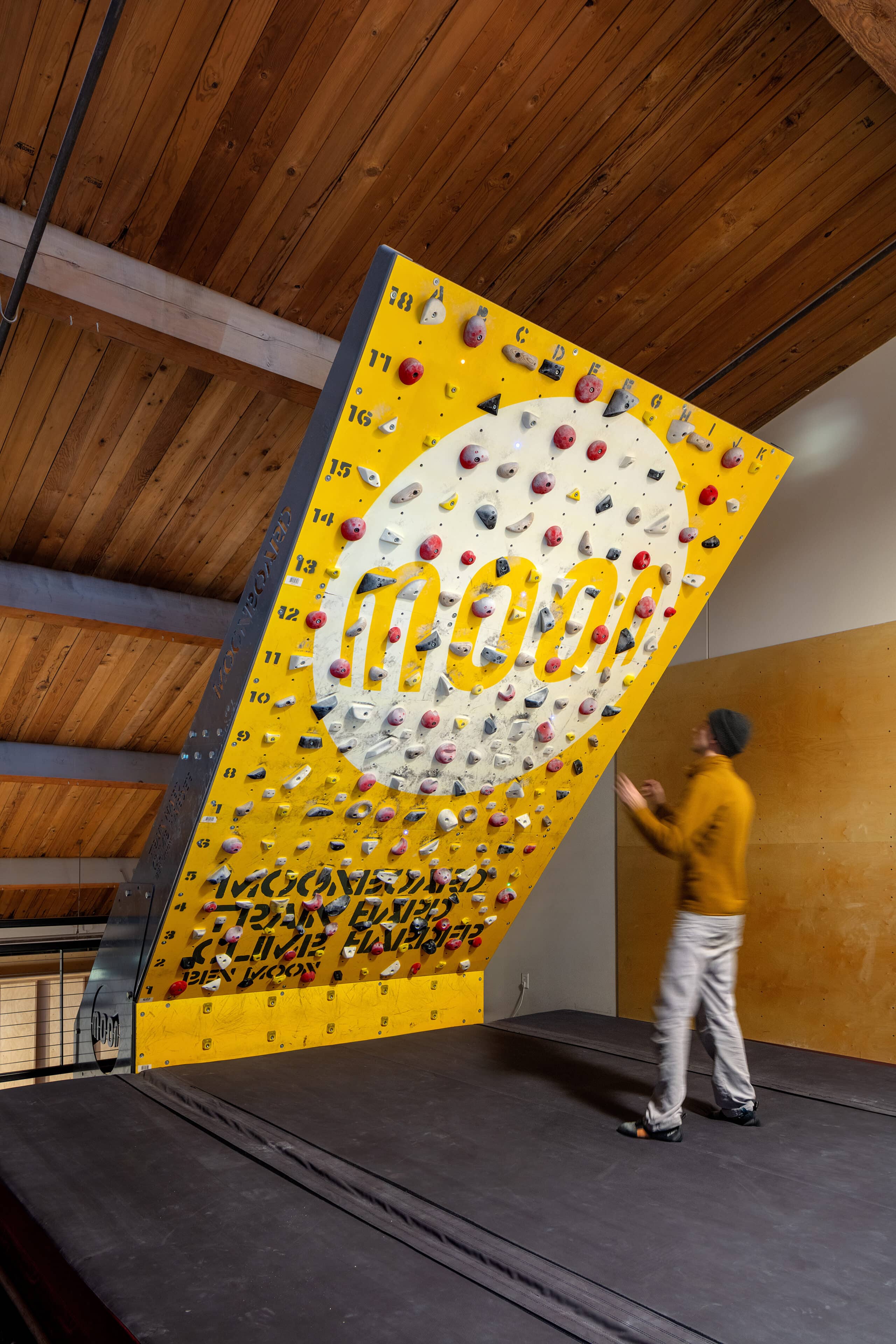
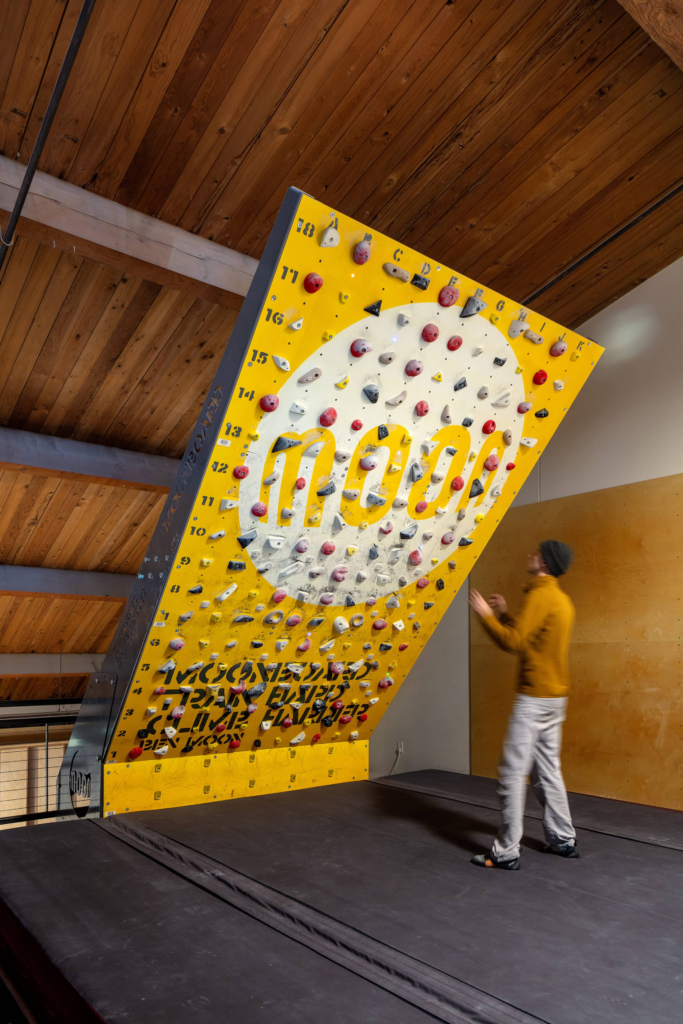
The MoonBoard is one of the most iconic training boards in the climbing world. It consists of a standardized 40-degree overhang wall, equipped with LED lights and holds arranged in a universal layout.

Pros:

  • Huge database of user-generated problems accessible via a mobile app.
  • Compact and space-efficient design.
  • Excellent for building power and finger strength.

Cons:

  • Extremely challenging for beginners due to the steep angle and sharp holds.
  • Limited hold variety compared to other boards.

Average Cost for Gyms:

  • Installation costs range from $5,000 to $10,000, depending on the wall size and LED integration.

2. Tension Board

Designed with wooden holds, the Tension Board offers a skin-friendly training experience and precise, uniform holds.

Pros:

  • Skin-friendly holds, ideal for long training sessions.
  • Provides a wide range of hold types and angles.
  • Compatible with adjustable wall angles.

Cons:

  • Wooden holds can feel slippery, especially for those used to resin holds.
  • Smaller problem database compared to the MoonBoard.

Average Cost for Gyms:

  • Prices typically range from $6,000 to $12,000, depending on the setup and adjustable wall features.

3. Kilter Board

The Kilter Board is known for its customizable lighting system and extensive hold variety, catering to climbers of all levels.

Pros:

  • Adjustable angles, accommodating climbers from beginners to experts.
  • Wide variety of holds, including jugs, crimps, and slopers.
  • Bright LED system enhances usability in low-light settings.

Cons:

  • High initial cost compared to other boards.
  • Requires significant space for installation.

Average Cost for Gyms:

  • Expect to pay $10,000 to $20,000, depending on the size and features.


4. Homegrown or DIY Boards

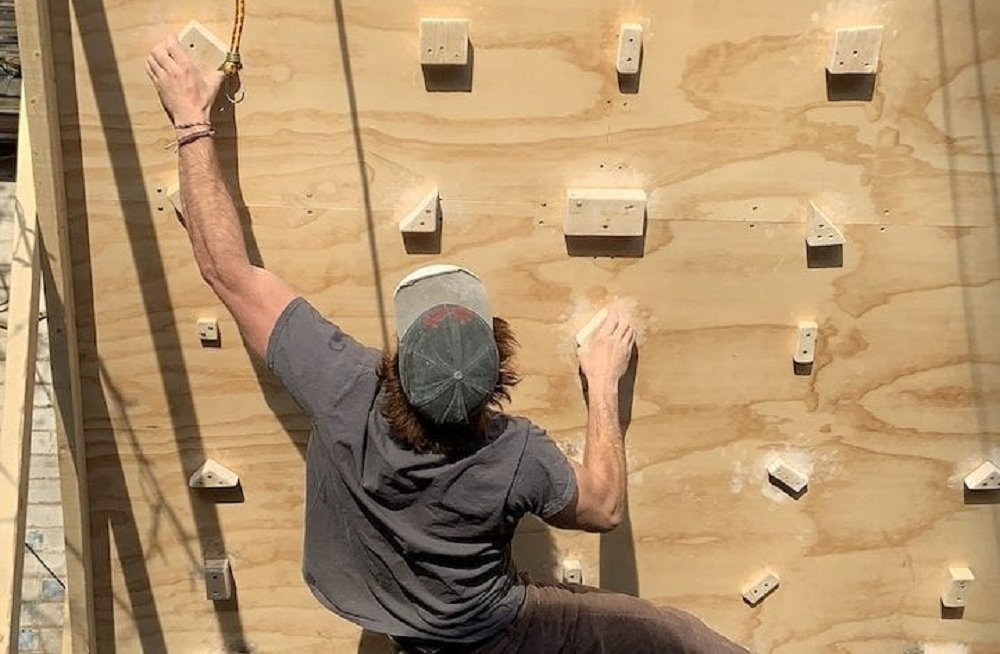
For gyms with tighter budgets, a DIY climbing board offers flexibility and significant cost savings. These boards can be customized to match specific needs.

Pros:

  • Fully customizable hold layouts and wall angles.
  • Inexpensive compared to commercial systems.

Cons:

  • Lack of LED integration and standardized routes.
  • Time-consuming to build and maintain.

Average Cost for Gyms:

  • Costs can vary widely but often fall between $1,000 and $3,000.

How Smaller Gyms Can Benefit from Affordable Boards

Gyms with limited budgets can leverage DIY solutions or simpler systems like the Grassroots Board to provide valuable training options without breaking the bank. Investing in a functional but cost-effective setup allows gyms to cater to intermediate and advanced climbers while saving on upfront costs. Additionally, these gyms can engage their communities by hosting route-setting events or creating unique challenges tailored to their audience.

By prioritizing creativity and community involvement, gyms can provide excellent training opportunities without relying on high-end systems, ensuring climbers of all levels continue to thrive.


Conclusion

Climbing boards are an invaluable tool for bouldering gyms, enhancing training and fostering a sense of community. While premium boards like the Kilter Board and MoonBoard offer cutting-edge features, more affordable options like the Grassroots Board or DIY setups ensure accessibility for gyms of all sizes. By carefully considering their needs and budget, gyms can select the right board to meet their goals, inspiring climbers and maximizing their investment.

Augmented- and Virtual Reality in Bouldering – Innovations and Case Studies

The integration of technology into sports has opened exciting possibilities, and AR and VR are transforming the world of bouldering. This blog post explores applications of AR and VR technologies, how they enhance performance, and ways how smaller climbing gyms can deliver interactive experiences similar to the MoonBoard, with little budget.


Current Applications of AR and VR in Bouldering

MoonBoard and Similar Systems
The MoonBoard is a standardized, interactive training wall equipped with an LED system controlled via an app. It connects climbers worldwide by offering identical routes regardless of location. The app features over 180,000 climbing problems, allowing users to track progress, compete globally, and refine their skills through structured training.

AR Guidance for Climbing
Augmented reality is used to project movement sequences or highlight optimal hold and foothold positions on climbing walls. Smart glasses, for instance, can show the best route in real-time, helping climbers—especially beginners—improve their technique and efficiency.

VR Simulations for Training
Companies like ClimLab are utilizing VR to create immersive training environments. These systems allow climbers to practice complex movements and scenarios, such as overhangs or challenging outdoor routes, within a safe virtual setting.


    How Technology Enhances Performance

    Data-Driven Training
    Wearables and sensor integration with AR/VR systems enable real-time analysis of movements, providing instant feedback on technique and performance. This data-driven approach helps climbers identify weaknesses and refine their skills effectively.

    Strength and Technique Improvement
    Tools like the MoonBoard and Tension Board use illuminated grips and data-backed training routines to build specific skills such as finger strength and endurance. These systems promote repetition and measurable progress, crucial for advanced climbing development.

    Gamification and Engagement
    AR/VR applications incorporate gamified elements, such as scoring for precise holds or timing challenges, to boost motivation. These features make training more engaging and enjoyable, encouraging climbers to push their limits.


      Creating a MoonBoard-Like Experience for Smaller Gyms

      Smaller gyms can leverage innovative, cost-effective technologies to replicate interactive training environments without significant investment:

      • Route Projection Systems: Affordable AR tools can project climbing routes onto walls, eliminating the need for physical LEDs.
      • Mobile Apps and Smart Holds: Bluetooth-enabled holds can be programmed to light up in specific patterns, offering flexibility and customization.
      • Localized Databases: A community-driven database of climbing problems fosters collaboration and provides tailored training opportunities.

      AR and VR are revolutionizing bouldering by enabling personalized training, fostering global connections, and making professional-grade tools like the MoonBoard more accessible. For smaller climbing gyms, creative solutions such as AR projections offer an exciting path to deliver interactive and motivational training experiences. As AR/VR technologies continue to advance, climbing may soon evolve into a hybrid reality, seamlessly blending the physical and digital worlds.