Gamification has emerged as a compelling strategy to enhance engagement in various domains, including fitness. By integrating elements such as points, badges, leaderboards, narratives, and eliciting an emotional connection, gamified fitness applications aim to make physical activity more enjoyable and motivating. Understanding the psychological mechanisms behind this approach is crucial for designing and developing an effective fitness app.
Intrinsic and Extrinsic Motivation Motivation in fitness can be categorized into intrinsic (internal) and extrinsic (external) factors. Intrinsic motivation refers to engaging in an activity for its inherent satisfaction, while extrinsic motivation involves performing a task to earn rewards or avoid punishment. Gamification leverages both types by providing external rewards (e.g., badges, points) that can enhance intrinsic enjoyment through increased engagement and a sense of achievement. Studies have shown that gamified interventions can boost both intrinsic and extrinsic motivation, leading to improved adherence to exercise routines.
Behavioral Change and Habit Formation Gamified fitness apps often incorporate goal-setting, feedback, and progress tracking, which are essential components of behavior change theories like the Transtheoretical Model and Self-Determination Theory. By setting clear goals and providing immediate feedback, these apps facilitate the development of healthy habits and support users through different stages of behavior change. The sense of progression and achievement in gamified systems can reinforce positive behaviors, making users more likely to maintain their fitness routines.
Social Influence and Competition Many gamified fitness platforms incorporate social elements such as leaderboards, challenges, and community features. These components tap into social influence and the human desire for social connection and recognition. Friendly competition and social support can enhance motivation and accountability, encouraging users to engage more consistently in physical activity. However, it’s important to design these features carefully to avoid negative effects like decreased motivation in users who consistently rank lower on leaderboards.
Emotional Engagement and Enjoyment Incorporating game-like elements can make exercise more enjoyable, reducing the perception of effort and increasing overall satisfaction. Narratives, avatars, and virtual rewards create an immersive experience that can distract from the physical exertion of exercise, making it feel less like a chore and more like an engaging activity. This emotional engagement is crucial for long-term adherence to fitness routines.
Potential Pitfalls and Considerations While gamification has notable benefits, it’s essential to be aware of potential drawbacks. Over-reliance on extrinsic rewards can sometimes undermine intrinsic motivation, a phenomenon known as the overjustification effect. Additionally, poorly designed gamification elements may lead to decreased motivation if users feel they cannot compete or achieve the set goals. Therefore, personalization and thoughtful design are key to ensuring that gamified fitness applications effectively motivate a diverse user base.
Conclusion The psychology of gamification in fitness highlights a range of strategies that can significantly enhance motivation, adherence, and overall engagement. Gamification taps into both intrinsic and extrinsic motivation, creating a balance that encourages users to stick to their fitness routines. Incorporating social features, such as leaderboards and challenges, leverages human competitiveness and the need for connection to drive consistent engagement. Additionally, the use of narratives and avatars creates an emotional connection that transforms exercise into an immersive, enjoyable experience.
However, over-reliance on extrinsic rewards can lead to the overjustification effect, where users lose intrinsic motivation once rewards are removed. Furthermore, the use of leaderboards, while effective for some, can discourage users who consistently rank lower. These insights emphasize the importance of thoughtful, user-centric design that adapts to individual needs and preferences.
Ultimately, a successful gamified fitness app must strike a delicate balance: it should motivate without overwhelming, engage without alienating, and reward without creating dependency. By understanding and addressing these psychological nuances, developers can create experiences that not only foster short-term engagement but also promote long-term behavior change and healthy habits.
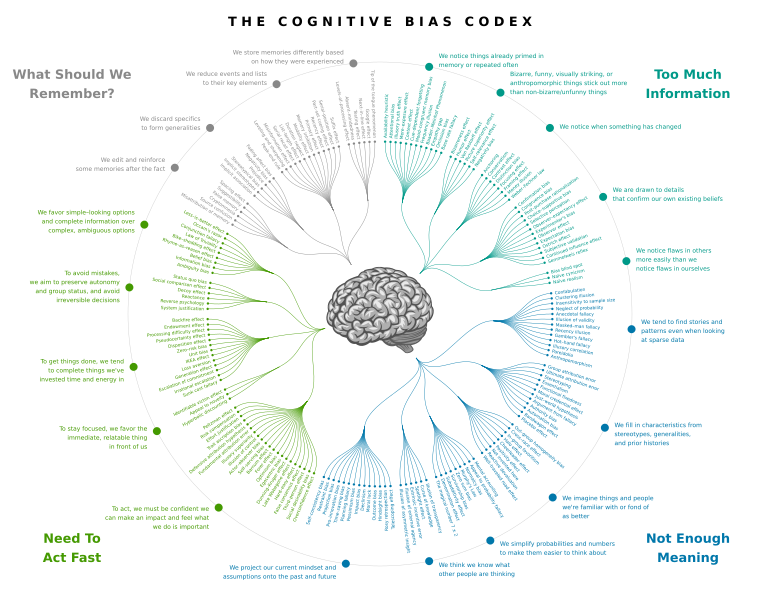
The Cognitive Bias Codex, by Buster Benson, is a visualization of over 200 cognitive biases, offering an overview of how our minds work. Inspired by his childhood, Benson developed the Codex to help others understand and mitigate the influence of biases. The Codex encourages critical thinking and greater self-awareness, empowering individuals to make more informed and balanced decisions. (cf. Emergent Thinkers) It separates all biases into 4 problem groups: Too much information, not enough meaning, need to act fast & “What should we remember?”. This and the following blogposts will explain one of the four categories, reflecting on the different biases within them and their impact on UX work.
Each category shows a broad problem definition, which is then split up into different behaviors we show or have. Below these there are effects or biases that explain why we have these behaviors, since they are a combination of all our biases and influences from our surroundings. To make this shorter and easier to read, I will not go into detail on every single bias and effect there is. (At least not in this blog post. ;D)
01 Information Processing
This category of the cognitive bias codex highlights how our brains handle the massive amounts of data we encounter daily. These biases influence how we collect, interpret, and remember information, often simplifying them to help us make decisions faster. While these mental shortcuts can be useful, they also shape our beliefs, judgments, and actions in ways we may not fully realize. Exploring this category helps to uncover hidden filters in our thinking, enabling us to better evaluate information, recognize distortions, and make decisions with more clarity. (cf. Gust de Backer)
01.1 Primed or Repeated Information
Our attention is drawn to information that aligns with what we already know. This makes certain details seem more important than others. The list of biases is very long, so here are the five biases I consider most important for UX Design.
Availability Heuristic People judge the likelihood of events based on how easily examples come to their mind. This can lead to skewed decision-making, as recent experiences are more easily recalled and seem more common than they actually are. In UX design, using familiar examples or well-known patterns can help users make quicker decisions. (cf. Beyond UX Design C)
Attentional Bias People tend to pay more attention to certain types of information while ignoring others, based on personal preferences, emotions, or past experiences. This means users are more likely to notice and engage with elements that are emotionally charged, eye-catching, or familiar. (cf. Beyond UX Design D)
Mere-Exposure Effect People tend to develop a preference for things because they are exposed to them repeatedly. This effect can be used by consistently presenting certain features or brand elements, making users more comfortable and familiar with them. Over time, familiarity can lead to greater trust and engagement. (cf. Beyond UX Design F)
Empathy Gap People fail to predict how emotions and mental states affect their behavior, leading to misunderstandings. For example, when not hungry, we might rationally predict we would choose a healthy snack, but in a hungry state, we’re more likely to pick something unhealthy. Understanding this gap helps in designing user experiences that anticipate emotional states and provide supportive features or messaging. (cf. The Decision Lab B)
Omission Bias Harmful actions are perceived as worse than harmful inactions, even if the consequences are similar. For instance, people may feel less guilty about allowing negative outcomes than if they actively caused harm. Users might prefer passive features, like automatic settings, that avoid perceived responsibility or failure. Designers can use this by considering user preferences for default options or avoiding overwhelming users with too many choices. (cf. The Decision Lab C)
01.2 Attention-Grabbing Details
Unusual or emotional things captivate us, our brains are wired to notice things that are out of the ordinary. These biases make us prioritize spectacle over substance, they show us how we can make important information stand out and make our users remember it.
Von Restorff Effect (The Isolation Effect) When multiple similar items are presented, the one that stands out is more likely to be remembered. This can be applied in UX design by making important elements or actions visually distinct. However, it’s crucial to avoid overwhelming users by overusing emphasis and to be mindful of accessibility issues, such as color vision deficiencies or motion sensitivity. (cf. Laws of UX)
Picture Superiority Effect People tend to remember pictures better than words, visuals are processed in two ways as images and as associated words, while words are processed only as text. In UX design, using clear, literal images can improve memorability and comprehension. Effective placement of visuals, using unique images, and avoiding abstract visuals are key strategies to take advantage of this effect. (cf. NN Group B)
Self-Relevance Effect People are more likely to remember information that they relate to themselves. This bias enhances memory retention when we connect new knowledge to personal experiences. In UX design, leveraging this effect could involve personalizing content, such as customized recommendations or user-centered messages, to improve engagement and retention. For example, presenting content that users can relate to personally, such as reminders tied to their preferences or past behaviors, can make the experience more memorable. (cf. The Behavioral Scientist D)
01.3 Novelty and Change
Elements that are new to us or in motion naturally capture our attention. However, this can make us overlook stable, ongoing factors that are equally significant.
Anchoring This bias occurs where initial information, such as a suggested value, influences subsequent decisions. While anchoring can guide users to make decisions that align with desired outcomes, it can also unintentionally restrict creativity and objective thinking. (cf. Beyond UX Design B)
Distinction bias This means, that we evaluate options differently when we asses them together or separately. This often leads to misjudgments, when viewing options side-by-side minor differences may seem disproportionately important. For example, comparing two similar products might exaggerate their distinctions. (cf. The Decision Lab A)
Framing Effect People react differently depending on whether the same information is framed positively or negatively, influencing decisions. For example, a product described as “95% effective” might be more appealing than one described as “5% ineffective,” even though both mean the same. This bias underscores the power of context and language in shaping perceptions and choices. (cf. The Decision Lab B)
Weber–Fechner Law The Weber–Fechner law is about how we sense changes, like light, sound, or weight. It says we notice small changes when something is light or quiet, but bigger changes are needed if something is already heavy or loud. For example, if you’re holding a tiny feather and add another, you’ll notice the difference. But if you’re carrying a heavy backpack, adding one feather won’t feel like much. Imagine having a website in a very clean look with very little visual clutter, little changes will be noticed easier, than on a website with a lot of flashing colors and pictures. (cf. The Behavioral Scientist C)
01.4 Confirm Believes
Confirmation bias leads us to favor information that supports what we already think or feel, reinforcing existing opinions and blinding us to contrary evidence. There are a lot of effects and biases listed in this category here are the ones that I consider most important for UX Work:
Confirmation & Congruence Bias The confirmation bias describes the tendency to favor information that aligns with existing beliefs, leading to overlooking or dismissing contradictory views. The congruence bias is very similar, it describes the inclination to test hypotheses through direct confirmation, neglecting alternative possibilities, which can result in flawed conclusions. Especially during user testing this could hinder the advance of products. Since the goal is to find the flaws and shortcomings of a product, this could lead to them being overlooked. (cf. Beyond UX Design B, Philosophy Terms)
Expectation Bias (Experimenter Bias) This describes the tendency for researchers to unintentionally (or intentionally) influence their study outcomes to align with their expectations, potentially skewing results. Since UX designers have to work with a lot of data, this could once again lead to missteps during the design process and the need to redesign the product later. (cf. The Behavioral Scientist A)
Choice-Supportive Bias The tendency to remember past choices as better than they were, often by attributing positive features to selected options and negative ones to rejected alternatives. This could, on a small scale influence, how users give feedback to researchers after a testing session. Highlighting what went well and neglecting frustrating experiences, which could make a product seem better than it actually is. Paying attention to what people do is important to later compare this to what they said. (cf. The Behavioral Scientist B)
Observer Effect A phenomenon one is very likely to come across while doing user research. Individuals tend to modify their behavior due to being observed, which can impact the authenticity of observed actions. Which is totally understandable, you wouldn’t want to be perceived as stupid or incapable in front of another person. (cf. NN Group A)
01.5 Spotting Flaws
It’s easier to spot mistakes or biases in other people than our own, making us more critical of others and less about our own behavior. The codex depicts three biases in this subcategory:
Bias blind spot & Naive realism (I have already written a blog post about this bias ;D) We tend to think, that we see the world objectively (as it really is) and others don’t. We are convinced or information is correct and others who don’t share our views are misinformed or biased. Recognizing naïve realism helps us appreciate diverse perspectives and approach disagreements with empathy. Which is a key ability for UX designers in my book.(cf. Jakob Schnurrer)
Naive cynicism We mistakenly believe others are more selfish than they actually are, often misinterpreting their intentions. This bias can strain relationships, create mistrust, and hinder collaboration, especially in team settings. Practices like active listening, open communication, and team-building help prevent misunderstandings and promote a more supportive environment. (cf. Beyond UX Design A)
Last September, Austria experienced a devastating flood event, highlighting the growing impact of simultaneous and systemic crises like climate change, armed conflicts, and pandemics. These events cause massive damage and disrupt lives, yet understanding and utilizing technical data to prepare for such crises often remains a significant challenge.
To address this, the “RiskLIM” project, spearheaded by the Safety and Disaster Studies working group at Montanuniversität Leoben, aims to optimize cross-border climate services. By collaborating with organizations such as GeoSphere Austria, the German Weather Service, and the Avalanche Warning Centre, this EU-funded initiative focuses on creating actionable risk impact assessments, particularly for avalanches and snow loads. The project emphasizes bridging the gap between technical data and effective communication to better equip society for short-term hazards and long-term climate adaptation.
Personal motivation
As a graphic designer and content creator at the Montanuniversität Leoben, I’ve had the privilege of exploring diverse research fields, gaining valuable insights into how visual communication can simplify complex concepts. My interest in safety and disaster studies was piqued early on, particularly through discussions with the program coordinator. These conversations opened the door to integrating design into risk communication, shaping the idea of developing a master’s thesis around this critical topic.
This intersection of research and design is incredibly compelling to me. Visual communication isn’t just about aesthetics; it’s a tool to make technical information understandable and actionable, especially in high-stress situations where clarity and usability can save lives.
Design relevance
Effective risk communication is more than just disseminating information; it’s about ensuring the right message reaches the right audience in a manner they can understand and act upon. Interaction design offers powerful tools to achieve this goal by simplifying interfaces, prioritizing critical information, and addressing the user’s state of mind during crises.
For example, interactive maps can visualize real-time risk data, helping individuals and organizations make informed decisions. By employing principles of user experience (UX) design—such as clarity, accessibility, and user-centered design—these tools can transform how communities respond to emergencies. This approach aligns seamlessly with the objectives of the RiskLIM project, providing a unique opportunity to enhance risk communication through design.
Possible Research Questions
Since I haven’t yet gained much insight into the project and don’t know exactly in which direction it is developing, it is difficult to formulate a precise research question. That’s why I thought very generally and asked myself the following questions:
How can visual design improve the accessibility and comprehension of technical data in risk communication?
What role does interactive design play in facilitating community preparedness for natural hazards?
How can user experience principles be adapted to meet the challenges of high-stress scenarios in risk communication?
Expected Challenges
Working with scientific experts: Collaboration with experts from technical fields who may not fully understand the potential of design could pose challenges. Bridging this gap will require careful communication and showcasing how design complements their expertise. Additionally, gathering feedback from diverse user groups to create universally accessible tools might demand extensive testing and iteration.
Knowledge Gap: Gaining in-depth understanding of risk communication and technical aspects of the project may require extensive self-study.
Next steps
My plan to move forward:
Deepen my understanding of risk communication and its existing methodologies.
Engage with the RiskLIM project team to identify key areas where design can add value.
Develop prototypes, such as interactive maps, to demonstrate how UX design can enhance risk communication.
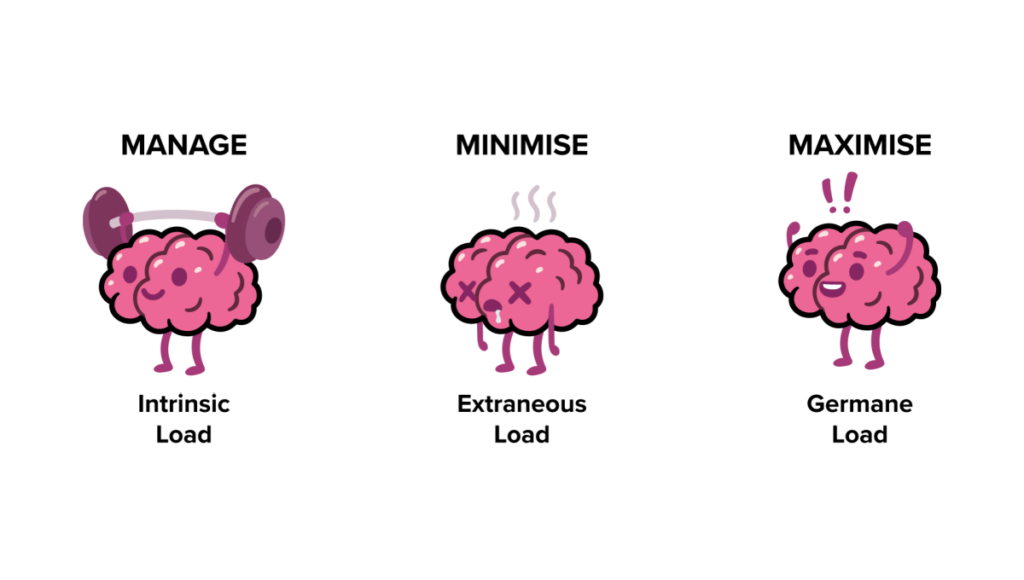
Cognitive load refers to the amount of mental effort required to process and interact with information. It’s rooted in cognitive psychology and is often categorized into three types:
Intrinsic Load: The inherent complexity of the task itself. For example, learning advanced physics naturally requires more effort than reading a children’s book.
Extraneous Load: Unnecessary complexity introduced by poor design, such as cluttered layouts or unclear instructions. This is where designers have the most control.
Germane Load: The effort devoted to learning or understanding something meaningful, which is essential for building knowledge and skills.
In UI/UX design, minimizing extraneous load while optimizing germane load is key to creating intuitive and enjoyable experiences.
The Psychological Foundation of Cognitive Load
The concept is deeply tied to working memory, a limited resource that processes and holds information temporarily. According to Miller’s Law, humans can hold about 7 (plus or minus 2) items in their working memory at a time. When users are presented with overly complex interfaces, their working memory becomes overwhelmed, leading to frustration and disengagement.
Strategies to Reduce Cognitive Load in Design Designers can make tasks easier by focusing on these principles:
Show information only when users need it. For instance, a sign-up form that breaks into multiple steps feels less overwhelming than one with all fields displayed at once
Leverage Visual Hierarchy
Use size, color, and spacing to guide focus. Bold headings, contrasting buttons, and whitespace can help users prioritize key actions
Chunking Information
Break content into digestible pieces, similar to paragraphs in a book
Example: Spotify organizes songs into playlists, making it easier for users to find their favorites
The Hook Model: Turning Attention into Habits
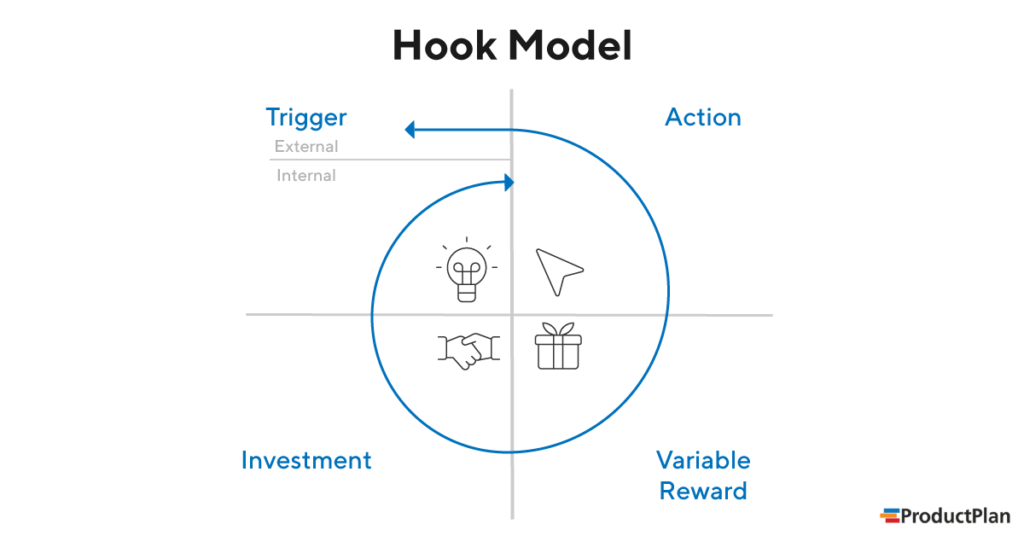
Once cognitive load is minimized, designers can focus on engaging users more deeply through Nir Eyal’s Hook Model. This four-step process transforms interactions into habits:
Trigger
External: Notifications, reminders, or prompts (e.g., a Duolingo streak notification).
Internal: Emotional cues like boredom or loneliness, which lead users to open an app instinctively.
Action
Simplify actions to reduce friction. A swipe on Tinder or a tap on Instagram’s heart icon feels effortless.
Variable Reward
Unpredictability enhances engagement. For example, social media likes or gaming loot boxes keep users coming back.
Investment
Encourage users to invest time or effort, making them more likely to return. Examples include creating Pinterest boards or uploading photos to Google Photos.
As humanity shifts more into the digital universe where the chances of distraction increase by the minute, understanding the science of attention is already a requirement. Attention is not a simple mental process that can be neglected, rather, it is the basic framework that we use to move, engage with and comprehend any given digital experience. For instance, designers need to have a sound understanding of attention so as to estimate the boundaries are designing user-interfaces that are friendly, engaging, and effective.
Types of Attention and Their Design Relevance
In psychology, attention has been subdivided into many forms and the following two are applicable in design:
Transient Attention
This is our brain’s quick concentration on anything for a micro duration, for example, how one would look at a notification for contact.
Relevance in Design: Many products define their features as impression creation. In such cases, content designers need to have simple and distinct content which is easy for users to focus on.
Sustained Attention
This means the ability of someone to concentrate with little or no distraction for a long period of time.
Relevance in Design: For elements that require more time like reading an article or filling forms. The standard interface design needs to be directly proportional to the time spent on navigating through several elements within that interface.
In the current attention economy, both of these types are under a lot of distress as users start adapting to new fast-moving platforms such as tiktok and instagram among others.
The Decrease of Attention in the Digital Era (Study Analysis)
Microsoft (2015), in a study that is much cited and discussed, claims that the average human attention span reduced from twelve seconds in the year 2000 to eight seconds. Not every individual agrees with these numbers, but what is unquestionable is the fact that we are getting worse at concentrating on a single thing. It is apparent that this regression is attributable to a number of interrelated factors:
Overconsumption: We are overfeeded with content from different devices and different mediums.
Desire of Immediate Satisfaction: There is a strong desire to interact with the app immediately providing quick reward as is the case with TikTok.
Cognitive Overload: There are too many alternatives or sources of stimulation which in turn causes our brains to evolve and opt for the quicker, more superficial engagement instead of deep thinking.
This requires, on the one hand, attention that needs to be drawn to the product, but on the other, there is the need to minimize user confusion.
Psychological Frameworks In Design
Cognitive Load: Psychologist John Sweller concept describes the information processing burden of an individual. Interfaces that are too busy or complex can quickly exhaust users, leading to frustration and drop-off. Design Tip: Trim interfaces down and extract major functional purposes. Avoid any unnecessary interference.
Selective Attention: Our brains filter out irrelevant stimuli to focus on what’s important. Design Tip: Apply and yes even exploit the basic principles of design which are contrast, hierarchy and space to the users attention.
Attention Span Metrics: Working memory is always situational. For instance: Social Media: Attention grabbing takes 1-3 seconds. Reading: A user scans through content with a view of determining whether that worth reading or not.
The same set of principles affirms the need to design interfaces adapted to the short-lived focus of users as well as those supporting longer attention span when necessary.
Consequences for Designers
A profound grasp of attention is far more than an intellectual activity, it determines the success or failure of a digital product. Considering the fact that users are flooded with a range of stimuli, designers should understand that attention is a scarce commodity. This is a necessary consideration and failure to take it into account can result in:
User Drop-Off: Interfaces that fail to capture or sustain attention lose users quickly, often before they even engage meaningfully with the product.
Missed Opportunities: Any pertinent information, an urgent request or advertise, or some other valuable content may be missed provided it does not correspond to the user’s attention span.
Cognitive Overwhelm: If a person is exposed to overly intricate designs they will most probably become fatigued and that will lower their satisfaction and degree of convenience.
No one is saying that all the attention can be focused on the design, understanding the psychology users will be using to view and interact with the offered products is equally important, to put it into one’s design, all of these factors make the correct understanding of interaction between the elements and devising of possible problems a vital issue.
Literature:
Department of Education; Sweller, John: Cognitive Load Theory in Practice.
Microsoft Attention Span Research (2015): chrome-extension://efaidnbmnnnibpcajpcglclefindmkaj/https://dl.motamem.org/microsoft-attention-spans-research-report.pdf
Taking a little detour from my actual topic, I wanted to explore an issue of our time, bias in Ai. A topic that comes up a lot, when reading about Ai. I wanted to know, what can be done about it and how it could be avoided. Could this have an additional impact on our society?
Artificial Intelligence (AI) is transforming industries, and (UX) Design is no exception. Ai already has the ability to deliver high quality design work and is going to continue to evolve. It’s reshaping how we approach design, offering tools that enhance efficiency, streamline workflows, and even generate creative outputs, it’s already capable to deliver high quality design work. While AI excels at analyzing data, creating prototypes, and even predicting user behavior, the heart of UX design lies in empathy, problem-solving, and collaboration, skills uniquely human in nature. (cf. Medium A)
Ai can analyze vast amounts of user data to uncover patterns and insights that inform design decisions, helping designers better understand their audience. It can also generate initial design drafts or prototypes, saving time and allowing designers to focus on refining creative and strategic elements. Predictive algorithms powered by AI can anticipate user behavior, enabling the creation of more intuitive and personalized experiences. By automating repetitive tasks and offering data-driven insights, AI empowers designers to elevate their craft while maintaining a human-centered approach. (cf. Medium A)
But what if the data the Ai gets is already biased towards a certain user group, making it’s outputs biased as well a therefore influencing UX work. Addressing bias in AI is not just a technical challenge; it’s an ethical imperative that impacts the lives of millions.
Examples of Bias in Ai
Healthcare Disparities: An algorithm used in U.S. hospitals was found to favor white patients over black patients when predicting the need for additional medical care. This bias arose because the algorithm relied on past healthcare expenditures, which were lower for black patients with similar conditions, leading to unequal treatment recommendations.
Gender Stereotyping in Search Results A study revealed that only 11% of individuals appearing in Google image searches for “CEO” were women, despite women constituting 27% of CEOs in the U.S. This discrepancy highlights how Ai can perpetuate gender stereotypes.
Amazon’s Hiring Algorithm Amazon’s experimental recruiting tool was found to be biased against female applicants. The Ai, trained on resumes submitted over a decade, favored male candidates, reflecting the industry’s male dominance and leading to discriminatory hiring practices. (cf. Levity)
How does bias in Ai form?
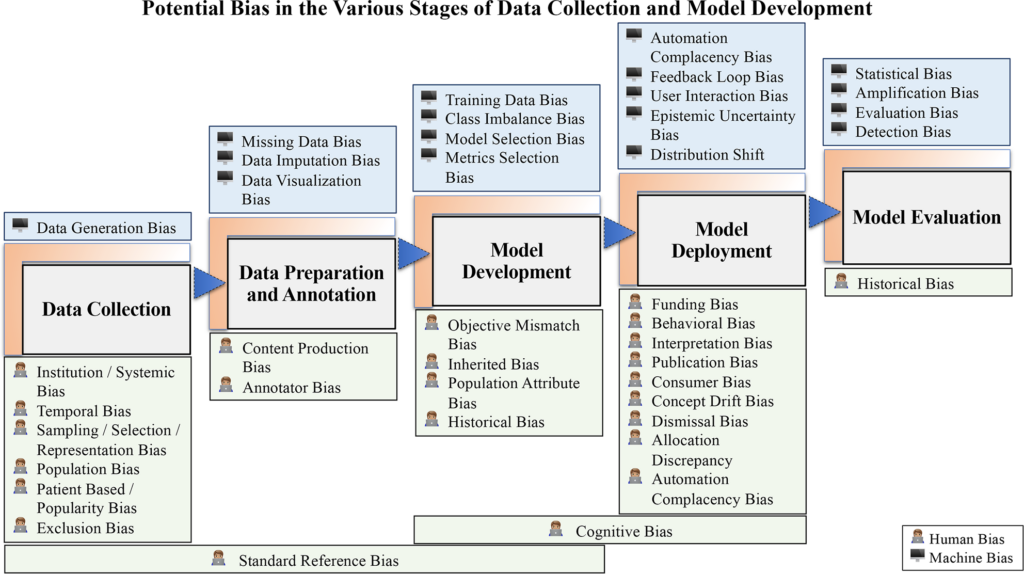
Bias in Ai often forms due to the way data is collected, processed, and interpreted during the development cycle. Training datasets, which are meant to teach AI models how to make decisions, may not adequately represent all demographics, leading to underrepresentation of minority groups. Historical inequities embedded in this data can reinforce stereotypes or amplify disparities. Additionally, the way problems are defined at the outset can introduce bias; for instance, using cost-saving measures as a proxy for patient care needs can disproportionately affect underserved communities. Furthermore, design choices in algorithms, such as prioritizing overall accuracy over subgroup performance, can lead to inequitable outcomes. These biases, when unchecked, become deeply ingrained in AI systems, affecting their real-world applications.
Sometimes, the problem the Ai is supposed to solve is framed using flawed metrics. For instance, one widely used healthcare algorithm prioritized reducing costs over patient needs, disproportionately disadvantaging Black patients who required higher acuity care. (cf. Nature) When training datasets lack of diversity or reflect on historical inequities, Ai models learn to replicate these biases. Also, a well-designed system can fail in real-world settings if deployed in wrong environments it wasn’t optimized for. (cf. IBM) Decisions made during model training, like ignoring subgroup performance—can result in inequitable outcomes. (cf. Levity)
How to address bias in Ai
To avoid bias in Ai thoughtful planning and governance is important. Many organizations rush Ai efforts, leading to costly issues later. Ai governance establishes policies, practices, and frameworks for responsible development, balancing benefits for businesses, customers, employees, and society. Key components of governance include methods to ensure fairness, equity, and inclusion. Counterfactual fairness for example addresses bias in decision-making even with sensitive attributes like gender or race. Transparency practices help ensure unbiased data and build trustworthy systems. Furthermore a “human-in-the-loop” system can be incorporated to allow human oversight to approve or refine Ai-generated recommendations. (cf. IBM)
Reforming science and technology education to emphasize ethics and interdisciplinary collaboration is also crucial, alongside establishing global and local regulatory frameworks to standardize fairness and transparency. However, some challenges demand broader ethical and societal deliberation, highlighting the need for multidisciplinary input beyond technological solutions. (cf. Levity)
In this post we’ll dive deep into the psychological principles that make gamification effective in healthcare, exploring how they influence behavior, motivation, and long-term habit formation.
1. Psychological Principles at Play
Gamification draws heavily from behavioral psychology, leveraging principles like reinforcement, gratification, and reward systems to encourage healthier behaviors:
A study by Fogg (2009) introduced the Behavior Model, which highlights the importance of motivation, ability, and prompts in driving behavior change.
“Behavior happens when Motivation, Ability, and a Prompt come together at the same time. When a behavior does not occur, at least one of those three elements is missing.”
Apps like MyFitnessPal use positive reinforcement through celebratory notifications after users log meals or complete exercise goals.
Instant Gratification vs. Long-Term Rewards Many gamified healthcare apps provide short-term rewards (like virtual badges) while emphasizing long-term health outcomes (e.g., weight loss or improved fitness levels). For example, Fitbit rewards users with daily step achievements while showing long-term progress graphs.
The Role of Dopamine When users achieve small milestones dopamine is released, creating a sense of satisfaction and reinforcing the habit.
2. Motivational Psychology
Motivation is a core driver in gamification, and it can be divided into intrinsic and extrinsic categories.
Intrinsic vs. Extrinsic Motivation
According to Deci and Ryan, extrinsic motivation is a drive to behave in certain ways based on external sources and it results in external rewards (1985). Such sources include grading systems, employee evaluations, awards, and the respect and admiration of others.
On the other hand, intrinsic motivation comes from within. There are internal drives that inspire us to behave in certain ways, including our core values, our interests, and our personal sense of morality.
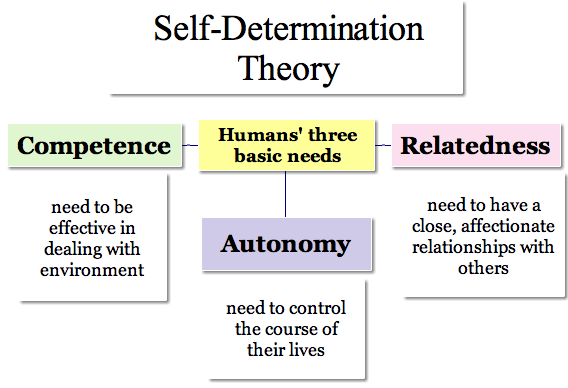
Self-Determination Theory (SDT) SDT emphasizes three psychological needs—autonomy, competence, and relatedness. Apps like Nike Run Club allow users to set personal goals (autonomy), track progress (competence), and connect with friends (relatedness).
3. Social Psychology in Gamification
Humans are social creatures, and gamification often leverages social dynamics to enhance engagement. Social dynamics play a crucial role in gamification, as elements like social proof, peer influence, and healthy competition leverage our natural desire for connection, validation, and achievement to boost engagement and motivation.
4. Habit Formation
Building lasting habits is critical in healthcare, and gamification supports this through structured reinforcement.
Small Wins and Micro-Habits: Apps like Duolingo and WaterMinder break larger health goals into smaller, manageable tasks, encouraging users to celebrate incremental victories.
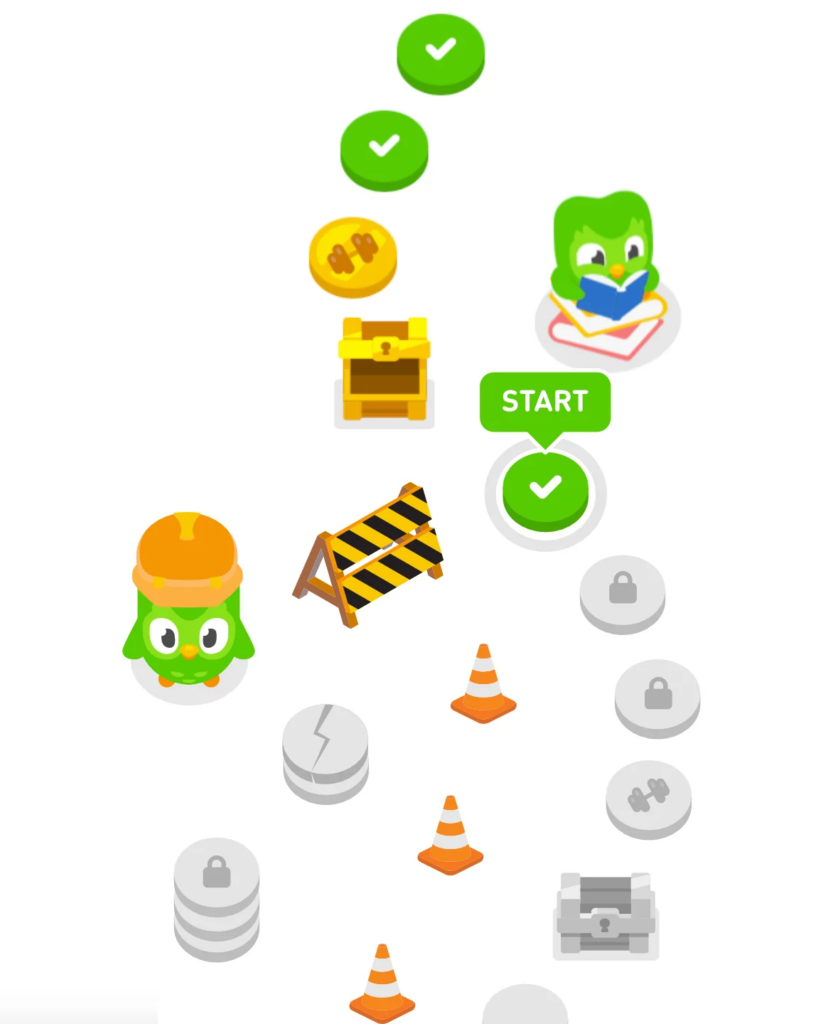
Consistency Reinforcement: The Duolingo app rewards users by giving diamonds for completing daily tasks, reinforcing consistency and forming habits over time.
5. Challenges and Ethical Considerations
While gamification is effective, it’s not without challenges.
Overuse of Rewards: Excessive reliance on rewards can lead to diminishing intrinsic motivation. The same research by Deci highlights this risk, emphasizing the importance of balance.
Privacy and Data Security: Many healthcare apps collect sensitive personal data, raising ethical concerns. Transparent privacy policies are essential.
Equity and Access: Not everyone has equal access to technology. Designing inclusive gamified solutions ensures wider adoption and impact.
6. Conclusion
Gamification in healthcare works not because of flashy rewards, but because it taps into deep-rooted psychological principles—motivation, habit formation, and social influence. By understanding these mechanisms, designers and healthcare professionals can create more effective and engaging health interventions. The key lies not only in designing appealing game elements but also in understanding the minds of those who play.
Loneliness is a universal human experience, yet it manifests in ways that are deeply personal and varied. What exactly is loneliness, and how can we better understand its dimensions and impact?
What is Loneliness?
Several studies describe a different definition of loneliness. As a discrepancy between the social interactions and relationships an individual desires and those they currently experience, which leads to a negative feeling of being alone. Here, however, being alone is not the same as feeling lonely. 1 It is described as a perceived lack of social contact, 2 or as the unavailability or unwillingness of others to engage in social and emotional experiences 3, or as a condition in which an individual can interact with others but does not do it. 4
Loneliness is a multidimensional phenomenon due to its variations in intensity, causes, and circumstances. 5 Therefore, it can be distinguished between three types of loneliness: emotional loneliness, social loneliness and collective loneliness.
Emotional loneliness “results from the lack of a close, intimate attachment to another person”. Someone, like a spouse or best friend, whom one can rely on for emotional support during hard times and validates one’s values.
Social loneliness is the absence of quality relationships with family or a group of friends who share the same interests and activities. 6
Collective loneliness pertains to an individual’s sense of disconnection from their valued social identities or “active network” (e.g., group, school, team, or national identity), where one can engage with like-minded others, even if only at a distance, within the broader social context. 7
How to measure Loneliness?
Since loneliness is a subjective experience, its measurement can be challenging. It cannot be directly observed, and there are no objective indicators to assess it. As a result, loneliness is typically measured through self-reported methods, such as surveys and questionnaires. There are two types of measuring loneliness: direct and indirect.
Direct Measures: People are asked directly if they are feeling lonely in a certain period of time.
Indirect Measures: People are asked several questions but without using words like lonely or loneliness. The questions are about feelings and experiences related to loneliness. Like the wish to have someone to rely on or talk to about private topics.
Over the time several scales have been developed for measuring loneliness. The two most known ones are the “University of California Los Angeles Loneliness Scale” created by Russell and Peplau and the and the “De Jong Gierveld Loneliness Scale” created by De Jong Gierveld and Kamphuis. 8
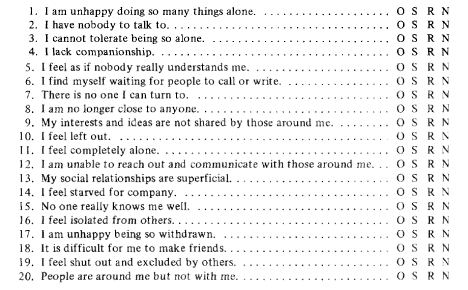
University of California Los Angeles Loneliness Scale (UCLA Loneliness Scale)
The survey consists of 20 statements, and respondents are required to indicate how frequently each statement applies to them. O: I often feel this way, S: I sometimes feel this way, R: I rarely feel this way, N: I never feel this way.9
Source: D. W. Russell, L. A. Peplau: Developing a Measure of Loneliness
De Jong Gierveld Loneliness Scale
The original survey consists of eleven statements, in 2000 they created a shortened version with only six statements. Three of the statements are positively formulated and the other three are negatively formulated. The statements need to be answered with “no”, “more or less” or “yes”. This survey also considers the difference between emotional loneliness and social loneliness. 8
6 questions:
I experience a general sense of emptiness.
I miss having people around.
I often feel rejected.
There are plenty of people I can rely on when I have problems.
There are many people I can trust completely.
There are enough people I feel close to.
What is Social isolation?
Loneliness and social isolation are frequently discussed in tandem or treated as synonymous concepts. 2 However, loneliness describes a subjective experience, whereas social isolation is an objective situation where someone is alone or lacks meaningful social interactions. 10 A person who has little contact to the family, friends or other people of a community is socially isolated. 11
Since belonging is seen as a fundamental human motivation. 12 A core aspect shared by most individuals is the need for love, acceptance, and understanding, which often motivates significant efforts to avoid experiencing loneliness.
Sources:
[1] L. A. Peplau and D. Perlman, “Loneliness,” in Encyclopedia of Mental Health, H. S. Friedman, Ed., vol. 1, San Diego: Academic Press, 1998, pp. 571–581.
[2] G. C. Wenger, The Supportive Network: Coping with Old Age, 1st ed. Allen and Unwin, London, 1984
[3] K. S. Rook, “Research on social support, loneliness, and social isolation: Toward an integration,” Review of Personality & Social Psychology, vol. 5, pp. 239–264, 1984.
[4] S. Shalev, “On loneliness and alienation,” Isr. J. Psychiatry Rel. Sci., vol. 5, pp. 236–245, 1988.
[5] L. M. Heinrich, E. Gullone und School of Psychology, Psychiatry, and Psychological Medicine, Faculty of Medicine, Nursing, and Health Sciences, Monash University, VIC 3800, Australia, „The clinical significance of loneliness: A literature review“, 2006. doi: 10.1016/j.cpr.2006.04.002.
[6] R. S. Weiss, Loneliness: the experience of emotional and social isolation. 1974. [Online]. Verfügbar unter: http://psycnet.apa.org/record/1974-22306-000
[7] S. Cacioppo, A. J. Grippo, S. London, L. Goossens und J. T. Cacioppo, „Loneliness: Clinical Import and Interventions“, The Author(s), 2015. doi: 10.1177/1745691615570616.
[8] S. V. Schnepf, B. D’Hombres und C. Mauri, Hrsg., Loneliness in Europe. 2024. doi: 10.1007/978-3-031-66582-0.
[9] D. W. Russell, L. A. Peplau, Iowa State University, University of California, Los Angeles und Letitia Anne Peplau, „Developing a Measure of Loneliness“, Journal Of Personality Assessment, Juli 1978, doi: 10.1207/s15327752jpa4203_11.
[10] J. de Jong Gierveld, “Developing and testing a model of loneliness,” J. Personal. Soc. Psychol., vol. 53, pp. 119–128, 1987.
[11] C. Victor, S. Scambler, J. Bond und A. Bowling, „Being alone in later life: loneliness, social isolation and living alone“, Reviews in Clinical Gerontology, Bd. 10, Nr. 4, S. 407–417, Nov. 2000, doi: 10.1017/s0959259800104101.[12] Baumeister, Roy F. and Leary, Mark R., “The Need to Belong: Desire for Interpersonal Attachments as a Fundamental Human Motivation”, Psychological Bulletin 1995, Vol. 117, No. 3, 497-529
Before getting to know specific biases and getting to know, how to work around them, let’s take a closer look on what a bias actually is, how it’s formed and whether it’s a good or bad thing.
Bias – Definition
According to the Cambridge Dictionary, a bias is “the action of supporting or opposing a particular person or thing in an unfair way, because of allowing personal opinions to influence your judgment:” (Cambridge Dictionary) Sticking with explanation of language, you might come across the term “to be biased against” something or “to be biased towards” something. Being biased against something means to not favor something and being biased towards something means to favor it over something else. (cf. Britannica Dictionary)
Why am I explaining this? Well, I have come to realize, what I actually want to research are cognitive biases not bias in general. So I wanted to understand cognitive biases a little better.
A cognitive bias, is a predictable pattern of error I how our brain functions, those are very widespread. They affect how people understand and perceive reality and hard to avoid, they can lead to different people interpreting objective facts differently. Cognitive biases can lead to irrational decisions, they are result of mental shortcuts, or heuristics. (cf. Britannica Dictionary)
Additionally, one can differentiate between explicit and implicit biases. Explicit biases are conscious and intentional, individuals are fully aware of their attitudes and beliefs, which they can openly express and acknowledge. Implicit biases are unconscious and unintentional, they operate below the level of awareness, influencing behavior without the individual realizing it. (cf. Achievece)
How do Biases form?
Our minds can be like a collection of pockets where every experience is categorized and stored. This sorting process begins in childhood, helping us make sense of the world and react to future situations based on grouped experiences. It occurs automatically, as a mental shortcut to handle vast amounts of information efficiently. While this process is helpful, it also means our present decisions are often influenced by past experiences, which can lead to unconscious biases affecting how we view people, places, and situations.
Positive bias arises when something aligns with our own ideas or feels familiar, while negative bias occurs when something deviates from what we perceive as normal or preferable. Biases are not solely shaped by personal experiences but can also be influenced by external factors, such as media framing of situations, groups, or issues.
Biases can lead us to perceive someone as less capable or trustworthy or cause subtle discomfort around certain individuals. Importantly, these biases are often based on past experiences rather than the present context. (cf. NHS)
They stem from mental shortcuts, known as heuristics, which help our brains process information efficiently. While heuristics save time, they can lead to errors in thinking, particularly when patterns are misinterpreted or assumptions are made too quickly. (cf. Wikipedia)
How do the effect us?
Bias affects many aspects of our lives, often subtly influencing our decisions and perceptions. Implicit bias, formed over time through exposure to societal norms and experiences, impact everything from personal relationships to professional choices. For example, biases can affect hiring practices.Research shows that even trained scientists show bias in hiring, preferring male candidates over equally qualified women. Similarly, a study found resumes with “white” names were more likely to receive interview callbacks than those with “black” names, even when the resumes were identical.
These biases, often unintentional and shaped by socialization, affect not only professional decisions but everyday interactions as well. Recognizing and reflecting on our hidden biases is crucial to minimizing their impact and promoting fairness. (cf. Forbes)
You are driving in your car (old brain is moving muscles, scanning the road, new brain is processing visual data and talking to the old brain so that you stay between the lines), and you are thinking about an argument you had with your brother over the weekend (new brain is remembering the argument, mid brain is reliving the argument emotionally). You are, after the fact, thinking about the things you should have said, but didn’t. You feel upset that you didn’t defend yourself (mid brain feeling upset, new brain thinking about things to say, old brain still driving the car). Suddenly, a car in front of you brakes (old brain notices that something has changed that needs attention, old brain floods system with hormones to heighten your ability to fight or flee, old brain has you slam on brakes, mid brain feels scared that you almost had an accident and relieved that you didn’t, new brain analyzes situation and thinks about what you might have done differently). While you drive the rest of the way home, you relive the near miss (new brain plays the memory over and over, mid brain feels the emotions again).You decide not to be angry with your brother any more, life is too short (mid brain feels forgiving and happy, new brain makes decision to call brother on phone, but decides to wait until you get home since talking on a cell phone while driving may not be a good idea right now, old brain is still driving the car).
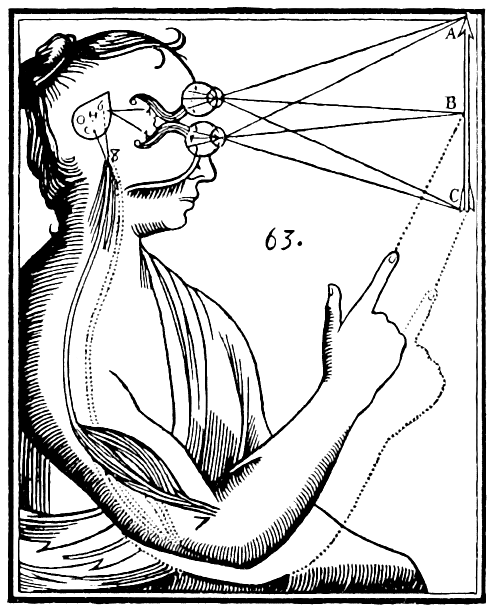
Our physical bodies and the parts of the brain that govern them are inextricably linked with the parts of our brain that regulate emotions and the parts of the brain that deal with conscious thought and reasoning. These are separate systems in the brain, but they all work together. Our feelings and our reasoning are affected by our physical movement. It is our old brain that is regulating digestion and sleep, but there are controls in the mid brain that govern our emotions and feelings and can then affect our digestion and sleep. And what we think of as our “mind” (the new brain) has an effect on emotions, feelings, and digestion and sleep, too. Although we have three different brain systems, they are all connected and interrelated. We’ve inherited a mindset that tells us that the mind and body are separate, but the research and data show us they are not. Antonio Damasio (1994) calls this separation of mind and body “Descartes’ Error.”
Illustration of the “flawed” mind and body dualism by René Descartes.
But since the new brain is the only part of brain functioning that we are conscious of, we think it is the most important player. Our mid brain (emotions) and old brain (auto-matic functioning) processing are, for the most part, unconscious, but here’s the interesting thing: our behavior and our decision-making is just as affected, actually, even more affected by our old brain and our mid brain than it is by our new brain.
What does this mean? It means that we think we make decisions about how to act and what to do consciously, but actually most of our decision-making and behavior is governed by unconscious processing. We can’t really separate what we do consciously from the unconscious aspects.
HAVE YOU HAD A BRILLIANT UNCONSCIOUS THOUGHT LATELY?
The new frontier of thought is actually the unconscious. The latest idea is that we are processing information and “thinking” unconsciously all the time.This is why when we are trying to solve a problem and we stop working on it and go to lunch, the solution will suddenly appear as we are munching on our sandwich or driving in the car back to work. Your unconscious was working on the problem, but you weren’t aware of it.
Wilson (2002) defines the unconscious as “mental processes that are inaccessible to the conscious mind, but influence judgments, feelings or behavior… shortcuts that size up our environment, interpret and initiate behavior quickly.”
Imagine a day without the unconscious. We wouldn’t be able to get through five minutes. The estimate from neuroscientists is that our five senses are taking in 11 million pieces of information every second. And now many of those are we processing consciously? A mere 40! So we need the unconscious to deal with the other 10,999,960 pieces of information each second, or we would be overwhelmed in a matter of seconds. Our unconscious mind lets us process all the incoming data from our environment, and it instantly decides whether it is good or bad, something to avoid and run away from, or something to run toward. Our unconscious is a huge efficient shortcut tool, showing us what to pay attention to consciously.
“Automatic cognitive processes are internal automatons that help us navigate a multifaceted and complex environment by slicing it into easily digestible bites. They…can thus free our very limited-capacity consciousness from many burdens.”
Ran R. Hassin (Hassin, 2005)
You’re sitting in front of a computer screen that is divided into four quadrants. The experimenter tells you to watch for an X that is going to appear in one of the quadrants and to press one of the four buttons in front of you to indicate which quadrant the X is in. This experiment was performed by Lewicki in 1988.
The participants didn’t know it, but there was a complex rule about where the X would appear. For example, the X never appeared in the same square two times in a row; the location of the third X was dependent upon the location of the second. The location of the fourth X was dependent upon the location of the set of Xs for the previous two trials. Lastly, an X never appeared in a spot unless it had appeared in at least two of the other squares.
The rules were complicated, but participants learned them. That was evident since as they continued, their performance steadily improved, they got faster and faster at pressing the correct buttons. But not one of the participants could articulate what the rules were. Nor were they aware they were learning rules. Yet their performance improved. Their unconscious mind was learning the rules for them and guiding their behavior about which button to press. Just when participants were starting to perform well, the rules suddenly changed. The participants then started making mistakes, and their response times increased. They noticed that they weren’t doing well, but they didn’t know why. They had no awareness that there were rules that no longer worked. Interestingly, they consciously looked for reasons as to why their performance had deteriorated. They said things like they had “lost the rhythm” or that the experimenters were flashing subliminal pictures on the screen to distract them (which wasn’t true).
We often don’t know why we do the things we do. But we are quick to make up a reason that we actually believe, even though it’s not true. Psychologists call this confabulation. Our unconscious minds are very smart. But we don’t control them.
WHAT MAKES US CLICK?
Most Website-Owners have their Websites for a reason. There are target behaviors that they want us to engage in-quite often, even several target behaviors. An e-commerce site wants us to choose products and buy them. A non-profit site wants us to loan money to help small business owners in different parts of the world. A Fortune 1000 company wants us to be impressed with what they do and buy more stock in the company. A site based on ad revenue wants us to come to the site and then click on an ad. A site that is trying to get acquired wants us to come to the site and register to be a member so that the company can say they have x million registered members. Almost all Websites have target behaviors. How do they get us to engage in the target behavior? How do they get us to buy, register, donate, and click? What makes us click?
To get us to click, they have to persuade us. But don’t make the mistake of thinking that the best way to persuade us is to make a logical presentation. As we learned most behavior and decision-making isn’t conscious. That means that they will have to engage the mid brain and the old brain, in addition to the new brain. We want to think that we are making logical decisions, even though we aren’t. The most effective Websites are Websites that talk to all three brains. When the Web site engages all three brains, then we click.
Old Brain:
Since the old brain focuses on survival instincts and basic needs like safety and comfort, to appeal to this part, websites should ensure clear navigation, fast loading times, and predictable patterns to minimize cognitive load and frustration (Nielsen Norman Group, 2006). For instance, using contrasting colors for call-to-action buttons makes actions immediately visible and instinctive, reducing effort in decision-making.
Lymbic System:
Visual elements, such as appealing imagery, engaging videos, and emotion-driven copy, can elicit positive feelings and a sense of trust (Petersen et al., 2009). For example, e-commerce websites often use customer testimonials or happy lifestyle images to create emotional resonance, increasing users’ trust and engagement.
Neocortex:
The new brain handles higher-order reasoning and decision-making. Websites must provide informative, structured content and logical layouts to engage the new brain. For instance, product comparison tables in tech retail sites (e.g., Apple or Amazon) help users make rational, informed decisions by clearly presenting features and benefits.
By addressing all three brain systems, a website can create a seamless, intuitive, and emotionally engaging user experience, improving overall satisfaction and usability.
Sources:
Damasio, A. (1994). Descartes’ Error: Emotion, Reason, and the Human Brain. New York: G.P. Putnam’s Sons.
Descartes, R. (1641). Meditations on First Philosophy. (J. Cottingham, Trans.). Cambridge: Cambridge University Press. (Original work published 1641).
MacLean, P.D. (1970). The triune brain in evolution: Role in paleocerebral functions. Springer Science & Business Media.
Panksepp, J. (1998). Affective Neuroscience: The Foundations of Human and Animal Emotions. Oxford: Oxford University Press. (For emotional processing in the brain and its impact on physical and mental states).
Craig, A.D. (2002). How do you feel? Interoception: The sense of the physiological condition of the body. Nature Reviews Neuroscience, 3(8), 655-666. (For the interconnection between brain systems and bodily states).