1.10. Phygital: A New Era of Museum Engagement

Social Context

The pandemic forced museums to pivot quickly to digital platforms to stay connected with audiences as physical visits became limited or impossible. Virtual tours, online exhibitions, and digital programming became essential tools to engage visitors during this time. However, while digital engagement helped sustain interest, it became clear that digital-only experiences could not replicate the richness and depth of physical interactions with artifacts. This is where the concept of “phygital” arises as the key to enhancing museum engagement.

What is Phygital?

The term “phygital” merges the physical and digital realms, transforming how museums engage with visitors. By integrating technology into tangible displays, museums create immersive, engaging experiences for diverse audiences. The “Phygital Museum Scale” offers a framework for blending digital and physical elements effectively [1], while emphasizing storytelling as a “sensitive activation” of cultural heritage [7]. This approach helps museums stay relevant as audience expectations and technology evolve.

Exploring Phygital Innovations

Phygital strategies are reshaping museums worldwide. For example, the Markiezenhof Museum in the Netherlands uses augmented reality to animate historical artifacts, enhancing visitor understanding [5]. The “Phygital Museum Scale” identifies five scenarios ranging from fully physical to fully digital experiences, helping museums tailor their strategies based on audience and goals [1]. Projects like ExhiBIT foster inclusivity through community-driven curation and digital tools [2]. Phygital spaces integrate technology seamlessly, turning visitors’ gestures into part of the storytelling process, which demonstrates the potential of merging physical artifacts with digital technologies [4], [7].

Why Phygital Matters

Phygital strategies cater to various learning styles, broadening accessibility [3]. Digital enhancements such as virtual tours and contextual overlays offer deeper insights beyond what physical artifacts alone can provide [6]. Purpose-driven design ensures that digital tools complement material culture, while sensory and immersive experiences amplify the emotional significance of objects [1], [7]. Analytics from digital tools allow museums to tailor exhibitions, enhancing visitor engagement [4].

A Vision for the Future

Phygital technologies, including virtual reality, interactive holograms, and AI-driven personalization, promise to transform museum experiences [4], [6]. These innovations shift spaces from contemplative to performative, allowing visitors to co-create their experiences through interaction and narrative involvement [7]. The “Phygital Museum Scale” guides museums toward a balanced integration of physical and digital elements, as seen in projects like Ravespace, which bridge the gap between the two realms [4].

Conclusion

Phygital approaches revolutionize museum experiences, offering a bridge between tradition and technology. By combining physical artifacts with digital tools, museums create interactive and memorable experiences that foster deeper connections with cultural heritage [3], [1]. As the boundaries between physical and digital continue to blur, phygital museums will lead to audience engagement and cultural preservation [5].

References

[1] S. Debono, “The Phygital Museum Scale: Measuring and Designing Phygital Museum Experiences,” CHAIN 2022 Proceedings, University of Catania, 2022, pp. 25-34.

[2] “About ExhiBIT,” ExhiBIT Project, [Online]. Available: https://exhibit-project.com/about/

[3] “8 Ways to Be Phygital,” Making the Museum Newsletter, [Online]. Available: https://www.makingthemuseum.com/newsletter/8-ways-to-be-phygital

[4] “Explore the Future of Art: How Phygital Exhibitions Will Transform the Way We Experience Art,” Ravespace Blog, [Online]. Available: https://ravespace.io/blog/explore-the-future-of-art-how-phygital-exhibitions-will-transform-the-way-we-experience-art

[5] “2 Examples of Phygital Museums You Should Check Out,” Invisible Studio, [Online]. Available: https://www.invisiblestudio.net/post/2-examples-of-phygital-museums-you-should-check-out

[6] “What Is Phygital?” Giosg Blog, [Online]. Available: https://www.giosg.com/blog/what-is-phygital

[7] A. Miano, “Phygital Museum Experiences: The Situated and Invisible Dimension of Technology as Sensitive Activation of Cultural Heritage,” Conference Paper, University of Campania “Luigi Vanvitelli,” 2023.

1.8. Types of Museums and Their Exhibitions

Museums come in a variety of types, each catering to unique audiences and subject matter. These differences are reflected in their exhibitions, which are carefully curated to align with their missions and appeal to their visitors.

An Overview of the Types

Science museums feature interactive exhibits to simplify complex scientific concepts through hands-on experiments and immersive simulations. Notable examples include the Exploratorium in San Francisco and the Deutsches Museum in Munich, which features an extensive range of scientific and technological innovations. These museums exemplify the mission to engage and educate through active participation.

image source: Deutsches Museum – Chemistry in everyday life

Art museums focus on visual and emotional impact, curating collections that foster deep connections through paintings, sculptures, and multimedia installations. Notable institutions like the Louvre in Paris and the Museum of Modern Art (MoMA) in New York, showcasing contemporary masterpieces, highlight how art museums create profound connections through their curated selections.

image source: Louvre

History museums use artifacts, dioramas, and multimedia to narrate historical events, making the past resonate with visitors. These techniques ensure that history resonates with diverse audiences. The Smithsonian National Museum of American History in Washington, D.C., and the British Museum in London, which showcases global historical artifacts, are prominent examples of this approach [1].

image source: British Museum

Natural history museums showcase life-size reconstructions and fossils, immersing visitors in Earth’s evolutionary history. Renowned institutions like the Natural History Museum in Vienna. These types of exhibitions highlight the rich diversity of the natural world and its evolutionary history.

image source: Natural History Museum in Vienna

Children’s museums promote learning through playful, sensory exhibits that stimulate creativity and critical thinking. Examples include the Children’s Museum of Indianapolis and KidZania, a global chain offering interactive role-play experiences. These museums create spaces where learning is synonymous with play.

Cultural heritage museums preserve traditions and identities by highlighting artifacts, photographs, and oral histories. For instance, the National Museum of the American Indian in Washington, D.C. and the Museum of New Zealand Te Papa Tongarewa reflect how museums can serve as guardians of heritage and culture.

Crafting the Content: How Exhibitions Are Designed

Exhibition design is a cornerstone of the museum experience, acting as the primary link between institutions and their audiences. Exhibitions are more than just displays; they are carefully crafted to inspire, inform, and entertain while encouraging engagement, spreading knowledge, and influencing perspectives. To achieve this, museums must thoughtfully adapt their design approaches to meet specific goals, balancing educational value with visitor engagement. Whether focused on objects or overarching concepts, well-designed exhibitions have the power to deepen understanding, foster appreciation, and create meaningful connections with audiences. [3][4] 

People Involved in Exhibition Development

Exhibition development is a collaborative process involving various professionals, tailored to each museum’s focus:

  • Science Museums: Scientists, educators, and designers work together to create hands-on experiments that simplify complex concepts.
  • Art Museums: Curators, designers, and artists collaborate to design immersive exhibits with emotional and intellectual appeal.
  • History Museums: Researchers and curators select artifacts and build cohesive narratives to engage visitors with history.
  • Natural History Museums: Experts create lifelike models and interactive displays based on fieldwork to showcase nature.
  • Children’s Museums: Child development specialists and designers create tactile, playful exhibits for young visitors.
  • Cultural Heritage Museums: Collaborating with communities, they ensure authentic representations of cultural traditions.

Across all types, feedback and revisions are key to balancing educational and visitor engagement goals.

Conclusion
By tailoring their exhibitions to their audiences and content, museums ensure that their spaces are not only informative but also memorable and meaningful. Their variety demonstrates the importance of curatorial intent in shaping visitor experiences.

References:
[1] “Museum Types and Categories,” WhichMuseum, Accessed: Jan. 2025. [Online]. Available: https://whichmuseum.com/our-category-system

[2] “What Are the Different Types of Art Exhibitions?,” Contemporary Art Issue, Accessed: Jan. 2025. [Online]. Available: https://www.contemporaryartissue.com/what-are-the-different-types-of-art-exhibitions/

[3] Kamaruddin, N., “An Empirical Understanding on Types of Museum Exhibition Design,” International Journal of Scientific and Research Publications, Oct. 2019. Available: https://www.ijsrp.org/research-paper-1019/ijsrp-p9567.pdf

[4] Kapukotuwa, A., & Anedo, O. A. A., “Museum Exhibition Techniques,” ResearchGate, July 2020.

1.7. Engaging the Senses: Multisensory Design in Museums

Revolutionizing Museum Spaces

Museums are evolving from static to vibrant, interactive spaces designed to engage visitors on a deeper level. Among the most transformative innovations is the incorporation of multisensory experiences, which activate sight, touch, sound, smell, and even taste to create unforgettable moments.

The Benefits of Multisensory Engagement

Multisensory engagement enriches learning by mirroring real-life environments, where information is naturally processed through multiple senses. Research highlights that combining modalities, such as pairing visual stimuli with sound, facilitates faster and more effective learning. This approach not only improves memory retention but also makes museums more accessible to diverse audiences, including people with disabilities [1][2].

Multisensory Solutions Through Design and Technology

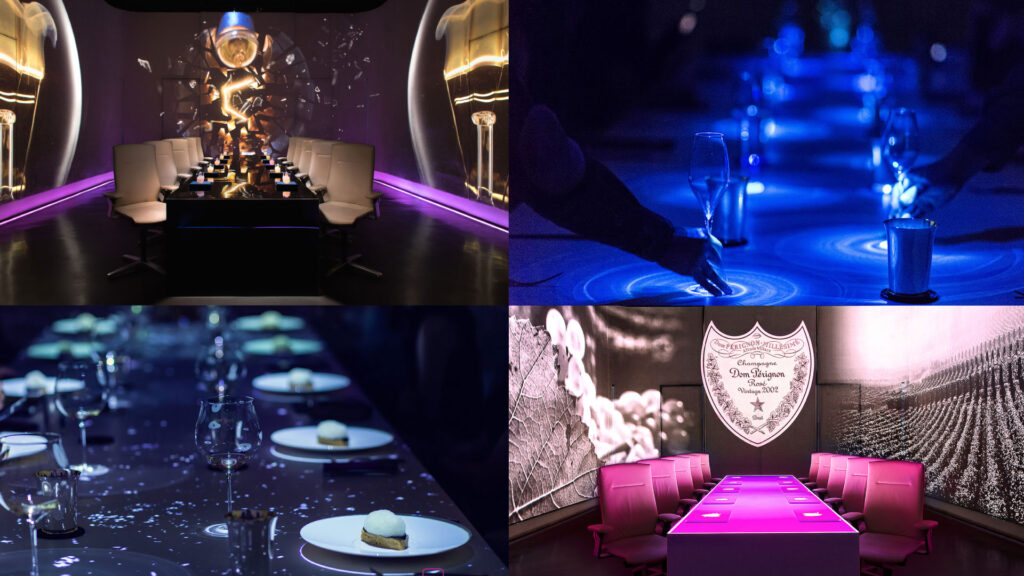
Museums are redefining visitor engagement by crafting multisensory experiences that combine traditional methods with cutting-edge technology. Curated scents and immersive soundscapes transport visitors to distinct times and places—whether through the aroma of ancient spices or the ambient noise of a bustling historical market. Similarly, edible exhibits and tasting stations tied to cultural or historical themes deepen emotional connections and leave lasting impressions [5].

Technology enhances these sensory elements by introducing new layers of interaction and immersion. Augmented reality (AR) and virtual reality (VR) bring historical events to life, allowing visitors to explore ancient environments or interact with digital reconstructions of artifacts. Haptic feedback devices simulate the sensation of touch, enabling users to “feel” objects that might otherwise be inaccessible due to fragility or preservation concerns. Furthermore, spatial audio systems adapt soundscapes to visitor movements, creating dynamic, personalized auditory experiences [4][5].

By blending sensory-rich design with innovative technologies, museums are crafting deeply immersive journeys that connect audiences to art, history, and culture in ways never before possible. These integrated approaches encourage visitors not just to observe, but to feel and actively engage, forging emotional and intellectual connections that linger long after their visit.

images source: Ultraviolet by Paul Pairet

Deepening Emotional Connections

Beyond accessibility, multisensory strategies can evoke emotions, foster empathy, and deepen cultural understanding. Experiences like tasting culturally significant foods, hearing ambient sounds of historical sites, and smelling curated scents transport visitors to the essence of different eras and places. This approach strengthens their emotional connection to history and art, enriching their overall museum experience [3][4][5].

The Future of Multisensory Museums

By embracing multisensory design, museums can transcend traditional boundaries, making cultural heritage accessible, inclusive, and engaging for all. As the future unfolds, multisensory solutions stand as a beacon for museum innovation, enhancing visitor experiences and reshaping how we interact with cultural heritage [5].

References

[1] L. Shams and A. R. Seitz, “Benefits of Multisensory Learning,” Trends in Cognitive Sciences, vol. 12, no. 11, pp. 411–417, 2008.
[2] T. Harada, Y. Hideyoshi, E. Gressier-Soudan, and C. Jean, “Museum Experience Design Based on Multi-Sensory Transformation Approach,” in International Design Conference, 2018, pp. 2221–2228.
[3] S. Subramanian, “Creating Multi-Sensory Experiences: Integrating Emotions into Design,” Medium, May 16, 2018. [Online]. Available: https://medium.com/@shriyasub101/creating-multi-sensory-experiences-integrating-emotions-into-design-2ba4cf379643.
[4] D. Luo, L. Doucé, and K. Nys, “Multisensory Museum Experience: An Integrative View and Future Research Directions,” Museum Management and Curatorship, vol. 39, no. 1, pp. 1–22, 2024.
[5] “What Is a Multisensory Experience? 5 Powerful Examples,” Peek, Jan. 2025. [Online]. Available: https://www.peekpro.com/blog/multisensory-experience.

1.6. Breaking Barriers: Accessibility in Museums

Museums worldwide are reimagining how they serve their diverse audiences by prioritizing accessibility. By embracing innovative strategies and tools, these cultural institutions aim to create inclusive experiences for all visitors, regardless of physical, sensory, or cognitive abilities. Accessibility efforts range from digital tools to tactile engagement and universal design principles, setting new standards for inclusivity in the cultural sector.

Universal Design and Feedback

Universal Design (UD) principles, which aim to accommodate the broadest range of users, underscore the importance of accessibility from the ground up. Equally important is leveraging visitor feedback to continually improve accessibility measures. As demonstrated by museums adopting systemic approaches to organizational change, accessibility is not just an addition but a core value [7][8].

Tactile Accessibility

Integrating tactile images and braille descriptions caters to visually impaired visitors, enriching their museum experience [2]. 

At The Met, the program “Seeing Through Drawing” invites blind and partially sighted visitors to engage with artworks through touch and guided drawing exercises. This innovative approach fosters a deeper connection to the art, combining sensory exploration with creative expression [9].

Visual Accessibility

Deaf culture inclusion is another critical focus. Leading museums have embraced year-round initiatives like American Sign Language (ASL) tours and partnerships with Deaf communities to enhance accessibility [3]. Sign language tours and captioned videos are examples of how museums create a more inclusive experience for visitors with hearing impairments.

The Rijksmuseum offers a Family Tour in International Sign for families with deaf children or parents, providing an interactive exploration of Dutch art and history. The tour includes hands-on activities like drawing and modeling. [10]

Linguistic Accessibility

Providing multilingual materials and offering live translations or captions can ensure that non-native speakers and those with hearing impairments can fully engage with exhibits [1]. 

Accessibility for Neurodiverse Audiences

Innovative designs addressing neurodiverse audiences exemplify creative solutions. Quiet zones, sensory maps, and clear, readable fonts are small yet impactful changes that foster inclusivity [5][6]. By offering sensory-friendly events and thoughtfully designed exhibits, museums can create more welcoming environments for individuals with neurodiverse needs.

Digital Accessibility

Improving digital accessibility—such as creating user-friendly websites and interactive apps—ensures virtual engagement for remote or disabled visitors [4]. 

Conclusion

This aligns with global efforts to make cultural institutions inclusive, ensuring everyone can enjoy and learn from shared histories and stories. By adopting these strategies, museums not only enhance engagement but also affirm their role as welcoming spaces for all individuals, irrespective of their abilities.

References

[1] American Alliance of Museums, “4 Ideas to Create Linguistic Accessibility at Museums,” Apr. 28, 2023. [Online]. Available: https://www.aam-us.org/2023/04/28/4-ideas-to-create-linguistic-accessibility-at-museums/

[2] MuseumNext, “Tactile Images in Museums: Enhancing Accessibility and Engagement,” [Online]. Available: https://www.museumnext.com/article/tactile-images-in-museums-enhancing-accessibility-and-engagement/

[3] American Alliance of Museums, “Celebrating Deaf Culture: How 5 Leading Museums Approach Accessibility and ASL Year-Round,” May 17, 2024. [Online]. Available: https://www.aam-us.org/2024/05/17/celebrating-deaf-culture-how-5-leading-museums-approach-accessibility-and-asl-year-round/

[4] MuseumNext, “Improving Digital Accessibility for Museum Visitors,” [Online]. Available: https://www.museumnext.com/article/improving-digital-accessibility-for-museum-visitors/

[5] MuseumNext, “How Can Museums Increase Accessibility for Neurodiverse Audiences?,” [Online]. Available: https://www.museumnext.com/article/how-can-museums-increase-accessibility-for-neurodiverse-audiences/

[6] MuseumNext, “How Can Museums Increase Accessibility for Dyslexic Visitors?,” [Online]. Available: https://www.museumnext.com/article/how-can-museums-increase-accessibility-for-dyslexic-visitors/

[7] American Alliance of Museums, “Tips for Creating Accessible Museums: Universal Design and Universal Design for Learning,” Nov. 27, 2023. [Online]. Available: https://www.aam-us.org/2023/11/27/tips-for-creating-accessible-museums-universal-design-and-universal-design-for-learning/

[8] M. C. Ciaccheri, “Museum Accessibility by Design: A Systemic Approach to Organizational Change,” Medium, [Online]. Available: https://medium.com/@mchiara.ciaccheri/museum-accessibility-by-design-a-systemic-approach-to-organizational-change-f47f7b23105b [

9] The Metropolitan Museum of Art, “Accessibility at The Met,” [Online]. Available: https://www.metmuseum.org/learn/accessibility

[10] Rijksmuseum, “Accessibility,” [Online]. Available: https://www.rijksmuseum.nl/en/whats-on?filter=accessibility

1.5. Building Community Through Museums

How Can We Tie DIY and Interactive Technologies to Community Building?

Museums have long been seen as places of quiet reflection, where visitors admire static exhibits from a distance. However, a new wave of transformation is sweeping through these spaces, shifting the focus from passive observation to active participation. The power of DIY projects, interactive exhibits, and co-created spaces is reshaping how we experience culture, making museums more inclusive, dynamic, and community-driven than ever before.

The Shift from Passive Viewing to Active Participation

Hands-on activities

Modern museums have transformed from passive spaces into collaborative hubs where visitors actively shape their experiences. Through hands-on activities and DIY workshops, visitors become co-creators, contributing their voices to cultural narratives and fostering a deeper sense of belonging and inclusion [1]. These participatory initiatives provide platforms for self-expression and meaningful interaction, enabling diverse groups to share unique perspectives and cultivate shared ownership of museum spaces [3].

For marginalized groups, such efforts offer a powerful means of self-empowerment and storytelling, allowing individuals to showcase their creativity and lived experiences. By breaking down societal barriers, these activities foster inclusivity and encourage dialogue among people from varied backgrounds, enriching the cultural fabric of museums [3], [5].

Digital activities

Museums are increasingly using collaborative interactive activities to foster social connections among visitors. Tools like augmented reality, digital storytelling, and interactive displays encourage shared experiences that strengthen community bonds. For example, the Science Museum’s Disease Controller game in the Medicine and Communities gallery allows four players to collaboratively manage the spread of an epidemic in a city. Participants must make quick decisions, such as issuing public health campaigns or vaccinations, highlighting the challenges of urban health and the impact of infectious diseases [7]. These activities transform museums into vibrant spaces where visitors connect through shared exploration and learning.

Museums and Wellbeing

Museums are essential for promoting psychological and social well-being by providing restorative environments that encourage connections. Participatory activities like DIY projects and collaborative exhibits help foster identity, community and enhance self-esteem while reducing stress. Research shows that interactive and co-creative museum activities lead to personal growth, sense of accomplishment, and strengthen social bonds. [2], [4].

One great example is the Holburne Museum’s “Image – Peer Supported Museums Group” which is designed for individuals with lived experience of mental health challenges, providing a supportive environment to foster creativity and independence. The group engages in specialist artist-led workshops covering skills like bronze clay jewelry, acrylic painting, and printmaking, followed by independent development. Members aim to enhance creativity using museum collections, develop skills, exhibit their work, and promote inclusion and well-being through art. [6]

A Future of Collaborative Communities

Museums are evolving beyond their traditional role of showcasing artifacts, becoming spaces that foster collaboration and community engagement. By incorporating these participatory elements ensures that museums are not just institutions for knowledge but vibrant spaces for social connection and shared experiences [3]. These innovations allow museums to serve as community hubs, where shared experiences and social bonds are nurtured. The future of museums lies in their ability to empower visitors to actively shape the experience, fostering a sense of belonging and deeper understanding while building stronger, more connected communities.

References

[1] Moura, H., et al., “Collaborative Museums: An Approach to Co-Design,” ACM CSCW 2012, pp. 681–684, 2012.

[2] Šveb Dragija, M., and Jelinčić, D.A., “Can Museums Help Visitors Thrive?,” Behav. Sci., vol. 12, no. 458, pp. 1–17, 2022.

[3] Wallen, L., and Docherty-Hughes, J.R., “Caring Spaces: Individual and Social Wellbeing in Museum Community Engagement Experiences,” J. Museum Education, vol. 47, no. 1, pp. 93–102, 2022. 

[4] “Transforming Community Engagement in Unexpected Spaces,” MuseumNext. [Online]. Available: https://www.museumnext.com/article/transforming-community-engagement-in-unexpected-spaces/

[5] “Inclusive Museum Community,” Doubleknot. [Online]. Available: https://www.doubleknot.com/blog/inclusive-museum-community.

[6] “Image – Peer Supported Museums Group,” The Holburne Museum. [Online]. Available: https://holburne.org/learning-and-creativity/mental-health-and-creativity/pathways-to-wellbeing/peer-led-museums-group/

[7] Science Museum, “Medicine: The Wellcome Galleries,” Science Museum. [Online]. Available: https://www.sciencemuseum.org.uk/see-and-do/medicine-wellcome-galleries.

1.4. Engagement Across Generations: Designing Inclusive Museum Spaces

Museums today are not only repositories of artifacts and history but dynamic spaces for community interaction, learning, and inspiration. Engagement, often described as the depth of a visitor’s emotional, intellectual, and physical connection with an institution’s offerings, is a multifaceted concept that extends beyond mere attendance. As Ed Rodley discusses in his article “Defining ‘Engagement’,” the term encompasses both the individual’s immersive experience and the reciprocal interaction between the museum and its audience. This dual perspective highlights the importance of creating spaces where visitors are not only recipients of information but active participants, contributing to a shared cultural dialogue [9]. By designing meaningful experiences tailored to diverse age groups — children, adults, and seniors — museums can inspire curiosity, provide learning opportunities, and build lasting relationships with their audiences.

The Importance of Multi-Generational Engagement

In a world that’s becoming increasingly diverse in terms of age and interests, museums must design experiences that cater to different learning needs. The ability to connect with visitors from varied backgrounds and life stages not only enhances the relevance of museums but also strengthens the role of these institutions as community hubs. While children may crave interaction and sensory stimulation, adults often seek intellectual depth and critical engagement. Seniors, on the other hand, benefit from programs that emphasize accessibility, comfort, and intergenerational connection. Creating museum spaces that accommodate all these needs ensures that museums remain engaging for everyone, regardless of age.

Understanding the Audience

Children: Spark Curiosity and Play
Children thrive in interactive, sensory-rich environments that encourage exploration and play. Features such as tactile displays, hands-on workshops, and augmented reality experiences provide opportunities for active engagement. For example, children’s areas in science and history museums combine education with fun, allowing children to learn by doing. The integration of digital technologies and gamification has become central in creating these captivating experiences [1].

Adults: Encourage Depth and Discovery
Adults often seek intellectual engagement, context, and connections to broader societal issues. Guided tours, audio guides, and themed events tailored to specific interests offer platforms for deeper understanding. Offering flexible experiences, such as evening talks and workshops, allows adults to explore topics at their own pace while connecting with like-minded individuals [2].

Seniors: Foster Connection and Comfort
For senior visitors, accessibility, comfort, and meaningful interaction are key. Gentle-paced tours, comfortable seating, and programs that promote reminiscence and storytelling create welcoming spaces. Intergenerational programs also offer seniors the opportunity to engage with younger generations, enhancing the experience for both groups [3].

Strategies for Engagement Across Generations

  1. Co-creation with Communities: Involving community members in the design and development of museum programs ensures that exhibits and events resonate with diverse age groups. This participatory approach ensures that museums adapt to the changing needs of their audiences [4].
  2. Intergenerational Programs: Activities that bring together different generations—such as family days or joint art projects—help to build stronger community connections while addressing the needs of all age groups.
  3. Technological Adaptation: Mobile apps, virtual reality, and other technologies allow museums to offer personalized, adaptive experiences that cater to individual preferences and accessibility needs.
  4. Continuous Feedback: Gathering feedback from visitors across all age groups helps to refine programming and maintain its relevance. Surveys, focus groups, and online reviews provide invaluable insights for future initiatives [5].

Challenges and Opportunities

One challenge in designing for diverse audiences is balancing the needs of different age groups without diluting the experience. Tailored content, adaptive technologies, and modular exhibit designs can address this. Another consideration is ensuring accessibility for all visitors, from physical accommodations to cognitive inclusivity. Research highlights the importance of visitor studies in understanding audience engagement. Insights from studies, such as those examining the impact of cultural capital and motivations, can guide museums in designing experiences that resonate deeply with visitors [7][8].

Conclusion

Engaging audiences across generations requires thoughtful design, community involvement, and a commitment to inclusivity. By addressing the unique needs of children, adults, and seniors, museums can create spaces that not only educate but also inspire and connect communities. As we move forward, let’s envision museums as vibrant hubs where all generations can come together to share, learn, and grow.

References

[1] Museums Association, “Engaging audiences and communities,” Available: https://www.museumsassociation.org/careers/competency-framework/engaging-audiences-and-communities/

[2] Thinking Museum, “Museum visitor teams and the art of informal engagement,” Apr. 18, 2024. Available: https://thinkingmuseum.com/2024/04/18/museum-visitor-teams-and-the-art-of-informal-engagement/

[3] Crowd101, “Museum community engagement,” Available: https://www.crowd101.com/museum-community-engagement/

[4] MuseumNext, “6 museums successfully cementing relationships with their audiences,” Available: https://www.museumnext.com/article/6-museums-successfully-cementing-relationships-with-their-audiences/

[5] Museum-iD, “Audience engagement: How museums learned to love their visitors,” Available: https://museum-id.com/audience-engagement-how-museums-learned-to-love-their-visitors-by-adam-rozan/

[6] C. Jones, “Enhancing our understanding of museum audiences: Visitor studies in the twenty-first century,” Museum & Society, vol. 13, no. 4, pp. 539-544, 2015. 

[7] B. Taheri, A. Jafari, and K. O’Gorman, “Keeping your audience: Presenting a visitor engagement scale,” Tourism Management, Pre-print Draft, 2025. 

[8] G. Black, The Engaging Museum: Developing museums for visitor involvement, London: Routledge, 2005. 

[9] E. Dawson, “Defining engagement,” Thinking About Museums, Dec. 4, 2019. Available: https://thinkingaboutmuseums.com/2019/12/04/defining-engagement/.

1.3. DIY: A Hands-On Experience in the Museum

Museums have traditionally been spaces where visitors passively observe artifacts, but DIY elements are changing the game. By involving visitors in the creation process, museums foster a sense of ownership, creativity, and deeper engagement.

What is DIY (Do-It-Yourself)?

According to the Cambridge dictionary, DIY (Do-It-Yourself) is “the activity of decorating or repairing your home, or making things for your home yourself, rather than paying someone else to do it for you:” [1] This practice has grown from a niche activity into a significant cultural phenomenon, emphasizing accessibility, creativity, and self-empowerment. This is particularly evident in DIY spaces, such as laboratories, which are pivotal for grassroots innovation, fostering personal motivation and community-driven goals. [2]

Why DIY? The Science Behind Engagement

DIY fosters engagement and provides a hands-on approach to learning, encouraging curiosity and active participation. Studies show that tactile and interactive experiences stimulate deeper cognitive and emotional connections, making content more impactful for diverse audiences. This is particularly important in museums, which aim to educate while inspiring creativity and curiosity. [2] [6]

DIY Applications in Museums

In museums, DIY elements translate into interactive exhibits and workshops where visitors actively participate in creating or exploring concepts.

Examples include:

The Tech Interactive’s Biotinkering Lab, where visitors engage in hands-on biotech experiments. It is a creative space to explore biotechnology and biological sciences. Through engaging activities, the lab encourages participants to use biodesign and experiment with sustainable materials, genetics, and new technologies. Its primary focus is to make science accessible, fun, and inspiring for people of all ages. [3]

The Art of Tinkering Workshop is a three-day session at the Exploratorium designed for educators to explore tinkering as a teaching approach. Participants engage in hands-on activities, reflect on their experiences, and learn strategies to encourage creativity, problem-solving, and critical thinking in their classrooms. The workshop focuses on creating supportive environments, enhancing facilitation skills, and integrating tinkering into education. [4]

Challenges of DIY in Museums

Despite their benefits, DIY initiatives face challenges. Funding constraints often limit the scope of these programs, while scalability remains a concern for integrating DIY across broader audiences. Ethical considerations, especially in fields like biotechnology, add another layer of complexity. Museums must balance creativity with safety and accessibility, ensuring that DIY activities remain inclusive and impactful. [5] [6]

Looking Forward: DIY’s Potential

The future of do-it-yourself (DIY) activities in museums is about connecting these projects with wider educational and innovative goals. By building partnerships and engaging with communities, museums can offer more DIY programs that are affordable and can benefit society. It’s important to appreciate the unique value that DIY practices bring, as they can have a positive impact on education, businesses, and more. [2][5]

Sources

  1. Cambridge Dictionary, “DIY,” Cambridge Dictionary. [Online]. Available: https://dictionary.cambridge.org/dictionary/english/diy
  2. M. D. Dzandu and B. Pathak, “DIY Laboratories: Their Practices and Challenges – A Systematic Literature Review,” Technology Analysis & Strategic Management, vol. 33, no. 10, pp. 1242–1254, 2021. DOI: 10.1080/09537325.2021.1968373.
  3. The Tech Interactive. (n.d.). “The Biotinkering Lab.” [Online]. Available: https://www.thetech.org/explore/exhibits/the-biotinkering-lab/biotinkering-community-of-practice.
  4. Exploratorium. (n.d.). “Art Tinkering Workshop.” [Online]. Available: https://www.exploratorium.edu/tinkering/our-work/calendar/art-tinkering-workshop.
  5. W. You, W. Chen, M. Agyapong, and C. Mordi, “The Business Model of Do-It-Yourself (DIY) Laboratories – A Triple-Layered Perspective,” Technological Forecasting & Social Change, vol. 159, pp. 120205, 2020. DOI: 10.1016/j.techfore.2020.120205.
  6. H. Charman, “Designerly Learning: Workshops for Schools at the Design Museum,” Design and Technology Education: An International Journal, vol. 15, no. 3, pp. 28–40, 2010.

1.2. How Interactive Technologies Shape Visitor Experiences

Technology is redefining the museum experience, turning static exhibitions into engaging, immersive journeys. By integrating tools such as augmented and virtual reality (AR/VR), interactive tables, projection mapping, and motion-sensing installations, museums offer visitors innovative ways to engage with their collections. These advancements not only entertain but also enhance learning, accessibility, and emotional connection.

Interactive spaces/Projection Mapping

Interactive spaces and projection mapping are transforming traditional museum visits into dynamic, multi-sensory experiences, engaging visitors through immersive storytelling and tactile exploration. At the Experimentarium in Copenhagen, the Interactive Film Theatre [1] combines live-action sequences and projection mapping to create a participatory cinematic experience. Visitors influence the story’s direction by interacting with physical objects in the space, blending narrative and interactivity seamlessly.

Similarly, the Exploratorium’s Tactile Dome [2] in San Francisco invites guests to navigate a completely dark, hands-on environment, emphasizing touch as the primary sense. These spaces demonstrate how interactive design and innovative technologies deepen engagement, making museum experiences more memorable and accessible.

Interactive Tables/ Touchscreens

Interactive tables and touchscreens offer hands-on learning, allowing visitors to explore exhibits through intuitive gestures. At Tokyo’s Miraikan, the Geo-Cosmos Geo-Scope [3] connects a touch-sensitive table to a global display, enabling users to navigate real-time data on climate, disasters, and human activity. These tools simplify complex topics, making museum visits both engaging and memorable.

Similarly, the ARTLENS Wall [4] at the Cleveland Museum of Art features a massive touchscreen where visitors can explore the entire collection, learn about artworks in depth, and curate personalized tours. These tools make complex information accessible, blending education and engagement seamlessly.

Augmented Reality (AR) and Virtual Reality (VR)

AR enriches exhibits by overlaying digital content onto physical artifacts, offering interactive and educational experiences. Visitors can access additional information, animations, and reconstructions, making learning more dynamic and accessible. For instance, The Science Museum Group’s Wonderlab AR [5] app encourages students to explore scientific concepts interactively, even outside of the museums. It helps them connect with the real world and understand the scientific innovations that shape everyday objects and our lives.

VR provides immersive, interactive exhibits that allow exploration of historical sites, distant cultures, and intricate details of artifacts that might be inaccessible in physical form. The CoSA – Center of Science Activities in Graz features “ARdventure,” [6] a VR and AR experience where visitors solve puzzles and interact with a digital world to learn about science and technology in an engaging and innovative way.

Benefits and Drawbacks [7], [8]

Benefits

  1. Accessibility: Digital collections, virtual tours, and mobile apps expand access, especially for remote audiences or those with disabilities.
  2. Immersive Learning: AR, VR, and interactive exhibits offer deeper engagement, making learning interactive and fun. VR enhances experiences with first-person, immersive perspectives.
  3. Enhanced Experience: AI personalizes visits, while citizen science and crowdsourcing foster community involvement.
  4. Sustainability: Museums are adopting eco-friendly practices, such as energy-efficient lighting and sustainability-focused exhibits.
  5. Wider Reach: Social media and online events keep museums connected with global audiences, promoting engagement and participation.

Drawbacks

  1. High Costs: AR, VR, and 3D technologies are costly to implement and maintain, with significant expenses for hardware, software, and content creation.
  2. Access and Usability Issues: Not all visitors have the technology or skills for digital experiences, and VR may be difficult for older adults or those with disabilities due to motion sickness or discomfort.
  3. Technical and Hygiene Problems: Museums face equipment malfunctions and hygiene concerns with shared VR gear, requiring frequent cleaning and the use of disposable masks.
  4. Distraction from Core Content: VR can overshadow physical exhibits, diverting attention away from the museum’s educational offerings.
  5. Health and Social Impact: Prolonged VR use may cause discomfort like eye strain or headaches, and virtual experiences can reduce social interaction and engagement typically found in physical visits.

A Vision for the Future

As technology continues to evolve, the possibilities for museums are endless. Interactive technologies in museums are likely to evolve toward more immersive, personalized, and accessible experiences. AR, VR, and AI will enhance engagement, offering tailored content and real-time interactions. As these technologies become more affordable, they will seamlessly integrate with physical exhibits, creating mixed-reality experiences. The focus will also be on sustainability and inclusivity, ensuring that all visitors can benefit. In conclusion, the future will blend digital and physical experiences, transforming how we engage with cultural content, though challenges like cost and accessibility will need careful attention.

Sources

  1. Experimentarium, “The Interactive Film Theatre.” [Online]. Available: https://www.experimentarium.dk/the-interactive-film-theatre/
  2. Exploratorium, “Tactile Dome.” [Online]. Available: https://www.exploratorium.edu/exhibits/tactile-dome.
  3. Miraikan, “Geo-Cosmos: The World in Real-Time,” National Museum of Emerging Science and Innovation. [Online]. Available: https://www.miraikan.jst.go.jp/en/exhibitions/tsunagari/geo-scope/
  4. Cleveland Museum of Art, “ARTLENS Wall,” ARTLENS Gallery. [Online]. Available: https://www.clevelandart.org/artlens-gallery/artlens-wall.
  5. Science Museum Group, “Wonderlab AR,” Learning Resources. [Online]. Available: https://learning.sciencemuseumgroup.org.uk/resources/wonderlab-ar/
  6. CoSA Graz, “ARdventure.” [Online]. Available: https://www.museum-joanneum.at/cosa-graz/ardventure.
  7. MuseumNext, “The Disadvantages of Using Virtual Reality in Museums,” MuseumNext. [Online]. Available: https://www.museumnext.com/article/the-disadvantages-of-using-virtual-reality-in-museums/.
  8. MuseumNext, “What Are the Innovations of Museums?” MuseumNext. [Online]. Available: https://www.museumnext.com/article/what-are-the-innovations-of-museums/.

1.1. Bridging the Physical and Digital Worlds: Transforming Museum Experiences through Interactive Technologies

Traditional museum experiences typically involve passive observation. However, by integrating interactive technologies such as touch screens, VR/AR, and motion-sensing installations, museums can improve their exhibits and make them more engaging. Additionally, incorporating DIY elements that allow visitors to create or contribute actively ensures a participatory and enriching experience.

Research Question and Sub-Questions
My central research question is:
How do DIY elements (visitors creating their own experience) and interactive technologies improve engagement and retention in learning within museums?

This question is supported by sub-questions like:
How can these methods be adapted for different age groups?
Can these methods foster community building within museum spaces?
Can DIY experiences remain truly “hands-on” when combined with advanced tech?

DIY Elements:
DIY elements in museums enable visitors to actively engage by creating or developing exhibits. This hands-on participation boosts creativity, problem-solving, and a deeper connection to the content, improving both engagement and learning. Studies show that visitor satisfaction increases significantly when exhibits involve personal input, with 49% of respondents preferring interactive exhibits. [1]

Interactive Technologies:
Technologies like AR, VR, and motion sensors offer dynamic, immersive experiences, enriching emotional and intellectual engagement. AR overlays digital content on physical exhibits, while VR transports visitors to virtual spaces, increasing their understanding. Research highlights how these technologies create personalized, engaging experiences. [2]

image source: Science Museum

Relevant Institutions
A list of museums and science centers that I intend to explore in greater depth. This research will focus on their exhibits, educational programs, and the impact they have on the community.

Personal Motivation
By exploring this topic, I hope to uncover creative methods to make museums more interactive and engaging. My goal is to transform these spaces into environments where learning is enjoyable and becomes a shared adventure. In doing so, I hope to help people connect with one another and create memorable experiences that they can truly enjoy together.

Next Steps
In the next steps, I plan to:

  • Analyze existing examples of interactive museum experiences. (reference “Relevant Institutions”)
  • Investigate how community building happens through cooperative DIY activities.
  • Evaluate the impact of interactive exhibits on information retention.
  • Compare non-technology-based tangible interactions to those using tech in museum settings.

Sources

  1. X. Li, “Interactive elements in museum design,” Journal of Museum Studies, vol. 15, no. 3, pp. 211–230, 2020.
  2. D. Baker and R. White, “The effectiveness of digital technologies for the visitor’s experience,” Journal of Digital Learning, vol. 11, no. 2, pp. 145–160, 2018.
  3. Exploratorium. [Online]. Available: https://www.exploratorium.edu.
  4. Science Museum. [Online]. Available: https://www.sciencemuseum.org.uk.
  5. CoSA Graz. [Online]. Available: https://www.museum-joanneum.at/cosa-graz.
  6. Experimentarium. [Online]. Available: https://www.experimentarium.dk.
  7. The Tech Interactive. [Online]. Available: https://www.thetech.org.

Breaking the Glass: How Technology Can Deepen Our Understanding of Art

In this blog, I will research the ways of extending the perception of art in museums that can help emerge into art, understand the context and meaning of the work, and connect with the artwork, its time, and its artist on a deeper level. My initial idea of expanding interaction with art was only 3D scanning and printing in a way of presenting a reproduction of the original relief, color, and small details next to the original work. So that the audience could quite literally touch the art they consume and perceive it not only with sight but touch as well, that could be a way to open more interpretations, and emotions gained from art. However, I believe it could be not only touch but other senses involved. What if you could start hearing, feeling the temperature, tasting, and touching the already existing piece of art, that was previously only seen from far?


My motivation initially stemmed from my interest in visual art. As someone interested in painting, I find many small details of art fascinating, particularly the texture and relief of the paint. Usually, in galleries and museums, it is not allowed to approach a painting closely, let alone touch it. However, I believe it would be a truly wonderful experience to touch the artwork and feel the thick, rigid brushstrokes, droplets, and highlights with my own hands. This gave me the idea of recreating the relief of the original painting so that visitors could touch the art and feel a stronger connection with the artist who lived centuries ago. However, later I realised a bigger problem and respectively a bigger idea. It is not only about the interest in touching a piece of art but deeply immersed in the history and the context of art.


Studies have determined that the average time a person spends gandering at a piece in a museum is between 15 seconds and 30 seconds. That’s plenty of time to figure out what the image is attempting to represent (or not, if you’re looking at abstraction). But that’s not nearly enough time to fully experience the work. Given this fact, we should also consider the average attention span of the adult at this day and age, which is just 8. 25 seconds. Hence, it is not a rarity to see a person not willing to read a description of the art and to just look at it for a few seconds. Sometimes we can even see people not stopping once in a museum, sometimes we see bored public yawning while listening to a guide, sometimes there are no guides or descriptions at all, only art behind a barrier and glass.


In fact, a large number of people are interested in art and want to visit different cultural sites. Of course, the percentage depends on cultural, educational, and personal factors, but the study’s 2017 edition, based on answers from 27,969 respondents, found visual and performing arts attendance overall up by 3.6% since 2012, with 132.3 million U.S. adults (53.8% of all U.S. adults) attending a visual or performing arts activity at least once in the previous year. However, a deeper understanding of art is available for visitors who have formal art education or deep familiarity with art history, the majority engage at a surface level. One of the main problems of an existing barrier to understanding is a lack of accessible or engaging information. Thinking about a younger audience we can more prominently point out the fact that they need more interactivity and technology in museums.


So what are the existing tools in museums that help get into the history and the context of the specific artwork? Let’s start with the most trial and common ones: information panels, audio guides, guided tours, talks, brochures, and booklets. Relatively new ways to explore art in museums – online databases, interactive maps online on museum apps and websites, social media posts, quizzes, and treasure hunts. Also thematic installations and interactive technologies such as AR, VR, and Interactive displays. I would like to focus on the last two categories and start a deeper research on them.


In the upcoming posts, I would like to first understand a little bit about how people behave in museums and how they perceive art in museums. Later I need to learn about the existing experiences of museums incorporating interactive technologies and analyse their success or errors. I would like to understand the technology of 3D scanning and printing, in which museums is this embodied and how and what lessons can be learned from their experience. Apart from 3d, there are plenty of other ways to interact with the public that must be studied in this blog. The question is why these tools are not widespread in the museums, how can they be enhanced to bridge the gap between seeing and understanding art?

Sources:

https://www.artsy.net/article/artsy-editorial-long-work-art-it

https://magazine.libarts.colostate.edu/article/changing-peoples-perceptions-of-museums/

https://www.artsy.net/article/artsy-editorial-art-museum-gallery-attendance-rise-new-nea-survey

https://www.arts.gov/sites/default/files/2022-SPPA-final.pdf

https://culturesource.org/stories/deep-dive-using-the-neas-new-arts-participation-data/