10. Summary and Conclusion

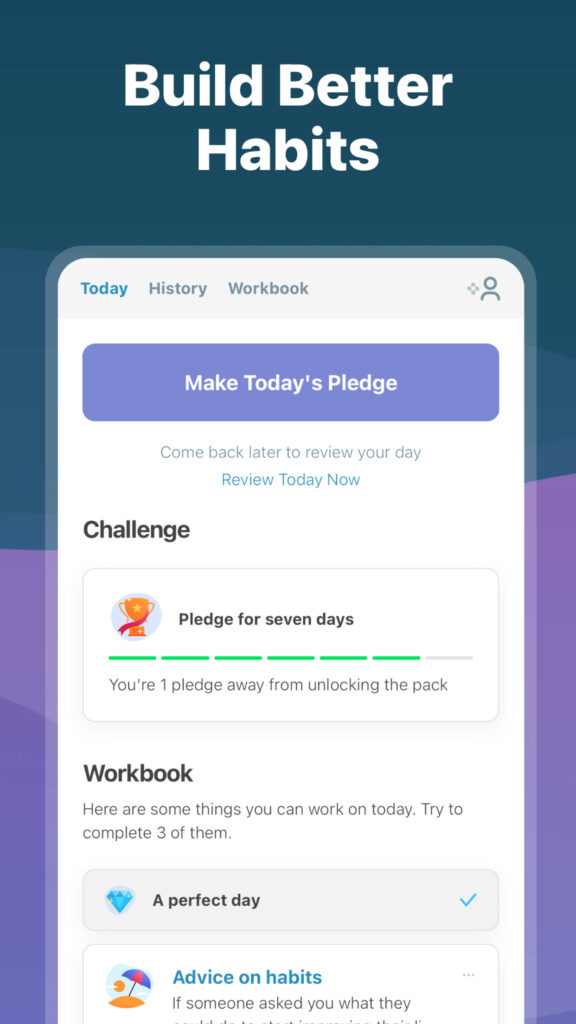
Preventing health problems before they happen is one of the best ways to stay healthy. However, many people don’t know much about preventive healthcare, which can help avoid serious diseases like heart attacks and strokes. The good news is that technology and design can help make preventive healthcare easier and more interesting for everyone.

In my blog posts, I explored how adding fun and engaging features, like gamification, can encourage people to take better care of their health. Gamification uses things like rewards, challenges, and progress tracking to keep people motivated. For example, fitness apps that give points for daily steps or health platforms that offer badges for completing check-ups.

One of the most important things we need to consider is how to make sure people’s personal health information stays safe. If we want people to trust and use healthcare apps, we must protect their data with strong security measures and clear privacy policies.

We also need to find the best ways to use gamification to promote healthy habits. Simple features like goal tracking and reminders can be very effective, while more complex systems might include personalized health challenges and rewards that fit each person’s lifestyle.

Building a healthcare platform that works for both doctors and patients can be challenging. It requires a balance between providing useful medical advice and keeping users engaged without overwhelming them. Some of the benefits of such a system include better communication with doctors, improved health tracking, and easier access to preventive care information. However, challenges include making the system easy to use and ensuring that it meets medical standards.

  1. What gamification strategies can make preventive healthcare more popular?

Strategies like setting achievable goals, offering rewards, using progress tracking, and providing social support can make preventive healthcare more engaging and encourage long-term commitment.

2. How can we ensure that people’s health data stays private and secure?

By implementing strong encryption methods, secure user authentication, clear privacy policies, and regular security audits, we can protect user data and build trust.

3. What are the benefits and challenges of creating a healthcare system that works for both patients and doctors?

The benefits include better communication, personalized health recommendations, and improved health monitoring. However, challenges involve ensuring ease of use, maintaining data security, and aligning with healthcare regulations.

Preventive healthcare has the power to save lives and improve well-being, but it needs to be more accessible and engaging for people. By using gamification and smart design, we can encourage healthy habits and make healthcare more enjoyable. The journey towards better preventive healthcare is ongoing, and with the right tools and strategies, we can create a healthier future for everyone.

1.8 Gamification in Mental Health Apps: Engagement or Overload?

Gamification, the integration of game-like elements into non-gaming contexts, has emerged as a popular strategy in mental health apps to boost user engagement and foster positive behavioral changes. By using rewards, progress tracking, and interactive challenges, gamification helps users stay motivated and engaged in achieving their mental health goals. The concept leverages the human tendency to seek immediate gratification, making long-term health routines feel more enjoyable and rewarding. This approach transforms otherwise mundane or challenging tasks into engaging and rewarding experiences, encouraging users to adhere to their mental health practices over time.

The Framework of Gamification: Mechanics, Dynamics, and Aesthetics

Gamification in mental health apps often revolves around the Mechanics-Dynamics-Aesthetics (MDA) framework:

Mechanics are the visible, interactive elements that users directly engage with, such as progress bars, badges, leaderboards, and daily check-ins. Apps like SuperBetter allow users to adopt secret identities, complete challenges, and invite allies for support. Similarly, Finch lets users nurture a virtual bird as they complete self-care tasks, turning progress into a tangible reward.

Dynamics focus on processes like goal-setting, progress tracking, and feedback mechanisms that sustain user engagement. For example, I Am Sober allows users to track their sobriety, showing tangible benefits like money and calories saved over time, which reinforces their commitment. Apps like Happify use adaptive challenges to maintain motivation, rewarding users with points for completing in-app activities tailored to their goals.

Gamification in Finch, Image source: App Store
Gamification in I Am Sober, Image source: App Store

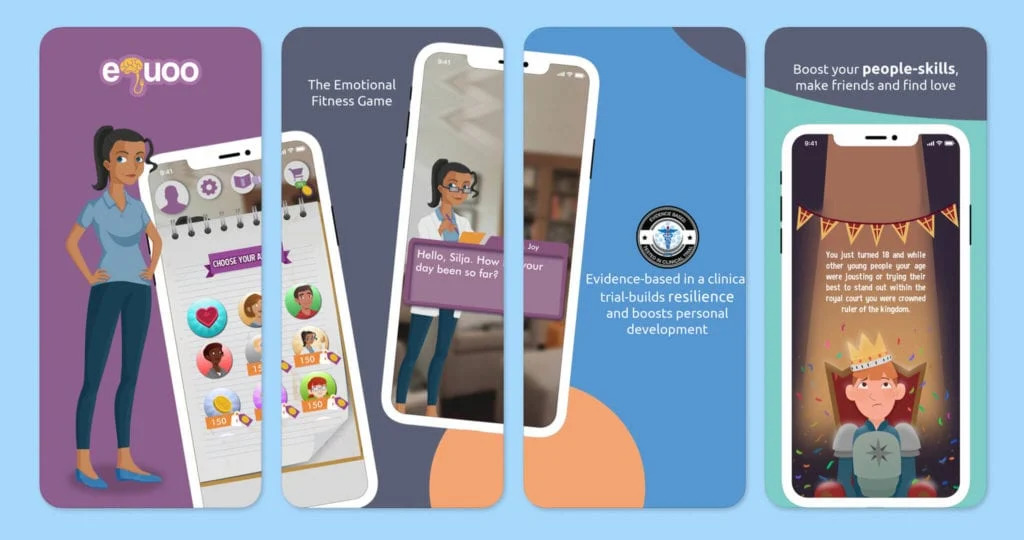
Aesthetics evoke emotions such as motivation and connection through design and storytelling. eQuoo, for instance, uses fantasy storytelling and interactive challenges to teach emotional resilience. Meanwhile, SuperBetter embraces bold visuals and empowering language to encourage users to tackle “bad guys” like self-criticism.

Storytelling in eQuoo, Image source: One Mind Psyber Guide

Benefits of Gamification

Enhanced Engagement

Gamification makes mental health routines more enjoyable and accessible. Features like badges, progress tracking, and leaderboards reward users for their efforts, fostering a sense of accomplishment. For instance, Happify uses positive psychology techniques to help users reduce anxiety and loneliness while promoting emotional well-being​​.

Encouraging Healthy Habits

Apps like Finch and Rootd help users form consistent routines by rewarding daily actions, such as journaling or practicing mindfulness. These small, gamified nudges support users in developing healthier habits over time​.

Gamification in Rootd, Image source: New Ventures BC

Challenges of Gamification

App Fatigue

Over-reliance on repetitive tasks and extrinsic motivators like badges can lead to disengagement. When users feel overwhelmed by excessive prompts or redundant activities, the risk of app fatigue increases​.

Balancing Game and Therapy

Adding too many game elements can dilute the therapeutic value of an app. Research shows that increasing gamified features doesn’t always enhance outcomes, underscoring the need for thoughtful design​​.

Ethical and Practical Considerations

Customization and Personalization

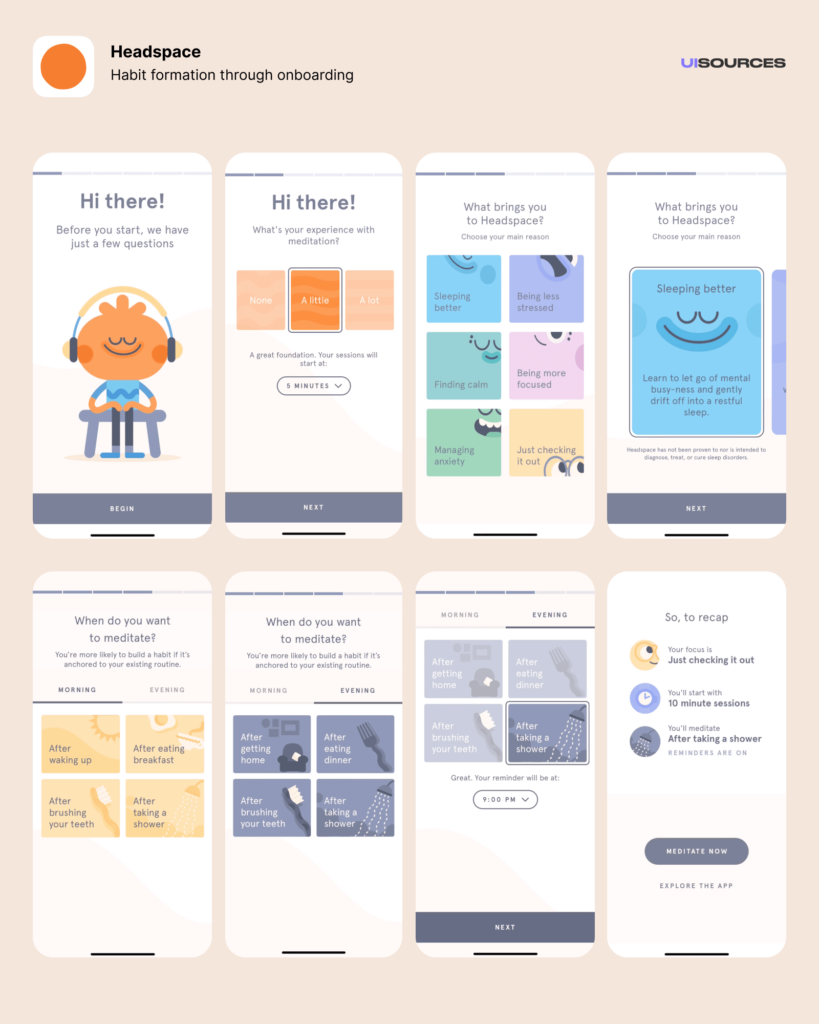
Personalized experiences are key to keeping users engaged. Apps like Headspace offer tailored meditation tracks based on user input, while Rootd adapts its activities to help users manage anxiety and panic attacks effectively.

Onboarding Screens in Headspace, Image Source: UI Sources

Meaningful Interactions

Apps should prioritize outcomes over screen time. For instance, Headspace ensures users benefit from its programs without feeling pressured to overuse the app. Its studies show that completing at least 10 meditation sessions in eight weeks significantly reduces symptoms of depression.

Conclusion

Gamification has great potential to make mental health apps more engaging and effective. By thoughtfully combining game elements with therapeutic goals, these apps can support users on their well-being journeys. However, careful design is crucial to ensure they remain meaningful, balanced, and beneficial.

Sources

  1. Cheng, V. W. S., Davenport, T., Johnson, D., Vella, K., & Hickie, I. B. (2019). Gamification in apps and technologies for improving mental health and well-being: Systematic review. JMIR Mental Health, 6(6), e13717. https://doi.org/10.2196/13717
  2. Hamdoun, S., Monteleone, R., Bookman, T., & Michael, K. (2023). AI-based and digital mental health apps: Balancing need and risk. IEEE Technology and Society Magazine, 42(1), 25–36. https://doi.org/10.1109/MTS.2023.3241309
  3. “How To (and Why You Should) Incorporate Gamification Into Your Mental Health Care App.” SF AppWorks. Accessed: Jan. 19, 2025. [Online.] Available: https://www.sfappworks.com/blogs/incorporating-gamification-into-your-mental-health-care-app
  4. Santoso, I. S., Ferdinansyah, A., Sensuse, D. I., Suryono, R. R., Kautsarina, & Hidayanto, A. N. (2021). Effectiveness of gamification in mHealth apps designed for mental illness. Proceedings of the 2nd International Conference on ICT for Rural Development (IC-ICTRuDev), Jogjakarta, Indonesia, 1–6. https://doi.org/10.1109/IC-ICTRuDev50538.2021.9655706
  5. “The Power of Gamification in Mental Health Apps – And how they benefit well-being.” MedPage Today. Accessed: Jan. 19, 2025. [Online.] Available: https://www.medpagetoday.com/opinion/kevinmd/106239
  6. Valentine, L., D’Alfonso, S., & Lederman, R. (2023). Recommender systems for mental health apps: Advantages and ethical challenges. AI & Society, 38(4), 1627–1638. https://doi.org/10.1007/s00146-021-01322-w

Level Up Your Gains: Psychology of Gamification in Fitness

Gamification has emerged as a compelling strategy to enhance engagement in various domains, including fitness. By integrating elements such as points, badges, leaderboards, narratives, and eliciting an emotional connection, gamified fitness applications aim to make physical activity more enjoyable and motivating. Understanding the psychological mechanisms behind this approach is crucial for designing and developing an effective fitness app.

Intrinsic and Extrinsic Motivation
Motivation in fitness can be categorized into intrinsic (internal) and extrinsic (external) factors. Intrinsic motivation refers to engaging in an activity for its inherent satisfaction, while extrinsic motivation involves performing a task to earn rewards or avoid punishment. Gamification leverages both types by providing external rewards (e.g., badges, points) that can enhance intrinsic enjoyment through increased engagement and a sense of achievement. Studies have shown that gamified interventions can boost both intrinsic and extrinsic motivation, leading to improved adherence to exercise routines.

Source: Wolph – The Science Behind Fitness Gamification: Why It Works and How to Get Started


Behavioral Change and Habit Formation
Gamified fitness apps often incorporate goal-setting, feedback, and progress tracking, which are essential components of behavior change theories like the Transtheoretical Model and Self-Determination Theory. By setting clear goals and providing immediate feedback, these apps facilitate the development of healthy habits and support users through different stages of behavior change. The sense of progression and achievement in gamified systems can reinforce positive behaviors, making users more likely to maintain their fitness routines.

Source: PMC – Gamification for health and wellbeing: a systematic review of the literature

Social Influence and Competition
Many gamified fitness platforms incorporate social elements such as leaderboards, challenges, and community features. These components tap into social influence and the human desire for social connection and recognition. Friendly competition and social support can enhance motivation and accountability, encouraging users to engage more consistently in physical activity. However, it’s important to design these features carefully to avoid negative effects like decreased motivation in users who consistently rank lower on leaderboards.

Source: NLM – Health Wearables, Gamification, and Healthful Activity

Emotional Engagement and Enjoyment
Incorporating game-like elements can make exercise more enjoyable, reducing the perception of effort and increasing overall satisfaction. Narratives, avatars, and virtual rewards create an immersive experience that can distract from the physical exertion of exercise, making it feel less like a chore and more like an engaging activity. This emotional engagement is crucial for long-term adherence to fitness routines.

Source: Fast Company – How gamification is changing fitness

Potential Pitfalls and Considerations
While gamification has notable benefits, it’s essential to be aware of potential drawbacks. Over-reliance on extrinsic rewards can sometimes undermine intrinsic motivation, a phenomenon known as the overjustification effect. Additionally, poorly designed gamification elements may lead to decreased motivation if users feel they cannot compete or achieve the set goals. Therefore, personalization and thoughtful design are key to ensuring that gamified fitness applications effectively motivate a diverse user base.

Source: frontiers – Motivation crowding effects on the intention for continued use of gamified fitness apps: a mixed-methods approach

Conclusion
The psychology of gamification in fitness highlights a range of strategies that can significantly enhance motivation, adherence, and overall engagement. Gamification taps into both intrinsic and extrinsic motivation, creating a balance that encourages users to stick to their fitness routines. Incorporating social features, such as leaderboards and challenges, leverages human competitiveness and the need for connection to drive consistent engagement. Additionally, the use of narratives and avatars creates an emotional connection that transforms exercise into an immersive, enjoyable experience.

However, over-reliance on extrinsic rewards can lead to the overjustification effect, where users lose intrinsic motivation once rewards are removed. Furthermore, the use of leaderboards, while effective for some, can discourage users who consistently rank lower. These insights emphasize the importance of thoughtful, user-centric design that adapts to individual needs and preferences.

Ultimately, a successful gamified fitness app must strike a delicate balance: it should motivate without overwhelming, engage without alienating, and reward without creating dependency. By understanding and addressing these psychological nuances, developers can create experiences that not only foster short-term engagement but also promote long-term behavior change and healthy habits.

Level Up Your Gains: The Benefits of Mascot Based Gameplay

Games featuring mascot gameplay—where players nurture and care for virtual pets or similar characters—offer a distinct experience that sets them apart from games without such mechanics. These games tap into players’ emotional cores, creating bonds that extend beyond simple gameplay. This connection fosters unique engagement, often blending entertainment with emotional and psychological benefits. By exploring the dynamics of these games, we can better understand why they resonate so deeply with players.

Emotional Attachment and Responsibility
Caring for a virtual pet encourages players to build an emotional attachment through repetitive, nurturing interactions. These games simulate the experience of having a dependent creature, which naturally elicits feelings of responsibility. For instance, players may feed, groom, or play with their virtual companions, and neglecting these tasks can result in consequences like an unhappy or sick pet. This interplay of care and accountability fosters a sense of purpose and consistency in player behavior. Unlike traditional games, where engagement is tied to objectives like defeating enemies or solving puzzles, mascot gameplay intertwines success with the pet’s well-being. Research suggests this attachment can positively impact empathy and nurturing behaviors in real life, potentially making players more attuned to caring for others.

Source: SFU – The effects of interacting with a computer-simulated virtual pet dog on children’s empathy and humane attitudes

Enhanced Engagement through Personalization
Mascot gameplay frequently allows players to deeply personalize their virtual pets, which strengthens the emotional bond between the player and the game. Players often have the opportunity to name their pets, customize their appearances, and influence their behaviors or attributes through choices made in the game. This level of personalization fosters a sense of ownership and pride, transforming what could otherwise be a generic in-game character into something truly unique. This customization keeps players invested, as they are not simply progressing in the game but are actively building a relationship with a personalized entity. As a result, the more effort players put into shaping their pets, the more likely they are to stay engaged over time. By comparison, games without this level of customization may struggle to build similar levels of attachment or long-term engagement.

Stress Reduction and Mental Well-being
Interacting with virtual pets is not just entertaining—it can also have therapeutic benefits. Many players report feelings of relaxation and reduced stress while caring for their virtual companions, as the low-stakes yet rewarding nature of these interactions creates a calming experience. For individuals who cannot own real pets due to financial, health, or logistical constraints, virtual alternatives can offer similar companionship and emotional fulfillment. These games simulate the psychological benefits of real pet ownership, such as alleviating loneliness and providing a structured sense of responsibility. Studies and community discussions highlight how this connection improves players’ mental health, serving as a digital form of pet therapy. By offering a blend of escapism and companionship, virtual pet games position themselves as more than just entertainment—they become a source of emotional support.

Source: VirtualPetList – What’s the Impact of Virtual Pets on our Mental Health

Community Building and Social Interaction
The social dimensions of virtual pet games further distinguish them in the gaming landscape. Many of these games incorporate multiplayer or community-driven elements, such as trading pets, participating in competitions, or joining forums to share tips and stories. These social mechanics create opportunities for players to connect, fostering a sense of community around shared interests. Unlike games focused solely on individual progression, mascot-based games often emphasize collaboration and collective achievements. This interconnectedness enhances the experience, as players not only bond with their pets but also with like-minded individuals. These communities are not just secondary features; they often become the heart of the game, reinforcing player loyalty and encouraging long-term engagement.

Source: TheGamingList – Why do you play virtual pet games

Differentiation from Non-Pet Games
Games without virtual pet mechanics often focus on external goals, such as achieving high scores, completing missions, or mastering complex challenges. While these elements offer excitement and intellectual stimulation, they may lack the depth of personal connection that mascot gameplay provides. The act of nurturing a virtual pet introduces a softer, more empathetic dimension to gaming. It shifts the focus from external achievement to the internal satisfaction of caring for another being. This emotional engagement can make mascot games feel more rewarding over time, as the gratification stems from the player’s relationship with their pet rather than the completion of isolated tasks. In this way, mascot games stand out by blending emotional fulfillment with gameplay mechanics, offering a unique hybrid experience.

Conclusion

Mascot-based games with virtual pets differentiate themselves by fostering emotional bonds, enabling personalization, and offering psychological benefits that traditional games often lack. The cited research and community insights emphasize the importance of emotional engagement and responsibility in these games, which lead to increased empathy, reduced stress, and a greater sense of purpose. The integration of social features further enriches the gaming experience, creating communities that amplify the emotional connection between players and their pets. In contrast, games without virtual caregiving mechanics focus on external goals, which can limit their ability to resonate on a personal level. Ultimately, mascot gameplay is not just about entertainment—it’s about creating meaningful, enduring experiences that connect players to their virtual companions and to one another.

Level Up Your Gains: Current Landscape of Gamified Strength Training Apps

The hype around fitness and the growth of a more health-conscious generation has not only led to a rise in fitness studio subscriptions but also fitness related apps supporting users in their fitness journey.
It is not surprising that some have went beyond simply tracking progress and started gamifying your workouts. However, while the market for gamified endurance sports apps is well developed, strength training remains an area with potential. This post investigates a range of current strength training and rep-tracking apps, analyzing their strengths, weaknesses, and gaps that a gamified mascot-based strength app could fill.

1. HeroFit

HeroFit gamifies strength training by letting users level up avatars and earn rewards through workout completion. Its leaderboard and progression features encourage friendly competition and consistent use.

Where it falls short:
The app only scratches the surface of gamification and lacks more engaging content/functions which could lead to getting disinterested quickly. It’s focus on external competition may also discourage users who are not driven by rankings or social comparison. Additionally, it lacks personalized, adaptive challenges based on the user’s progress.

2. Workout Quest

Workout Quest integrates RPG-style quests, where users earn experience points and “level up” by completing exercises. The adventure-based narrative adds a fun twist to strength training.

Where it falls short:
Its gamification is mostly surface-level, with limited integration into actual workout tracking. The app could offer more robust analytics and deeper customization for different fitness levels.

3. Nerd Fitness Journey

Nerd Fitness Journey uses gamification to help users progress through fitness “missions” in a game-like format. It combines nerd culture with fitness, providing users with creative challenges tied to fandoms like Star Wars or superheroes.

Where it falls short:
While its themes are engaging, the app lacks strong rep-tracking features and strength-specific guidance. Additionally, the gamified missions often feel loosely connected to actual strength progression, making it less effective for serious lifters.

4. Treeceps

Treeceps offers a mix of workout tracking and gamified elements, encouraging users to complete strength-training workouts to progress within the game.

Where it falls short:
The app struggles to differentiate itself from competitors. Its narrative and progression systems feel underdeveloped, and it lacks unique elements that would make it stand out.

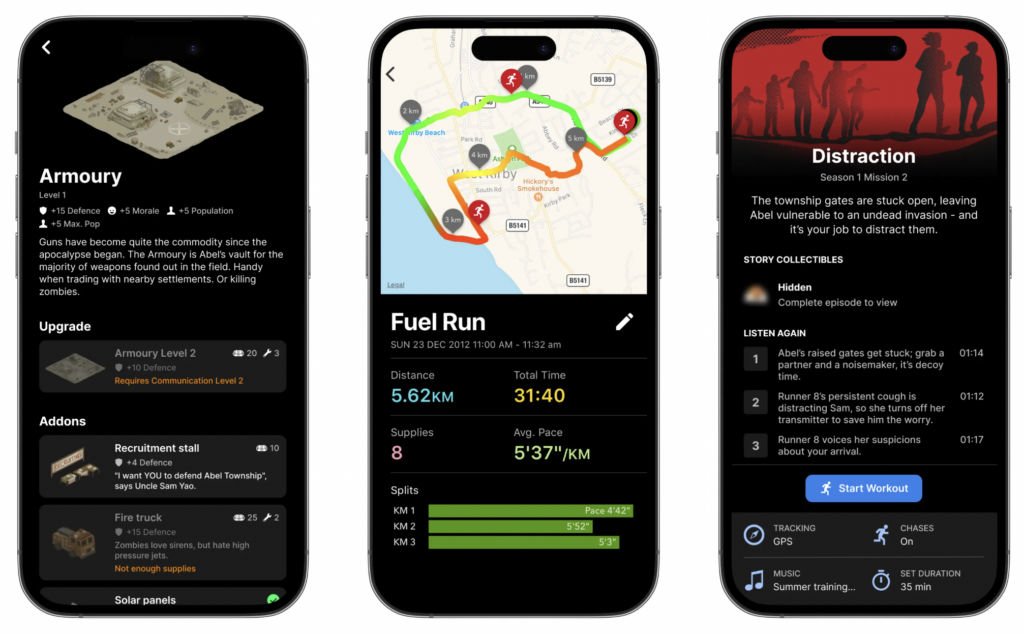
5. Zombies, Run! (Endurance Sport Example)

This app demonstrates how to create an immersive narrative experience, motivating users with a compelling storyline and rewards tied to activity.

Where it falls short (for strength training):
Zombies, Run! is heavily focused on cardio. While it succeeds in gamifying endurance training, it provides little insight for adapting similar concepts to strength workouts.

General Takeaways

Across the board, these apps face several challenges:

1. Shallow Gamification: Many apps fail to integrate gamification deeply into the workout process. Points, badges, and leaderboards are motivating but often lack a sense of long-term progression or narrative depth.

2. Lack of Personalization: Few apps offer truly adaptive systems that adjust based on user progress, fitness goals, or skill level.

3. Limited Emotional Engagement: Existing apps rarely create a personal connection with users, relying on extrinsic motivation rather than intrinsic factors like emotional investment.

The Opportunity: A Mascot Based Strength Tracking App

A Mascot-based app for strength training could fill a unique niche in this space by addressing the above gaps. Here’s how:

Deep Emotional Engagement: Users could “raise” a virtual character (like a Tamagotchi) whose progress and well-being depend on their workouts. Skipping a session could lead to setbacks for the character, creating a sense of responsibility and emotional connection.

Intrinsic Motivation: Instead of external competition, users would focus on caring for their character and watching it grow. This fosters a more personal and sustained sense of motivation.

Adaptive Progression: The app could introduce challenges and “boss battles” tailored to the user’s fitness level. For example, attempting a personal record could unlock a new stage in the game.

Story-Driven Narrative: Much like Zombies, Run!, the app could incorporate an engaging storyline that evolves as the user trains, adding depth and continuity to the gamified experience.

Conclusion

While the current offerings in gamified strength training have laid a solid foundation, they leave much to be desired in terms of depth, personalization, and emotional engagement. A Tamagotchi-inspired app could bridge these gaps, creating a new standard for gamified fitness that is both fun and meaningful. By combining interactive storytelling, adaptive challenges, and emotional investment, such an app has the potential to revolutionize how people approach strength training.

01. Incorporating Gamification in Preventive Medicine

Sudden deaths, particularly those caused by heart attacks, strokes, and injuries, remain a major global health challenge. These incidents often occur without warning and claim the lives of individuals who might have been saved with timely intervention or early detection. According to the World Health Organization, cardiovascular diseases alone account for nearly 32% of global deaths, many of which are preventable with improved public awareness and timely medical attention.

One of the key reasons behind these preventable deaths is the lack of knowledge regarding the early warning signs of life-threatening conditions. For instance, many heart attack and stroke victims do not recognize the symptoms early enough to seek urgent medical care. Studies have shown that the administration of first aid or CPR in the first few minutes of a heart attack or stroke can drastically improve survival rates. In fact, immediate intervention can double or even triple a person’s chances of survival

The intersection of design and healthcare presents a unique opportunity to address these challenges. Is this topic relevant in the tech industry? Absolutely—it’s a rapidly growing sector. The health tech market is thriving, offering immense potential for innovation.

According to Grand View Research, “The Global Digital Health Market was valued at $211 billion in 2022, with a projected compound annual growth rate (CAGR) of 18% until 2030.” This growth underscores the opportunity for UX design to enhance user interaction with healthcare services and platforms, bridging the gap between complex medical systems and user-friendly experiences.

Gamification is one such design approach being widely adopted across industries to improve user engagement. By leveraging elements of human psychology—such as the drive for achievement, competition, and recognition—gamification transforms routine or challenging tasks into enjoyable, engaging activities. For example:

  • Education: Apps like Duolingo use streaks and points to encourage consistent learning.
  • Fitness: MySugr gamifies diabetes management by providing users with engaging tasks.
  • Healthcare: HealthTap rewards users for engaging with health-related content, promoting health literacy.

In healthcare, gamification helps bridge the gap between knowledge and action, motivating users to adopt healthier lifestyles and sustain long-term behavior change.

My motivation to explore this topic stems from my close connections to the medical field, as many of my relatives work in healthcare. Their experiences have provided valuable insights into how ordinary people can take proactive steps to prevent various illnesses. While I initially aspired to become a doctor, I chose a different career path. However, my desire to contribute to improving public health remains unwavering.

Preventive healthcare holds immense potential, yet a significant portion of the population remains unaware of its importance. Measures such as early detection of diseases, vaccinations, and lifestyle adjustments can significantly reduce the risk of chronic illnesses. Despite the accessibility of this information, many individuals do not actively engage in preventive practices. This is often due to a lack of motivation, interest, or understanding of the long-term benefits.

To address these challenges, my master’s thesis focuses on developing an integrated medical platform designed for both patients and doctors. This platform aims to foster communication and decision-making by providing easy access to patients’ comprehensive health histories. Using this data, the system could recommend personalized risk assessments and recommend targeted preventive measures tailored to each individual.

A key feature of this platform would be the incorporation of gamification to boost user engagement. For example, patients could access interactive educational content based on their specific health risks, complete modules, and earn rewards such as discounts on vaccines or vouchers for supplements. These incentives would not only make preventive care more appealing but also encourage consistent participation.

By combining gamified elements with essential healthcare practices, this platform has the potential to address critical gaps in preventive medicine. It offers a more engaging, accessible, and personalized approach to health education, motivating individuals to take charge of their well-being. Ultimately, this innovative concept could lead to improved health outcomes and a significant reduction in preventable illnesses and deaths on a global scale.

My central research question is: 

  • What gamification strategies can be used to increase the popularity of preventive healthcare?

The sub-questions are:

  • How can gamified preventive healthcare platforms ensure user data security and privacy?
  • Which types of gamification are most effective for promoting preventive healthcare behaviors?
  • What are the potential benefits and challenges of creating a unified gamified system for healthcare providers and patients?

In the upcoming blog posts, I’ll take a comprehensive look at the platform concept by examining multiple perspectives. In the first posts, I’ll explore the gamification aspect and its potential for engaging users, and then I’ll also evaluate the platform from the healthcare system’s standpoint. This includes assessing scalability—how well the platform can accommodate diverse users and systems—and privacy concerns, particularly regarding the handling of sensitive medical data.
Ultimately, my goal is to determine whether this is a viable idea or if I should explore alternative directions.

Level Up your Gains: Introduction

Gamification of Strength Training through Interactive Characters

Strength training has long been a staple of physical fitness, offering numerous benefits ranging from muscle growth to improved bone density. Yet, maintaining motivation and consistency in weightlifting or resistance exercises remains a challenge for many. While gamification has transformed areas like cardio and general fitness, it has yet to fully address the unique dynamics of strength training. This thesis seeks to explore how gamified elements, specifically through interactive characters, can be leveraged to make strength training not just effective, but genuinely engaging.

The Idea: A Virtual Companion for Progress

The core concept revolves around creating an app where users progress a virtual character—akin to a Tamagotchi—by completing strength training exercises. This character evolves or “levels up” in response to user efforts, offering a tangible and engaging representation of progress. By tying a user’s physical activities to the character’s development, the app introduces a compelling layer of emotional investment. Each completed set or increased weight becomes not just a personal achievement, but a meaningful step in the virtual companion’s journey.

This approach stands out in a market where most gamified fitness apps cater to cardio and conditioning. Fitocracy, for example, offers points and social leaderboards, while Zwift creates immersive cycling experiences. These platforms have proven the effectiveness of gamification but fall short of addressing the specific goals and mechanics of strength training. This thesis proposes to fill that gap by creating an experience tailored to lifters, where every rep contributes to the growth of their digital companion.

Research and Rationale

The motivational benefits of gamification are well-documented. Research highlights how incorporating game mechanics like competition, narrative, and rewards into fitness routines can enhance adherence. A study in the European Journal of Investigation in Health Psychology and Education found that gamified interventions helped individuals overcome exercise barriers by making activities more enjoyable. Despite this, the bulk of gamified solutions in fitness emphasize general physical activity or rehabilitation, leaving strength training underexplored.

Strength training, with its unique focus on progressive overload and structured routines, presents a distinct opportunity for gamification. Unlike cardio, which often relies on repetition and endurance, weightlifting requires incremental improvement and technical precision. These characteristics make it an ideal candidate for a game-inspired framework where users can see their progress reflected in both their physical capabilities and their virtual companion’s narrative.

Prototyping an Interactive Experience

The proposed app will include carefully designed feedback mechanisms to balance motivation with proper form and safety. The virtual character could evolve by gaining new abilities or defeating enemies as users achieve milestones, such as completing a personal best or mastering a new exercise. For instance, achieving a deadlift goal might unlock a “boss battle,” encouraging users to strive for consistent improvement. These mechanics will be accompanied by real-time feedback to ensure correct execution, helping users avoid injuries and maximize results.

The interplay between narrative and functionality is critical here. A compelling storyline tied to the character’s growth will not only keep users engaged but also create a sense of accomplishment that extends beyond the gym. This connection aims to shift the focus from viewing workouts as a chore to experiencing them as part of an interactive and rewarding journey.

Transforming Strength Training

By introducing gamified elements specifically designed for strength training, this project has the potential to redefine how people approach resistance exercises. The emotional and psychological investment in a virtual character offers a fresh perspective on fitness, turning a traditionally solitary activity into an engaging and interactive experience.

This thesis not only seeks to address a gap in the current landscape of fitness apps but also aspires to inspire further innovation in the gamification of physical health. Combining the science of strength training with the art of game design, the project lays the groundwork for a future where workouts are not only about results but also about enjoying the process.