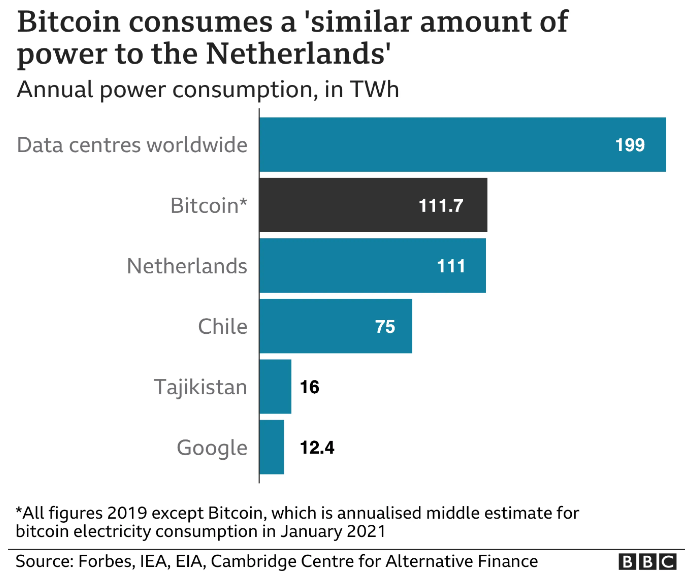
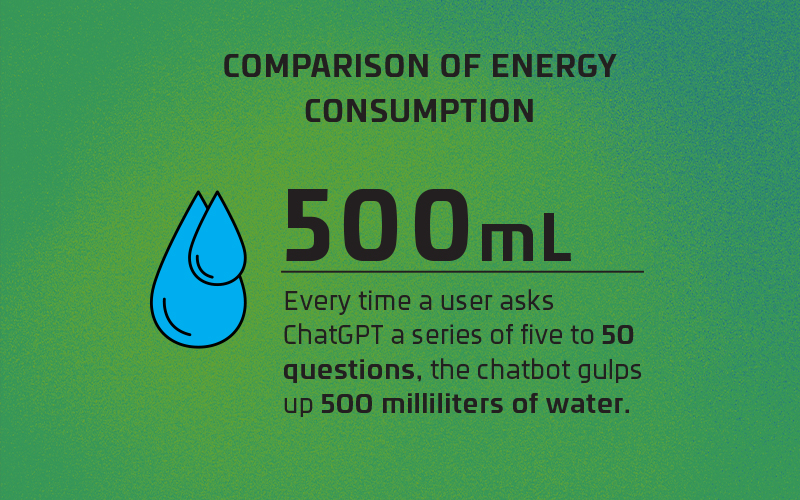
Chatgpt has become a major help to students over the past two years. This technology invention has completely changed the way information searching is done. It often helps us and saves time in various assignments. But have think about the question if we could find the answer ourselves, was it necessary to use chatgpt at any cost?
Energy usage during operation of ChatGPT
Inference Costs: Each time a user interacts with ChatGPT, the AI model must process the prompt and generate a response. This is called “inference” and requires computational power proportional to the complexity of the query and the response length.
Aggregate Usage: With millions of users globally, the cumulative energy required to serve these queries daily adds up significantly, especially when users submit unnecessary or overly frequent prompts.
ChatGPT User Growth Timeline (Release to May 2024)
After its launch, ChatGPT set a world record as the fastest platform to reach 1 million users, achieving this milestone in less than five days. This unprecedented growth was fueled by the recent hype surrounding AI and the ease of accessing ChatGPT for everyday tasks. Such rapid adoption highlights both its potential and the need to use it wisely [1].

https://wisernotify.com/blog/chatgpt-users/
ChatGPT User Growth Milestones

https://wisernotify.com/blog/chatgpt-users/
ChatGPT By Age: Usage Across Generations

https://wisernotify.com/blog/chatgpt-users/
How Are People Using ChatGPT?
There are various ways in which chatgpt is proving crucial. It can be an ideal tool for performing various tasks. Some of the ways people are using chatgpt are:
Students and ChatGPT

https://wisernotify.com/blog/chatgpt-users/
Missing statistics and data
There is no information on OpenAI’s official website about ChatGPT’s energy consumption or what steps the company would like to take to improve its impact on energy consumption. “According to ChatGTP, OpenAI is committed to reducing its carbon footprint and promoting sustainability initiatives, such as investing in renewable energy sources (produced, for example, through solar panels or wind turbines), improving its data centres and energy efficiency, and reducing waste and water use [2].” However, there is no data on what ChatGPT does to improve its environmental and social impact.
How to Use ChatGPT Sustainably
Here are a few principles to ensure we use ChatGPT thoughtfully:
Pause Before Prompting: Ask yourself if you really need ChatGPT for a particular task. Could you find the answer yourself through research, reflection, or discussion? Reserve ChatGPT for questions that require nuanced insights or efficiency.
Set Clear Goals: Define what you want to achieve before using ChatGPT. Vague prompts can lead to multiple iterations, increasing both time spent and energy use.
Use for Learning, Not Substitution: Use ChatGPT as a complementary learning tool rather than a replacement. For example, if you’re stuck on a problem, ask for guidance rather than a direct solution. This encourages you to engage with the material.
Collaborate With Others: Instead of immediately consulting AI, consider brainstorming with peers or mentors. Human collaboration not only strengthens understanding but also fosters interpersonal skills.
Limit Usage: Designate specific times or purposes for using ChatGPT, such as for brainstorming or refining ideas, to avoid habitual overuse.
Final Thoughts
As we use AI tools like ChatGPT more often, it’s important to build healthy habits. ChatGPT should help us, not replace our own thinking. By setting limits and using it responsibly, we can make the most of its benefits while continuing to grow as independent thinkers. Next time you’re about to type a question, stop and ask: Can I figure this out myself? If the answer is yes, give it a try. You might be surprised by how much you already know.
Resources:
[1] https://wisernotify.com/blog/chatgpt-users/
[2] https://zeroco2.eco/en/magazine/curiosities/chatgpt-sutainability/