Handmade Paper Sculpture Art – A Practical Example of a Lasercut Communication Design

This is a Dior Window Display in winter 2024 – Paper Crafts Store Display Innovation Luxury Dior Visual Merchandising

In the field of luxury visual merchandising, Dior is not only synonymous with fashion brands, but also a beacon of unique creativity and craftsmanship. Throughout its history of window dressing, Dior has always been in tune with contemporary trends and has often been at the forefront of visual merchandising.

Today, as awareness of sustainable development takes root, Dior is living up to its name and putting its brand philosophy into practice. The window display is not only a visual feast, but also a perfect combination of environmental awareness and luxury design, a collision between nature and technology. Through carefully designed props, professional craftsmanship and cutting-edge display technology, Dior once again demonstrates its leadership in visual merchandising.

Merchandising Elements

1. Custom Paper Crafts of Animal Series

  • Graceful white swans symbolizing Dior’s noble elegance
  • Delicate butterfly clusters representing fashion’s timeless allure
  • Gentle and powerful unicorns displaying the brand’s romantic strength
  • Mysteriously elegant black panthers embodying fashion prowess

2. Marine-Inspired Retail Solutions

  • Agile dolphins conveying vitality and wisdom
  • Vibrant corals showcasing nature’s spectacular colors
  • Ethereal jellyfish presenting weightless transparency
  • Colorful tropical fish adorning oceanic themed spaces

3. Vary Kinds of Botanical Display Innovation

  • Blooming roses continuing Dior’s classic elements
  • Graceful vines creating natural growth patterns
  • Flourishing magnolias exhibiting Eastern aesthetic charm
  • Tropical palm leaves adding exotic flair

4. Lighting Design

  • Soft warm tones establishing intimate atmospheres
  • Vibrant led light strips highlighting thematic elements
  • Precise light mapping emphasizing product presentation
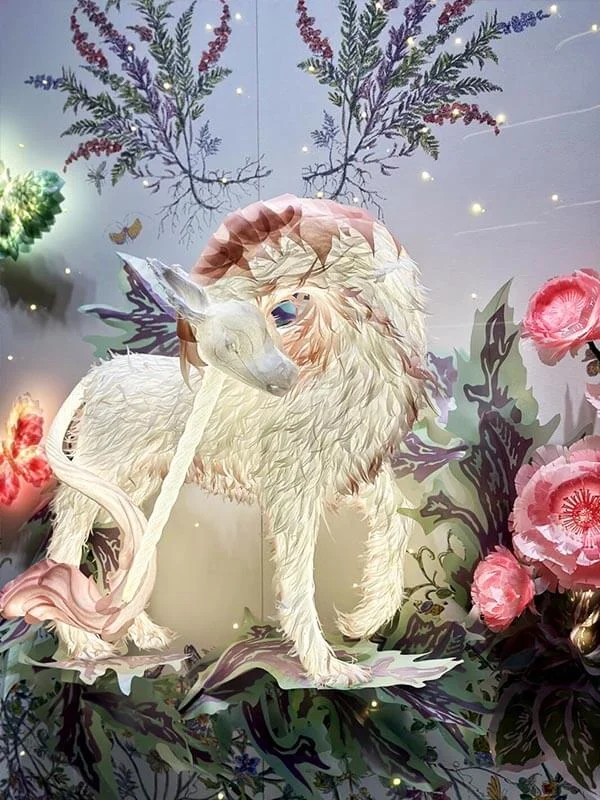
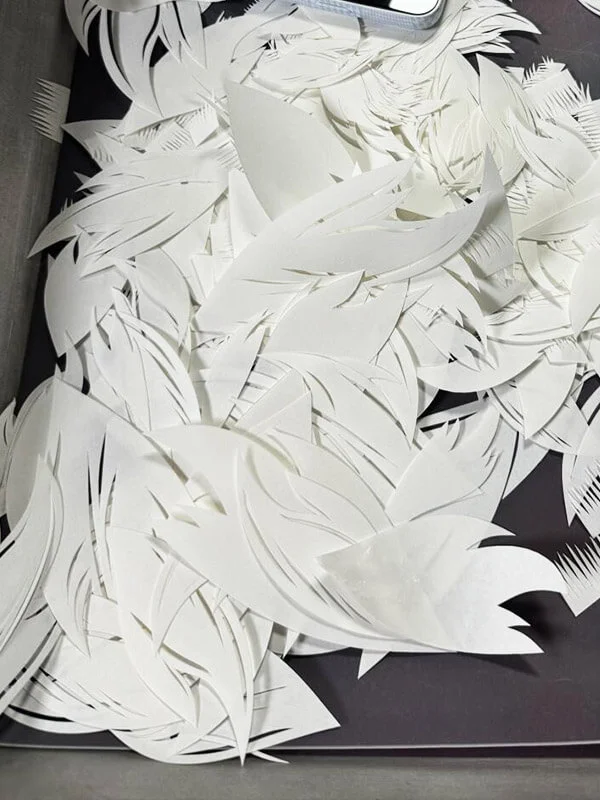
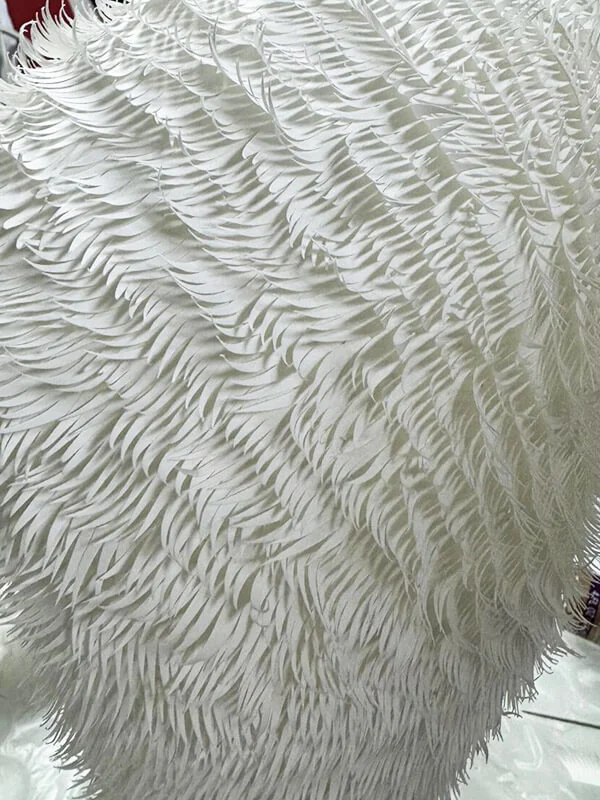
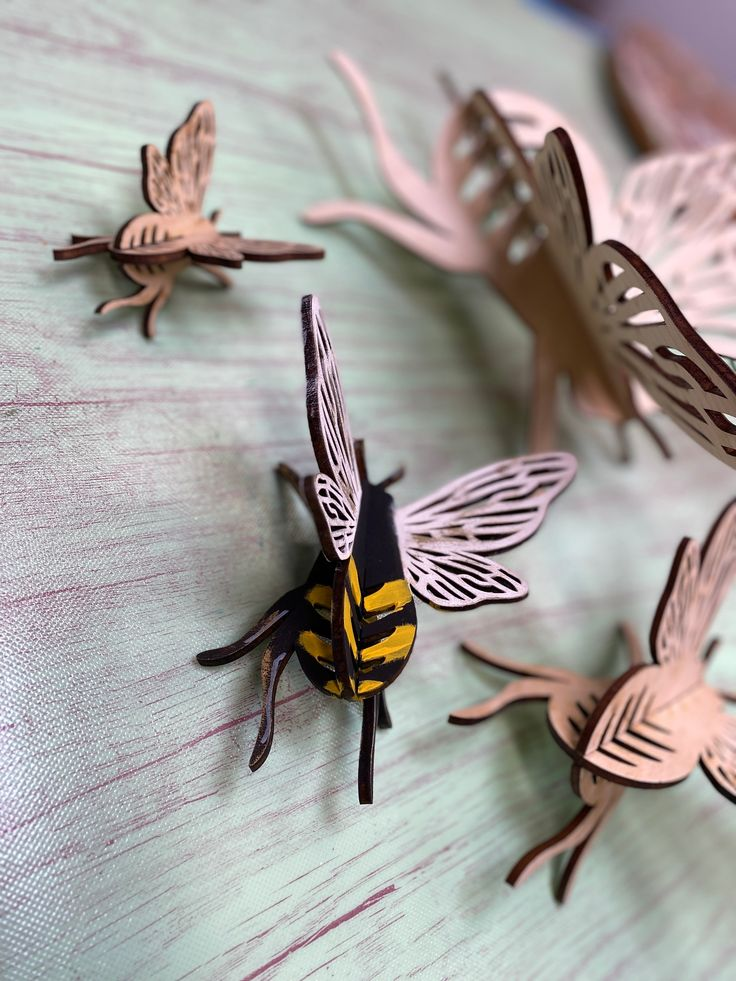
Exquisite Handmade Paper Sculpture Art, exquisite carving craftsmanship, as small as a few millimeters carving and superior hand gluing techniques

Resources:
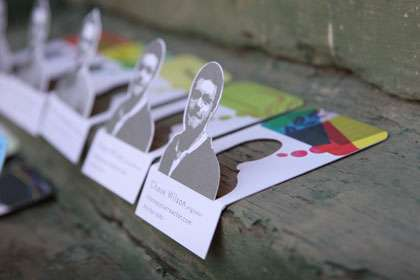
From 2D to 3D with the Laser cutter

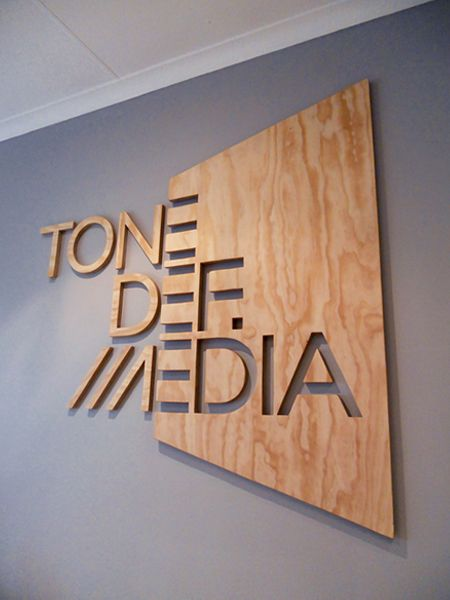
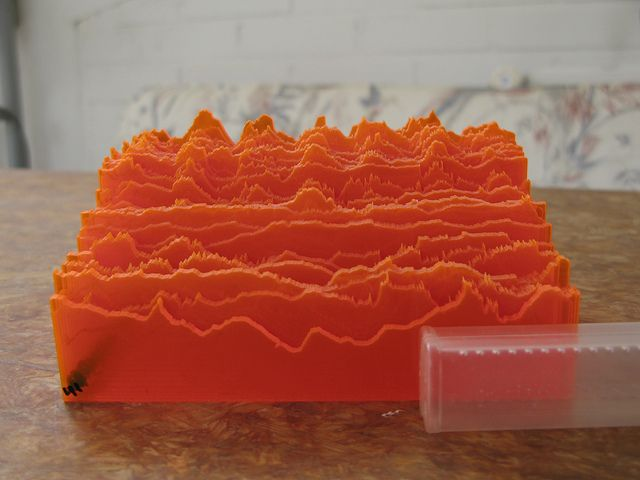
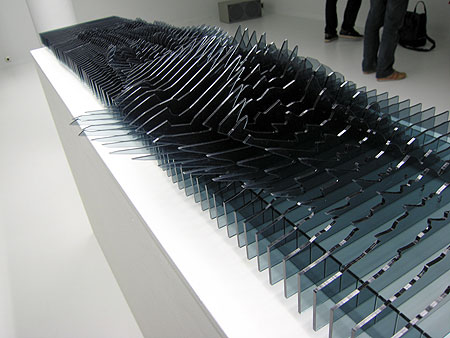
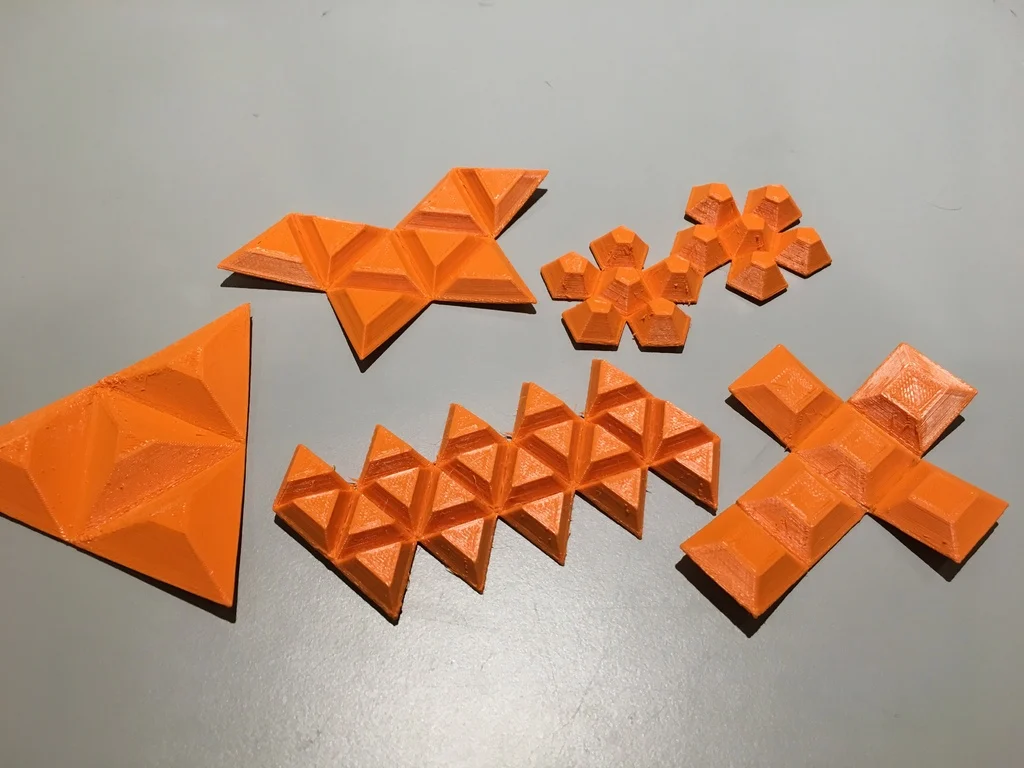
My research on the “Trotec Laser Cutter” in our FabLab at the FH has provided insights in the design possibilities with paper and thicker flat materials and turning them into 3 dimensional works. The laser cutter allows for three primary operations: engraving, etching, and cutting, from which you can obtain foldable shapes for displays or prototypes.

Artistic Designs

When working on artistic or decorative projects where precise dimensions are less critical, the kerf’s impact can often be disregarded. In these cases, the focus shifts to the aesthetic aspects and the overall visual appeal of the design, enabling greater creative freedom.

Proof-of-Concept or Rapid Prototyping

In the early stages of a project, such as proof-of-concept development or rapid prototyping, speed and iteration often take precedence over precision. At this stage, accounting for kerf may not be necessary. Quickly fabricating prototypes allows for efficient testing and refinement of the design without being hindered by minor details like kerf adjustments.

Inspiration

Possible Materials

Kerf cutting

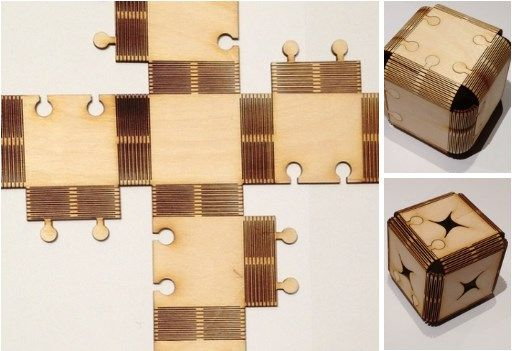
This is a technique that takes advantage of the kerf by weakening your material to allow for flexible sections (shown below). This works best in thinner wood materials, with downloadable templates

Understanding and accounting for kerf is an important aspect of designing for laser cutting. Kerf refers to the width of material that is removed during the cutting process, resulting in the laser beam vaporizing or melting away a small portion of the material. While kerf may seem like a minor detail, it can affect the overall dimensions and fit of your final design. There are instances where considering kerf is crucial:

  • Interlocking Parts: If you’re designing parts that need to fit together snugly, such as puzzle pieces or interlocking joints, you must account for the kerf. Failing to adjust the design for kerf could result in parts that are too loose or too tight, compromising the functionality of the final assembly. In such cases, you can offset the design by the kerf width to ensure a precise fit.
  • Enclosures and Boxes: When creating enclosures or boxes with tabs and slots, the kerf should be taken into account to achieve proper alignment and fit. Without accounting for kerf, the slots may be too narrow, preventing the tabs from fitting correctly, or they may be too loose, resulting in an unstable structure. By adjusting the design dimensions based on the expected kerf, you can ensure the pieces fit together seamlessly.
  • Dimensional Accuracy: If your design requires precise dimensions, such as when creating parts that need to fit into existing objects or mechanisms, accounting for kerf is essential. Neglecting to adjust for kerf could lead to components that are slightly larger or smaller than intended, affecting the overall functionality and fit of the final product.

Resources:

3-Dimensional Bodies Made from Paper

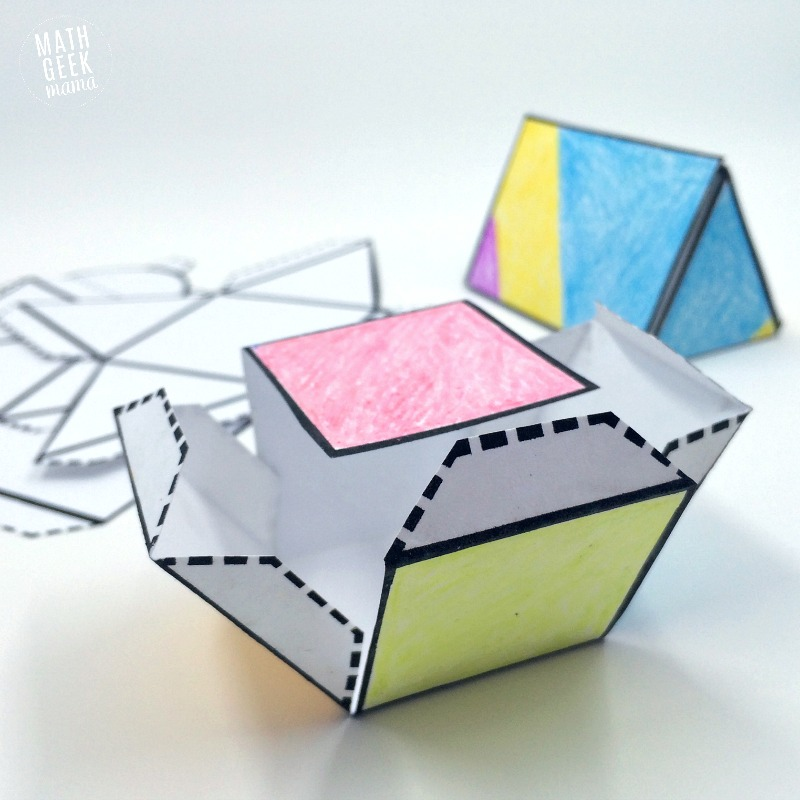
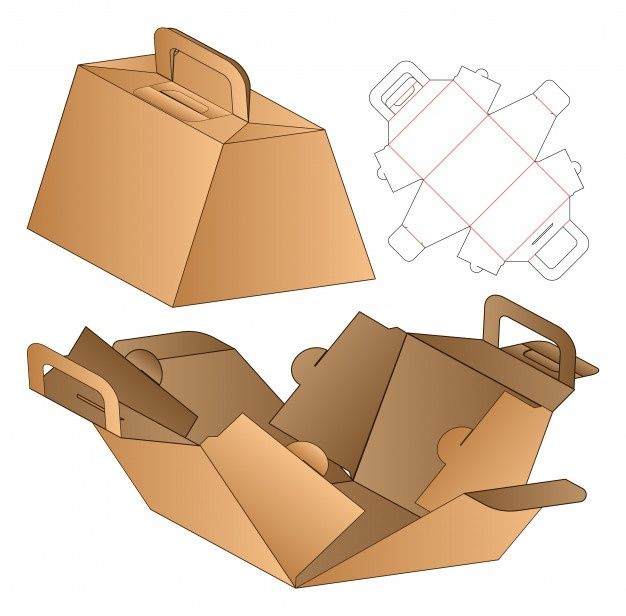
I deepened my research in the field of foldable designs, as I was fascinated by the folding of paper into 3-dimensional bodies. In the context of communication design, this includes design topics such as packaging, box design and keywords such as die-cuts & die-lines to realise concepts.


1. Grundlegende Designprinzipien

Form und Funktion

  • Die Form der Verpackung sollte praktisch und ergonomisch sein (leicht zu öffnen, zu lagern und zu transportieren).
  • Eine Balance zwischen Ästhetik und Funktionalität ist essenziell.

Materialauswahl

  • Materialien wie Karton, Kunststoff, oder Metall sollten passend zum Produkt und nachhaltig sein.
  • Überlegungen zu Umweltfreundlichkeit (z. B. recycelbare oder biologisch abbaubare Materialien).

Farben und Typografie

  • Farben sollten den Markenrichtlinien entsprechen und Zielgruppen ansprechen.
  • Typografie muss gut lesbar sein und die Markenbotschaft verstärken.

Grafik und Branding

  • Klar definierte Markenidentität mit Logo, Schrift und Farbschema.
  • Ein harmonisches Zusammenspiel zwischen Grafiken, Bildern und Texten.

2. Technische Aspekte

Stanzvorlage (Die-Line)

  • Die flache, entfaltete Form der Verpackung zeigt alle Falt- und Klebekanten.
  • Muss präzise sein, um die Passgenauigkeit beim Falten sicherzustellen.

Drucktechnik

  • Auswahl der richtigen Druckmethode (z. B. Offsetdruck, Digitaldruck, Flexodruck).
  • Überlegungen zu Spezialeffekten wie Prägungen, Folienprägungen oder Spotlack.

Veredelung

  • Optionen wie glänzende oder matte Laminierungen, Prägungen oder Hologramme können die Verpackung aufwerten.

3. Funktionen von Verpackung

Schutz

  • Bewahrung des Inhalts vor Schäden (physisch, chemisch oder biologisch).
  • Sicherstellung einer sicheren Lagerung und eines intakten Transports.

Information

  • Bereitstellung gesetzlich erforderlicher Angaben wie Inhaltsstoffe, Nährwerte, Gebrauchsanweisungen und Barcode.
  • Markenkommunikation durch Logos, Slogans und visuelle Identität.

Präsentation

  • Attraktive Gestaltung, die Aufmerksamkeit der Zielgruppe erregt.
  • Darstellung der Markenwerte und Differenzierung von Wettbewerbern.

Gesetzliche Anforderungen

  • Verpackungen müssen lokal und international geltenden Vorschriften entsprechen. (Verpackungslizenz)
  • Wichtige Informationen wie Mindesthaltbarkeitsdatum, Warnhinweise oder Recyclinghinweise müssen enthalten sein.

Trends im Verpackungsdesign

  • Interaktive Verpackungen: QR-Codes, Augmented Reality.
  • Transparenz: Sichtfenster, die den Inhalt zeigen.
  • Nachhaltigkeit: Kreislaufwirtschaft und Abfallvermeidung, Upcycling & Repurposing

Resources

Further research ideas