How Social Media Has Changed Video Production: The Rise of Smaller Budgets and Leaner Teams

The rapid evolution of social media has fundamentally transformed video production. What was once dominated by large teams with significant budgets has shifted to a domain where smaller budgets and agile teams thrive. Platforms like TikTok, Instagram, and YouTube have redefined audience expectations, prioritizing authenticity and immediacy over polished perfection. This transformation has changed not only how videos are produced but also who creates them.

Before the rise of social media, video production was largely controlled by traditional media like television and cinema. These productions required substantial resources, including large teams, professional equipment, and extensive post-production processes. Social media disrupted this model by introducing platforms that favor quick, engaging, and relatable content. As user behavior evolved, so too did the demands placed on video creators.

According to Hutchinson (2021), platforms like TikTok and Instagram prioritize videos that feel organic rather than overproduced. Their algorithms are designed to promote content that generates high engagement. As a result, polished videos often take a backseat to raw, authentic footage shot on a smartphone for example.

One of the most significant changes brought by social media is the drastic reduction in production costs. Modern smartphones are equipped with cameras that rival professional equipment, and apps like Capcut make editing accessible to anyone. This accessibility has removed the need for costly software or large-scale post-production facilities. Social media thrives on consistent output, with creators and companies often producing multiple videos weekly or even daily. This level of frequency would be unsustainable with traditional production budgets. Furthermore, platforms enable brands to test and iterate content quickly, allowing them to produce several low-cost options and identify what resonates most effectively with their audience.

Social media has also led to smaller production teams. Previously, video production involved specialized roles such as directors, Dops, and sound designer. Today, one person can manage all these tasks using just a smartphone or an entry camera and basic editing software. This shift has changed video production forever, allowing independent creators and small businesses to compete with large companies. Platforms like Instagram and TikTok reward creativity and storytelling over technical perfection, providing opportunities for individuals and lean teams to shine.

Changing audience expectations have also driven the move toward smaller budgets and teams. Social media audiences value authenticity, wanting content that feels genuine and relatable. For example, brands like Duolingo and Ryanair have embraced this trend by producing humorous, low-budget videos that resonate with younger viewers. Duolingo’s playful TikTok videos, often featuring their owl mascot, consistently achieve high engagement without requiring professional production teams. Similarly, Ryanair’s short, relatable videos use simple humor and quick editing to connect with audiences, a strategy that has earned them a massive following.

The transition to leaner production processes doesn’t come without challenges. The pressure to produce high volumes of content can lead to burnout, particularly for creators managing every aspect of production themselves. Additionally, balancing quality and speed remains a key issue. While audiences favor authenticity, poorly executed videos can harm a brand’s image.

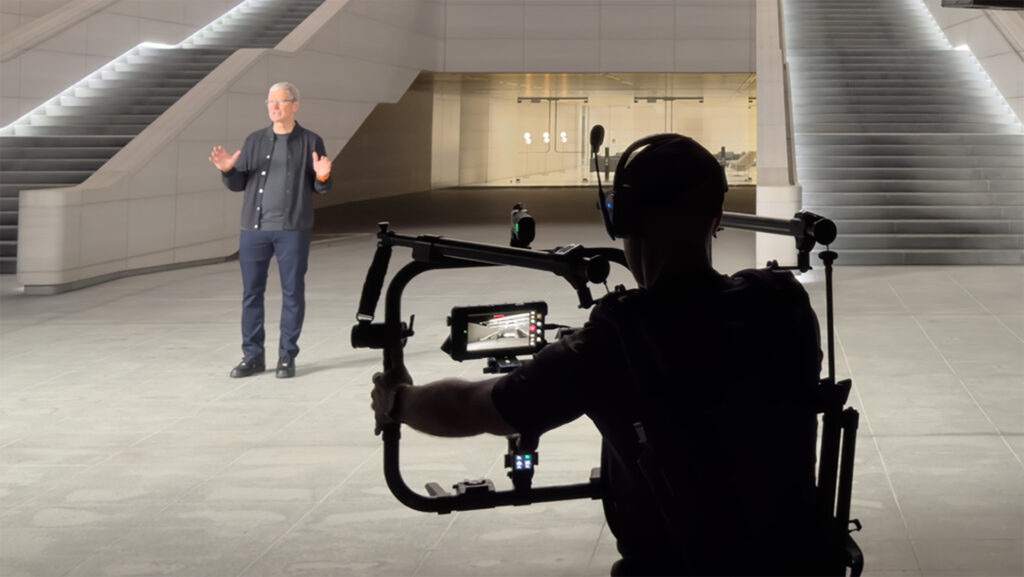
Case studies further show how brands are adapting to this new landscape. Nike, for instance, continues to produce high-budget campaigns for traditional advertising but complements them with authentic, behind-the-scenes content for Instagram. These videos often feature athletes in their natural environments, telling personal stories that resonate on a human level. Similarly, Apple’s “Shot on iPhone” campaign highlights user-generated content, showcasing professional-quality results from everyday devices. The campaign is often seen as a great example of authentic, user-generated content. While it does showcase photos and videos taken with an iPhone, the production process tells a different story. Apple often uses high-end lenses and large professional sets to make the content look as polished as possible.
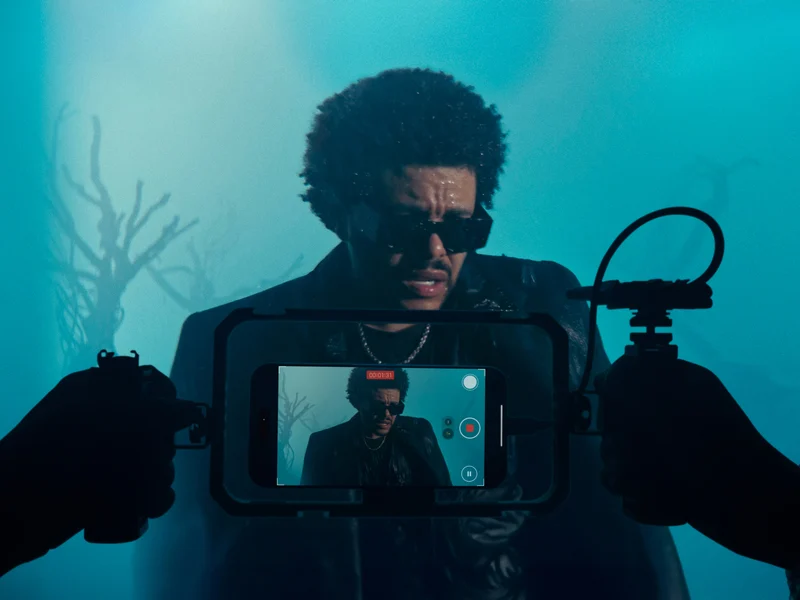
This shows that Apple is trying to combine an “authentic” look with the high quality people expect from the brand. It’s a clever way to keep the content relatable while still maintaining a premium image. However, it also shows that not all “authentic” content is as simple or natural as it might seem.
Tbh, T. (2024, 18. November). A Case Study on Apple’s “Shot on iPhone” Brand Campaign. The Brand Hopper. https://thebrandhopper.com/2024/01/07/a-case-study-on-apples-shot-on-iphone-brand-campaign/

Rival IQ. (n.d.). Duolingo TikTok marketing strategy. https://www.rivaliq.com/blog/duolingo-tiktok-marketing-strategy/

Social Insider. (n.d.). Ryanair social media strategy. https://www.socialinsider.io/blog/ryanair-social-media-strategy/

Sprout Social. (2022). Unpacking authenticity on social media. https://sproutsocial.com

Vernuccio, M., & Ceccotti, F. (2015). Strategic and organizational challenges in the digital era. Journal of Business Research, 68(1), 89–97. https://doi.org/10.1016/j.jbusres.2014.05.001

Why Authentic Content Outshines High-Quality Productions on Social Media

Social media has completely changed how we create and consume content. What used to be all about big-budget, polished productions is now dominated by simple, authentic videos that feel real and relatable. This shift is super exciting, especially for anyone working in marketing, content creation, film or digital communication.

Why This Topic Matters to Me
This topic isn’t just relevant to me right now — it’s something that will likely shape my career in the future. As someone working in creative roles as a filmmaker and as a content creator, I know how important it is to adapt to new trends. In the future, whether I continue working in marketing, digital communication, or even creative production, understanding the balance between authenticity and perfection will be essential.

It seems like that authentic content performs better on social media and it’s also reshaping what we consider “good” content. This trend could influence how campaigns are planned, budgets are allocated, and teams are structured in the future. Knowing how to create impactful, authentic content while still appreciating the value of high-quality production could give me an edge in the industry.

I have the chance to work in both worlds: creating quick, authentic social media content and being part of bigger, professional video productions. Personally, I really enjoy working on high-quality productions where I love to work as a director with other people. They’re fun, creative, and I love seeing the final polished result. But they’re also expensive, time-consuming, and require big teams.

On the other hand, smaller productions, like shooting something quickly with a phone or working in a small team, are much simpler and cheaper to make. Even though these projects aren’t as exciting for me personally, I’ve noticed they perform really well on social media. In fact, big companies are starting to use these kinds of authentic videos to reach their audience because they work better for engagement. High-quality productions, while still important, are less common on platforms like Instagram and TikTok.

The Rise of Authentic Content

Authentic content has become super popular, and it’s not hard to see why:

  1. People Trust It More: Audiences like content that feels real. Highly polished videos can sometimes feel too “salesy” or fake.
  2. It’s Faster and Cheaper: Making a quick video with a phone is way easier than planning a big production. It’s perfect for the fast-moving world of social media.
  3. Algorithms Love It: Platforms like TikTok and Instagram prioritize content that gets lots of likes, comments, and shares. Authentic videos often perform better because people connect with them more.

Even major brands like Nike and Coca-Cola are using this kind of content. They’re sharing behind-the-scenes clips, user-generated videos, or quick updates that feel much more personal than traditional ads.

Authenticity Over Perfection: Why Authentic Content Outshines High-Quality Productions on Social Media

Social media has completely changed how we create and consume content. What used to be all about big-budget, polished productions is now dominated by simple, authentic videos that feel real and relatable. This shift is super exciting, especially for anyone working in marketing, content creation, or digital communication.

Why This Topic Matters to Me

This topic isn’t just relevant to me right now—it’s something that will likely shape my career in the future. As someone working in both creative and strategic roles, I know how important it is to adapt to new trends. In the future, whether I continue working in marketing, digital communication, or even creative production, understanding the balance between authenticity and perfection will be essential.

Authentic content doesn’t just perform better on social media—it’s also reshaping what we consider “good” content. This trend could influence how campaigns are planned, budgets are allocated, and teams are structured in the future. Knowing how to create impactful, authentic content while still appreciating the value of high-quality production could give me an edge in the industry.

My Personal Connection to This Topic

I’ve had the chance to work in both worlds: creating quick, authentic social media content and being part of bigger, professional video productions. Personally, I really enjoy working on high-quality productions. They’re fun, creative, and I love seeing the final polished result. But they’re also expensive, time-consuming, and require big teams.

On the other hand, smaller productions, like shooting something quickly with a phone or working in a small team, are much simpler and cheaper to make. Even though these projects aren’t as exciting for me personally, I’ve noticed they perform really well on social media. In fact, big companies are starting to use these kinds of authentic videos to reach their audience because they work better for engagement. High-quality productions, while still important, are less common on platforms like Instagram and TikTok.

The Rise of Authentic Content

Authentic content has become super popular, and it’s not hard to see why:

  1. People Trust It More: Audiences like content that feels real. Highly polished videos can sometimes feel too “salesy” or fake.
  2. It’s Faster and Cheaper: Making a quick video with a phone is way easier than planning a big production. It’s perfect for the fast-moving world of social media.
  3. Algorithms Love It: Platforms like TikTok and Instagram prioritize content that gets lots of likes, comments, and shares. Authentic videos often perform better because people connect with them more.

Even major brands like Nike and Coca-Cola are using this kind of content. They’re sharing behind-the-scenes clips, user-generated videos, or quick updates that feel much more personal than traditional ads.

Why This Topic Is Exciting

I think it’s really interesting because it’s all about balancing creativity and practicality. High-quality productions are great for creating a strong brand image or telling a powerful story. But authentic, simple content is amazing for engaging with audiences and staying relevant in everyday conversations.

For businesses, this trend is super practical. Smaller companies can compete with big brands because they don’t need huge budgets to create effective content. And bigger companies can use authentic content to connect with people in a more personal way.

What I love most about this topic is how it combines creativity with strategy. It’s not just about making something that looks good—it’s about understanding what actually works and why and most importantly I really think I can get lots of valuable knowledge during the process which will help me in my future working life.

Interesting Literature for a first glimpse:
Rose, E. (2024, 13. November). Authenticity vs. video production quality, What wins? IdeaRocket. https://idearocketanimation.com/20601-authenticity-versus-production-quality-a-losing-battle/
Authentic video production: Why genuine content matters | Vouch. (o. D.). https://vouchfor.com/blog/authentic-video-production