04. Lessons from Chronic Disease Apps for Preventive Healthcare Solutions

In the previous post, we explored some apps that support mental health. In today’s post, I will focus on apps designed to help manage chronic diseases. In recent years, healthcare apps have become essential tools in supporting both patients and healthcare providers. From mental health support to fitness tracking, digital solutions are reshaping how we approach well-being. However, one category stands out for its complexity and impact: apps designed specifically for managing chronic diseases. But what makes these apps different, and what can we learn from them for broader healthcare applications?

Omada Health

Navigating chronic conditions isn’t easy. After all, so much of managing issues like diabetes comes down to small decisions that happen between visits to the doctor. Too many patients don’t have the kind of support that they need: convenient, evidence-based, and easily accessible. And employers are having to shoulder the ever increasing cost of care. In 2011, two IDEOers founded Omada Health to help fill that gap and create a more human-centered approach to health care. The platform combines digital tools, behavior change methods, and health coaching to improve outcomes, while lowering costs. More than a decade after its founding, one million lifetime members have enrolled with Omada Health to manage their weight, pre-diabetes, diabetes, behavioral health, hypertension, and joint and muscle health, and build a foundation for lifelong better health.

Omada Health is a standout example of a digital platform designed to support individuals with chronic diseases. The app combines behavioral science, coaching, and data analytics to deliver personalized care plans:

1. Free Welcome Kit with monitoring devices

Participants in the Omada Health program typically receive a free welcome kit when they join. This kit often includes health monitoring devices such as a scale, a blood pressure cuff, or a glucose meter, depending on the individual’s health needs and goals. The kit is part of the program’s commitment to supporting users in their health journey by providing them with the necessary tools to track their progress. 

2. One-on-One Health Coaching

Users receive one-on-one coaching tailored to their health goals. Coaches provide ongoing support and motivation to help users stick to their plans

3. Health Monitoring

Integration with devices like glucose meters, blood pressure cuffs, and fitness trackers allows real-time data tracking.

4. Personalized Insights

Chatting with a coach and personalized data analytics provide actionable recommendations based on user behavior, helping individuals make informed decisions about their health.

5. Community Support

Group discussions and peer support networks foster a sense of accountability and encouragement. Users can share their journey insights and even such easy recommendations as meal prep

Key Success Metrics:

Omada’s effectiveness is reflected in measurable health improvements among its users:

  • Reduced Risk Factors: Participants have shown significant reductions in weight, blood pressure, and blood glucose levels.
  • Improved Adherence and Long-Term Engagement: With a personalized approach users demonstrate better adherence to medication and treatment plans. Many users stay engaged with the program well beyond the initial intervention period.
  • Positive Health Outcomes: Analytics have shown sustained health improvements, including a lower risk of developing more severe complications (58% of participants achieved normal A1C at 12 months in the program, 43% of participants lost 5% or more of their initial weight at 12 months)

Challenges

Scalability: Complex systems with coaching and medical integrations may be harder to scale affordably, it needs constant investments

Conclusion

Apps like Omada have proven that digital tools can effectively support people in managing chronic diseases through a blend of technology, personalization, and professional oversight. The next step is to explore how these lessons can be applied to preventive healthcare on a broader scale. With thoughtful design and user-centric features, preventive healthcare apps can move beyond simple reminders and trackers to become truly impactful tools for long-term well-being.

03. Overview of Health Apps

Introduction to Chronic Disease Management

Chronic diseases, such as diabetes, hypertension, and mental health disorders, are long-term health conditions requiring continuous care and consistent management. Unlike acute illnesses, these diseases often necessitate daily routines, medication adherence, and lifestyle adjustments. Despite the availability of treatment plans, one of the biggest challenges in chronic disease management is ensuring patients remain motivated and consistent over time

The Role of Gamification in Chronic Disease Management

Gamification, the integration of game-like elements into non-game contexts, has emerged as an innovative tool in healthcare. By incorporating features like rewards, progress tracking, and challenges, gamification can transform mundane health tasks into engaging activities. This approach motivates patients to stay involved in their treatment plans and fosters long-term adherence.

How Gamification Motivates Patients to Engage in Daily Health Routines

Gamification taps into human psychology by offering immediate feedback, achievable goals, and rewards. For example, health apps often use points, badges, or streaks to reward users for taking medication on time or completing daily exercises. These small wins create a sense of achievement, encouraging users to stick with their routines.

Gamified systems are particularly effective in promoting long-term behavioral changes. Whether it’s regular exercise, a balanced diet, or mindfulness practices, gamification helps users establish and maintain healthier routines. Features like daily challenges, habit streaks, and milestone rewards provide positive reinforcement for maintaining these habits.

Case Studies & Success Stories

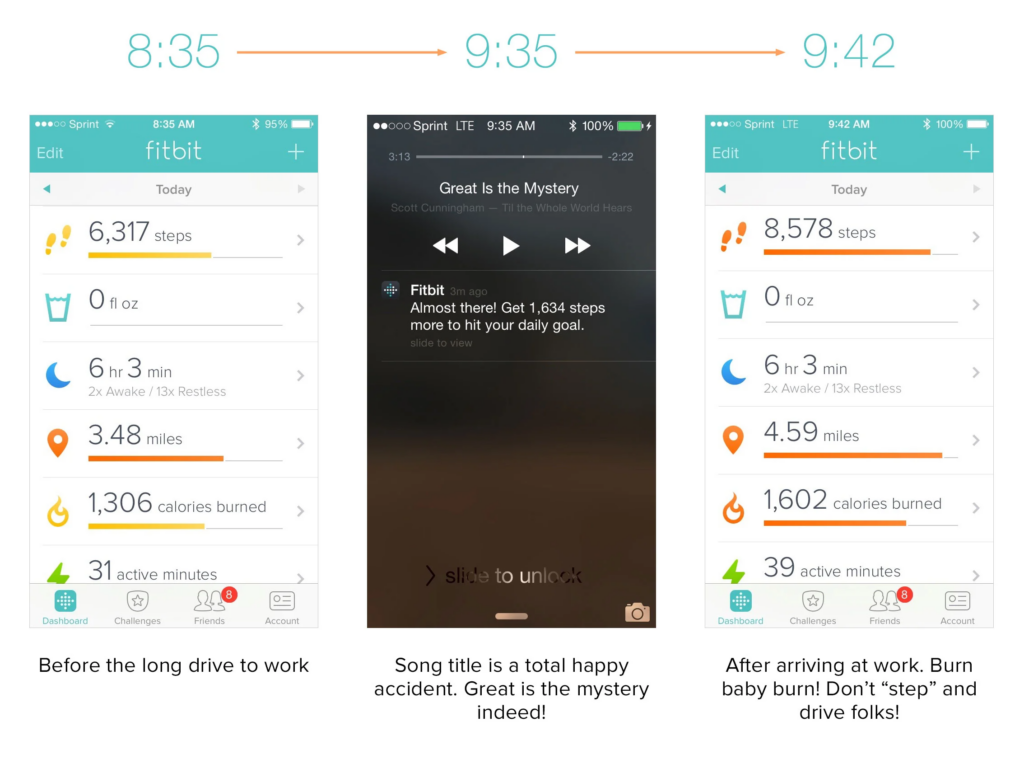
Known for its gamified step-tracking features, Fitbit encourages users to meet daily fitness goals. Fitbit rewards you with badges as certain milestones are achieved.

You can customize the total daily steps goal, set calorie, weight, sleep goals and then get multiple motivational notifications throughout the day

It’s simple, intuitive, and visually appealing, and has important features in setting like silent alarm and goals

You can easily go to the pool or have a shower without worries


From the user review, Fitbit still counted steps when the user waved his hands and added them to the daily goal. Furthermore, Fitbit accidentally added steps while the user air drummed on his leg while listening to music on his way to work and gathered 2,261 “steps”

Also, Fitbit counted steps while user mowed the lawn

It was Saturday, June 27th. I spent 3 – 4 hours on my mower on this particular day. Apart from this, I only took my normal relaxed weekend strides around the house. Somehow I racked up a whopping 22,125 steps by the end of the day! Look at my following day Sunday, June 28th. I look like a lazy butt comparatively. The only difference in my behavior? Sitting on a riding mower for a few hours.

Unless you keep your phone’s Bluetooth setting activated persistently, you will never receive any low-battery notifications, because it’s not able to send you this message

❌ Difficult to put it on

It’s quite possible that the design rationale maybe if it’s really difficult to put on, it will be really difficult to accidentally take off. Maybe so, but mine has come off numerous times on accident during house cleaning and other occasional occurrences of catching it on various surfaces.

SuperBetter is a motivational app that comprises a series of games and challenges.

SuperBetter is built on research by Jane McGonigal, a game designer and psychologist. The app is scientifically proven to help reduce symptoms of anxiety and depression, improve resilience, and enhance overall well-being.

It uses techniques such as positive psychology, cognitive behavioral therapy (CBT), and resilience-building strategies.

✅ Uses effective game mechanics to engage users:

It uses game mechanics like quests, power-ups, and challenges to keep users motivated and engaged.

Challenges or triggers that represent obstacles to achieving goals.

Users earn points and badges for completing quests, defeating bad guys, or using power-ups. goals and break them into manageable tasks, promoting a sense of accomplishment.

The app is intuitive and easy to navigate, even for users unfamiliar with gamified tools.

Users can invite friends or family members as Allies to offer encouragement and accountability.

The app provides instant responses to user actions, like completing a quest or using a power-up

Although this is one of the best apps on the market, I found some problems:

Some users find the tasks repetitive over time, which may reduce long-term engagement.

Occasional bugs and glitches have been reported by users.

Gamification has proven to be a powerful tool in chronic disease management by increasing patient engagement, improving adherence, and fostering healthier habits. As technology continues to evolve, the potential for gamification in healthcare remains vast. By making health management more interactive and rewarding, gamification promises to improve outcomes and enhance the quality of life for millions of patients worldwide.

Conclusion

While gamification has shown significant success in motivating patients and improving engagement in chronic disease management, it’s clear that no single approach can address the diverse and complex needs of patients living with chronic conditions.

This brings us to an important consideration: How can healthcare platforms be better tailored to meet the unique physical, emotional, and behavioral needs of these patients?

In the next post, I’ll dive deeper into how platforms can go beyond generic solutions, offering personalized tools, adaptive experiences, and targeted support to effectively address the specific needs of chronic condition patients


02. Understanding Gamification Mechanics: Turning Engagement into Action

In the previous blog post, I briefly explored how gamification can revolutionize preventive healthcare by enhancing user engagement and driving long-term behavioral changes. But what makes gamification so effective? At its core, gamification relies on carefully designed mechanics that tap into human psychology, motivating users to participate, persist, and achieve goals. In this post, I’ll dive deeper into these mechanics and understand how they can be applied effectively.

History of gamification

But before diving into types of mechanics let’s explore the history of gamification. The gamification strategy was developed in 2002 by Nick Peiling. However, the concept of applying game elements to nongame contexts — such as loyalty programs and customer rewards systems — has been around for much longer.

The rise of video games in the 1970s and 1980s influenced the early development of gamification. The addictiveness of playing video games and the engagement video gameplay generated sparked interest in applying game elements to other areas. In the 1990s, educational games like Math Blaster and Carmen Sandiego introduced gamification to the classroom. These games aimed to make learning more engaging and interactive.

With the success of early gamification efforts, companies like Nike and Starbucks began incorporating gamification into their marketing campaigns and loyalty programs in the early 2000s. One example is Nike+, a fitness tracking gamification campaign that Nike launched in 2006 which ranked friends’ fitness scores on social leaderboards. This marked the beginning of the widespread adoption of gamification in various industries. The advent of smartphones, social media, and mobile apps accelerated the popularity of gamification.

Types of game mechanics

The Core Mechanics of Gamification Gamification mechanics are the building blocks of any engaging experience. These include:

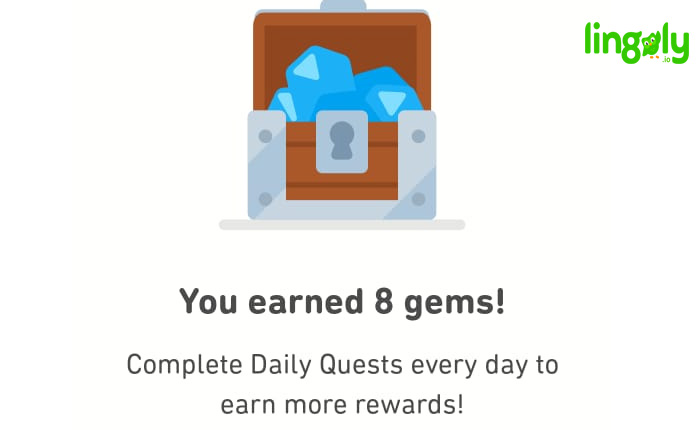
Points and Rewards: Providing instant feedback and a sense of accomplishment.

Badges and Achievements: Recognizing milestones and rewarding dedication.

Levels and Progress Bars: Offering clear goals and a sense of progression.

Challenges and Quests: Encouraging users to complete tasks with meaningful rewards.

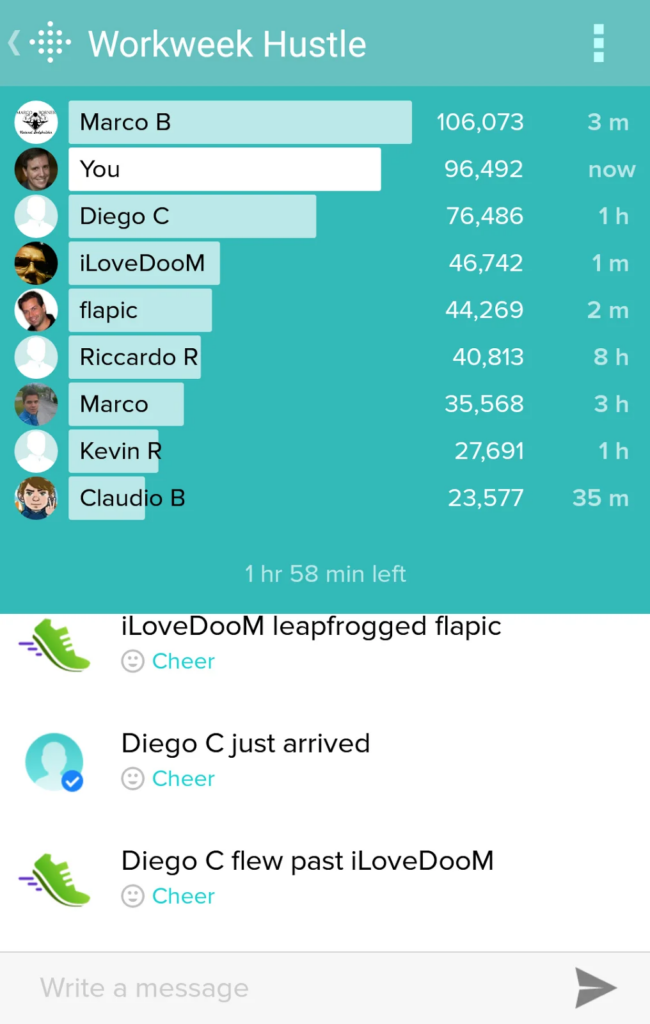
Leaderboards: Fostering a sense of competition and social recognition.

As was already mentioned in the previous post, gamification strategies are successfully implemented in various fields, such as education, finance, employee training, customer engagement, and health.
Here are some examples of them:

Retail and E-Commerce. Companies such as McDonalds, Nike, and Sephora implement loyalty programs that leverage game mechanics like badges, bonus points, and rewards to motivate customers to interact with a brand

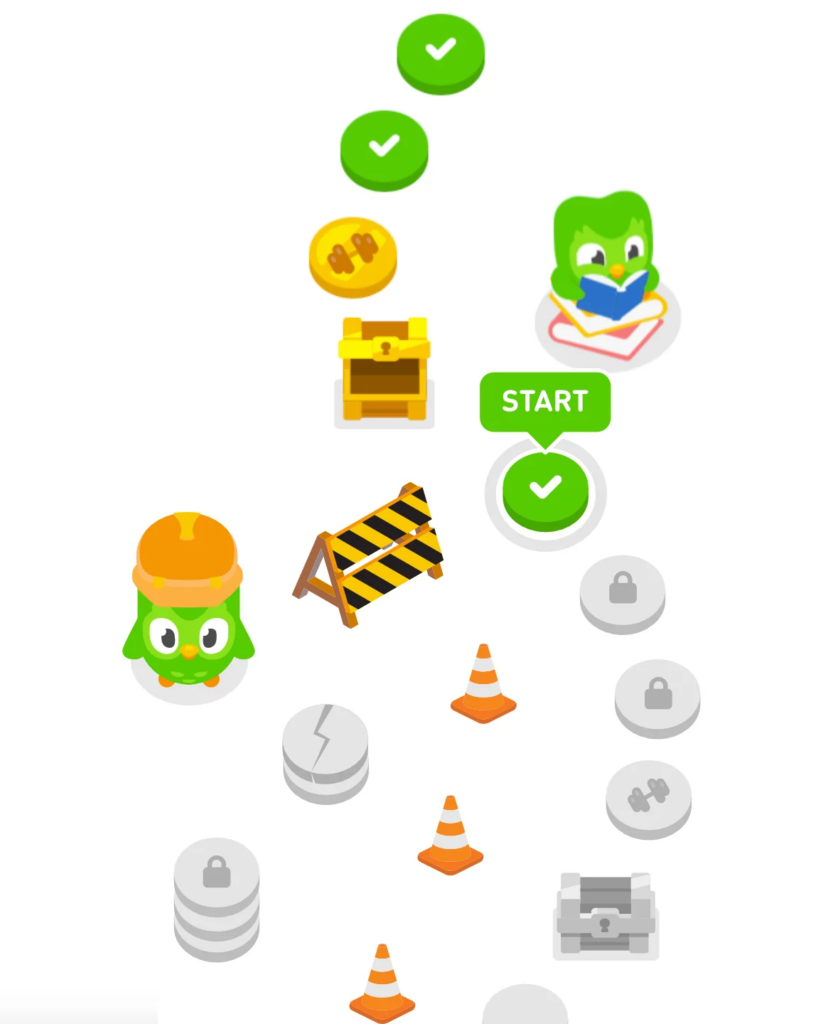
Education and eLearning. Online learning platforms such as Khan Academy and Duolingo incorporate game elements to engage learners in studying languages and programming. They provide immediate feedback, leaderboards, progress tracking, and rewards to engage students.

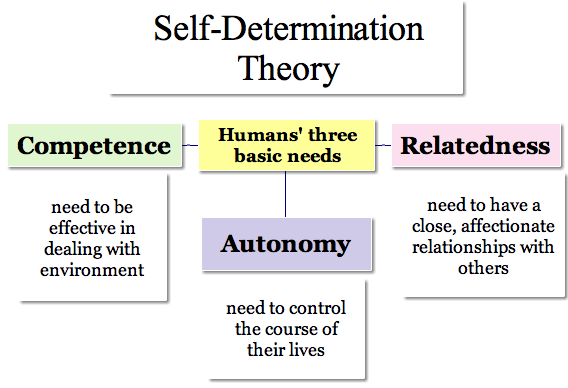
Gamification works because it aligns with intrinsic and extrinsic motivators. Intrinsic motivation drives users from within – the joy of achievement or curiosity to explore. Extrinsic motivation, on the other hand, involves tangible rewards or social recognition. Effective gamification blends these motivators to create a balanced experience.

Take, for example, a healthcare app that uses daily step-count challenges, the motivation might come from feeling healthier, while extrinsic motivation comes from earning points and competing with friends.

For example, in a preventive healthcare app, the early stages might focus on education and building habits, while later stages could involve challenges and community interaction.

Why gamification doesn’t engage users?

With 1 in 3 adults globally living with chronic conditions and the rise in smartphone ownership, mobile health apps have become a famous tool for managing lifestyle-related health behaviors and mental health. However, high rates of app abandonment pose challenges to their effectiveness.

The observation about sustaining long-term engagement in healthcare apps is derived from common insights in user experience (UX) design and behavioral psychology, specifically regarding app engagement and retention challenges. Research and case studies on healthcare apps, such as Fitbit, MyFitnessPal, and similar platforms, often highlight these issues:

  • Repetitive Tasks and Loss of Interest: Users often abandon mHealth apps due to boredom and loss of motivation, which can result from engaging in repetitive tasks without sufficient variation or enjoyment
  • Lack of Immediate Rewards: Behavioral psychology emphasizes that immediate gratification reinforces behavior. When rewards are delayed or too distant, engagement drops.
  • Sense of Stagnation: Users may feel a sense of stagnation in their progress, leading to disengagement from the app.

The goal of gamification in healthcare should always center around enhancing user well-being, not exploiting vulnerabilities. For instance, some apps use overly aggressive notification systems or create artificial scarcity of rewards, pressuring users into compulsive behavior rather than fostering genuine engagement. These tactics can undermine trust and ultimately reduce long-term participation.

Conclusion

Understanding gamification mechanics is not just about adding game-like features, it’s about crafting experiences that resonate with users. When done right, gamification can bridge the gap between intention and action, especially in fields like preventive healthcare.

I’ll dive into how gamified solutions can improve outcomes for chronic diseases such as diabetes and hypertension, focusing on enhancing patient engagement, medication adherence, and progress tracking.

01. Incorporating Gamification in Preventive Medicine

Sudden deaths, particularly those caused by heart attacks, strokes, and injuries, remain a major global health challenge. These incidents often occur without warning and claim the lives of individuals who might have been saved with timely intervention or early detection. According to the World Health Organization, cardiovascular diseases alone account for nearly 32% of global deaths, many of which are preventable with improved public awareness and timely medical attention.

One of the key reasons behind these preventable deaths is the lack of knowledge regarding the early warning signs of life-threatening conditions. For instance, many heart attack and stroke victims do not recognize the symptoms early enough to seek urgent medical care. Studies have shown that the administration of first aid or CPR in the first few minutes of a heart attack or stroke can drastically improve survival rates. In fact, immediate intervention can double or even triple a person’s chances of survival

The intersection of design and healthcare presents a unique opportunity to address these challenges. Is this topic relevant in the tech industry? Absolutely—it’s a rapidly growing sector. The health tech market is thriving, offering immense potential for innovation.

According to Grand View Research, “The Global Digital Health Market was valued at $211 billion in 2022, with a projected compound annual growth rate (CAGR) of 18% until 2030.” This growth underscores the opportunity for UX design to enhance user interaction with healthcare services and platforms, bridging the gap between complex medical systems and user-friendly experiences.

Gamification is one such design approach being widely adopted across industries to improve user engagement. By leveraging elements of human psychology—such as the drive for achievement, competition, and recognition—gamification transforms routine or challenging tasks into enjoyable, engaging activities. For example:

  • Education: Apps like Duolingo use streaks and points to encourage consistent learning.
  • Fitness: MySugr gamifies diabetes management by providing users with engaging tasks.
  • Healthcare: HealthTap rewards users for engaging with health-related content, promoting health literacy.

In healthcare, gamification helps bridge the gap between knowledge and action, motivating users to adopt healthier lifestyles and sustain long-term behavior change.

My motivation to explore this topic stems from my close connections to the medical field, as many of my relatives work in healthcare. Their experiences have provided valuable insights into how ordinary people can take proactive steps to prevent various illnesses. While I initially aspired to become a doctor, I chose a different career path. However, my desire to contribute to improving public health remains unwavering.

Preventive healthcare holds immense potential, yet a significant portion of the population remains unaware of its importance. Measures such as early detection of diseases, vaccinations, and lifestyle adjustments can significantly reduce the risk of chronic illnesses. Despite the accessibility of this information, many individuals do not actively engage in preventive practices. This is often due to a lack of motivation, interest, or understanding of the long-term benefits.

To address these challenges, my master’s thesis focuses on developing an integrated medical platform designed for both patients and doctors. This platform aims to foster communication and decision-making by providing easy access to patients’ comprehensive health histories. Using this data, the system could recommend personalized risk assessments and recommend targeted preventive measures tailored to each individual.

A key feature of this platform would be the incorporation of gamification to boost user engagement. For example, patients could access interactive educational content based on their specific health risks, complete modules, and earn rewards such as discounts on vaccines or vouchers for supplements. These incentives would not only make preventive care more appealing but also encourage consistent participation.

By combining gamified elements with essential healthcare practices, this platform has the potential to address critical gaps in preventive medicine. It offers a more engaging, accessible, and personalized approach to health education, motivating individuals to take charge of their well-being. Ultimately, this innovative concept could lead to improved health outcomes and a significant reduction in preventable illnesses and deaths on a global scale.

My central research question is: 

  • What gamification strategies can be used to increase the popularity of preventive healthcare?

The sub-questions are:

  • How can gamified preventive healthcare platforms ensure user data security and privacy?
  • Which types of gamification are most effective for promoting preventive healthcare behaviors?
  • What are the potential benefits and challenges of creating a unified gamified system for healthcare providers and patients?

In the upcoming blog posts, I’ll take a comprehensive look at the platform concept by examining multiple perspectives. In the first posts, I’ll explore the gamification aspect and its potential for engaging users, and then I’ll also evaluate the platform from the healthcare system’s standpoint. This includes assessing scalability—how well the platform can accommodate diverse users and systems—and privacy concerns, particularly regarding the handling of sensitive medical data.
Ultimately, my goal is to determine whether this is a viable idea or if I should explore alternative directions.