Sustainable Typography – Designing with Efficiency and Elegance

Introduction

Typography is a cornerstone of graphic design, shaping how audiences engage with written content. Beyond aesthetics, typography plays a significant role in sustainability. Choices about typeface, font size, spacing, and color can directly influence resource consumption in both digital and print media. This post explores the concept of sustainable typography and how designers can use type to reduce environmental impact while maintaining visual appeal.

The Environmental Impact of Typography

  1. Ink Consumption in Print
    Typeface selection significantly affects ink usage in printed materials. Fonts with heavier strokes require more ink, increasing production costs and environmental impact. For example, using a font like Garamond, which has thinner lines, can save up to 25% of ink compared to bolder fonts.
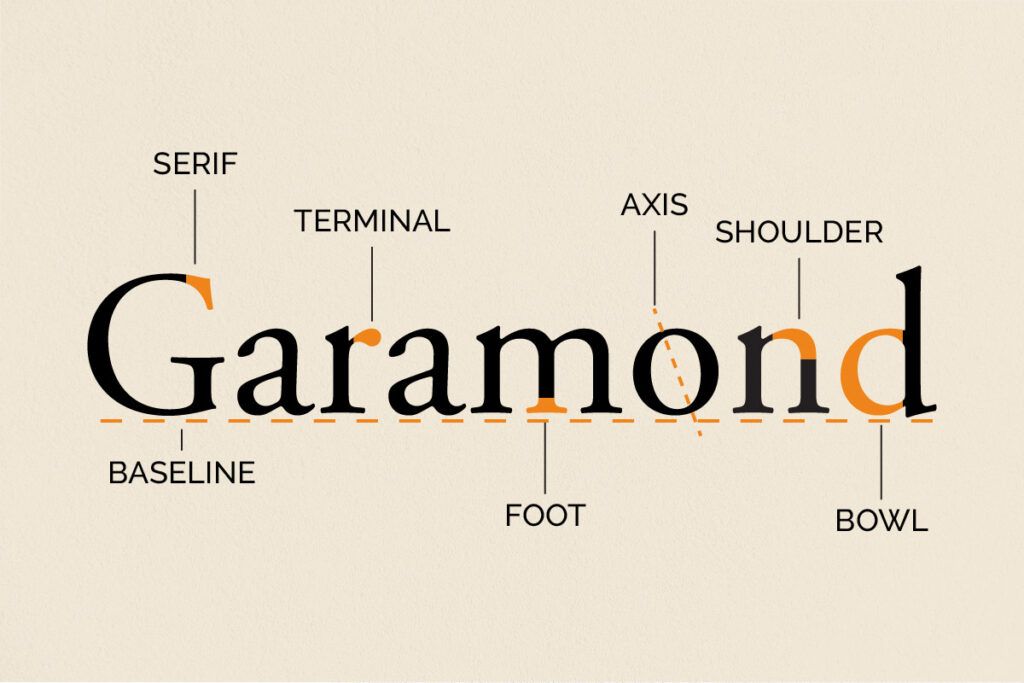
Garamond Font
  1. Energy Efficiency in Digital Media
    In digital design, typography affects the energy needed to render text on screens.
    • Font File Sizes: Simpler fonts load faster, reducing data transmission and energy use.
    • Display Energy: Light-colored text on dark backgrounds (dark mode) requires less energy on OLED screens, a feature that’s becoming increasingly popular.

Google’s dark mode
  1. Paper and Space Optimization
    Compact and legible typography can minimize the number of pages needed in print, conserving paper without compromising readability. Thoughtful adjustments in leading, kerning, and margins can lead to significant resource savings.

Best Practices for Sustainable Typography

  1. Choose Eco-Friendly Fonts
    Opt for fonts designed to reduce ink and energy consumption, such as Ryman Eco or Ecofont. These typefaces balance readability with sustainability, offering efficient alternatives for both print and digital projects.
  2. Limit Typeface Combinations
    Using multiple typefaces can increase the size of print files and web pages, leading to higher resource use. Stick to one or two well-chosen fonts to create cohesive, efficient designs.
  3. Adopt Variable Fonts
    Variable fonts, which adjust weights and styles dynamically, reduce the need for multiple font files. This saves digital storage space and speeds up website loading times.
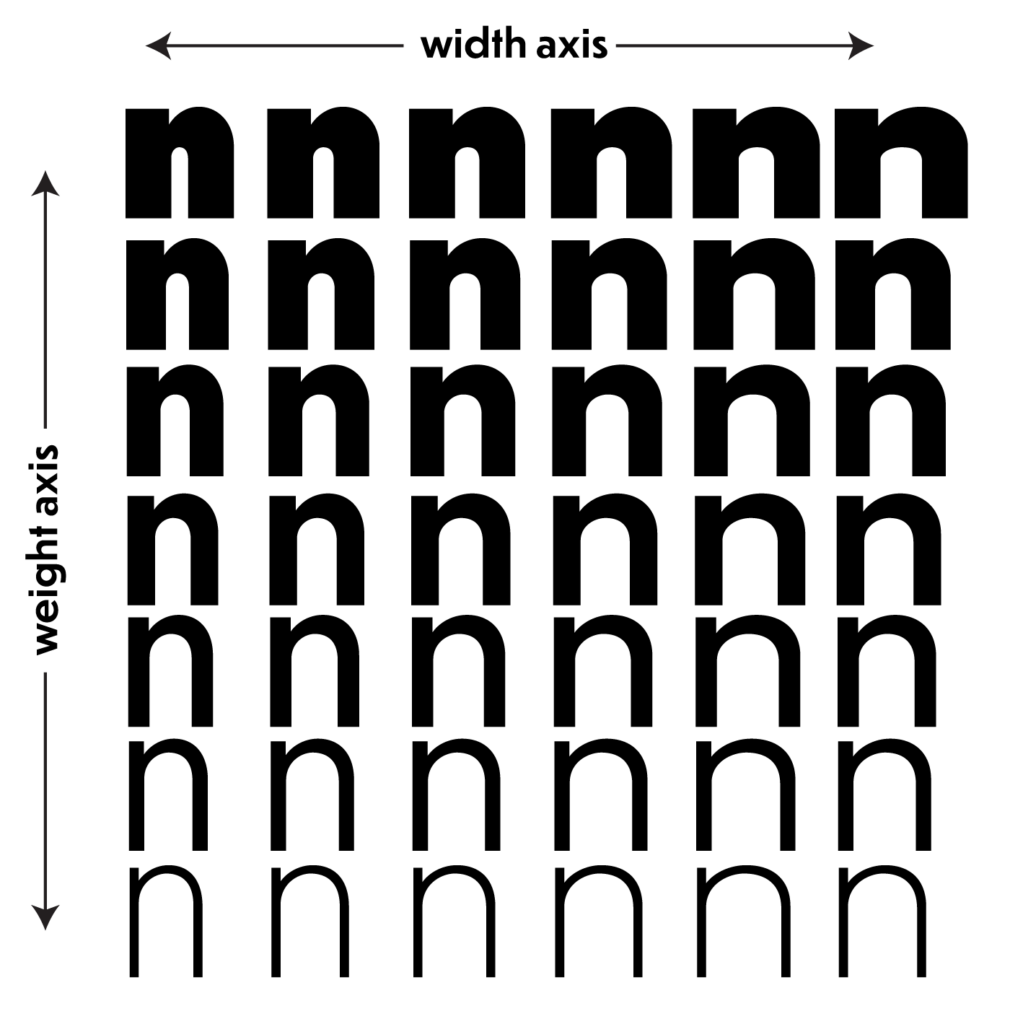
Variable Font Letter
  1. Embrace Minimalism
    A minimalist approach to typography not only enhances visual clarity but also supports sustainability by reducing unnecessary elements.

Case Studies in Sustainable Typography

  1. Ecofont in Action
    Ecofont’s perforated letterforms use up to 50% less ink while maintaining legibility, making it a popular choice for sustainable printing.
  2. Dark Mode Typography
    Companies like Google and Apple have embraced dark mode UI designs, leveraging typography to reduce screen energy consumption on billions of devices worldwide.
  3. Compact Print Design
    Publications such as The Guardian have adopted compact layouts with sustainable fonts, significantly cutting down on paper use.

Sustainable typography demonstrates how small design decisions can lead to meaningful environmental benefits. By choosing fonts thoughtfully, optimizing layouts, and embracing digital innovations, designers can craft visually engaging work that aligns with eco-friendly values.

References

  • Dougherty, B. (2008). Green graphic design. Allworth Press.
  • McDonough, W., & Braungart, M. (2002). Cradle to cradle: Remaking the way we make things. North Point Press.
  • Jedlicka, W. (2011). Packaging sustainability: Tools, systems, and strategies for innovative package design. Wiley.
The Role of Technology in Advancing Sustainable Graphic Design

Introduction

Technological advancements have transformed graphic design, providing tools and methods that align with sustainability goals. From energy-efficient software to blockchain for transparent supply chains, technology empowers designers to create impactful solutions while minimizing environmental harm. This post explores how emerging technologies support sustainable practices and inspire innovative approaches in graphic design.

Key Technologies Driving Sustainable Graphic Design

  1. AI-Powered Design Tools
    Artificial intelligence (AI) enables designers to optimize resources and streamline workflows. Tools like generative design systems can analyze environmental data to suggest the most resource-efficient layouts or materials. For instance, AI can recommend lighter fonts and colors for digital designs.
  2. Blockchain for Transparency
    Blockchain technology enhances traceability across supply chains, ensuring that materials are sourced ethically and sustainably. Designers can use blockchain to verify the origins of materials like FSC-certified paper or soy-based inks. This transparency fosters trust and accountability, as highlighted in Jedlicka’s Packaging Sustainability (2011).
  3. Energy-Efficient Software and Cloud Computing
    Design tools like Adobe Creative Cloud are increasingly optimized for energy efficiency, while cloud-based systems reduce the need for energy-intensive hardware. By hosting projects on green-certified servers, designers can lower their digital carbon footprint. The Green Web Foundation provides resources for identifying eco-friendly hosting services.
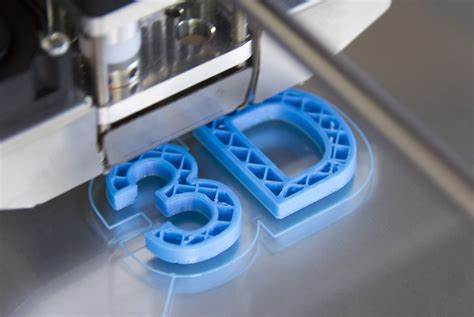
  4. 3D Printing for Prototyping
    As mentioned in Cradle to Cradle (McDonough & Braungart, 2002), reducing waste during production is a key sustainability goal. 3D printing allows for precise prototyping with minimal material waste, supporting sustainable packaging and product design.
  5. Digital Twins and Simulations
    Digital twin technology creates virtual models of designs, allowing designers to test environmental impacts before production. This reduces physical prototyping needs and streamlines the lifecycle assessment process.

Practical Applications in Graphic Design

  1. Sustainable Branding Projects
    Use AI tools to evaluate the environmental impact of branding elements such as logos, typography, and packaging.
  2. Eco-Friendly Packaging Design
    Combine blockchain verification and 3D printing to create transparent, sustainable and customized packaging solutions.
  3. Green Digital Marketing Campaigns
    Master energy-efficient software to create lightweight websites, interactive media, and AR experiences that align with green principles.

Challenges and Opportunities

While technology provides numerous advantages, it also poses challenges:

  • Access and Costs: Advanced tools like AI and blockchain may require significant investment, making them less accessible to small studios or freelance designers.
  • Learning Curve: Adopting new technologies often involves training and adaptation, which can slow workflows initially.
  • Ethical Use of Technology: Designers must ensure that technologies themselves are sustainably sourced and operated.

Despite these challenges, the opportunities for innovation, efficiency, and environmental impact reduction make technology a cornerstone of sustainable graphic design. As technology continues to evolve, its integration with sustainable graphic design will only deepen. Designers must stay informed and adaptable to these innovations.

References

  • Dougherty, B. (2008). Green graphic design. Allworth Press.
  • Jedlicka, W. (2011). Packaging sustainability: Tools, systems, and strategies for innovative package design. Wiley.
  • McDonough, W., & Braungart, M. (2002). Cradle to cradle: Remaking the way we make things. North Point Press.

The Power of Storytelling in Sustainable Graphic Design

Sustainability Through Narratives

Storytelling has long been a cornerstone of effective communication, and its relevance in sustainable graphic design cannot be overstated. With compelling narratives, designers can amplify their impact, engaging audiences emotionally and intellectually while promoting eco-conscious values. This post explores how storytelling transforms sustainable design into a persuasive tool that drives change.

Why Storytelling Matters in Sustainability

  1. Emotional Connection
    A well-told story resonates with audiences, creating empathy and engagement. When Patagonia tells the story of how their recycled materials protect fragile ecosystems, they make sustainability relatable and inspiring. As Dougherty (Green Graphic Design, 2008) points out, connecting values to visuals strengthens the bond between a brand and its audience.
  2. Simplifying Complex Topics
    Sustainability involves intricate concepts like carbon footprints, lifecycle assessments, and supply chain impacts. Storytelling simplifies these ideas, making them accessible. For example, an infographic that visually narrates the journey of recycled packaging materials illustrates the process for consumers.
  3. Driving Behavioral Change
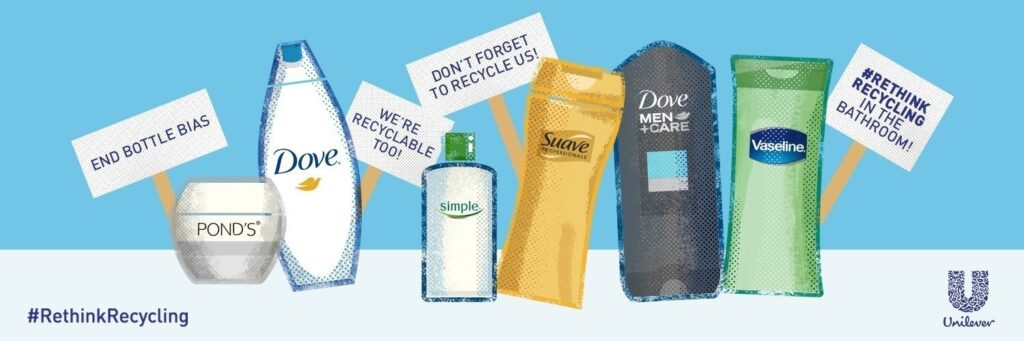
    Stories motivate action. A case study shared in Packaging Sustainability (Jedlicka, 2011) describes how Unilever’s storytelling campaigns led to increased consumer recycling rates. By illustrating the consequences of inaction and the benefits of eco-friendly choices, designers can inspire lasting change.
Unilever’s storytelling campaigns

Techniques for Effective Storytelling in Design

  1. Authenticity
    Stories must align with the brand’s values and practices. Authenticity builds trust, ensuring audiences believe in the message being conveyed.
    • Example: A small local print shop might share the story of their shift to FSC-certified paper, emphasizing their commitment to sustainability.
  2. Visualization
    Effective design uses visuals to tell stories that words alone cannot. Infographics, animations, and process illustrations bring narratives to life.
    • Example: A packaging design that incorporates before-and-after imagery to show the environmental benefits of switching materials.
  3. Human-Centric Narratives
    Stories are most impactful when they focus on real people, whether they’re the consumers benefiting from sustainable choices or the workers involved in eco-friendly production.
    • Example: Highlighting the artisans crafting biodegradable packaging as part of a fair-trade initiative.
  4. Call-to-Action (CTA)
    Every story should end with a clear CTA that invites the audience to contribute to sustainability.
    • Example: “Choose eco-friendly products today to make a difference tomorrow.”

Challenges in Using Storytelling for Sustainability

While storytelling is powerful, it must overcome certain hurdles:

  • Greenwashing Risks: Misrepresenting sustainability efforts can backfire, damaging trust. Transparency is crucial.
  • Audience Fatigue: Repeated messaging can lead to a loss of sensitivity. Keeping stories fresh and innovative is essential.
  • Balancing Creativity and Clarity: Stories must be creative yet straightforward enough to resonate with diverse audiences.

By addressing these challenges, designers can use storytelling as a transformative tool for sustainability advocacy.

References

  • Dougherty, B. (2008). Green graphic design. Allworth Press.
  • Jedlicka, W. (2011). Packaging sustainability: Tools, systems, and strategies for innovative package design. Wiley.

  • McDonough, W., & Braungart, M. (2002). Cradle to cradle: Remaking the way we make things. North Point Press.

Sustainability and Innovation in Graphic Design

Pushing Boundaries with Eco-Innovation

Sustainability in graphic design doesn’t just address environmental challenges, it opens doors to innovative approaches that redefine design itself. By combining eco-conscious principles with cutting-edge tools and creative strategies, designers can deliver impactful, sustainable solutions. This entry explores how sustainability fuels innovation.

Eco-Innovation in Action

  1. Biodegradable and Recycled Materials
    The development of innovative materials has significantly expanded sustainable options for graphic design. For instance, the use of biodegradable paper embedded with seeds allows packaging to transform into a plantable product, merging design with nature. Projects like these align with the principles of cradle-to-cradle design advocated by McDonough and Braungart (Cradle to Cradle, 2002), turning waste into opportunities.
  2. Generative Design for Resource Optimization
    Generative design uses algorithms to create multiple design variations, optimizing for specific sustainability metrics such as material use or energy consumption. This approach has been used to develop minimalistic packaging that reduces waste without compromising aesthetics or functionality.
  3. Interactive and Digital Innovations
    Transitioning from physical to digital mediums is another area of sustainable innovation. Interactive infographics, virtual product manuals, and augmented reality (AR) branding experiences reduce the need for printed materials while engaging audiences in new ways. Google’s lightweight design for digital platforms, as highlighted by Dougherty (Green Graphic Design, 2008), sets an example for energy-efficient digital solutions.
  4. 3D Printing for Packaging Design
    3D printing enables designers to prototype and produce packaging with minimal material waste. Brands have used this technology to create custom-fit designs that eliminate unnecessary components, showcasing how innovation and sustainability intersect.
3D printing

Key Drivers of Sustainability-Led Innovation

  1. Creative Problem-Solving
    Sustainability challenges require designers to think outside conventional frameworks. For example, designing reusable packaging or modular graphics encourages rethinking the product lifecycle.
  2. Collaboration Across Disciplines
    Working with scientists, engineers, and material experts fosters breakthroughs in design. Projects like Coca-Cola’s PlantBottle packaging demonstrate how interdisciplinary efforts can lead to scalable solutions (Packaging Sustainability, Jedlicka, 2011).
  3. Consumer Expectations
    With growing awareness of environmental issues, consumers demand more sustainable products. Meeting these expectations drives innovation as brands seek eco-friendly ways to maintain competitive advantages.

Challenges in Scaling Eco-Innovation

While the possibilities of eco-innovation are inspiring, challenges remain:

  • Access to Resources: Advanced technologies like 3D printing and generative design require specialized knowledge and tools.
  • Balancing Costs: Innovative materials and methods can be costly, especially in the early stages of development.
  • Regulatory Obstacles: Adhering to sustainability regulations while staying innovative can complicate workflows.

References

  • Dougherty, B. (2008). Green graphic design. Allworth Press.
  • Jedlicka, W. (2011). Packaging sustainability: Tools, systems, and strategies for innovative package design. Wiley.
  • McDonough, W., & Braungart, M. (2002). Cradle to cradle: Remaking the way we make things. North Point Press.

Advising for Sustainability in Graphic Design

Building Client Buy-In for Sustainable Design

  1. Educating Clients
    Many clients are unaware of the environmental impacts of traditional design practices. Designers can bridge this gap by presenting evidence-based insights. For example:
    • Highlight lifecycle impacts, such as the energy consumption of digital assets or the deforestation risks linked to non-FSC-certified paper.
    • Share case studies like Patagonia’s eco-conscious branding or IKEA’s circular design innovations to demonstrate that sustainability aligns with quality and consumer appeal (Packaging Sustainability, Jedlicka, 2011).
  2. Presenting Cost-Effective Solutions
    A common misconception is that sustainability always comes at a high cost. Designers can dispel this by proposing cost-neutral or even cost-saving strategies:
    • Digital optimization reduces hosting costs while enhancing sustainability.
    • Using recycled materials and lightweight packaging can lower shipping expenses.
  3. Framing Sustainability as a Brand Differentiator
    Sustainability isn’t just an environmental choice, it’s a strategic advantage. Consumers are increasingly favoring brands that demonstrate environmental responsibility. Designers can position sustainable solutions as a way to enhance brand reputation and customer loyalty (Green Graphic Design, Dougherty, 2008).

Fostering Industry Conversations

Graphic designers are influential participants in broader conversations about sustainability. Advocacy at the industry level can amplify their impact:

  • Joining Professional Networks
    Organizations like the AIGA Sustainability Task Force or the Green Web Foundation provide platforms for designers to share best practices and collaborate on solutions.
  • Hosting Workshops or Panels
    Designers can host events that explore sustainable innovations, engaging clients and industry peers in meaningful discussions.
  • Pushing for Standards and Certifications
    Encouraging adoption of eco-labels like FSC certification or energy-efficient hosting standards can help normalize sustainable practices.

References

  • Dougherty, B. (2008). Green graphic design. Allworth Press.
  • Jedlicka, W. (2011). Packaging sustainability: Tools, systems, and strategies for innovative package design. Wiley.

  • McDonough, W., & Braungart, M. (2002). Cradle to cradle: Remaking the way we make things. North Point Press.

Real-World Applications of Sustainable Graphic Design

Turning Principles into Action

Sustainable graphic design is no longer a theoretical ideal, it is a practical approach driving real-world change. Across industries, organizations and designers are adopting innovative solutions to reduce environmental impact while maintaining high-quality design. This post will highlight case studies and examples that illustrate how sustainable practices are being effectively implemented.

Case Studies of Sustainable Design

  1. Patagonia: Eco-Conscious Branding and Packaging
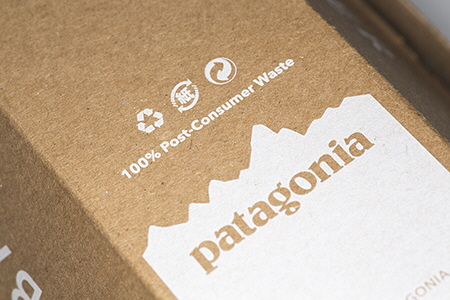
    Patagonia’s commitment to sustainability extends to every facet of its branding. Their product tags and packaging are made from post-consumer recycled paper and printed with soy-based inks. This reduces waste and aligns with their broader environmental mission. As Wendy Jedlicka highlights in Packaging Sustainability, Patagonia’s approach demonstrates the power of integrating sustainable practices into business strategy while maintaining strong visual appeal.
Patagonia: Eco-Conscious Branding and Packaging
  1. Google: Digital Sustainability Practices
    Google exemplifies energy-efficient digital design. Their teams implement lightweight design strategies, reducing website energy consumption and enhancing user experience. By optimizing code, compressing images, and utilizing renewable energy-powered servers, they lead in reducing the digital carbon footprint, as discussed in Green Graphic Design by Brian Dougherty. Their approach highlights the importance of applying sustainability principles to digital media, an often-overlooked aspect of graphic design.
Google: Digital Sustainability Practices
  1. IKEA: Circular Design Innovations
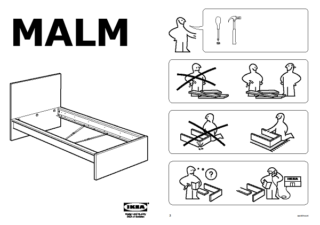
    IKEA’s design ethos extends to sustainability in packaging and product instructions. Their flat-pack furniture not only reduces transportation emissions but also showcases minimal ink usage in manuals. Additionally, IKEA’s commitment to offering modular, repairable furniture emphasizes the importance of designing for longevity, a concept championed in Cradle to Cradle by William McDonough and Michael Braungart.
Ikea’s Minimalistic Manuals

Lessons Learned from Best Practices

These examples demonstrate that sustainable design is both achievable and beneficial:

  • Collaboration is Crucial: Sustainable solutions often emerge from partnerships with suppliers and innovators, such as Patagonia’s use of eco-conscious printing processes.
  • Scalability is Possible: From global leaders like Google to smaller studios adopting waterless printing, sustainable design principles can be applied at any scale.
  • Consumer Engagement Matters: Design doesn’t just reduce environmental harm, it also educates and inspires consumers to make more sustainable choices.

Challenges and Opportunities

Despite progress, designers still face hurdles when implementing sustainable practices:

  • Cost Barriers: Eco-friendly materials and processes can be more expensive, especially for smaller projects.
  • Knowledge Gaps: Many designers lack access to training or tools for sustainable workflows.
  • Client Resistance: Convincing clients of the value of sustainability often requires presenting evidence of its long-term benefits.

References

  • Dougherty, B. (2008). Green graphic design. Allworth Press.
  • Jedlicka, W. (2011). Packaging sustainability: Tools, systems, and strategies for innovative package design. Wiley.
  • McDonough, W., & Braungart, M. (2002). Cradle to cradle: Remaking the way we make things. North Point Press.

Tools to Support Sustainable Graphic Design

  1. Paper and Printing Tools
    • Recycled Paper: Premium options like Mohawk Options or Neenah Environment ensure high quality while using post-consumer materials.
    • Eco-Friendly Certifications: Work with suppliers certified by the FSC or Rainforest Alliance.
  2. Environmental Impact Calculators
    The Environmental Paper Network provides tools to estimate the environmental costs of paper choices and explore sustainable alternatives.
  3. Digital Tools
    • Website Carbon Calculator: Estimate the energy consumption of websites to identify optimization opportunities.
    • Ecofont: A typeface designed to reduce ink consumption during printing.
  4. Packaging Design Resources

Packaging design offers significant opportunities for innovation in sustainability. In Packaging Sustainability: Tools, Systems, and Strategies for Innovative Package Design, Wendy Jedlicka highlights examples of eco-friendly packaging solutions that illustrate the principles of sustainable design:

  • Apple’s Minimalist Packaging: Designed with fewer components and made from recycled materials, Apple’s packaging reflects a commitment to efficiency and sustainability.
Apple’s Minimalist Packaging
  • Patagonia’s Recycled Content: By using post-consumer recycled materials, Patagonia minimizes environmental impact and aligns packaging with its broader environmental mission.
  • Biodegradable Innovations: Certain brands are now utilizing plant-based materials like cornstarch polymers, which decompose more easily in the environment.
  • Refillable or Reusable Packaging: Products like refillable containers for cosmetics and personal care items reduce waste by encouraging multiple uses.

References

  • Jedlicka, W. (2011). Packaging sustainability: Tools, systems, and strategies for innovative package design. Wiley.

The Core Principles of Sustainable Graphic Design

Sustainable graphic design is guided by several foundational principles that inform eco-friendly practices:

  1. Resource Efficiency
    Prioritize using materials that are renewable, recycled, or responsibly sourced to minimize environmental degradation.
  2. Energy Consciousness
    Consider the energy demands of both print and digital production. For example, optimizing file sizes for websites reduces server load, which translates to lower energy consumption.
  3. Durability and Longevity
    Create designs that stand the test of time, reducing the need for frequent updates or reprints.
  4. Minimalism
    Adopting simplicity in design not only aligns with aesthetic trends but also minimizes resource usage and reduces waste.

Practical Applications

  • Choosing eco-friendly printing methods, such as waterless printing or using soy-based inks, to reduce harmful emissions.
  • Designing for digital sustainability by optimizing websites and digital assets for lower energy usage.
  • Incorporating recycled materials in packaging or printed media to reduce reliance on virgin resources.

A Designer’s Responsibility Designers hold the responsibility to create with intention and foresight, ensuring their work contributes to a healthier planet. By embracing these principles, the design industry can lead the way toward a more sustainable future.

What is Sustainable Graphic Design?

The Lifecycle Approach

One distinguishing feature of sustainable graphic design is its focus on the lifecycle of a project. This involves asking key questions:

  • What are the environmental impacts of the materials being used?
  • Can the project be executed with fewer resources or in a more energy-efficient way?
  • What happens to the product after it has served its purpose? Is it recyclable, reusable, or biodegradable?

Why It Matters

The urgency of climate change and resource depletion has placed significant pressure on industries to adopt sustainable practices. Graphic design, with its influence on consumer behavior and product development, holds a unique position in driving this change. By adopting sustainable methods, designers can create meaningful work that supports both environmental and social well-being.

Sustainable Graphic Design

Introduction

Sustainable graphic design is an emerging discipline that prioritizes environmental responsibility throughout the design process. As awareness grows around issues like climate change, resource depletion, and environmental degradation, the design industry faces increasing expectations to minimize its ecological impact. Sustainable design extends beyond aesthetics to include thoughtful choices in materials, production methods, and even digital practices, all aimed at reducing the carbon footprint of visual communications. My personal interest for this topic is growing more and more due to climate change and wanting to have a good impact through design on the world.

The Role of Design in Environmental Impact

The design field has significant influence over both consumer behavior and production practices, making it a powerful tool for promoting sustainability. Designers, through their choice of resources and mediums, shape the products, packaging, and visual culture we interact with daily. Sustainable graphic design emphasizes making intentional, eco-conscious choices that lessen environmental strain, from opting for recycled materials to using energy-efficient digital platforms.

Why Sustainability Matters in Graphic Design

Incorporating sustainable practices into design is not only a response to environmental urgency but also a strategic move toward responsible, forward-thinking creativity. Each component of a design project, whether print or digital, has an impact on resources, energy, and waste. Sustainable graphic design aims to reduce this impact, fostering an industry that aligns with ecological and social goals.