Augmented Reality in Car Windshields: Designing the Future of HUDs

The rise of AR HUDs

Augmented reality (AR) in car windscreens is transforming the driving experience through advanced heads-up displays (HUDs). Rather than simply projecting basic information such as speed and fuel level, AR HUDs overlay real-time information in the driver’s field of vision, improving both safety and user experience. For example, navigation information such as lane guidance arrows, hazard warnings or even pedestrian and obstacle detection appear seamlessly on the windscreen, keeping the driver’s eyes on the road and reducing distractions.

(source: https://medium.com/stradvision/augmented-reality-head-up-display-ar-hud-provides-drivers-with-a-safer-and-more-convenient-25db611fd406)

Improving safety and driving experience

One of the primary goals of AR HUDs is safety. By projecting critical information directly into the driver’s line of sight, they reduce the need to look away from traditional dashboard displays. For example, real-time alerts about speed limits, traffic congestion and potential collisions can help improve reaction times. AR HUDs can also improve driving in poor visibility by highlighting lane markings or obstacles like other vehicles.

Personalisation features are also becoming more common, allowing drivers to customise the information displayed on their windscreen. This could include navigation routes, weather updates or nearby points of interest, creating a more tailored and interactive experience.

(source: https://vr-room.ch/2019/01/10/ar-kommt-in-head-up-displays-ins-auto/)

Current challenges

Despite their potential, AR HUDs face challenges such as high production costs, complex calibration requirements and display clarity in varying lighting conditions. In addition, regulatory hurdles and driver distraction concerns remain significant barriers to adoption.

The future view

The future of AR HUDs looks promising as advances in AI, connectivity (such as 5G) and projection technology accelerate. Car manufacturers are already incorporating AR HUDs into premium models, with brands such as Mercedes-Benz and BMW leading the way. As costs come down and consumer demand for smarter, connected cars grows, AR HUDs could become standard across all vehicle segments within the next decade.

(source: https://displaydaily.com/the-dawn-of-augmented-reality-huds-bmw-changes-the-game-with-panoramic-vision/)

References:

https://www.radiantvisionsystems.com/blog/automotive-hud-inspection-challenge-characterizing-effects-windshield-glass

https://www.dreamerux.com/articles/hbskaedh5bfckwbh9mm9wydftjtj8y

https://premiereautoglass.com/the-role-of-ar-in-shaping-the-future-of-auto-windshield/

https://autoraiders.com/2024/10/18/the-impact-of-augmented-reality-windshields-on-driving-technology/

https://evecoauto.com/the-rise-of-hud-windshields-are-they-the-future-of-driving/

How Autonomous Car Concepts are Influencing Current UX/UI Design

The rise of autonomous vehicles (AVs) has had a profound impact on modern UX/UI design, laying the foundations for new user expectations, interfaces and interactions. Even though fully autonomous cars are still in development, their concepts are actively influencing current automotive design trends.

Shift from driver-centric to passenger-centric UX

Traditional car UX focused on the driver managing controls, but AV concepts prioritise the passenger experience. As the responsibility of driving reduces, designers are rethinking interiors to support new activities such as working, relaxing or entertaining. This shift calls for adaptable interfaces that balance functionality and simplicity, while accommodating a range of user needs, such as personal control over lighting, seating or infotainment systems.

(source: https://www.autosprint.ch/en/aktuell/yanfeng-das-auto-als-oase-zum-wohlfuehlen/)

Trust and communication through UX

A critical design challenge in autonomous vehicles is building trust. AVs need to clearly communicate their intentions and status to help users feel safe. For example, interface systems now display the vehicle’s awareness of its surroundings, such as identifying pedestrians or road conditions. By showing this “cognitive awareness” in real time, car manufacturers aim to reduce fears about safety and control.

(source: https://www.mdpi.com/2227-7080/11/5/117)

Incorporating AI for predictive experiences

Autonomous car concepts are increasingly using AI to predict user preferences and streamline the journey. Features such as adaptive climate control, route suggestions or personalised entertainment systems increase comfort. These innovations are now influencing current vehicles, even in advanced driver assistance systems (ADAS), where predictive feedback improves the user experience.

(source: https://blogs.sw.siemens.com/thought-leadership/2022/01/24/in-cabin-ai-the-push-to-develop-smarter-autonomous-cars-for-the-future/)

Flexible and minimalist UI design

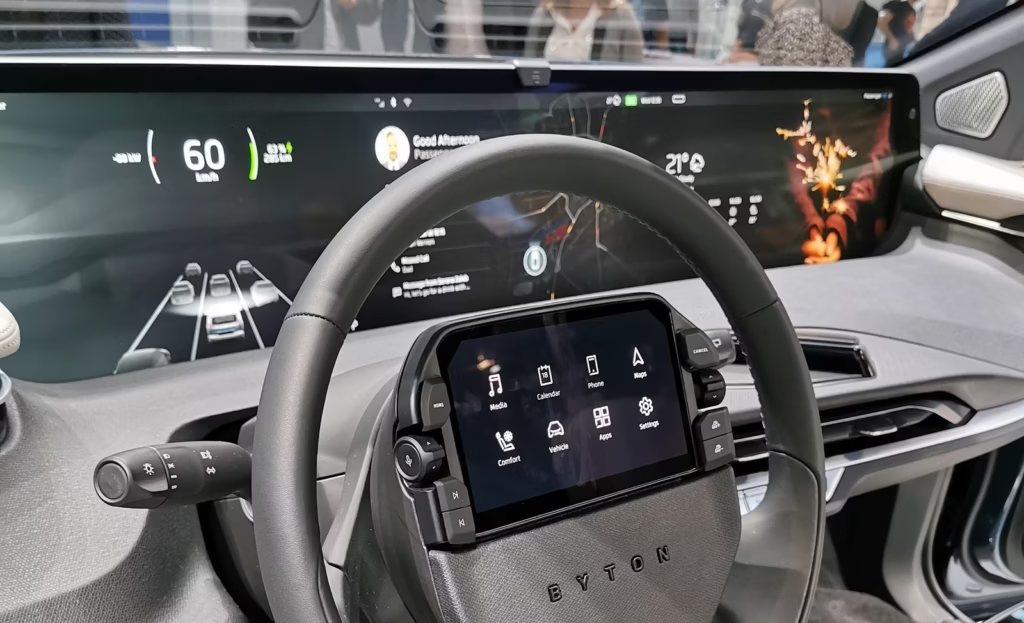
AV interiors often emphasise minimalism, reflecting an intuitive approach to reducing cognitive load. Touchscreens, voice commands and haptic feedback replace traditional controls, simplifying navigation and vehicle interaction. As designers test AVs, these principles are being incorporated into current models, with large screens, clean dashboards, and advanced voice assistants such as Apple CarPlay or Android Auto.

(source: https://autodesignmagazine.com/en/2024/03/bmw-neue-klasse-x-suv-from-the-future/)

Balancing automation and human interaction

Even as automation advances, user-centred design remains essential. For example, partial autonomy (such as Tesla’s Autopilot) requires intuitive systems that allow for seamless driver interaction. Modern UIs already address this balance, ensuring clarity in mode switching and responsibilities between human and machine.

(source:https://www.greencarcongress.com/2021/09/20210901-driving.html)

References:

https://www.tataelxsi.com/news-and-events/why-ux-design-will-be-crucial-to-the-success-of-autonomous-cars

https://info.keylimeinteractive.com/the-ux-of-autonomous-vehicles

https://www.foundry.com/insights/design/autonomous-cars

https://appinventiv.com/blog/ai-in-self-driving-cars/

https://blogs.sw.siemens.com/thought-leadership/2022/01/24/in-cabin-ai-the-push-to-develop-smarter-autonomous-cars-for-the-future/

What Tesla Got Right (and Wrong) About UX/UI Design

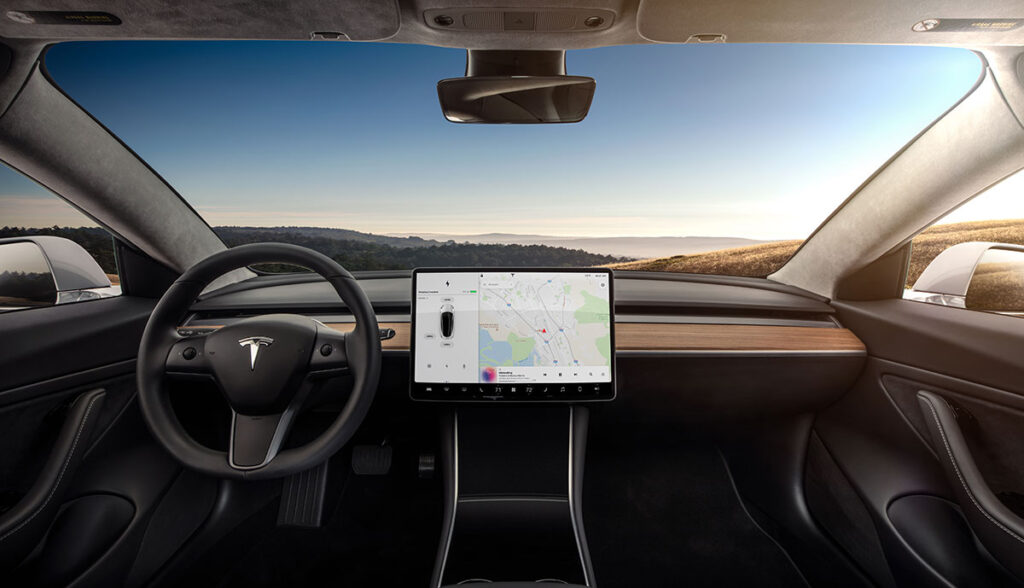
Tesla has long been a leader in transforming the way we think about cars, especially when it comes to technology and user experience. The company’s bold design decisions, such as the large touch interface, have revolutionised the automotive industry. But with innovation comes both praise and criticism. Here’s a closer look at what Tesla’s UX/UI design has done well – and where it could improve.

(Source: https://ecomento.de/2019/09/02/tesla-model-3-interieur-jetzt-ohne-leder/)

What Tesla has done well:

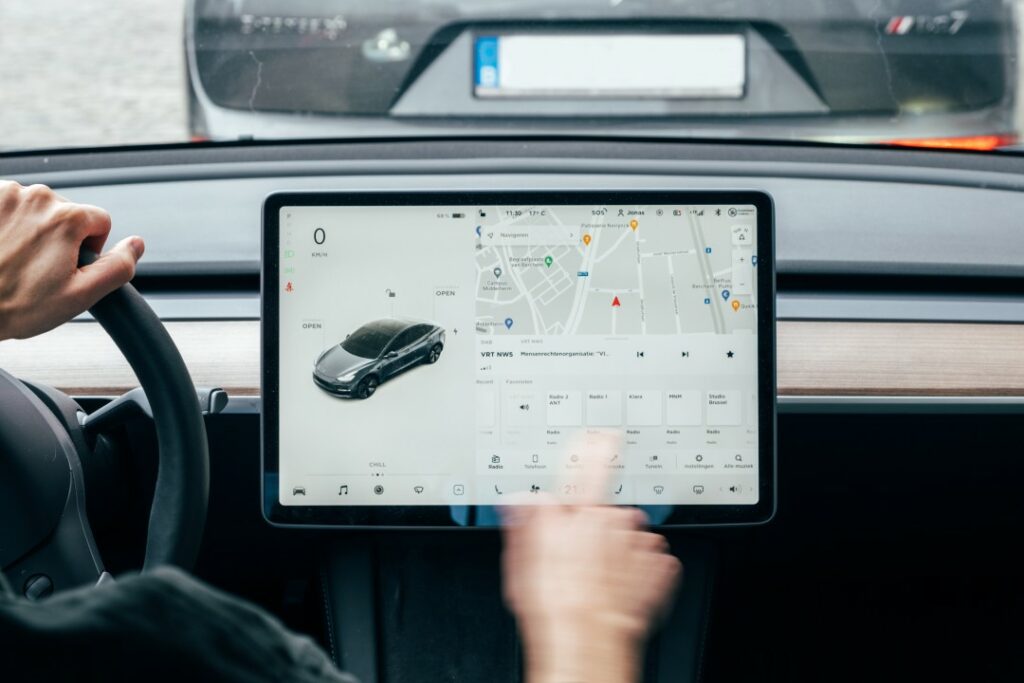
One of Tesla’s most notable contributions to the automotive world is its minimalist design, especially in the dashboard of its vehicles. The central touchscreen of the Tesla Model S and Model 3 is sleek and streamlined, allowing users to interact with many of the car’s features through an intuitive digital interface. The move has eliminated the need for many physical buttons, simplifying the driving experience and creating a more modern, technically advanced feel.

Tesla also stands out by integrating software updates through an over-the-air (OTA) system. This means that, even after purchase, a Tesla car is continually upgraded with new features and bug fixes delivered directly to the vehicle, similar to how smartphones are updated. This user experience flexibility is a game changer in automotive design.

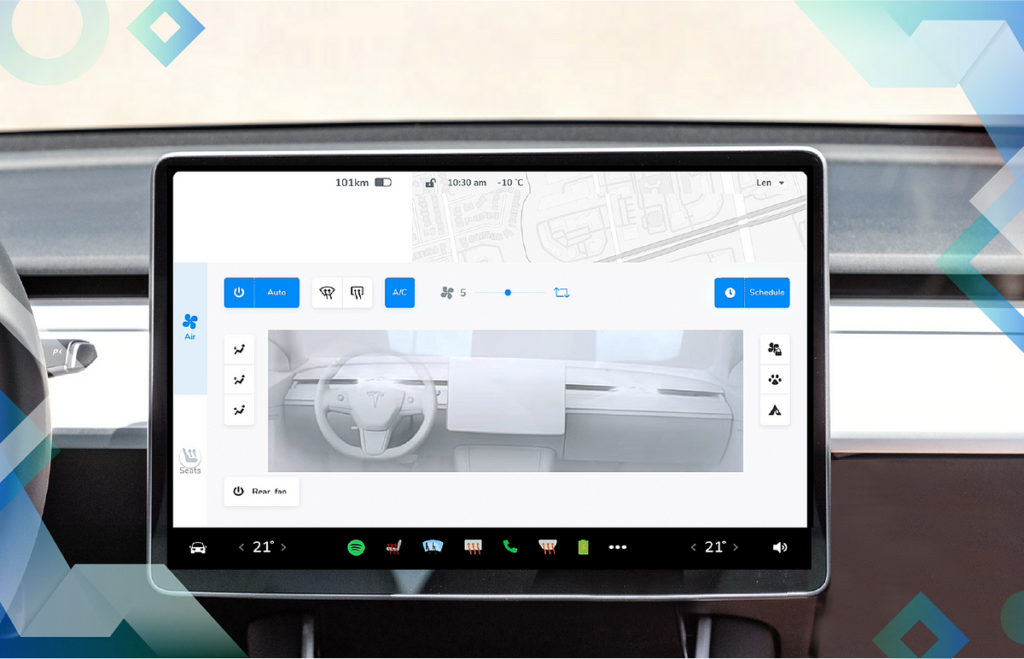
(Source: https://uxplanet.org/case-study-wellnesslivings-ux-ui-design-team-s-enhancements-to-tesla-s-new-v11-0-dashboard-design-21730e00178e)

What Tesla did wrong:

However, not all aspects of Tesla’s UX/UI have been widely complimented. One of the most common criticisms is the size and placement of some of the buttons on the touchscreen. Many users find that adjusting basic functions like the HVAC system or wipers while driving can be frustrating. These controls are often small and not always intuitively located, making it difficult for drivers to access them quickly and safely.

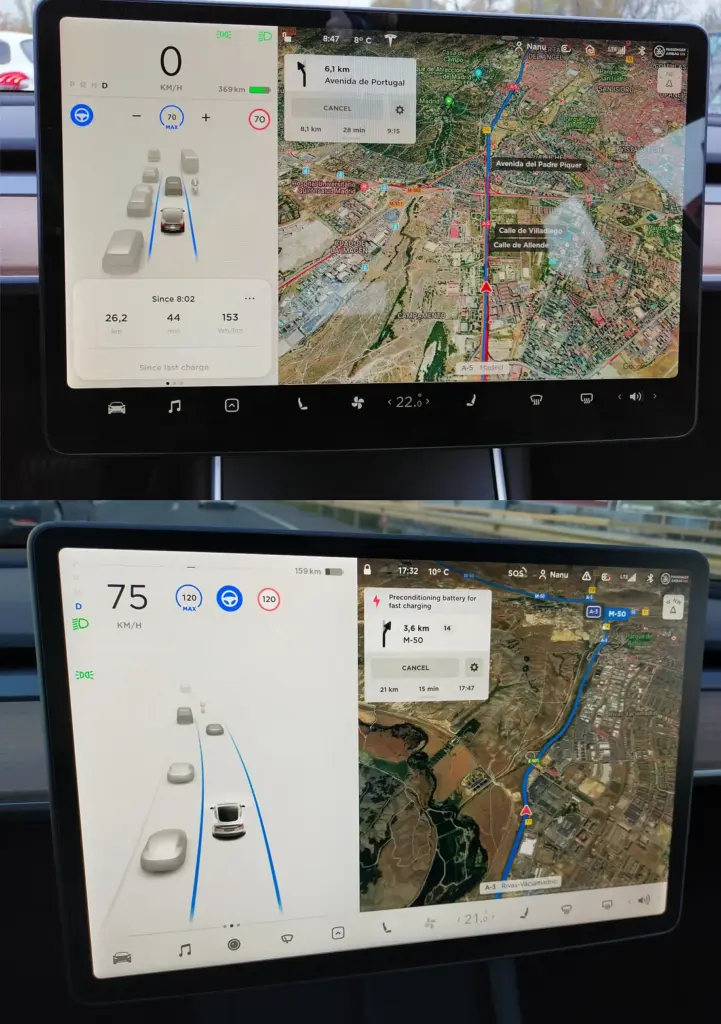
Another common complaint is the lack of customisation of Tesla’s infotainment system. Unlike some competitors, Tesla does not offer Apple CarPlay or Android Auto, which could provide users with additional navigation options, such as Waze integration. While Tesla’s large map display is much appreciated, the system lacks route planning for multiple destinations, which can be a significant annoyance for users who rely on complex navigation for their trips.

(Source: https://uxplanet.org/analyzing-the-new-tesla-ui-2020-48-26-8dccd52dd594)

Opinion:

Overall, Tesla has pushed the boundaries of automotive UX/UI design, making cars more like smartphones on wheels. The integration of cutting-edge technologies like touchscreen interfaces and OTA updates has changed the face of the industry. However, the company needs to continue to refine its design, especially when it comes to usability during active driving. As Tesla and other manufacturers continue to innovate, it will be interesting to see how they manage to balance futuristic design with practical and user-friendly interfaces that keep safety and ease of use in mind.

References:

https://uxmag.com/articles/teslas-groundbreaking-ux-an-interview-with-user-interface-manager-brennan-boblett

https://www.invisionapp.com/inside-design/tesla-ui-design/

https://ux.rachelsdesign.com/tesla-case-study/

https://uxplanet.org/case-study-wellnesslivings-ux-ui-design-team-s-enhancements-to-tesla-s-new-v11-0-dashboard-design-21730e00178e

The Future of Automotive UX

The automotive industry is undergoing a change and user experience (UX) design is at the forefront of this development. As vehicles become more connected, intelligent and user-centric, the future of automotive UX promises to redefine the way we interact with cars. Below is a look at the key developments that are shaping this future.

Sustainability and Intelligent Design

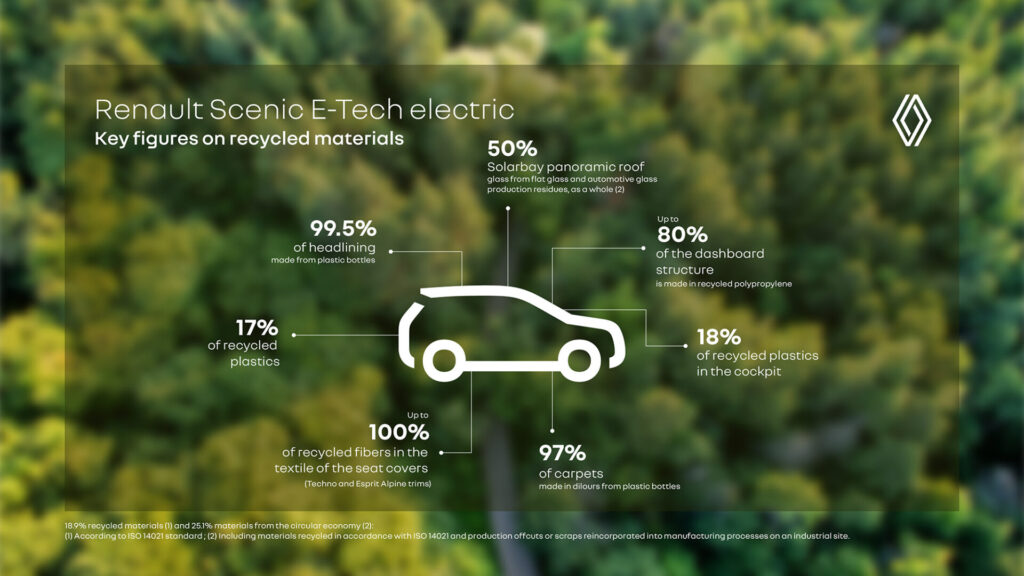
As sustainability becomes a global priority, automotive UX is adapting to promote eco-friendly practices. Game-based interfaces encourage fuel-efficient driving behaviours, while electric vehicles (EVs) offer advanced features such as intelligent climate control systems that optimise energy use. In addition, automotive manufacturers are incorporating sustainable materials into vehicle interiors to align with environmental goals.

(source: https://www.renaultgroup.com/en/news-on-air/top-stories-2/design-talks-eco-design-rewrites-the-future-of-cars/)

Advanced Driver Assistance Systems (ADAS)

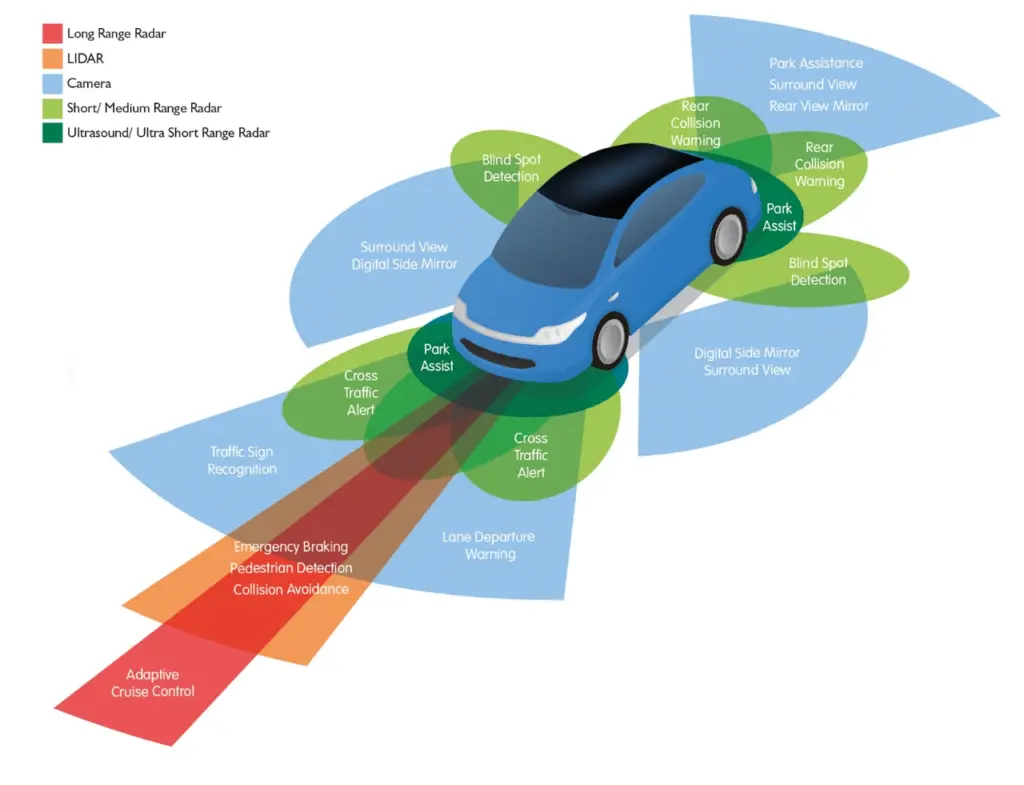
Safety remains at the forefront of automotive UX innovation. Advanced Driver Assistance Systems (ADAS) include features such as forward collision warning, lane departure warning, adaptive cruise control and automated parking. These technologies not only improve safety, but also reduce driver stress by taking over repetitive or difficult tasks.

(Source: https://www.wardsauto.com/vehicles/transforming-the-future-of-vehicle-ownership-with-adas-technology)

AI-driven personalisation

Artificial Intelligence (AI) is revolutionising the in-car experience by enabling hyper-personalisation. Vehicles are now able to learn user preferences, such as seat positioning, climate control and entertainment choices, to create tailored experiences. AI-powered voice assistants are also becoming more intuitive, enabling natural conversations that eliminate the need for memorised commands. This integration of generative AI enhances convenience while fostering a deeper connection between users and their vehicles.

(Source: https://www.ramotion.com/blog/automotive-ux-design/)

References:

https://nix-united.com/blog/ai-in-automotive-a-new-edge-of-the-automotive-industry/

https://www.uxconnections.com/future-trends-and-innovation-in-the-automotive-industry/

https://rightware.com/blog/the-future-of-automotive-ux-from-the-designers-perspective/

https://medium.com/@sreelakshmis.dilip/exploring-the-latest-trends-in-automotive-ux-a39ec4f9e95c

Latest Trends in Automotive UX Design

As the automotive industry experiences a digital transformation, user experience (UX) design is becoming a key factor in shaping the way drivers and passengers interact with vehicles. Modern vehicles are no longer just vehicles, but are transforming into connected, intelligent spaces that integrate seamlessly into our digital lives.

Personalisation and integration of artificial intelligence

One of the most significant UX trends in the automotive industry is the rise of personalisation, which is driven by artificial intelligence (AI) and machine learning. Vehicles are now adapting to individual user preferences and offering tailored experiences that enhance comfort and convenience. Everything from seat positioning and climate control to in-car entertainment and driving modes can be automatically adjusted based on user profiles. Predictive technologies are also becoming more prevalent, with systems suggesting routes, stops or even adjusting settings based on previous behaviour.

(source: https://nix-united.com/blog/ai-in-automotive-a-new-edge-of-the-automotive-industry/)

Augmented reality (AR) and immersive displays

Augmented Reality (AR) is bringing a major innovation to vehicle interfaces by overlaying digital information onto the real world. AR heads-up displays (HUDs) project navigation instructions, safety alerts and vehicle diagnostics directly onto the windshield, allowing drivers to focus while receiving important information. This trend improves safety and convenience by providing real-time data without distracting the driver from driving.

(source: https://iot-automotive.news/huawei-ar-hud-debuts-at-iaa-mobility-2021-delivering-a-new-driving-experience/)

Voice assistants and natural language processing

Voice assistants using advanced natural language processing (NLP) are becoming a central feature of the in-car experience. These systems allow drivers to control various functions – such as navigation, media playback or even air conditioning – hands-free through spoken commands. This trend not only improves safety by reducing distractions, but also makes interactions more intuitive. AI-powered voice assistants can also integrate into natural conversations, making driving more enjoyable.

(source: https://www.theturnsignalblog.com/guidelines-for-designing-an-in-car-voice-assistant/)

Entertainment and games in the car

The concept of cars as entertainment centres is gaining popularity. With the rise of high-speed connectivity and advanced infotainment systems, passengers can now enjoy streaming services, multiplayer games and even immersive virtual reality experiences while driving. Some vehicles now feature large displays for backseat passengers or even integrate gaming platforms into the car’s ecosystem. This trend is turning long commutes or car journeys into immersive experiences for all passengers.

(source: https://www.audi-mediacenter.com/en/press-releases/holorides-cutting-edge-in-car-entertainment-platform-launches-for-select-audi-models-15004)

References:

https://medium.com/@sreelakshmis.dilip/exploring-the-latest-trends-in-automotive-ux-a39ec4f9e95c

https://medium.com/@yujdesigns23/steering-into-the-future-ux-trends-reshaping-the-automotive-sector-2b45d9d56fd7

https://jobya.com/library/roles/kI6swA4r/vehicle_user_experience_researcher/articles/kI6swA4r_future_of_vehicle_UX

https://digitalcreative.cn/blog/latest-automotive-hmi-design-trends

UX/UI Challenges in Designing for Autonomous Vehicles

The rise of autonomous vehicles has brought about a new era of user experience (UX) and user interface (UI) design in the automotive industry. As cars become smarter and more connected, the role of UX/UI designers is evolving to meet the demands of a future where vehicles drive themselves. This evolution presents both opportunities and challenges, particularly in how designers can create interfaces that are intuitive, safe and engaging for users who are no longer in full control of the vehicle.

Balancing Automation and User Control

One of the main challenges in designing autonomous vehicles is finding the right balance between automation and user control. Modern vehicles are already equipped with sensors, cameras and voice commands to help drivers with tasks such as parking or navigating traffic. However, once cars become fully autonomous, users will need to both trust the vehicle’s systems and feel that they have some control over them. This requires designing interfaces that clearly communicate the vehicle’s actions and intentions to the user.

For example, when a car is about to change lanes or turn, the interface should provide clear visual or audible signals to inform the user. The challenge is to ensure that these notifications are not overwhelming or distracting, but still provide enough information to maintain confidence in the system.

(source:https://dac.digital/the-future-of-autonomous-vehicles-and-autonomous-machines/)

Managing Data Overload

With autonomous vehicles generating huge amounts of data – from real-time traffic information to vehicle diagnostics – effectively managing this information is another key challenge for UX/UI designers. Modern cars have evolved into powerful computers on wheels that are capable of handling both internal and external data. Designers must create interfaces that present this data in an understandable way without overwhelming the user.

This is particularly important for safety-related information. For example, if an obstacle is detected on the road ahead, the system must alert the user in a clear and well-timed way. At the same time, less important information such as entertainment options or air conditioning settings should be easily accessible but not distracting.

(source:https://uxdesign.cc/data-overload-is-a-design-problem-bcdb76e3cd6c)

Creating Emotional Connections Through Design

In addition to functionality, car UX/UI design must also focus on creating emotional connections between users and their vehicles. Today’s customers expect their car’s interface to be visually appealing and reflect their personal style. This means designers must consider not only how the interface works, but also how it looks and feels.

For example, customisable dashboards that allow users to choose colour schemes or display layouts can help create a more personalised driving experience. In addition, seamless integration with smartphones and other devices can strengthen this connection by allowing users to bring their digital experience into the car.

Ensuring security and trust

Safety remains a top concern in the design of autonomous vehicles. Advanced driver assistance systems (ADAS) such as adaptive cruise control and automatic parking help drivers get used to semi-autonomous functions. Fully autonomous vehicles, however, will require even more trust from users.

Designers must ensure that interfaces are not only easy to use, but also reliable. For example, if an autonomous vehicle meets an unexpected situation – such as a crosswalk – the system must clearly and confidently communicate its response to avoid confusion or panic.

(source:https://xorance.com/advancements-in-autonomous-vehicles-and-their-impact-on-transportation/)

Literature:

https://www.foundry.com/insights/design/smart-cars

https://ordergroup.co/resources/article-business-and-technical/what-are-the-UX-and-Ul-challenges-in-the-automative-industry/

https://blog.sasken.com/addressing-the-trends-and-challenges-in-designing-automotive-ux

https://www.uxblog.com/user-experience-in-the-automotive-design-world/

Automotive UX: Understanding the Fundamentals

The automotive industry is going through a transformation driven by technological advances and changing user expectations. As vehicles become increasingly connected, autonomous and electric, the role of user experience (UX) design becomes essential in creating a safe, intuitive and enjoyable driving experience.

(source: https://www.linkedin.com/pulse/driving-success-critical-importance-ux-design-gerard-chaustow/)

User-Centered Design: Drivers come first.

The basis of automotive UX is user-centred design – an approach that prioritises the needs, behaviours and preferences of drivers and passengers.

Unlike traditional vehicles, where mechanical performance was at the centre of the focus, modern cars are increasingly defined by their digital interfaces and features. Designers need to make sure that all interactions with the vehicle – whether it’s setting the climate controls or navigating the infotainment system – are intuitive and seamless.

To achieve this, designers carry out a wide research on how users interact with vehicles in different contexts. This includes understanding how drivers perceive information while driving, how they interact with touchscreens or voice commands, and how they handle distractions. The goal is to minimise cognitive load so that drivers can focus on what’s most important: safe driving.

(source: https://www.ramotion.com/blog/automotive-ux-design/)

Safety as a Fundamental Principle

Safety is a fundamental consideration when designing UX in the automotive industry. With the development of advanced driver assistance systems (ADAS) such as lane keeping assist or automatic emergency braking, it is essential that these systems are reliable and easy to use. Poorly designed interfaces can lead to confusion or even accidents if drivers misinterpret warnings or have difficulty operating safety features.

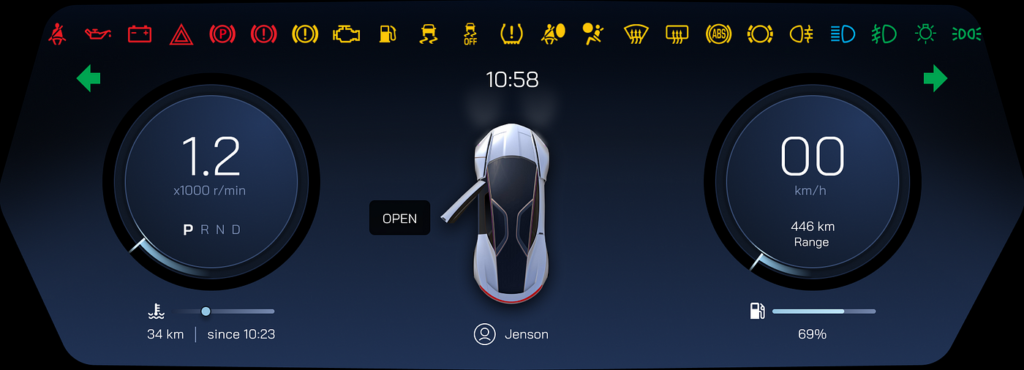
A key aspect of safety-focused UX is information hierarchy – making sure critical information is displayed clearly and at the right time. For example, speed limits or collision warnings should be visible on dashboards or head-up displays (HUDs), while less urgent information can be hidden in secondary menus. In addition, haptic feedback (such as steering wheel vibration) can provide non-visual signals to alert drivers without overwhelming them with too much visual information.

(source: https://medium.com/design-bootcamp/what-product-designers-should-know-about-vehicle-warning-system-design-1a0f91e0b632)

The Role of Connectivity and Infotainment

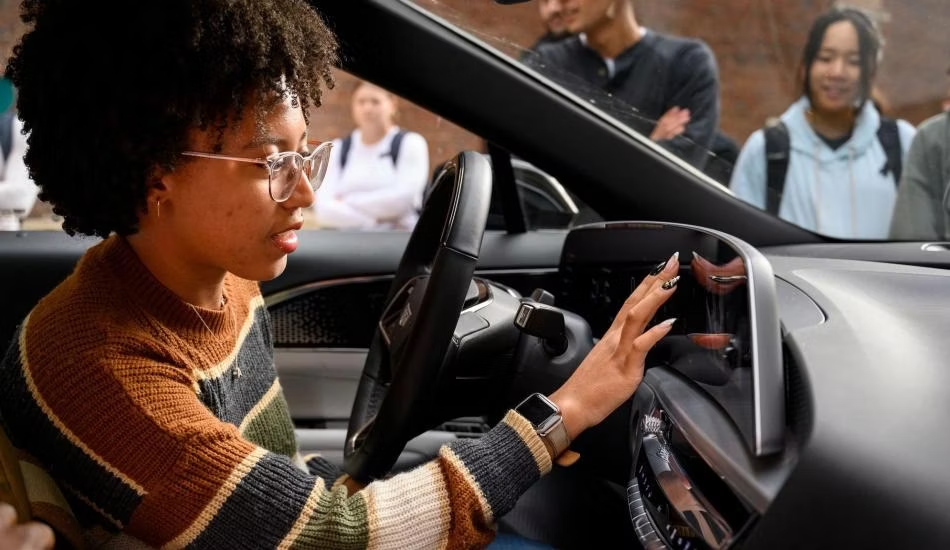
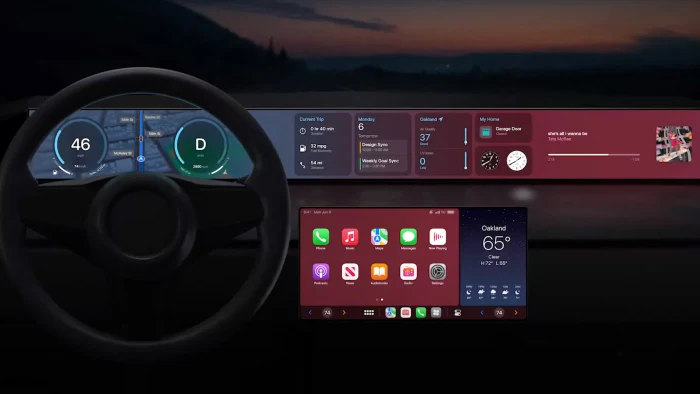
Modern vehicles are no longer standalone machines, but part of a wider ecosystem of connected devices. From smartphone integration to real-time traffic information updates, connectivity has become an essential part of the automotive UX. Infotainment systems now offer a wide range of features such as Apple CarPlay, Android Auto, voice assistants such as Amazon Alexa, and even streaming services. With these added features, however, comes the challenge of making sure they don’t distract drivers from the driving experience. Designers must strike a balance between offering a wide range of features and keeping the controls simple. Voice control has become a popular solution for limiting screen interaction while driving, allowing users to make phone calls or change music hands-free.

(source: https://www.autoblog.com/features/apple-carplay-next-generation-data)

References:

https://www.uxpin.com/studio/blog/automotive-ux/

https://www.ramotion.com/blog/automotive-ux-design/

https://makolab.com/insights/user-experience-design-for-in-car-systems

https://ordergroup.co/resources/article-business-and-technical/what-are-the-UX-and-Ul-challenges-in-the-automative-industry/