05 Designing Privacy-Centric User Experiences: Case Studies and Practical Insights

Introduction

Creating platforms that respect user privacy isn’t just a moral obligation; it’s a necessity in today’s data-driven world. In this post, I focus on designing privacy-centric user experiences, showcasing real-world case studies and exploring actionable design strategies. These insights will directly inform my thesis goals of developing a framework for companies and prototyping a simple privacy tool to empower users to manage their digital footprints more effectively.

What Makes a Privacy-Centric User Experience?

A privacy-centric experience ensures that users are informed, in control, and confident about their data. It prioritizes transparency, simplicity, and respect for user consent while avoiding deceptive practices. This means:

  1. Clarity: Clear communication about what data is collected and why.
  2. Control: Tools that allow users to customize their privacy preferences easily.
  3. Trust: Ethical practices that build long-term confidence.

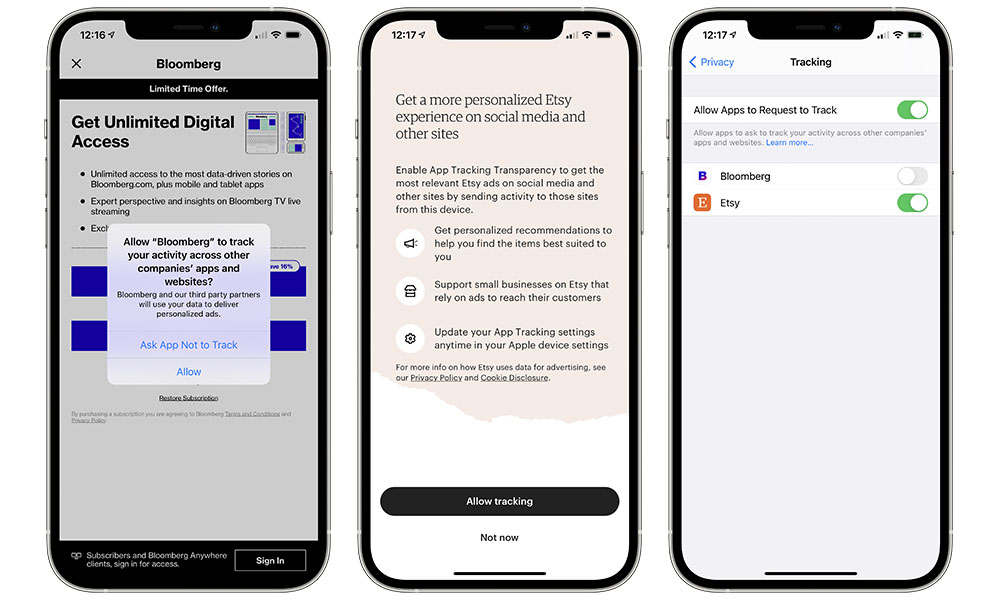
Example: Apple’s App Tracking Transparency feature asks users if they want to allow tracking, giving them a clear choice with simple language.

Case Studies of Privacy-Centric Platforms

  1. Signal (Messaging App): Signal prioritizes privacy by offering end-to-end encryption and collecting minimal metadata. Users trust Signal because it’s transparent about its data collection policies—essentially none—and offers simple privacy controls.
  2. DuckDuckGo (Search Engine): Unlike Google, DuckDuckGo doesn’t track users or store personal information. Its clean interface and privacy-first branding make it a favorite for those seeking anonymity.
  3. Joindeleteme.com (Data Removal Tool): This tool simplifies the process of removing personal data from online platforms, offering a user-friendly experience with automated data removal requests.
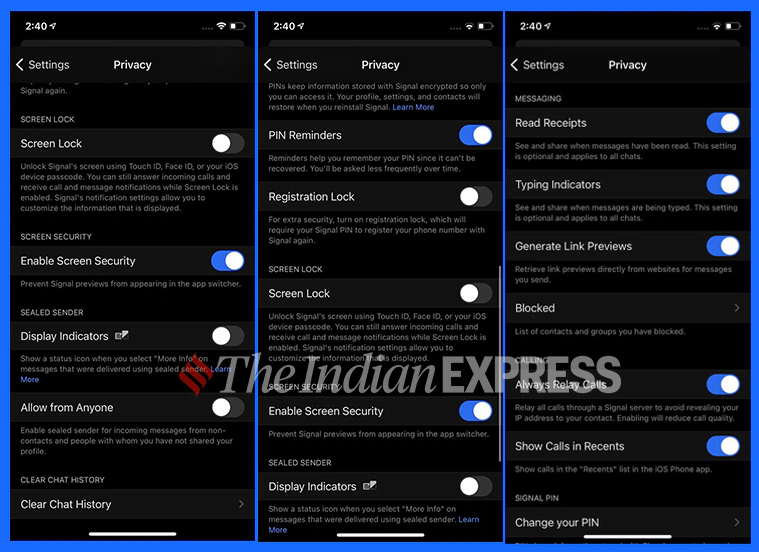
image source: IndianExpress
Image source: iDrop

How Do These Examples Inform Design Practices?

These platforms succeed by embedding privacy into the user experience, demonstrating best practices for designers:

  1. Default Privacy: Assume users want to opt out of tracking. Signal doesn’t track by default, removing the burden of choice.
  2. Simplified Consent: Make choices clear and accessible. DuckDuckGo eliminates tracking entirely, so users don’t need to worry about settings.
  3. Automation: Joindeleteme.com automates repetitive tasks, minimizing user effort while maintaining control.

How can design principles from successful privacy-centric platforms be adapted into frameworks or tools for broader use?

  • What features of these platforms are most effective at fostering user trust?
  • How can automation and default settings simplify privacy management for users?

Designing a Framework for Companies

To guide companies in creating privacy-centric platforms, a framework should include:

  1. Transparency Guidelines: Require clear communication about data collection. Example: Dashboards showing what data is collected in real time.
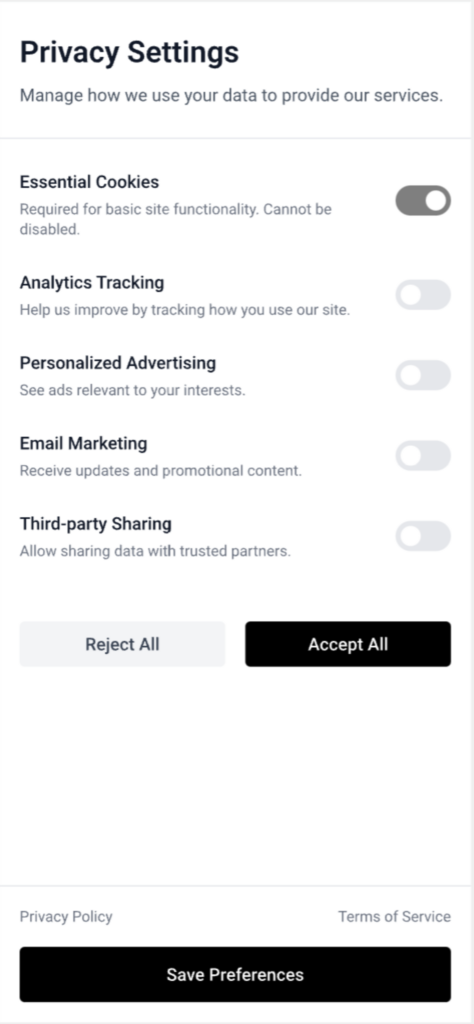
  2. User Empowerment: Include tools that allow users to opt out of tracking with a single click. Example: Privacy toggles for ads, location tracking, and analytics.
  3. Ethical Compliance Checks: Provide a checklist for meeting GDPR and other privacy laws. Example: Assessing whether consent dialogs meet “informed consent” criteria.
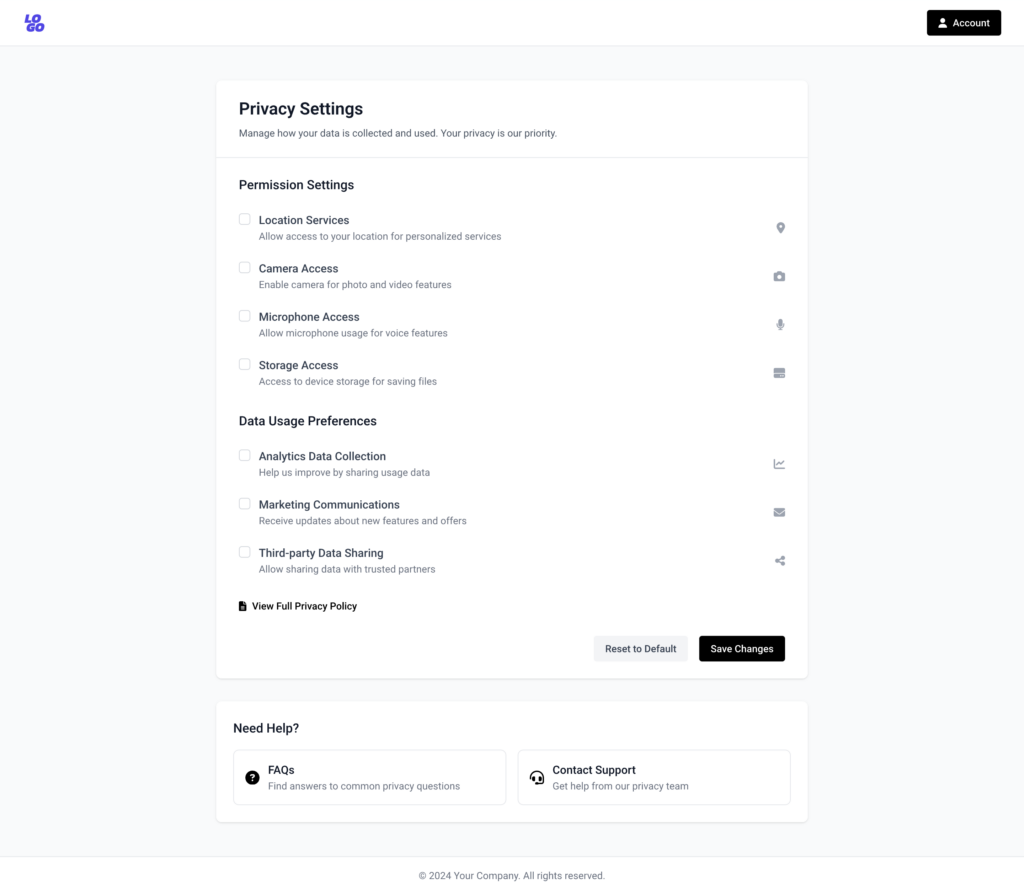
Possible permissions users can control if companies implement Privacy Transparency Guidelines

Designing a Prototype Privacy Tool

Inspired by joindeleteme.com, the proposed tool could:

  1. Identify Data Sources: Help users find where their personal information exists online.
  2. Simplify Requests: Automate data deletion requests based on privacy laws like GDPR.
  3. Track Progress: Provide real-time updates on data removal processes for transparency.
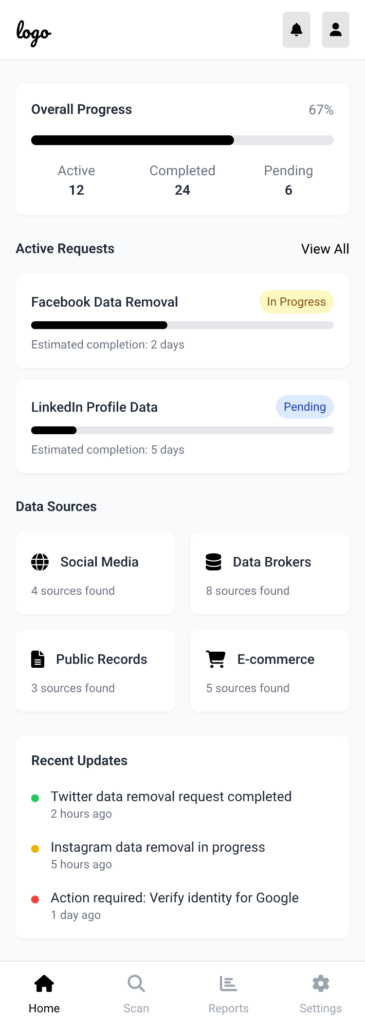
Mockup of a possible view of the tool

Challenges in Execution

  1. Data Mapping Complexity: Identifying all the platforms where a user’s data exists is a significant technical hurdle.
  2. User Trust: Convincing users to trust the tool with sensitive data requires a flawless UX and a proven ethical stance.
  3. Corporate Pushback: Companies reliant on data monetization may resist the widespread adoption of privacy frameworks.

My Personal Motivation

The more I explore privacy-first platforms, the more I realize how empowering ethical design can be. I’m motivated to create solutions that reduce friction for users while making privacy the norm rather than the exception.
04 – Tools for Digital Footprint Management: Helping Users Take Control

Introduction

Imagine walking into a room full of strangers who know intimate details about your life—what you like, where you’ve been, and even your habits. This is what happens online when we fail to manage our digital footprints. Thankfully, there are tools that can help us regain control of our data. In this post, we’ll explore some of the most effective tools and strategies for managing digital footprints.

The Problem with Staying Invisible Online

Our digital activities generate massive amounts of data that companies track, analyze, and sometimes sell. Without tools to manage this, users are often left vulnerable to:

  • Targeted ads that intrude on privacy.
  • Data breaches that expose sensitive information.
  • A lack of understanding of what’s being tracked.

Example: Many people don’t realize that free email services scan inboxes to serve targeted ads.

Privacy Tools That Empower Users

  1. Privacy Settings in Apps and Platforms:
    Social media platforms like Facebook and Instagram offer privacy controls to limit data collection.
    • Tip: Adjust visibility settings to restrict who can see your posts and personal information.
  2. Browser Extensions:
    Tools like uBlock Origin, Privacy Badger, and DuckDuckGo Privacy Essentials block trackers and ads.
    • Example: DuckDuckGo provides private browsing and tracker-free search.
  3. Password Managers:
    Apps like LastPass and 1Password strengthen account security with unique, strong passwords for each login.
  4. VPNs (Virtual Private Networks):
    Services like NordVPN or ExpressVPN encrypt your internet connection, making it harder for third parties to track your activity.
  5. Personal Data Management Platforms:
    Tools like DeleteMe help you scrub your info off the internet periodically.

The Role of Design in Privacy Tools

Good design ensures these tools are easy to use for everyone, not just tech-savvy users. Designers can improve privacy tools by:

  • Simplifying Interfaces: Use clear, intuitive layouts to guide users.
  • Adding Visual Feedback: Icons or progress bars showing the level of privacy protection.
  • Transparency: Include plain-language explanations of what each feature does.

Challenges to Address

  1. Balancing Simplicity and Functionality: Too many options can overwhelm users, while oversimplification might remove critical features.
  2. User Awareness: Many users don’t know these tools exist or how to use them.
  3. Trust Issues: Privacy-focused tools must gain user trust through transparency and proven reliability.

My Personal Motivation

I believe privacy is a fundamental human right. Tools that empower users to reclaim control of their data align with my passion for ethical design. By creating accessible, intuitive privacy tools, designers can build a safer digital ecosystem for everyone.

03 – A History of Data Privacy and Designing for Informed Consent: Clarity in Privacy Choices

Introduction

Data privacy has become a hot topic in recent years, but concerns about personal information are far from new. The evolution of data privacy highlights how the digital landscape has shifted from respecting personal boundaries to monetizing user data. In this post, we’ll explore key moments in the history of data privacy, landmark cases that shaped it, and why ethical consent mechanisms are more critical than ever. We’ll also discuss the groundbreaking work of organizations like noyb.eu (None of Your Business) and how design can ensure users truly understand what they’re agreeing to.

The History of Data Privacy

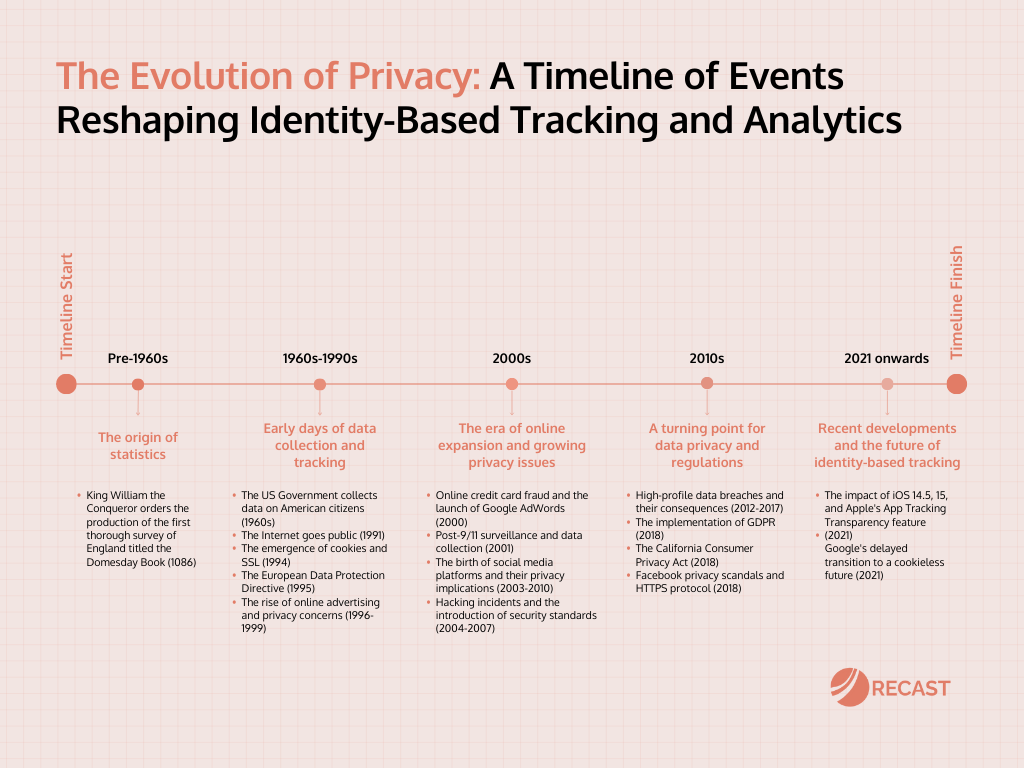
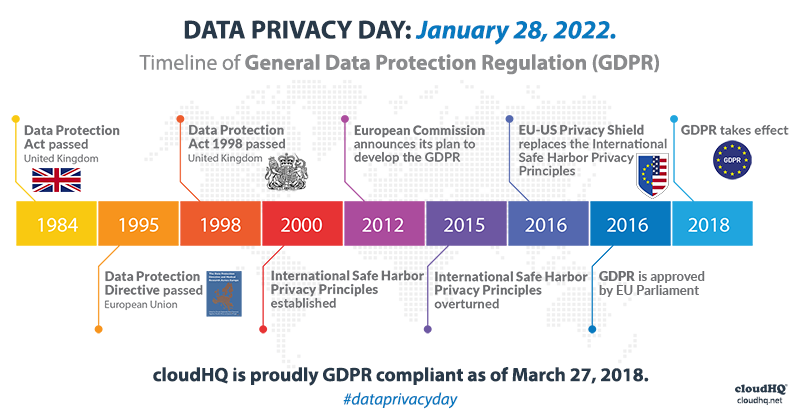
Data privacy debates date back decades. In 1973, the U.S. Fair Information Practices principles laid a foundation for protecting personal data, emphasizing transparency and consent. Later, Europe’s Data Protection Directive (1995) and General Data Protection Regulation (GDPR, 2018) set global benchmarks for user privacy rights. GDPR established a crucial requirement for “explicit consent,” sparking significant changes in how companies request and handle user data.

Image source: Recast

Case Example: The Cambridge Analytica scandal (2018) exposed how personal data harvested via Facebook was used for political profiling without user knowledge, sparking global outcry and reinforcing the need for ethical consent practices.

image source: CloudHQ


Why Consent Still Fails

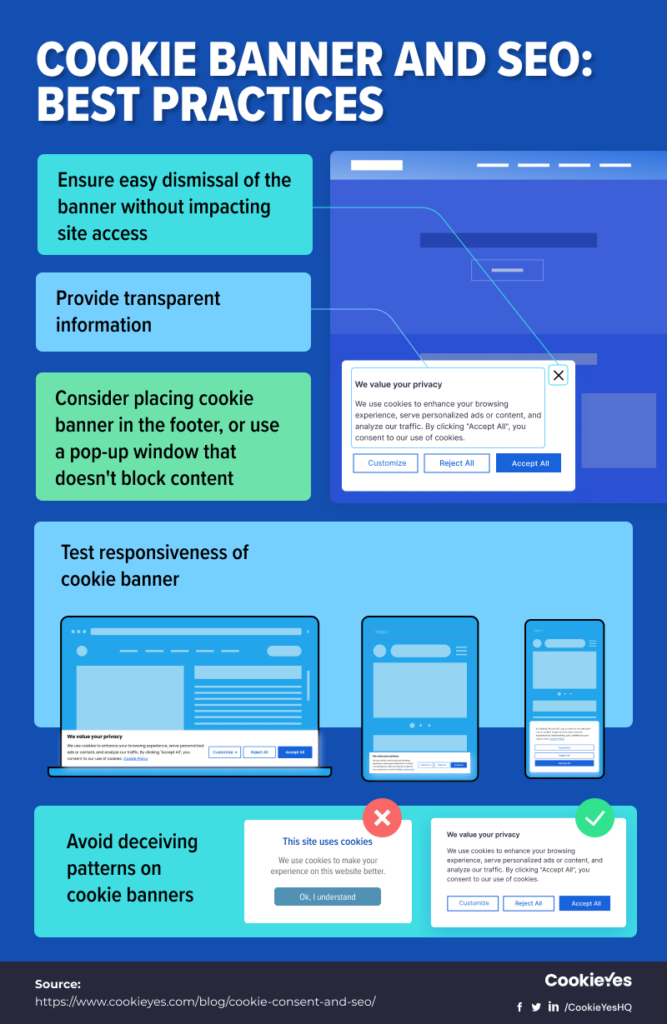
Despite legal advancements, informed consent is still far from universal. Many companies use dark patterns—design tricks that nudge users into agreeing to data collection they might not fully understand. Ambiguous language, pre-checked boxes, and overly complex privacy policies make it hard for users to make informed decisions.

Example: A cookie consent popup that makes “Accept All” the easiest option while burying granular controls under multiple layers of navigation.

image source: CookieYes

noyb.eu: Leading the Charge Against Privacy Violations

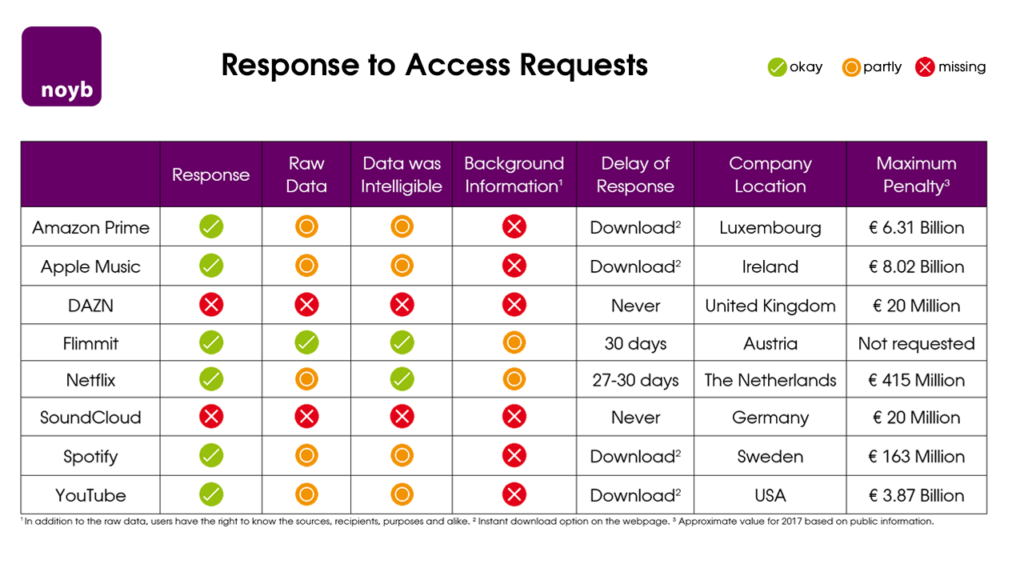
Founded by privacy activist Max Schrems, noyb.eu challenges companies that violate GDPR regulations. The organization has filed complaints against major corporations for failing to obtain valid user consent, often citing the use of manipulative interfaces. noyb.eu emphasizes transparency and user empowerment, aligning closely with the principles of ethical design.

Example: In 2021, noyb filed hundreds of complaints about deceptive cookie banners, pushing companies to adopt clearer, more compliant designs.

Image source: EDRi

How can design simplify and improve informed consent for users in light of historical and ongoing privacy challenges?

  • What lessons can be learned from past privacy violations to improve future consent mechanisms?
  • How can organizations like noyb inspire better design practices?

Design Approaches to Solve the Issue

  1. Simplify Language: Use clear, jargon-free language to explain consent choices. Example: Replace “We use cookies to improve your experience” with “We track your activity to show ads. You can opt out.”
  2. Visual Aids: Use graphics or icons to represent data usage (e.g., icons for tracking, ads, or personalization). Example: A pie chart showing how your data is used.
  3. Granular Controls: Allow users to toggle specific permissions rather than forcing all-or-nothing decisions. Example: Separate toggles for tracking, personalized ads, and email subscriptions.
  4. Actionable Transparency: Show real-time examples of how data will be used. Example: “We will use your email to send weekly updates—no spam.

Why This Matters for Design

Informed consent isn’t just about compliance—it’s a design challenge that affects user trust and brand reputation. Ethical consent mechanisms can be a competitive advantage, making users feel respected and empowered. Designers have a responsibility to move beyond dark patterns and craft experiences that genuinely prioritize user choice.

Challenges and Personal Motivation

Crafting effective consent mechanisms is tricky. Balancing simplicity with compliance often conflicts with corporate interests in data collection. However, I’m deeply motivated by the idea that design can bridge the gap between user needs and ethical practices, turning complex legal requirements into intuitive experiences for everyone.

02 – What is a Digital Footprint? Why You Should Care About Ethical Design in a Digital World

What is a Digital Footprint?

Have you ever thought about the trail you leave behind online? Every post, search, and click contributes to your digital footprint. It’s a record of your online activity, and it’s something everyone should understand. In this post, we’ll explore what digital footprints are, why they matter, and how ethical design can help you manage them.

What is a Digital Footprint?

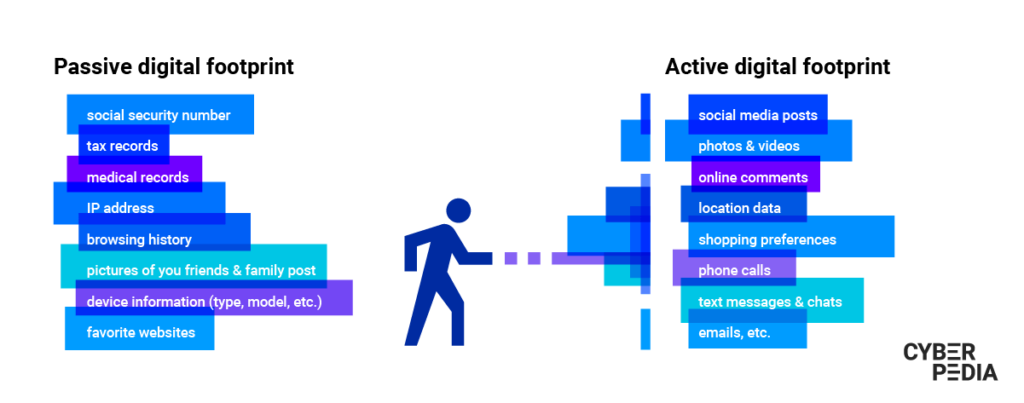
A digital footprint is the trail of data you leave behind as you navigate the internet. It comes in two types:

  • Active Footprints: Data you share intentionally, like social media posts, comments, or filling out online forms.
  • Passive Footprints: Data collected without you realizing it, like browsing history or location data from your smartphone.

Analogy: Think of it like footprints in the sand—some you leave on purpose, and others are left just by walking around.

image source: Bitdefender

Why Do Digital Footprints Matter?

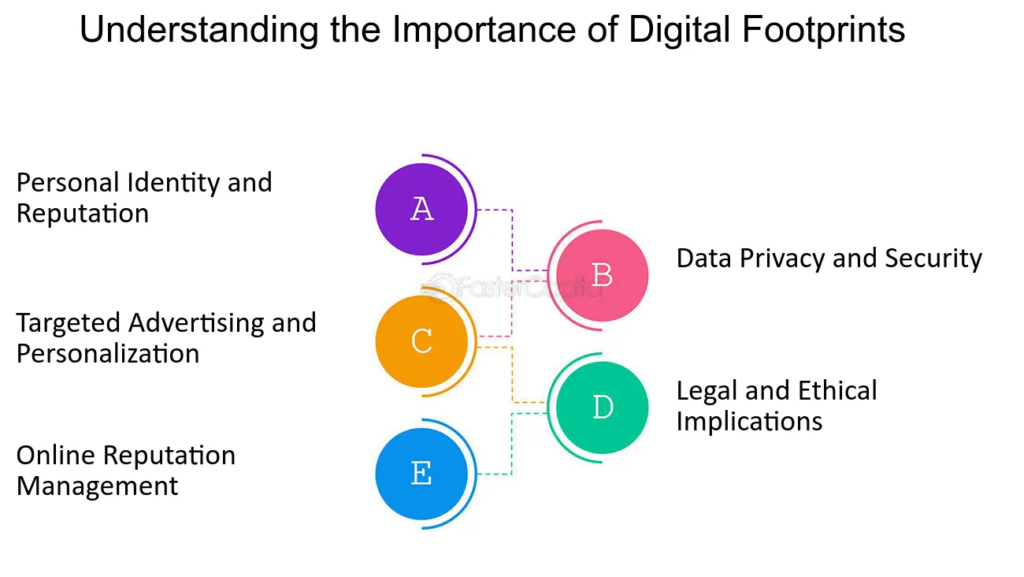
Your digital footprint is valuable because it reveals a lot about you. Here’s why it’s important:

  • Privacy: Your online activities shape your digital identity.
  • Security: Unmanaged footprints can expose you to risks like data breaches.
  • Influence: Companies use your data to target ads and shape your online experience.

Real Example: In 2018, Facebook’s data misuse scandal with Cambridge Analytica showed how social media activity could be used to manipulate political opinions.

image source: FasterCapital

The Role of Ethical Design

Designers have a huge role in making digital spaces safer. Ethical design means creating experiences that:

  • Avoid Deception: Don’t use tricks to collect data.
  • Provide Transparency: Clearly show what data is collected and why.
  • Empower Users: Make privacy settings easy to find and use.

Take a Simple First Step

Start by checking the privacy settings on your favorite apps. Make sure you know what data is being tracked and why. This is the first move in managing your digital footprint more effectively.

01 – Understanding Data Collection: What’s Tracked and Why It Matters

Introduction: The Hidden World of Data Collection

Every time you shop online, scroll social media, or use apps, you leave behind a trail of data. But what’s being collected, and why does it matter? In this post, we’ll break down the basics of data collection, why companies track you, and how ethical design can help make these processes more transparent.

What Data Is Being Collected?

The types of information collected about you often fall into two main categories:

  1. Personal Information:
    • Data you actively provide, like your name, email, or payment details.
    • Example: Signing up for a streaming service.
  2. Behavioral Data:
    • Your browsing habits, app usage, and even geolocation.
    • Example: An online store tracking your clicks to recommend products.

How Is Your Data Collected?

Cookies:

  • First-party cookies personalize experiences (e.g., saving your cart).
  • Third-party cookies track you across sites for advertising.

Device Fingerprinting:

  • Websites identify your device through unique configurations like screen resolution or browser settings.

Social Media Plugins:

  • Share buttons on websites let platforms like Facebook track your activity.

Why Do Companies Collect This Data?

While companies use data for personalization, advertising, and product development, this raises ethical concerns:

  • Lack of Transparency: Most users don’t understand what’s collected or how.
  • Security Risks: Data breaches can expose sensitive information.
  • Informed Consent: Legal jargon in terms of service often obscures what users are agreeing to.

How can ethical design make data collection more transparent and user-friendly?

For designers, creating transparent and user-friendly interfaces is critical to addressing privacy concerns. Ethical design not only builds trust but also aligns with global privacy laws like GDPR and CCPA.

Challenges and Motivation

Challenges:

  • Understanding complex data flows between companies.
  • Educating users who lack technical knowledge.
  • Encouraging companies to adopt ethical practices.

Motivation: My frustrations with unclear privacy settings inspire me to design solutions that prioritize user control and clarity.

Next steps could include:

  • Prototyping solutions for clearer data collection practices.
  • Analyzing current privacy tools and consent mechanisms.
  • Conducting user interviews to understand behaviors and perceptions.

In the next post, I will dive deeper into what a Digital Footprint is.

Cheers!