Prototyping I: Image Extender – Image sonification tool for immersive perception of sounds from images and new creation possibilities

Shift of intention of the project due to time plan:

By narrowing down the topic to ensure the feasibility of this project the focus or main purpose of the project will be the artistic approach. The tool will still combine the use of direct image to audio translation and the translation via sonification into a more abstract form. The main use cases will be generating unique audio samples for creative applications, such as sound design for interactive installations, brand audio identities, or matching image soundscapes and the possibility to be a versatile instrument for experimental media artists and display tool for image information.

By further research on different possibilities of sonification of image data and development of the sonification language itself the translation and display purpose is going to get more clear within the following weeks.

Testing of Google Gemini API for AI Object and Image Recognition:

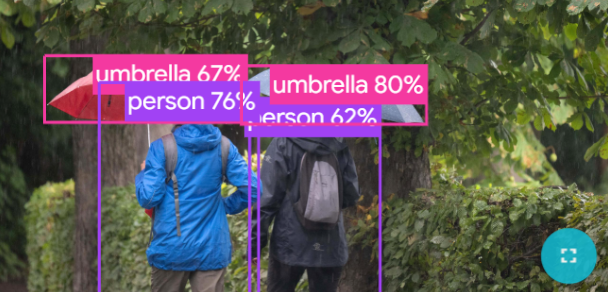
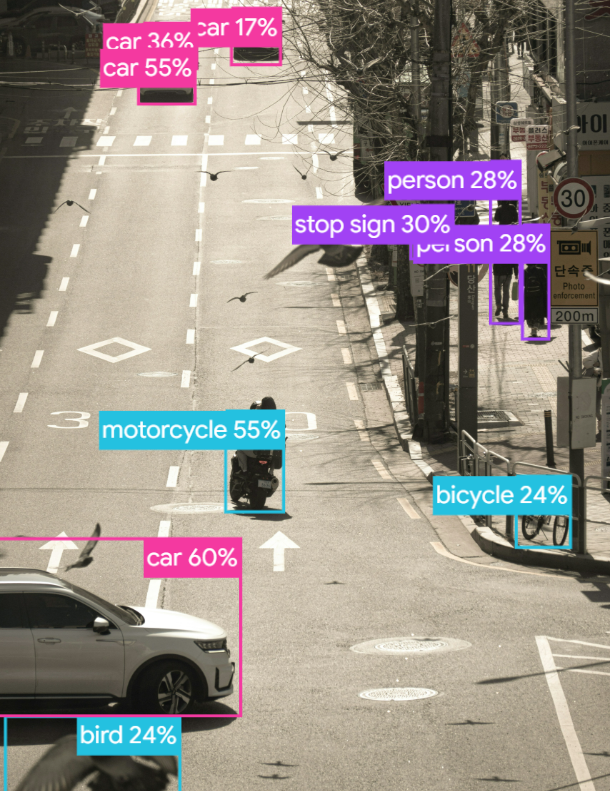
The first testing of the Google Gemini Api started well. There are different models for dedicated object recognition and image recognition itself which can be combined to analyze pictures in terms of objects and partly scenery. These models (SSD, EfficientNET,…) create similar results but not always the same. It might be an option to make it selectable for the user (so that in a failure case a different model can be tried and may give better results). The scenery recognition itself tends to be a problem. It may be a possibility to try out different apis.

The data we get from this AI model is a tag for the recognized objects or image content and a percentage of the probability.

The next steps for the direct translation of it into realistic sound representations will be to test the possibility of using the api of freesound.org to search directly and automated for the recognized object tags and load matching audio files. These search calls also need to filter by copyright type of the sounds and a choosing rule / algorithm needs to be created.
Research on sonification of images / video material and different approaches:

The world of image sonification is rich with diverse techniques, each offering unique ways to transform visual data into auditory experiences. The world of image sonification is rich with diverse techniques, each offering unique ways to map visual data into auditory experiences. One of the most straightforward methods is raster scanning, introduced by Yeo and Berger. This technique maps the brightness values of grayscale image pixels directly to audio samples, creating a one-to-one correspondence between visual and auditory data. By scanning an image line by line, from top to bottom, the system generates a sound that reflects the texture and patterns of the image. For example, a smooth gradient might produce a steady tone, while a highly textured image could result in a more complex, evolving soundscape. The process is fully reversible, allowing for both image sonification and sound visualization, making it a versatile tool for artists and researchers alike. This method is particularly effective for sonifying image textures and exploring the auditory representation of visual filters, such as “patchwork” or “grain” effects.(Yeo and Berger, 2006)

Principle raster scanning (Yeo and Berger, 2006)

In contrast, Audible Panorama (Huang et al. 2019) automates sound mapping for 360° panorama images used in virtual reality (VR). It detects objects using computer vision, estimates their depth, and assigns spatialized audio from a database. For example, a car might trigger engine sounds, while a person generates footsteps, creating an immersive auditory experience that enhances VR realism. A user study confirmed that spatial audio significantly improves the sense of presence. It contains a interesting concept regarding to choosing a random audio file from a sound library to avoid producing similar or same results. Also it mentions the aspect of postprocessing the audios which also would be a relevant aspect for the image extender project.

principle audible panorama (Huang et al. 2019)

Another approach, HindSight (Schoop, Smith, and Hartmann 2018), focuses on real-time object detection and sonification in 360° video. Using a head-mounted camera and neural networks, it detects objects like cars and pedestrians, then sonifies their position and danger level through bone conduction headphones. Beeps increase in tempo and pan to indicate proximity and direction, providing real-time safety alerts for cyclists.

Finally, Sonic Panoramas (Kabisch, Kuester, and Penny 2005) takes an interactive approach, allowing users to navigate landscape images while generating sound based on their position. Edge detection extracts features like mountains or forests, mapping them to dynamic soundscapes. For instance, a mountain ridge might produce a resonant tone, while a forest creates layered, chaotic sounds, blending visual and auditory art. It also mentions different approaches for sonification itself. For example the idea of using micro (timbre, pitch and melody) and macro level (rhythm and form) mapping.

principle sonic panoramas (Kabisch, Kuester, and Penny 2005)

Each of these methods—raster scanningAudible PanoramaHindSight, and Sonic Panoramas—demonstrates the versatility of sonification as a tool for transforming visual data into sound and lead keeping these different approaches in mind for developing my own sonification language or mapping method. It also leads to further research by checking some useful references they used in their work for a deeper understanding of sonification and extending the possibilities.

References

Huang, Haikun, Michael Solah, Dingzeyu Li, and Lap-Fai Yu. 2019. “Audible Panorama: Automatic Spatial Audio Generation for Panorama Imagery.” In Proceedings of the 2019 CHI Conference on Human Factors in Computing Systems, 1–11. Glasgow, Scotland: ACM. https://doi.org/10.1145/3290605.3300851.

Kabisch, Eric, Falko Kuester, and Simon Penny. 2005. “Sonic Panoramas: Experiments with Interactive Landscape Image Sonification.” In Proceedings of the 2005 International Conference on Artificial Reality and Telexistence (ICAT), 156–163. Christchurch, New Zealand: HIT Lab NZ.

Schoop, Eldon, James Smith, and Bjoern Hartmann. 2018. “HindSight: Enhancing Spatial Awareness by Sonifying Detected Objects in Real-Time 360-Degree Video.” In Proceedings of the 2018 CHI Conference on Human Factors in Computing Systems, 1–12. Montreal, QC, Canada: ACM. https://doi.org/10.1145/3173574.3173717.

Yeo, Woon Seung, and Jonathan Berger. 2006. “Application of Raster Scanning Method to Image Sonification, Sound Visualization, Sound Analysis and Synthesis.” In Proceedings of the 9th International Conference on Digital Audio Effects (DAFx-06), 311–316. Montreal, Canada: DAFx.
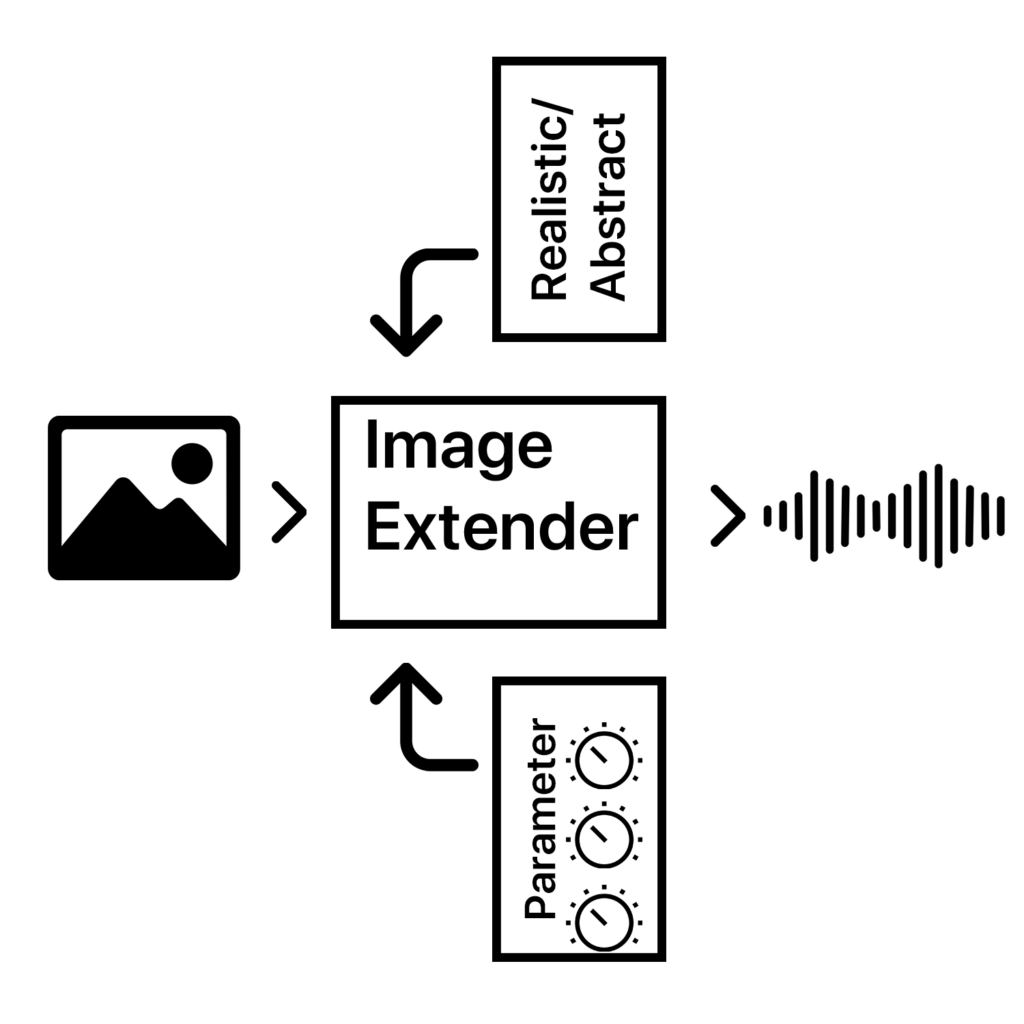
Explore II: Image Extender – Image sonification tool for immersive perception of sounds from images and new creation possiblities

The Image Extender project bridges accessibility and creativity, offering an innovative way to perceive visual data through sound. With its dual-purpose approach, the tool has the potential to redefine auditory experiences for diverse audiences, pushing the boundaries of technology and human perception.

The project is designed as a dual-purpose tool for immersive perception and creative sound design. By leveraging AI-based image recognition and sonification algorithms, the tool will transform visual data into auditory experiences. This innovative approach is intended for:

1. Visually Impaired Individuals
2. Artists and Designers

The tool will focus on translating colors, textures, shapes, and spatial arrangements into structured soundscapes, ensuring clarity and creativity for diverse users.

  • Core Functionality: Translating image data into sound using sonification frameworks and AI algorithms.
  • Target Audiences: Visually impaired users and creative professionals.
  • Platforms: Initially desktop applications with planned mobile deployment for on-the-go accessibility.
  • User Experience: A customizable interface to balance complexity, accessibility, and creativity.

Working Hypotheses and Requirements

  • Hypotheses:
    1. Cross-modal sonification enhances understanding and creativity in visual-to-auditory transformations.
    2. Intuitive soundscapes improve accessibility for visually impaired users compared to traditional methods.
  • Requirements:
    • Develop an intuitive sonification framework adaptable to various images.
    • Integrate customizable settings to prevent sensory overload.
    • Ensure compatibility across platforms (desktop and mobile).

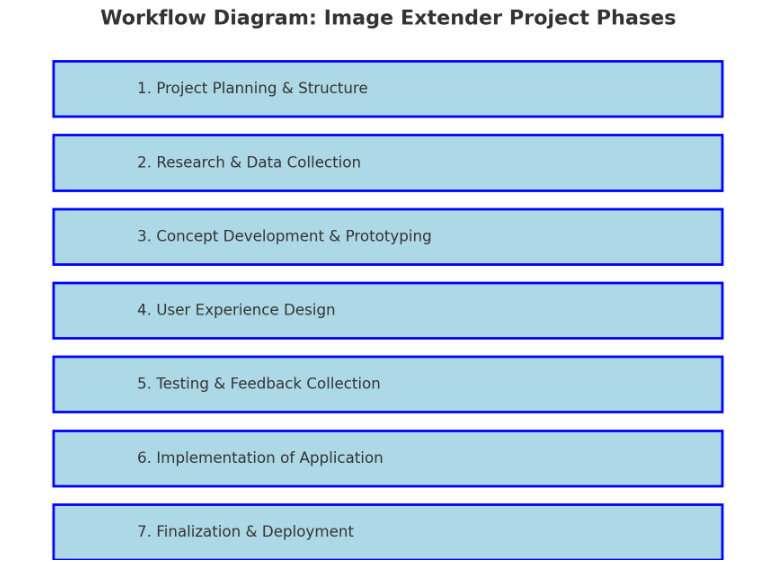
    Subtasks

    1. Project Planning & Structure

    • Define Scope and Goals: Clarify key deliverables and objectives for both visually impaired users and artists/designers.
    • Research Methods: Identify research approaches (e.g., user interviews, surveys, literature review).
    • Project Timeline and Milestones: Establish a phased timeline including prototyping, testing, and final implementation.
    • Identify Dependencies: List libraries, frameworks, and tools needed (Python, Pure Data, Max/MSP, OSC, etc.).

    2. Research & Data Collection

    • Sonification Techniques: Research existing sonification methods and metaphors for cross-modal (sight-to-sound) mapping and research different other approaches that can also blend in the overall sonification strategy.
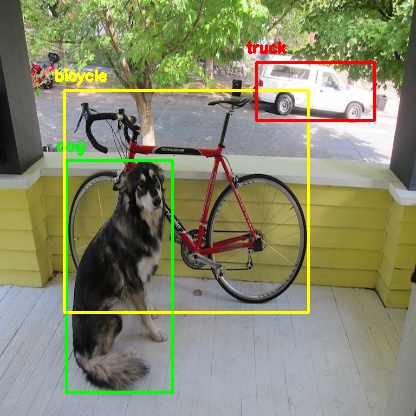
    • Image Recognition Algorithms: Investigate AI image recognition models (e.g., OpenCV, TensorFlow, PyTorch).
    • Psychoacoustics & Perceptual Mapping: Review how different sound frequencies, intensities, and spatialization affect perception.
    • Existing Tools & References: Study tools like Melobytes, VOSIS, and BeMyEyes to understand features, limitations, and user feedback.
    object detection from python yolo library

    3. Concept Development & Prototyping

    • Develop Sonification Mapping Framework: Define rules for mapping visual elements (color, shape, texture) to sound parameters (pitch, timbre, rhythm).
    • Simple Prototype: Create a basic prototype that integrates:
      • AI content recognition (Python + image processing libraries).
      • Sound generation (Pure Data or Max/MSP).
      • Communication via OSC (e.g., using Wekinator).
    • Create or collect Sample Soundscapes: Generate initial soundscapes for different types of images (e.g., landscapes, portraits, abstract visuals).
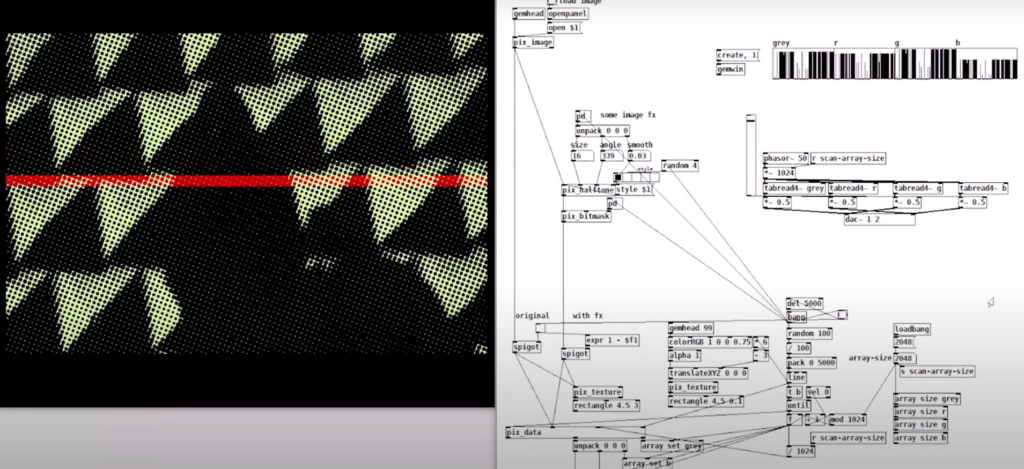
    example of puredata with rem library (image to sound in pure data by Artiom
    Constantinov)

    4. User Experience Design

    • UI/UX Design for Desktop:
      • Design intuitive interface for uploading images and adjusting sonification parameters.
      • Mock up controls for adjusting sound complexity, intensity, and spatialization.
    • Accessibility Features:
      • Ensure screen reader compatibility.
      • Develop customizable presets for different levels of user experience (basic vs. advanced).
    • Mobile Optimization Plan:
      • Plan for responsive design and functionality for smartphones.

    5. Testing & Feedback Collection

    • Create Testing Scenarios:
      • Develop a set of diverse images (varying in content, color, and complexity).
    • Usability Testing with Visually Impaired Users:
      • Gather feedback on the clarity, intuitiveness, and sensory experience of the sonifications.
      • Identify areas of overstimulation or confusion.
    • Feedback from Artists/Designers:
      • Assess the creative flexibility and utility of the tool for sound design.
    • Iterate Based on Feedback:
      • Refine sonification mappings and interface based on user input.

    6. Implementation of Standalone Application

    • Develop Core Application:
      • Integrate image recognition with sonification engine.
      • Implement adjustable parameters for sound generation.
    • Error Handling & Performance Optimization:
      • Ensure efficient processing for high-resolution images.
      • Handle edge cases for unexpected or low-quality inputs.
    • Cross-Platform Compatibility:
      • Ensure compatibility with Windows, macOS, and plan for future mobile deployment.

    7. Finalization & Deployment

    • Finalize Feature Set:
      • Balance between accessibility and creative flexibility.
      • Ensure the sonification language is both consistent and adaptable.
    • Documentation & Tutorials:
      • Create user guides for visually impaired users and artists.
      • Provide tutorials for customizing sonification settings.
    • Deployment:
      • Package as a standalone desktop application.
      • Plan for mobile release (potentially a future phase).

    Technological Basis Subtasks:

    1. Programming: Develop core image recognition and processing modules in Python.
    2. Sonification Engine: Create audio synthesis patches in Pure Data/Max/MSP.
    3. Integration: Implement OSC communication between Python and the sound engine.
    4. UI Development: Design and code the user interface for accessibility and usability.
    5. Testing Automation: Create scripts for automating image-sonification tests.

    Possible academic foundations for further research and work:

    Chatterjee, Oindrila, and Shantanu Chakrabartty. “Using Growth Transform Dynamical Systems for Spatio-Temporal Data Sonification.” arXiv preprint, 2021.

    Chion, Michel. Audio-Vision. New York: Columbia University Press, 1994.

    Görne, Tobias. Sound Design. Munich: Hanser, 2017.

    Hermann, Thomas, Andy Hunt, and John G. Neuhoff, eds. The Sonification Handbook. Berlin: Logos Publishing House, 2011.

    Schick, Adolf. Schallwirkung aus psychologischer Sicht. Stuttgart: Klett-Cotta, 1979.

    Sigal, Erich. “Akustik: Schall und seine Eigenschaften.” Accessed January 21, 2025. mu-sig.de.

    Spence, Charles. “Crossmodal Correspondences: A Tutorial Review.” Attention, Perception, Psychophysics, 2011.

    Ziemer, Tim. Psychoacoustic Music Sound Field Synthesis. Cham: Springer International Publishing, 2020.

    Ziemer, Tim, Nuttawut Nuchprayoon, and Holger Schultheis. “Psychoacoustic Sonification as User Interface for Human-Machine Interaction.” International Journal of Informatics Society, 2020.

    Ziemer, Tim, and Holger Schultheis. “Three Orthogonal Dimensions for Psychoacoustic Sonification.” Acta Acustica United with Acustica, 2020.

    Explore I: Image Extender – Image sonification tool for immersive perception of sounds from images and new creation possiblities

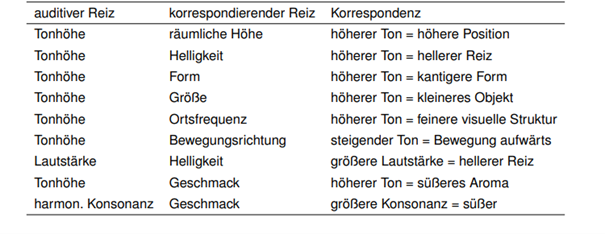
    The project would be a program that uses either AI-content recognition or a specific sonification algorithm by using equivalent of the perception of sight (cross-model metaphors).

    examples of cross modal metaphors (Görne, 2017, S.53)

    This approach could serve two main audiences:

    1. Visually Impaired Individuals:
    The tool would provide an alternative to traditional audio descriptions, aiming instead to deliver a sonic experience that evokes the ambiance, spatial depth, or mood of an image. Instead of giving direct descriptive feedback, it would use non-verbal soundscapes to create an “impression” of the scene, engaging the listener’s perception intuitively. Therefore, the aspect of a strict sonification language might be a good approach. Maybe even better than just displaying the sounds of the images. Or maybe a mixture of both.

    2. Artists and Designers:
    The tool could generate unique audio samples for creative applications, such as sound design for interactive installations, brand audio identities, or cinematic soundscapes. By enabling the synthesis of sound based on visual data, the tool could become a versatile instrument for experimental media artists.

    Purpose

    The core purpose would be the mixture of both purposes before, a tool that supports and helps creating in the same suite.

    The dual purpose of accessibility and creativity is central to the project’s design philosophy, but balancing these objectives poses a challenge. While the tool should serve as a robust aid for visually impaired users, it also needs to function as a practical and flexible sound design instrument.

    The final product can then be used by people who benefit from the added perception they get of images and screens and for artists or designers as a tool.

    Primary Goal

    A primary goal is to establish a sonification language that is intuitive, consistent, and adaptable to a variety of images and scenes. This “language” would ideally be flexible enough for creative expression yet structured enough to provide clarity for visually impaired users. Using a dynamic, adaptable set of rules tied to image data, the tool would be able to translate colors, textures, shapes, and contrasts into specific sounds.

    To make the tool accessible and enjoyable, careful attention needs to be paid to the balance of sound complexity. Testing with visually impaired individuals will be essential for calibrating the audio to avoid overwhelming or confusing sensory experiences. Adjustable parameters could allow users to tailor sound intensity, frequency, and spatialization, giving them control while preserving the underlying sonification framework. It’s important to focus on realistic an achievable goal first.

    • planning on the methods (structure)
    • research and data collection
    • simple prototyping of key concept
    • testing phases
    • implementation in an standalone application
    • ui design and mobile optimization

    The prototype will evolve in stages, with usability testing playing a key role in refining functionality. Early feedback from visually impaired testers will be invaluable in shaping how soundscapes are structured and controlled. Incorporating adjustable settings will likely be necessary to allow users to customize their experience and avoid potential overstimulation. However, this customization could complicate the design if the aim is to develop a consistent sonification language. Testing will help to balance these needs

    Initial development will target desktop environments, with plans to expand to smartphones. A mobile-friendly interface would allow users to access sonification on the go, making it easier to engage with images and scenes from any device.

    In general, it could lead to a different perception of sound in connection with images or visuals.

    Needed components

    Technological Basis:

    Programming Language & IDE:
    The primary development of the image recognition could be done in Python, which offers strong libraries for image processing, machine learning, and integration with sound engines. Also wekinator could be a good start for the communication via OSC for example.

    Sonification Tools:
    Pure Data or Max/MSP are ideal choices for creating the audio processing and synthesis framework, as they enable fine-tuned audio manipulation. These platforms can map visual data inputs (like color or shape) to sound parameters (such as pitch, timbre, or rhythm).

    Testing Resources:
    A set of test images and videos will be required to refine the tool’s translations across various visual scenarios.

    Existing Inspirations and References:

    – Melobytes: Software that converts images to music, highlighting the potential for creative auditory representations of visuals.

    – VOSIS: A synthesizer that filters visual data based on grayscale values, demonstrating how sound synthesis can be based on visual texture.

    – image-sonification.vercel.app: A platform that creates audio loops from RGB values, showing how color data can be translated into sound.

    – BeMyEyes: An app that provides auditory descriptions for visually impaired users, emphasizing the importance of accessibility in technology design.

    Academic Foundations:

    Literature on sonification, psychoacoustics, and synthesis will support the development of the program. These fields will help inform how sound can effectively communicate complex information without overwhelming the listener.

    References / Source

    Görne, Tobias. Sound Design. Munich: Hanser, 2017.