Trust is a cornerstone of user experience, influencing how users interact with digital products and services. However, unlike metrics such as load time or click-through rates, trust is intangible and multifaceted, making it challenging to quantify. Yet, understanding and measuring trust is essential for creating user-centric designs that foster loyalty and satisfaction. In UX design, trust refers to a user’s confidence in a product’s reliability, integrity, and ability to meet their needs. It’s built over time through consistent, transparent, and user-friendly interactions. Factors influencing trust include usability, visual design, content clarity, and perceived security.
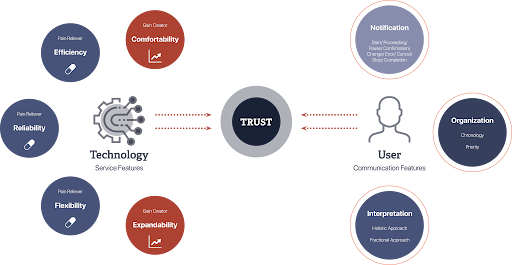
(Source: http://hyunah-kim.com/project/designing-trust-into-ux)
To effectively measure trust, a combination of qualitative and quantitative methods is recommended:
1. Surveys and Questionnaires
Structured surveys can capture users’ perceptions of trust. Tools like the System Usability Scale (SUS) or custom Likert-scale questions assess aspects such as reliability and credibility. For instance, the SUPR-Q (Standardized User Experience Percentile Rank Questionnaire) includes trust-related items to evaluate website credibility.
2. User Interviews and Feedback
Conducting interviews allows for in-depth exploration of users’ trust-related experiences. Open-ended questions can uncover specific design elements that enhance or hinder trust. This qualitative data provides context to quantitative findings.
3. Behavioral Analytics
Analyzing user behavior offers indirect insights into trust levels. Metrics such as bounce rates, session durations, and return visits can indicate trustworthiness. For example, a high bounce rate may suggest users don’t find the site credible or relevant.
4. Usability Testing
Observing users as they interact with a product can reveal trust issues. Hesitations, errors, or reliance on help features may indicate areas where trust is lacking. Usability tests help identify and rectify these pain points.
5. Physiological Measurements
Advanced methods like eye-tracking or facial expression analysis can detect unconscious reactions to design elements.These insights help understand users’ emotional responses, which are closely tied to trust.
Implementing Trust Measurements in Design
- Incorporating trust measurement into the design process involves:
- Setting clear objectives: Defining what aspects of trust are most relevant to the product.
- Choosing appropriate methods: Selecting measurement techniques that align with the objectives and resources
- Iterative testing: Regularly assessing trust throughout the design lifecycle to identify and address issues promptly.
- Stakeholder collaboration: Sharing findings with stakeholders to inform design decisions and prioritise trust-building features.
Final Video Prototype
Source:
https://www.uxstudioteam.com/ux-blog/increase-trust-through-ux-design
https://www.youtube.com/watch?v=BWqTuNO4Epk
https://www.stan.vision/journal/building-trust-in-saas-ux-ui-design
