My idea for master’s thesis explores how design can support the preservation of meaningful digital memories. In this blog post, I explore existing decluttering Apps and how could this knowledge help me with my next research.
I benchmarked several modern photo decluttering apps, including:
Swipe Delete: Photo Declutter
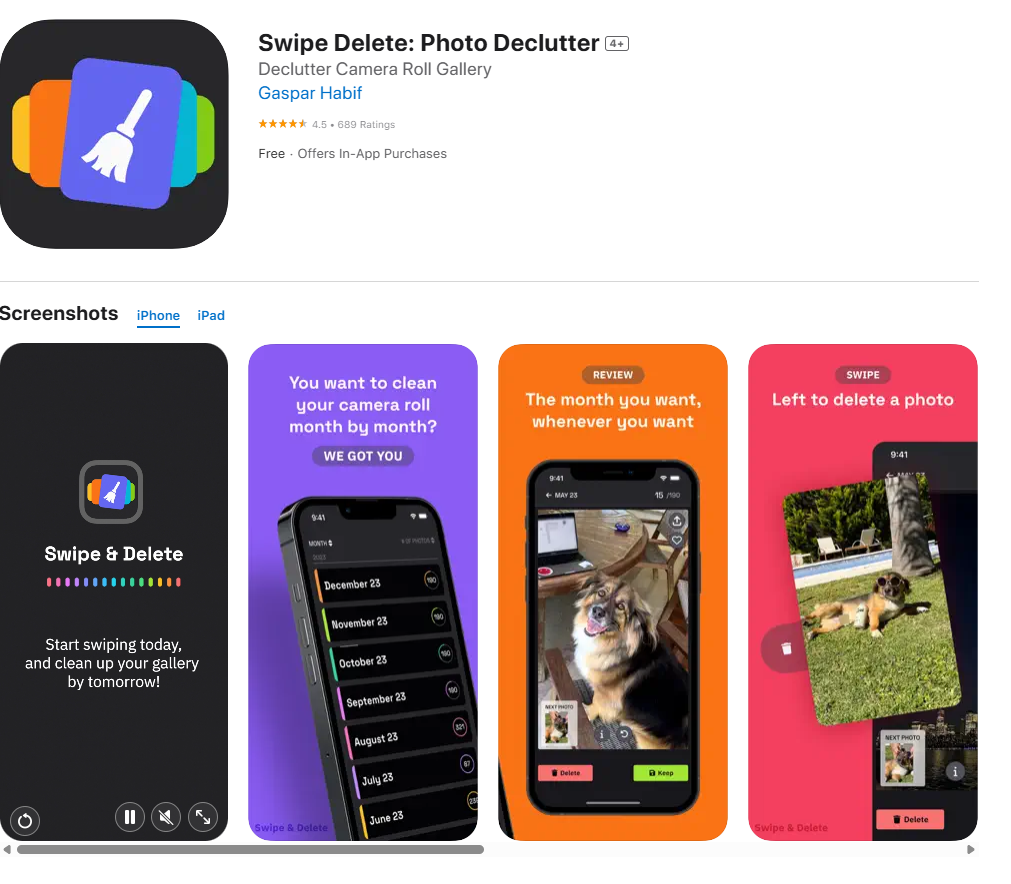
https://apps.apple.com/us/app/swipe-delete-photo-declutter/id6477321134
Swipewipe Photo Cleaner
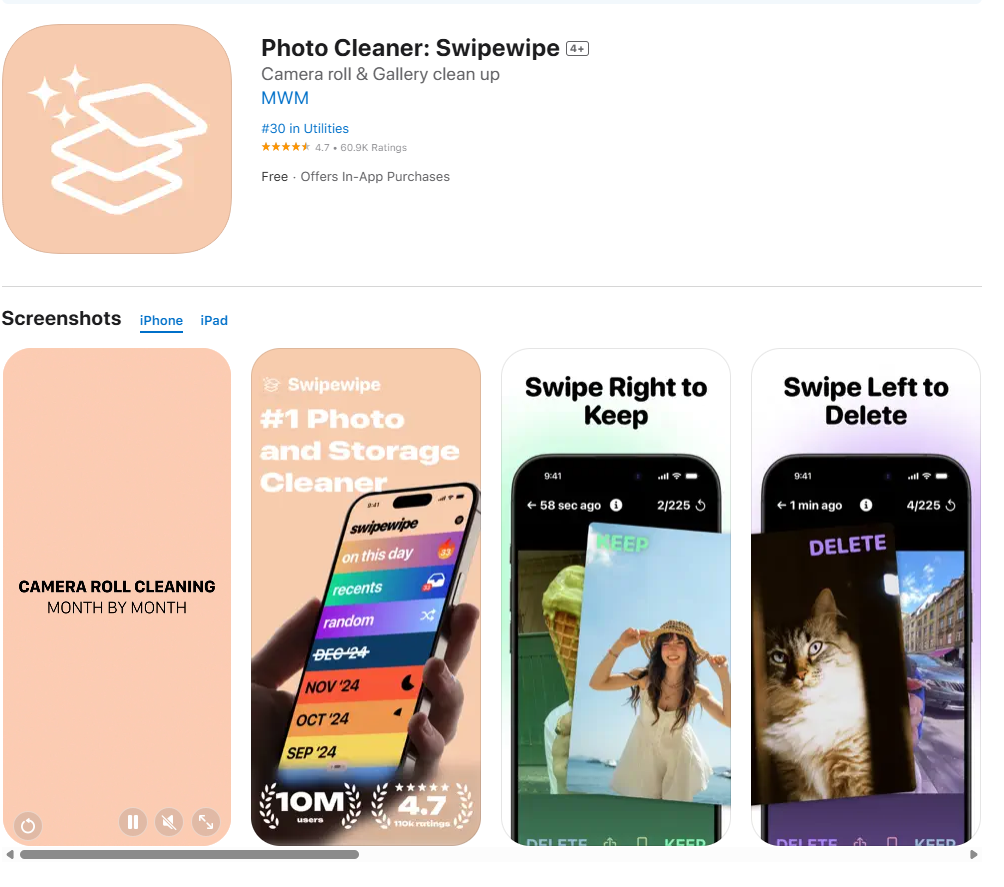
https://apps.apple.com/us/app/photo-cleaner-swipewipe/id1583884012
Slidebox: Photo Cleaner App

https://apps.apple.com/us/app/slidebox-photo-cleaner-app/id984305203
Cleanup: Clean Storage Space
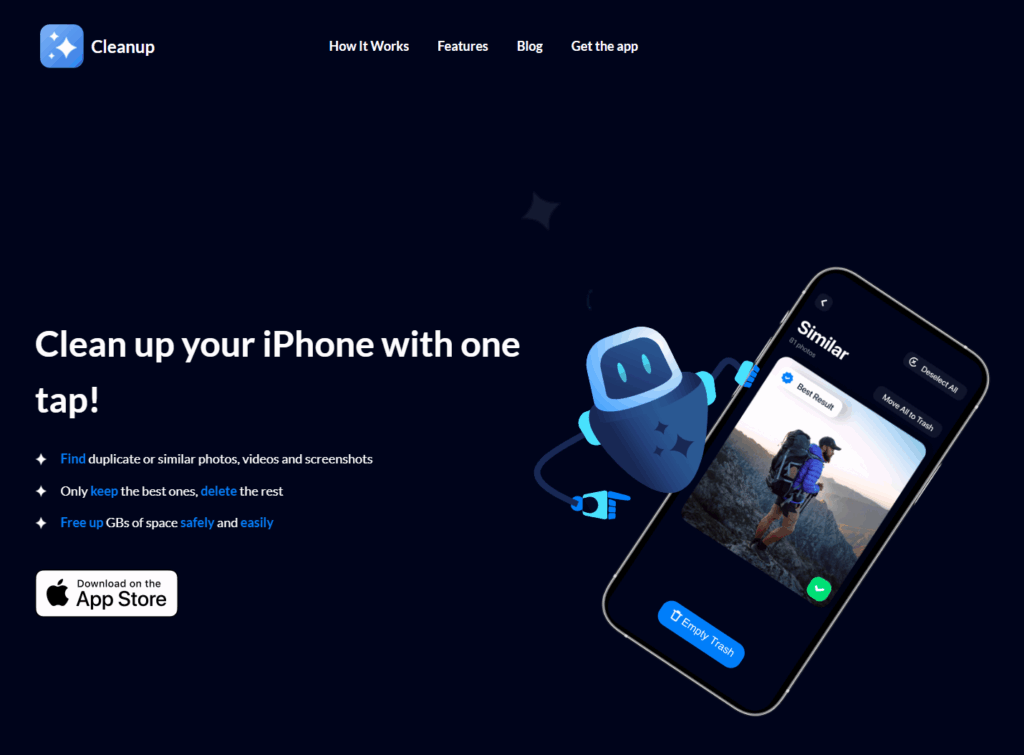
Photo Declutter (AI-powered)
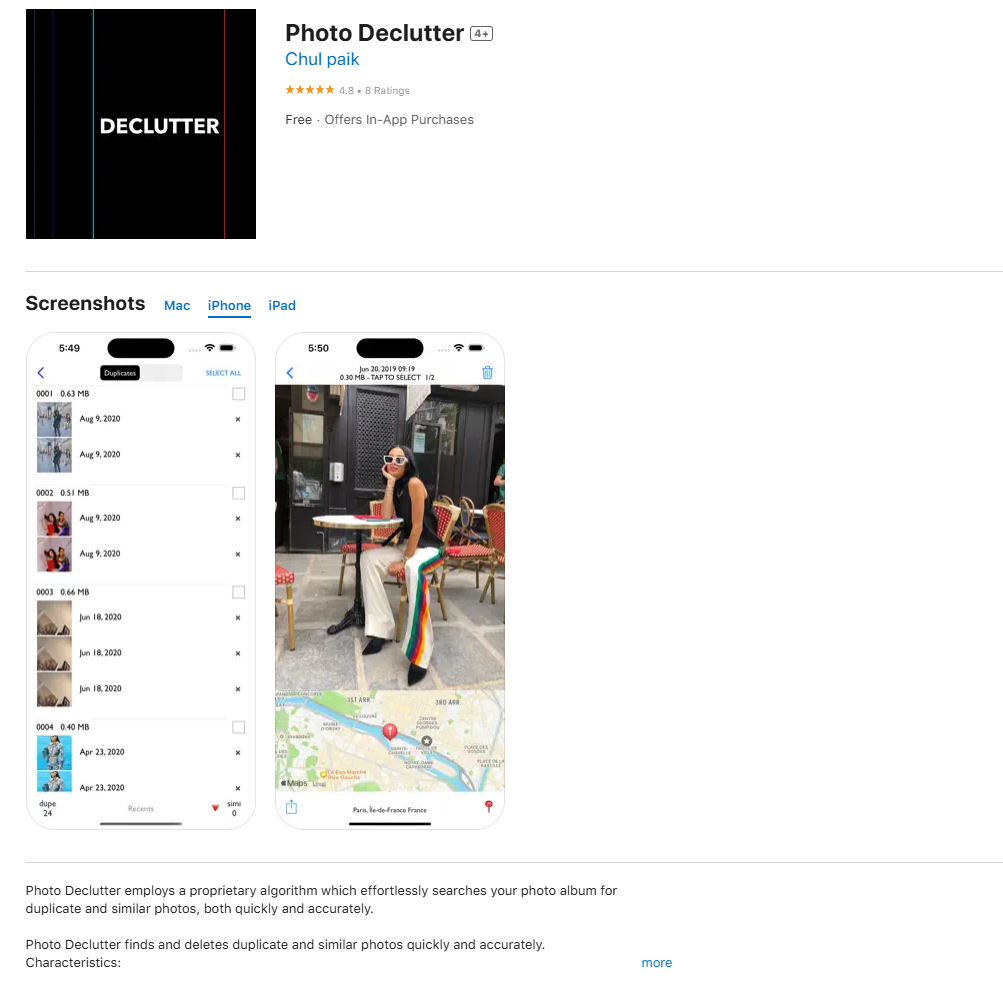
https://apps.apple.com/us/app/photo-declutter/id1469956763?platform=iphone
The Rise of the Swipe
One thing that immediately stood out was how many of these apps use swiping gestures to manage photo deletion. This “Tinder-style” interface, where you swipe left to delete and right to keep, is fast, intuitive, and clearly designed with a younger, tech-savvy audience in mind. Apps like Slidebox and Swipewipe make the process feel almost fun, turning a boring task into something more engaging.
While this interaction style is efficient, it also raises questions. What about older users who might find swipe-based design less familiar? And more importantly, do these fast decisions respect the emotional weight that some photos carry?
Emotional and Digital Safety
Most of the apps prioritize speed and simplicity, often at the expense of emotional context. Only Swipe Delete includes a moment to pause and reflect after mass deletions. On the other hand, Photo Declutter uses AI to identify duplicate photos, which feels less emotionally risky. You are not deciding whether a photo has meaning, just whether it’s a copy. Its interface is clean and easy to understand, making it feel approachable for more cautious users.
Another concern that came up during testing is data privacy. Sharing your entire photo gallery with a third-party app can feel risky. Who owns your images? Where are they stored? This kind of safety issue is often overlooked, but it is a very real concern for users.
Rethinking the Experience
While working through this benchmark, I started asking a bigger design question. Should the photo decluttering happen directly inside your gallery, fully integrated with your device? Or should it function more like an external memory system, where you sort photos manually, similar to storing them on a hard drive?
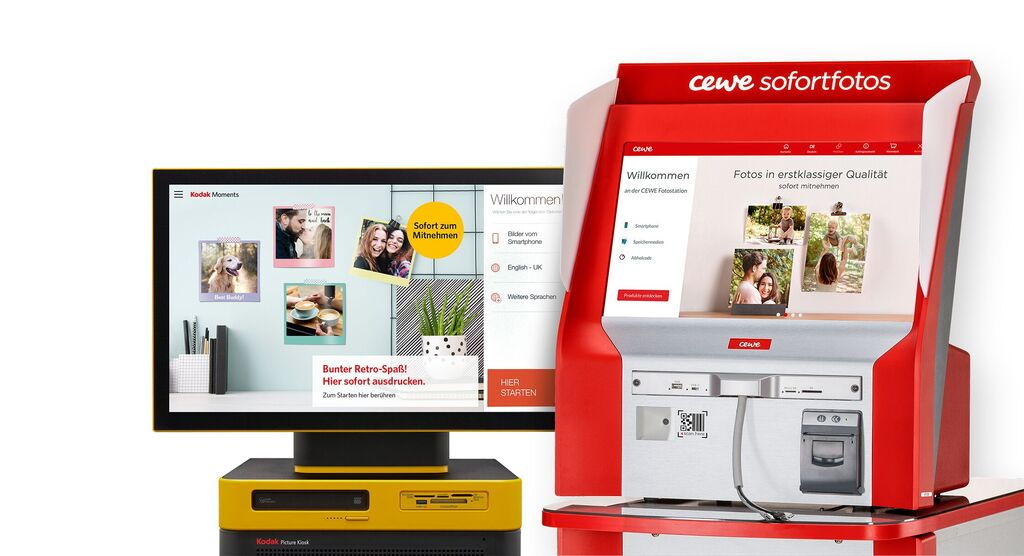
This reminded me of photo printing kiosks, like the ones at DM drogerie stores. When you connect your phone, the photo gallery is immediately accessible on the screen, and selecting pictures feels simple and clear. Maybe I should also explore and benchmark this kind of interface, where physical interaction connects directly with digital memory.
Final Thoughts
Decluttering digital photos is not only about creating more space. It is about deciding what is worth keeping. Most of today’s apps focus on speed and efficiency, but often overlook emotional value and safety. There is a big opportunity to design tools that are not only smart and fast but also sensitive, reflective, and secure.
