Rethinking Photo Clutter and Preservation in a Cloud-Dependent World
In our smartphone-driven world, capturing moments has never been easier. Whether it’s vacations, family milestones, or random selfies, we accumulate thousands of images in our pockets, literally. Yet, for all the photos we take, how many are meaningfully preserved? How many are even seen again?
As part of my master’s thesis preparation, I’m tackling a growing digital problem with real emotional consequences: photo clutter and the lack of reliable, long-term preservation for smartphone media. My goal is to develop an offline, easy-to-use solution that combines a digital photo frame with durable, non-cloud storage options. This blog post introduces the core problem, my research direction, and why this project matters now more than ever.
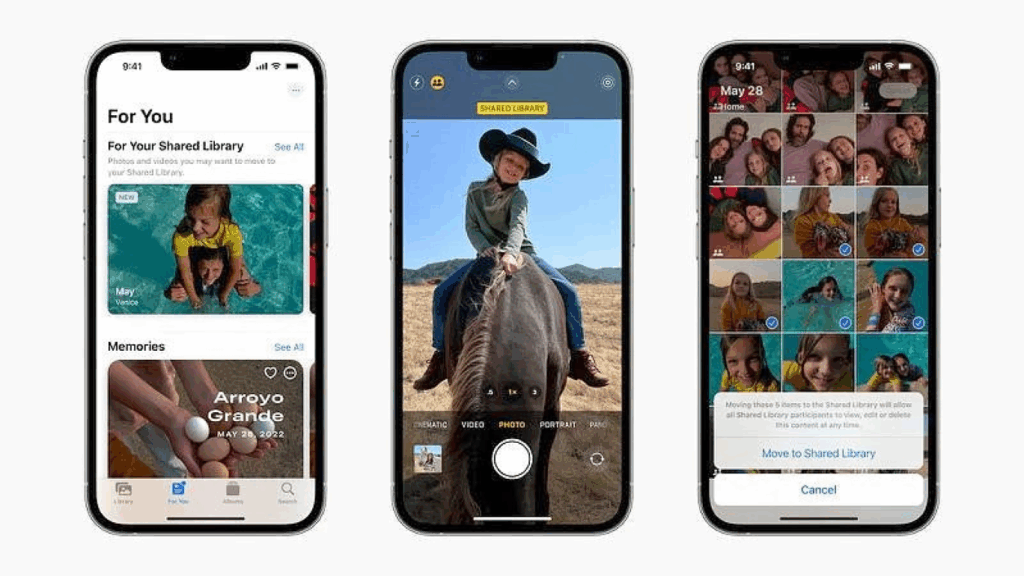
💥 The Problem: From Convenience to Clutter
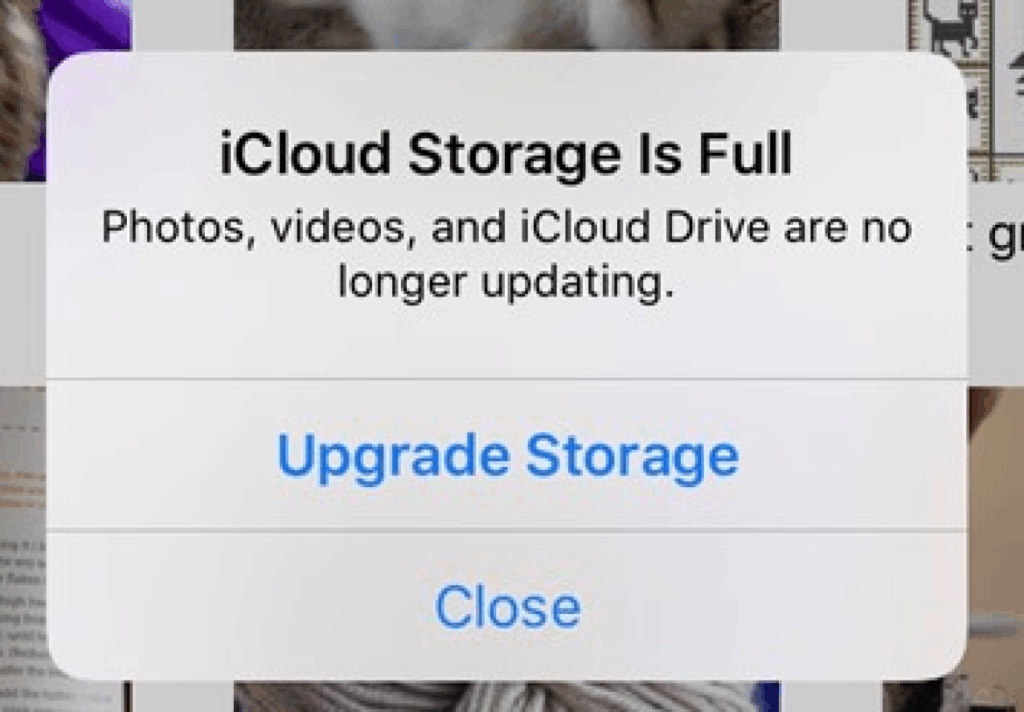
It’s estimated that over 1.8 trillion photos will be taken globally in 2025. The average smartphone user takes over 20 photos a day. The term “photo clutter” captures this digital overload: scattered images across phones, hard drives, cloud accounts, and social media. In a 2022 study by Norberg et al., people reported feeling overwhelmed by their disorganized digital collections and unsure how to manage or preserve them long term.
What happens to these memories when devices fail, subscriptions expire, or cloud services shut down?
Key risks include:
- Cloud dependency: Privacy concerns, recurring costs, and uncertainty about future access.
- Short-term storage hardware: HDDs and SSDs degrade over time. Smartphones are easily lost or reset.
- Neglect of preservation: Most users don’t actively back up or archive their content — they rely on passive syncing.
Despite the importance of our digital memories, we often lack intentional, long-term solutions to safeguard them.
🧠 The Opportunity: A Digital, Self-Contained Photo Album
Inspired by this problem, I asked: Can we build a device that behaves more like a traditional photo album, something reliable, physical, and built to last, but in a digital form?

In my proposed solution:
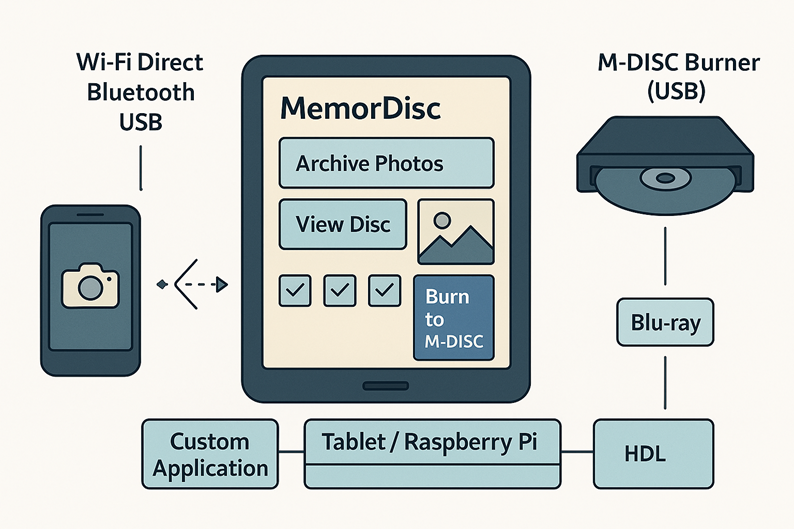
- A standalone device (e.g., tablet or embedded screen) serves as the display and interface.
- Offline storage — either a connected NAS (Network Attached Storage) system for everyday access, or M-DISCs for archival use — holds the photo collections.
- Users can easily transfer media from smartphones without relying on internet access.
- The system is designed with simplicity in mind: no subscriptions, no software updates, no tech maintenance.
This idea offers a tangible way to disconnect from the cloud and build an intentional archive a digital equivalent of the family photo box.
🔒 Why Offline? Privacy, Permanence, and Control
Privacy scandals, data breaches, and the impermanence of digital services raise valid concerns about trusting the cloud with intimate family archives. While cloud backups are convenient, they are not built for long-term cultural memory.
M-DISCs, for example, offer an impressive promise: data permanence for up to 1,000 years under optimal storage conditions. Unlike traditional discs, they use a rock-like recording layer that resists light, humidity, and magnetic damage. NAS systems, while not eternal, provide redundant local storage with more control than third-party services.
This project takes inspiration from data hoarders, digital minimalists, and privacy-conscious users who prefer to own their data, not rent access to it.
For my thesis, I’ll explore both the technical feasibility and human-centered design aspects of this system. Key areas of focus include:
- User research: Understanding attitudes toward photo archiving, privacy, and device usability.
- Technology evaluation: Reviewing the lifespan and reliability of storage media (e.g., SSDs, HDDs, M-DISCs, NAS).
- Prototyping user flows: How a user transfers, stores, and views their media – to be visualized in tools like Figma.
- Ease of use: Ensuring non-technical users can operate the system without frustration.
By combining technical research with design thinking, the goal is to create something both functional and emotionally meaningful. A sustainable, private space for our most treasured memories.
Selected Sources
- Norberg, A., Kim, S. H., & Wilner, A. (2022). Digital Photo Clutter: Reasons, Consequences and Strategies. Computers & Security, 115. ScienceDirect
- Neave, N. et al. (2019). Understanding Digital Hoarding: A Qualitative Exploration. Computers in Human Behavior, 101, 167–174.
- Mahmoud, H. A. (2018). Storage Devices Reliability Prediction Model Using Failure Distribution and Artificial Neural Networks. Library Hi Tech, 36(4), 547–566. https://doi.org/10.1108/lht-06-2017-0117
- Pinheiro, E., Weber, W.-D., & Barroso, L. A. (2007). Failure Trends in a Large Disk Drive Population. Google Research. Link
- OAPEN Library. Digital Photography and Everyday Life. https://library.oapen.org/handle/20.500.12657/60708
💬 Final Thought
This project isn’t just about technology , it’s about how we preserve the stories of our lives. As we move deeper into the digital age, we need better answers to a simple question: What happens to our memories when today’s technology becomes tomorrow’s trash?
