The speaker explained how adding simple game-like elements—things like progress bars, badges, and friendly competition—can make everyday tasks more interesting and fun. Below, I’ll walk through the key points and describe the slides they showed so you can picture how these ideas work in real life.
Why Gamification Matters
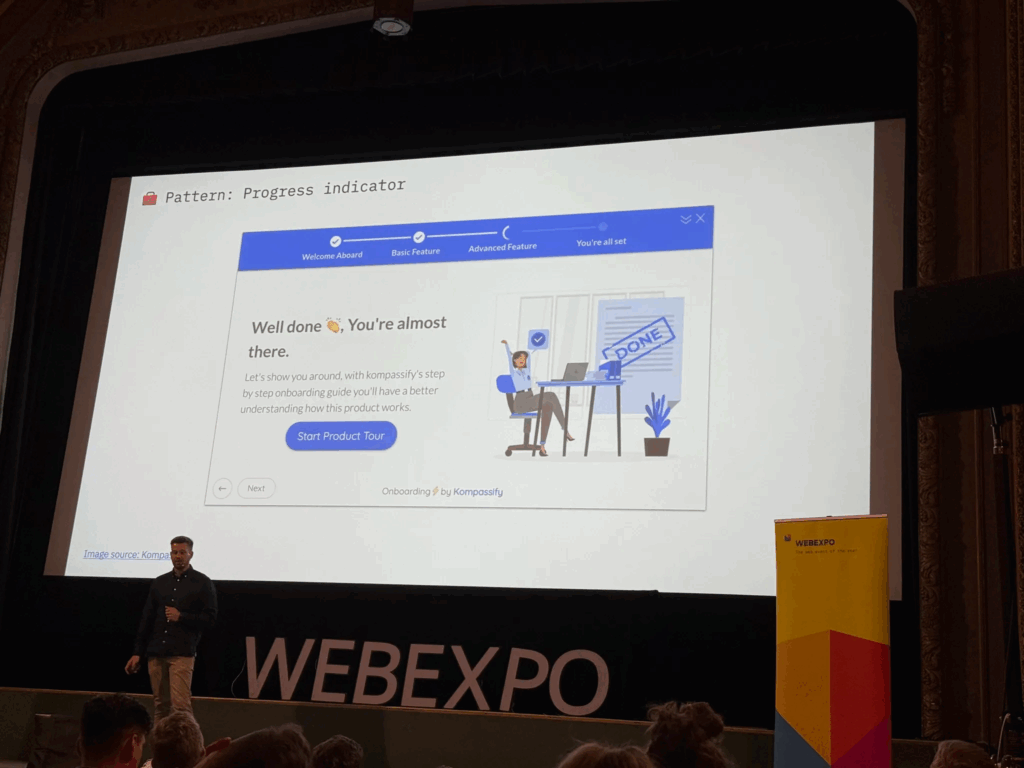
The talk began by pointing out that humans love to see progress. The first slide showed a plain horizontal bar that gradually fills in as you complete tasks. The speaker said that when you see a bar inching toward 100%, you feel motivated to keep going. Even something as simple as coloring in a bar can boost engagement—people want to finish the “game” by filling up that bar.
Common Game Elements
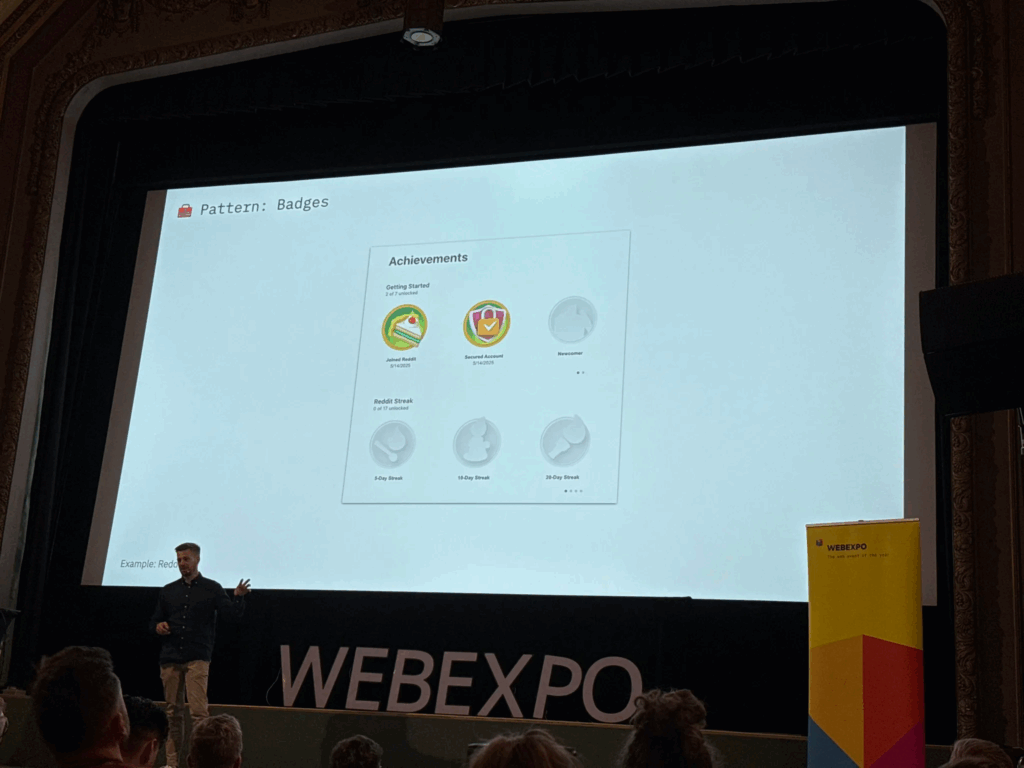
Next, the presenter gave examples we all know. For instance, Nike+ runners get badges when they hit certain mileage goals, and they can share those badges with friends. That slide showed a row of colorful badge icons, each representing a milestone like “5K Run” or “First Half-Marathon.” The speaker noted that whenever you see a badge pop up, it feels like a small victory, which encourages you to lace up your shoes and keep running.
Real Results from Research
A later slide highlighted a study from the University of Colorado. It showed two simple bars on a graph: one said “Employee Engagement +48%” and the other said “Productivity +34%.” The speaker explained that when companies added game elements to their training programs—like points for finishing modules or badges for passing quizzes—their employees became almost half again more engaged and a third more productive. Seeing those numbers side by side really drove home how powerful gamification can be.
Practical Examples in Companies
The talk moved on to how big companies use these methods. One slide displayed IBM’s badge portal, where employees earn digital badges by completing courses. The badges appeared as little icons next to each person’s name, almost like medals in an online profile. The presenter said, “When you can show off that you’ve mastered a skill, you’re more likely to keep learning and help others do the same.” It was clear that even in large organizations, a small badge system can encourage ongoing training.
Peer Recognition and Points
Another slide showed a mockup of an internal “peer-to-peer” system. In the image, you could pick a colleague’s name from a dropdown, choose “send 10 points,” and write a short note like “Great job on that report!” The speaker emphasized that giving coworkers small points for positive feedback builds a culture of recognition. Those points could be cashed in for small prizes—coffee vouchers or company swag—so people felt appreciated.
Celebrating Small Wins
Towards the end, the presenter showed an animation-style slide that said “Achievement Unlocked!” with confetti bursting out. They reminded us that when someone completes a milestone—a training module, a sales target, or even a daily habit—you should celebrate it with a pop-up or small animation. That moment of recognition makes people feel good and want to keep going.
Putting It All Together
Finally, the talk wrapped up by listing three key ingredients for gamification:
- Visual Progress: Use progress bars or charts so people can see how far they’ve come.
- Small Rewards: Give points, badges, or public praise when someone completes a task.
- Friendly Competition: Use leaderboards or let teams pick names so people feel a shared goal.
All in all, this session showed that gamification doesn’t need to be complicated. With just a few simple game pieces—like bars, badges, and leaderboards—you can turn ordinary tasks into something people want to finish.
