Reading is a universal skill, yet the way it is taught can vary significantly depending on the language and script in question. While many are familiar with how reading is taught in Latin-alphabet-based languages, such as English or Spanish, the methodologies for teaching reading in non-Latin script languages are equally fascinating and diverse.
For example: Chinese is one of the most widely spoken languages in the world, yet its writing system is fundamentally different from alphabetic systems. Instead of letters, Chinese uses characters that represent morphemes or entire words.
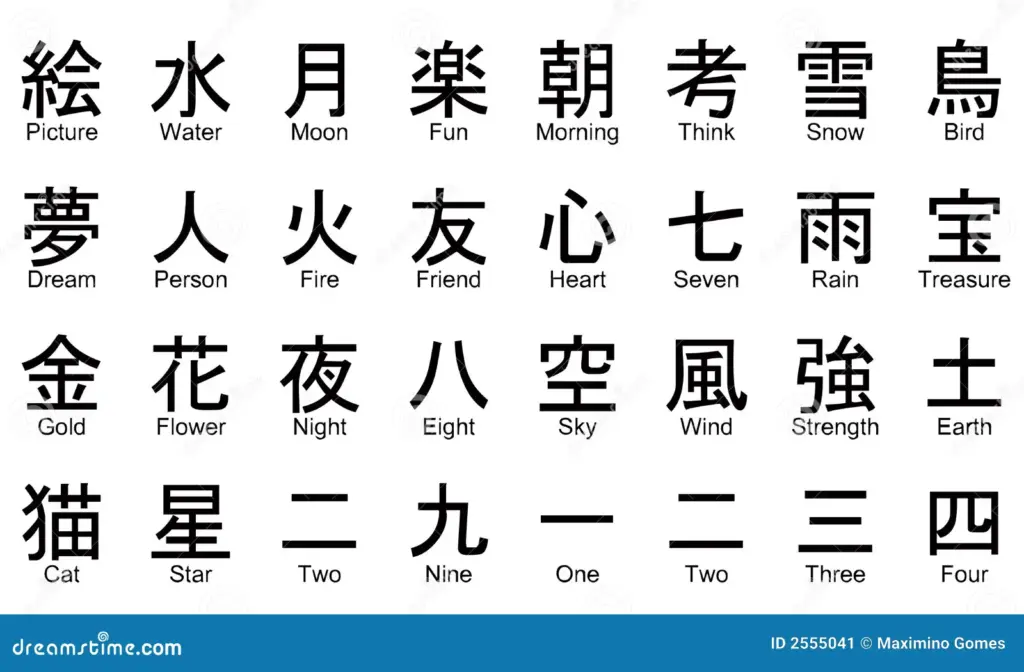
Logographic nature
Chinese characters are logograms, meaning each character represents a meaning rather than a phonetic sound. Teaching children to read involves memorizing thousands of characters and understanding their meanings and pronunciations.
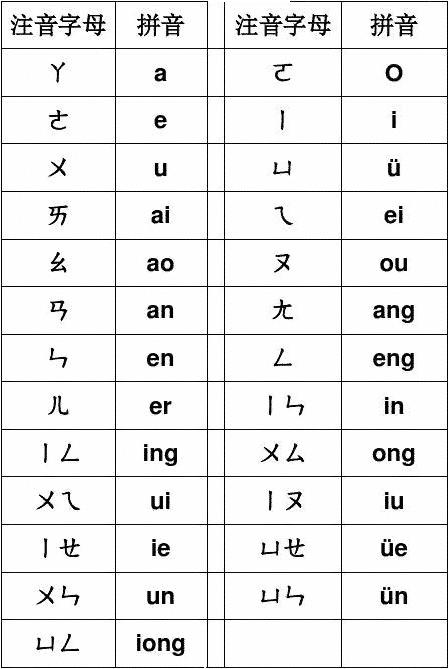
Logographic nature Pinyin System
To support early learners, Mandarin utilizes Pinyin, a romanized system that teaches the phonetic sounds associated with words. This acts as a bridge to help learners connect spoken and written language to sound words out before they master characters.
Learning to read and write in Chinese often involves understanding the stroke order and the composition of characters, which are made up of radicals that hint at meaning or pronunciation.
Different Reading Directions Across Languages
One of the fascinating aspects of global reading practices is the variation in reading direction, which shapes both cognitive processes and instructional strategies:
- Left to Right: Languages like English, Spanish, and Russian are written and read from left to right, which is the most common reading direction worldwide.
- Right to Left: Languages such as Arabic, Hebrew, and Persian are read from right to left. This requires readers to adapt their visual and cognitive orientation to process information differently.
- Top to Bottom: Traditional Chinese and Japanese texts were historically written and read vertically, from top to bottom and right to left. While horizontal text is now more common, traditional formats are still used in certain contexts, such as literature or calligraphy.
