Watching Meta Connect 2025 felt like seeing my thesis topic walk on stage. The focus was not on big VR helmets anymore but on glasses that look close to normal and are meant to be worn in everyday life. The main highlight was the new Meta Ray-Ban Display, a pair of smart glasses with a small full color display in one lens and a lot of AI power built in. They are controlled with a neural wristband that reads tiny finger movements, so you can click or scroll with almost invisible gestures.
When starting this topic I have theorized how technology going to look and have had my hopes and assumptions. A few years ago AR meant heavy hardware that you would never wear into a supermarket or furniture store. Now the vision is a pair of sunglasses that weigh about as much as regular glasses, can show simple overlays in your field of view and are designed to be worn on the street, in a shop or on the couch. The technology is still expensive and early, but watching the keynote made it very clear that the direction is: smaller, lighter, more normal looking, and more tightly connected with AI.
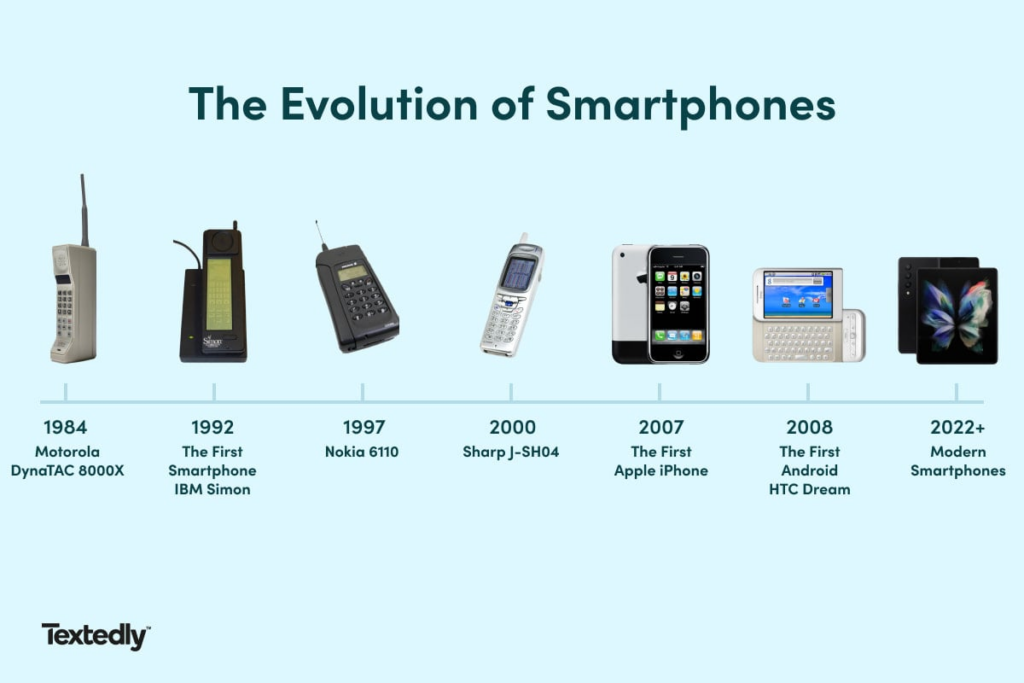
It could be compared to evolution of the phones and technology in general how our everyday devices moved from being heavy and bulky to light and portable and also with having speculations such as it’s not needed we can come to vision that everyday said we do not need phones because we have laptops but technology advances and we find new ways where we interact with the world.
What I Learned About AR From The Event
The first learning is about form factor. The Ray-Ban Display does not try to turn your whole field of view into a digital world. It uses a compact display area to show only what is necessary: navigation hints, messages, short answers from Meta AI or the title of a song that is playing. Instead of replacing reality, it adds a thin layer on top of it.
The second learning is about interaction. The neural wristband is a good reminder that people do not want to wave their arms in public to control AR. In real environments like a festival, a museum or a supermarket, subtle gestures or simple taps are much more realistic.
The third learning is the merge of AI and AR. The glasses are clearly designed as AI first devices. They can answer questions, translate speech, caption what you hear and see, and then present this information visually inside the lens.
Technology Getting Smaller And More Accessible
Another strong theme in Meta Connect is how quickly the hardware is trying to become socially acceptable. Earlier devices were clearly gadgets. These glasses try to be fashion first, tech second. They look like familiar Ray-Ban frames instead of a prototype. The same is true for battery life and comfort. The promise is that you can wear them for several hours without feeling like you are in a lab experiment.
Why Meta Connect Matters For My Thesis
Meta Connect 2025 confirmed that my scenarios for AR in retail are not just science fiction. The building blocks are emerging in real products: lightweight glasses, AI assistants, subtle input methods and simple overlays instead of full virtual worlds. For my master’s thesis this is both motivating and grounding. It tells me that the interesting design work is no longer about asking if AR will be possible in stores, but about shaping how it should behave so that it actually helps people shop, learn and navigate without stealing the spotlight.
Technology should become smaller, calmer and closer to everyday objects, so it can quietly support what people already want to do in physical spaces. Not to replace those spaces, but to make moving through them a little clearer, smarter and more human.
Links
Official Meta recap of the Connect 2025 keynote (Ray-Ban Display, Neural Band etc.)
Meta Connect 2025 – AI Glasses And Ray-Ban Display Meta
Meta product page for Ray-Ban Meta smart glasses (for specs and positioning)
Ray-Ban Meta Smart Glasses – Meta Meta
General info / news listing around Meta smart glasses and AI wearables
Meta – Newsroom / Ray-Ban Meta Announcements
AI Disclaimer
This blog post was polished with the assistance of AI.
