I recently read the book Design Against Design by Kevin Yuen Kit Lo. It was a really good read and I learned a lot about design and the power it holds. Tho a lot of points made are obvious, most of the time we Designers dont think about them that much. Its important to hear them again and again to remember what power design holds.
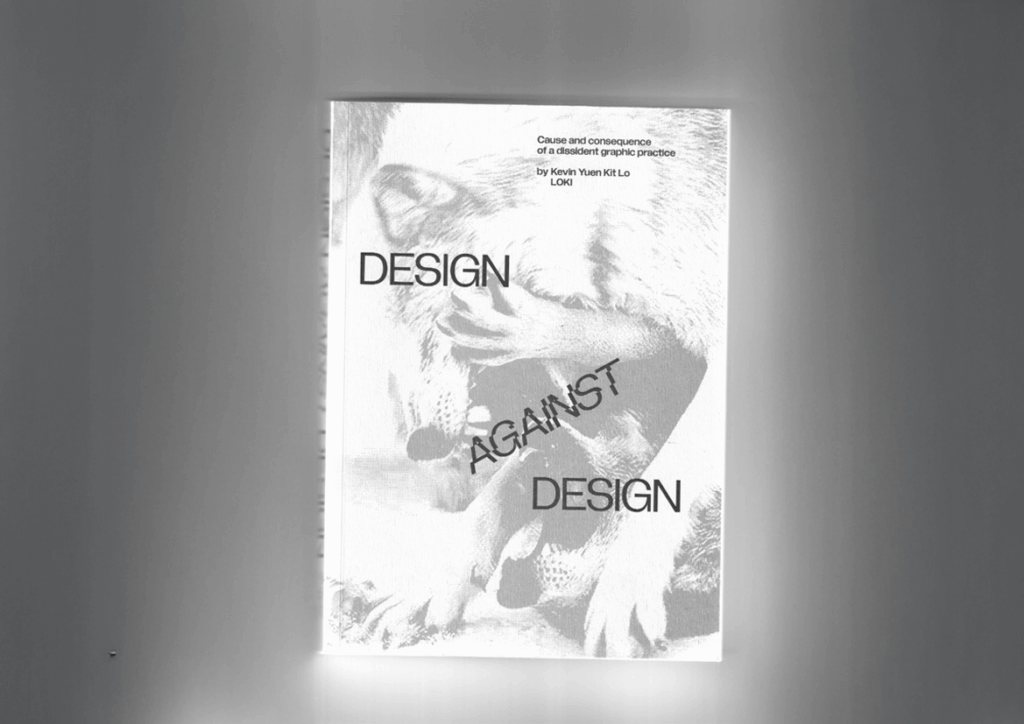
In the book, Lo writes about how graphic design often ends up reinforcing the very system it claims to critique. He writes about the tension between wanting to work in solidarity with social movements while operating within an industry built on commodification. The designer, he says, has to confront the reality that every aesthetic choice sits inside a political and economic structure. True resistance is less about producing “radical-looking” visuals and more about participating in relationships, communities, and struggles that exist outside of commercial design. For him, design becomes meaningful only when it serves collective goals rather than brand visibility or personal authorship.
After finishing the book and thinking about topics for my thesis I sat down again and tried to distill my key learnings from the book. Here are six points I found to be very helpful for myself.
Design is never neutral
Lo insists that graphic design always takes a position because it mediates language, visibility, and voice, even when it claims to be “just” functional.
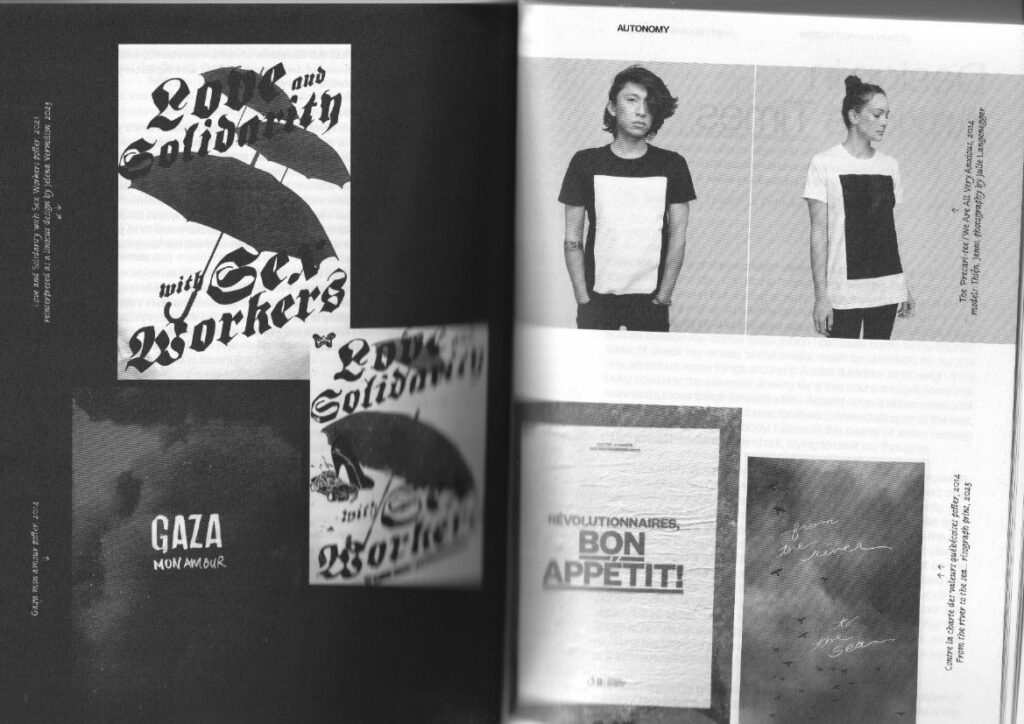
“Socially engaged” work is structurally constrained
The book shows how client relationships, funding models, and institutional contexts limit how radical a design practice can be, even when it works with progressive causes.
Dissident practice is about relationships, not just aesthetics
Lo frames dissident graphic practice as a way of working with movements over time: building trust, sharing risks, and recognizing the designer as one collaborator among many rather than a neutral expert.
Materiality and production matter politically
The book links politics to the material conditions of design: how things are printed, circulated, and produced, and how those choices intersect with labor, scarcity, and access.
Autonomy is partial and negotiated
Lo is critical of romantic ideas of the fully autonomous radical designer; instead, he describes autonomy as something limited, negotiated inside real economic and institutional constraints.
Formal experimentation can be tied to struggle
The book connects typographic and layout experimentation to political and emotional conditions: dissonance, urgency, refusal, solidarity, and care.
Relation to web design practice
As Im very much into web design and as it looks right now – this will also be the outline topic for my thesis, I wanted to connect these learnings, coming mainly from a graphic design stand point, to web design.
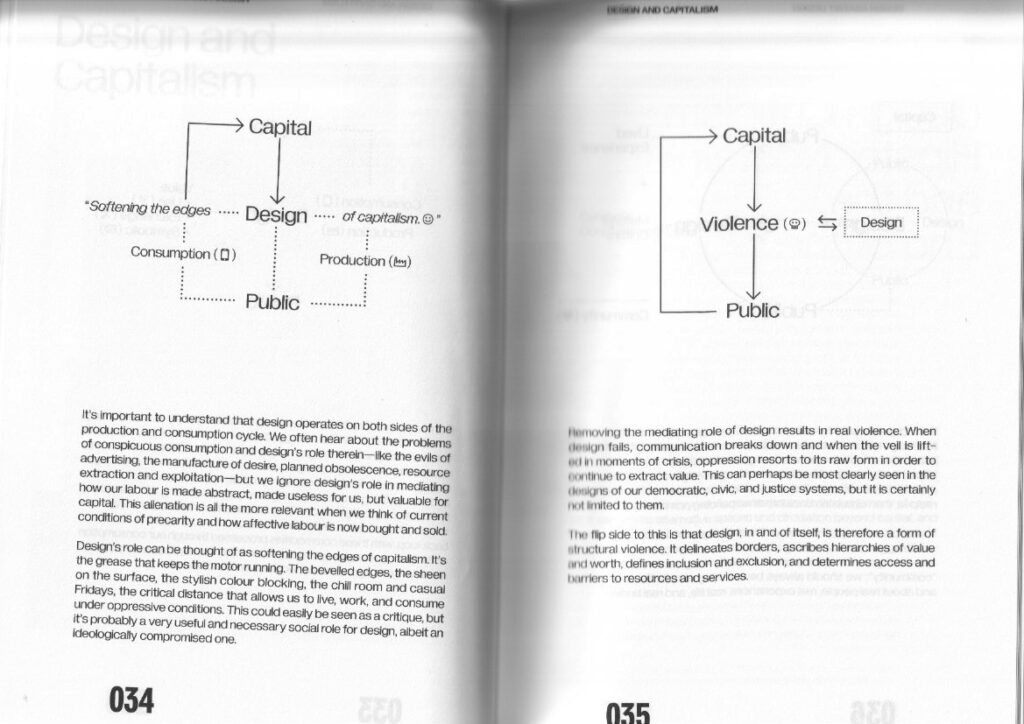
Design Against Design encourages treating the website not just as an interface but as an arena where power, labor, and community are negotiated through form. It invites designers to question supposedly “standard” patterns—dark patterns, extractive tracking, engagement‑at‑all‑costs—and to explore dissident alternatives that foreground accessibility, mutual aid, and situated narratives, even when that means resisting established best practices or business metrics.
Lo, K.Y.K. (2024) Design against design: cause and consequence of a dissident graphic practice. Eindhoven: Set Margins.
AI was used to check spelling and grammar and better clarity.
