My choice of the research paper would be a fascinating project called MuGeVI, which stands for Multi-Functional Gesture-Controlled Virtual Instrument. What really caught my attention is its core idea: letting you make music using just your hand gestures, captured by a standard computer webcam. No special gloves, sensors, or expensive extra hardware needed.
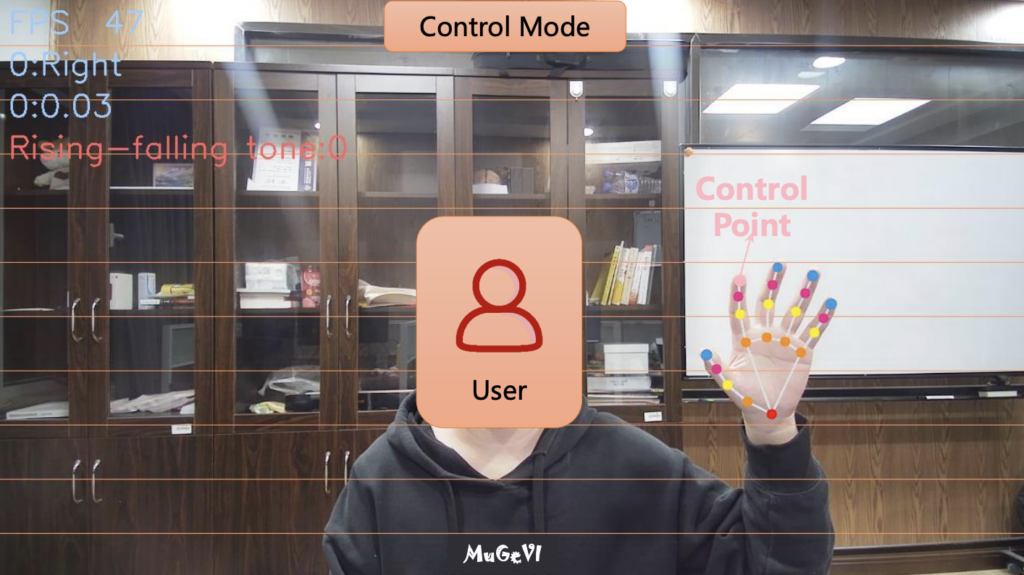
To me, this is incredibly exciting. Think about it – most of us have a computer and a webcam. This project explores using that basic setup to create a musical instrument. It feels like a big step towards making experimental music technology more accessible to everyone. Instead of needing specialized gear that can be costly or hard to find, MuGeVI uses software to watch your hands and turn those movements into music. This could be fantastic for schools, hobbyists just wanting to try gesture control, or even potentially for people with physical limitations who find traditional instruments difficult to play. Lowering the barrier to entry like this is always a good thing in my book.
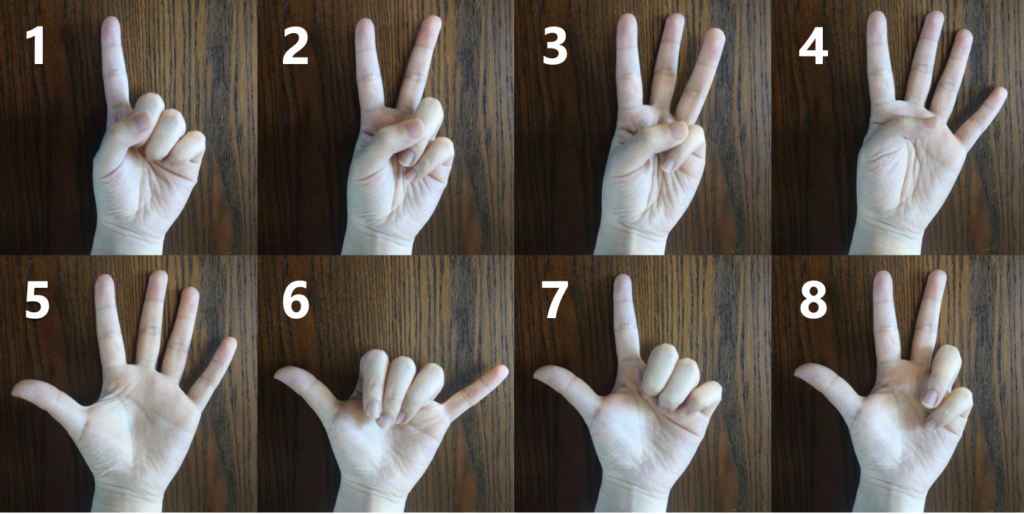
Here are Gestures recognized by the software.
The system seems quite versatile, too. It’s not just a one-trick pony. The creators designed different modes for different musical tasks:
- You can essentially play notes in the air, like an “Air Piano,” triggering sounds based on where your hand is and a simple finger-touch gesture.
- You can use specific hand shapes to control background music, like chords and accompaniment patterns.
- You can use the position of your finger to adjust things like the pitch or volume of music already playing.
- You can even control audio effects in real-time – the example given was using your finger height to control a “wah-wah” effect on an incoming sound signal.
This variety shows a lot of thought went into making it a potentially useful tool for different kinds of musical expression.
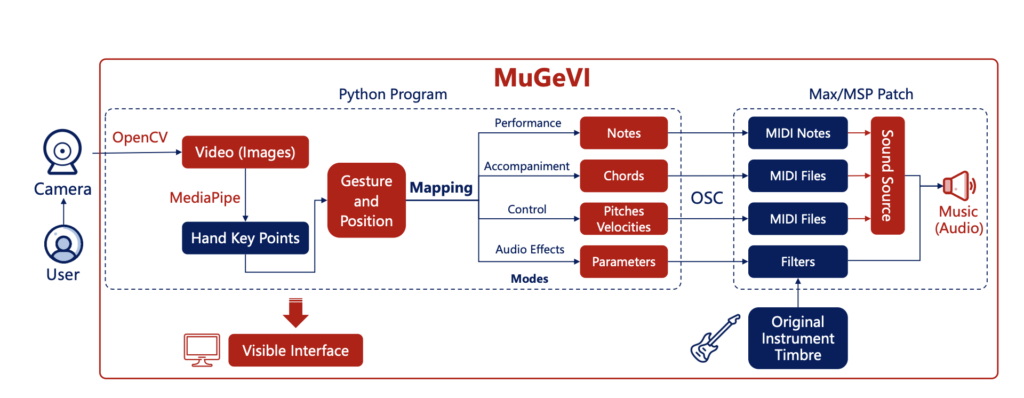
However, after analyzing the architecture of the software, as cool as the concept is, I can see some practical challenges based on the review. Relying purely on a webcam means things like lighting conditions or even just a messy background might affect how well it tracks your hands. Getting glitches or inaccurate responses would definitely be frustrating when trying to make music.
There’s also the physical side. Holding your hands up and making gestures for a long time could get tiring. And, importantly, you don’t get any physical feedback – that feeling of touch, resistance, or vibration you get from a real instrument. That lack of tactile feel might make it harder to achieve really fine control or feel truly connected to the instrument. I also noted that the mode for playing backing tracks seemed a bit rigid, locked to one speed, which might limit creativity in some situations.
Despite these potential hurdles, the creators seem aware of them and have plans to improve and expand MuGeVI, like adding more controls and making it more expressive.
Overall, my impression is really positive. MuGeVI feels like a genuinely innovative project that tackles the important issue of accessibility in music technology head-on. It shows the power of using readily available tools in creative ways. While it might still need refinement to be perfectly robust and expressive for demanding performances, the direction it’s heading in – making gesture-based music creation open to more people – is something I find truly inspiring. It’s exciting to see technology being used not just to create complex new hardware, but also to make powerful creative tools available using the tech we already have.
