Bouldering, at its core, is a problem-solving activity as much as a physical one. Climbers need to interpret routes, assess holds, and navigate a path to the top—all within seconds of visual inspection. From a designer’s perspective, the challenge lies in conveying critical information effectively to climbers, whether they are indoors at a gym or outdoors on natural rock. The goal is to create an intuitive experience that enhances the climber’s ability to understand, engage with, and navigate boulders with ease.

Key Elements to Consider in Bouldering Design
- Route Identification and Communication
Climbers need to identify specific routes or “problems” quickly. A well-designed route should convey its intended difficulty and path without requiring excessive interpretation. Here’s how designers can achieve this:- Color Coding: Assigning colors to holds or tape for each route is a widely used method in climbing gyms. Bright, contrasting colors ensure visibility and prevent confusion with adjacent problems.
- Grading Systems: Displaying a clear grade (e.g., V-scale or Fontainebleau) provides climbers with an immediate sense of the difficulty level. Using universally recognized symbols and minimal text prevents cognitive overload.
- Hold Shapes and Textures: Designers can use shape and texture variations to signal difficulty. Rounded, slippery holds often signify advanced problems, while larger, textured holds suggest easier routes.
- Visual Mapping and Flow
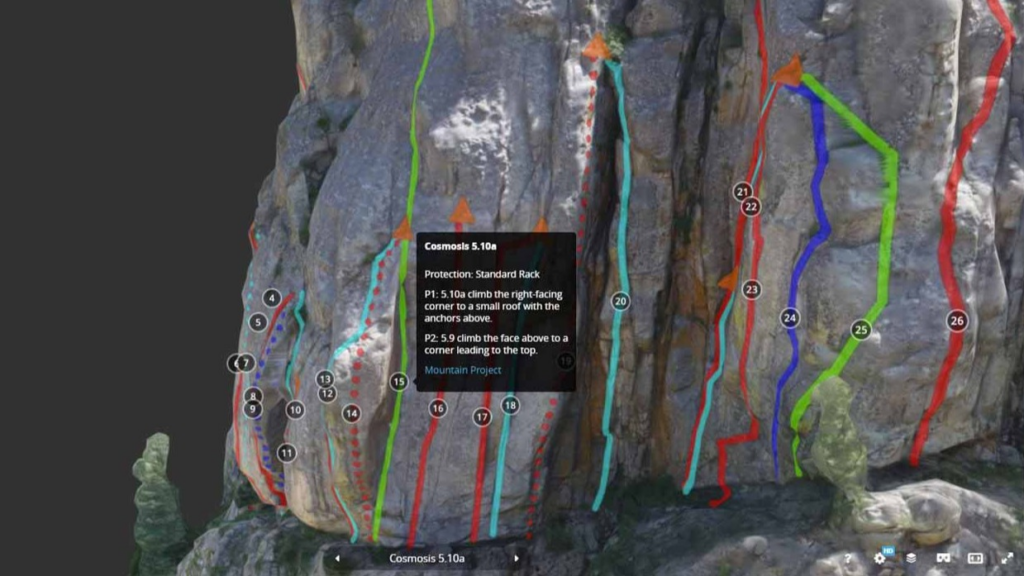
For outdoor bouldering, climbers often rely on guidebooks or digital maps. Designing intuitive, user-friendly interfaces is crucial:- Topographic Markers: Including visual cues like arrows or diagrams on maps helps climbers understand the orientation and approach to a boulder.
- Digital Enhancements: Mobile apps that use GPS to pinpoint boulder locations, overlay climbing routes, and provide augmented reality (AR) overlays can significantly improve accessibility.
- Route Names and Descriptions: Context-rich descriptions with visual tags (e.g., start holds, crux sequences) help climbers mentally prepare for the problem.
- Environmental Factors
Outdoor bouldering introduces variables like lighting, weather, and terrain. Designers can minimize these challenges by integrating natural and artificial elements:- Markers for High-Traffic Areas: Durable, eco-friendly signs or painted symbols near popular boulders can reduce confusion while preserving the environment.
- Visibility: In shaded or low-light areas, reflective or glow-in-the-dark markers could enhance visibility.
- Human-Centered Safety and Feedback Design
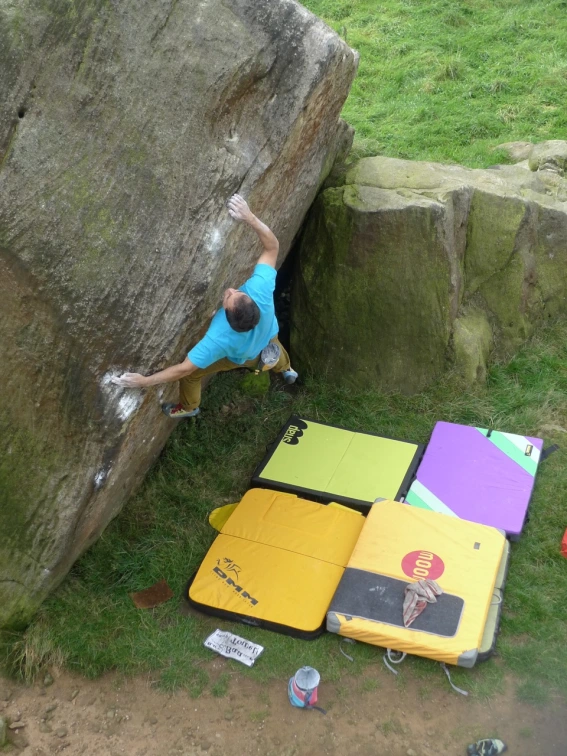
Safety is paramount in bouldering. Providing clear feedback on danger zones or fall risks allows climbers to make informed decisions:- Crash Pad Placement Guides: Visual indicators or AR overlays in outdoor apps can suggest optimal crash pad placement for high-risk sections.
- Problem Exit Indicators: Including markers to indicate safe descent routes after topping out ensures climbers navigate down safely.
- Educational Visuals and Signage
Especially in gyms or beginner-friendly areas, informative signage can demystify bouldering concepts:- Technique Tips: Visual guides explaining body positioning, grip types, or efficient movement can support learning.
- Community Guidelines: Clear, engaging signs about gym etiquette, grading explanations, and safety rules foster a welcoming and safe environment.
Design Beyond Aesthetics: Usability Meets Performance
In bouldering, the design isn’t just about aesthetics; it’s about functionality and clarity. Whether creating climbing holds, maps, or signage, every element should enhance the climber’s ability to engage with the sport. By combining visual design principles, human-centered interaction, and scientific insights, designers can ensure bouldering becomes not only more accessible but also more enjoyable for climbers of all skill levels.
Bouldering is more than climbing—it’s an experience shaped by the synergy of environment, design, and human effort. Thoughtful design empowers climbers to focus on what they love most: solving problems and reaching new heights.
