My research on major European and American events shows that, much like in Asian and African events, many of these events maintain a consistent corporate identity (CI) or logo language over time, with minimal changes. Unlike events that adapt to different host countries or cultural contexts, these events tend to preserve their core visual identity, using it as a recognizable symbol for their brand.
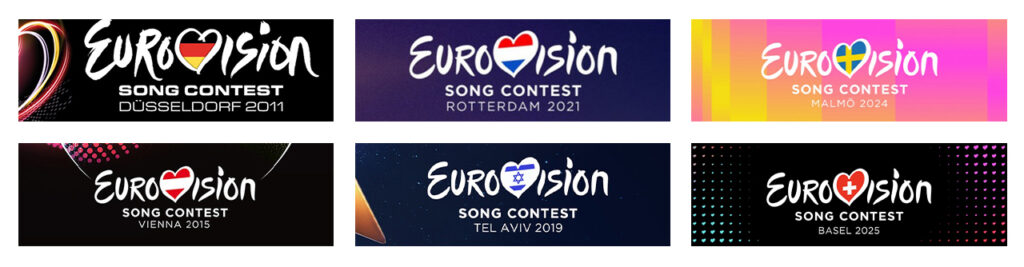
For example, festivals like Coachella and Tomorrowland rely on their iconic designs to create continuity and global recognition, making only minor updates such as color variations or seasonal design tweaks. Similarly, the Eurovision Song Contest modifies small elements—such as incorporating a heart in the host country’s flag colors—but its main logo remains constant.
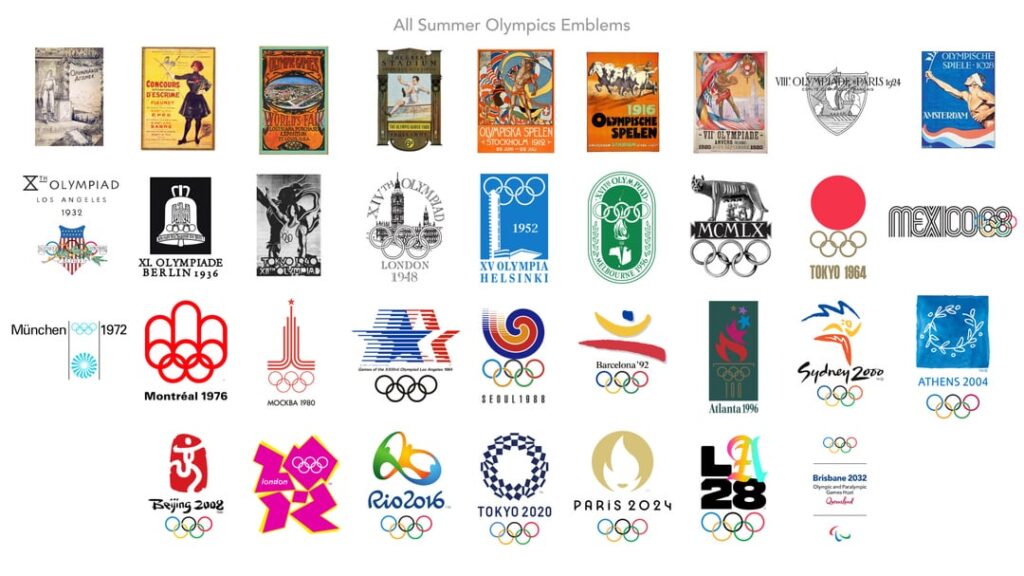
In contrast, a smaller but significant number of events exhibit a dynamic approach to design, often influenced by the need to reflect diverse cultural settings or shifting societal trends. Sporting events like the Olympic Games and the FIFA World Cup redesign their visual identity for every edition, incorporating the culture and aesthetics of the host nation. This approach creates a unique identity for each event while maintaining an overarching theme that ties back to the global brand. Similarly, international gatherings like Climate Conferences (COP) or the G7 Summits adapt their visual themes to reflect pressing societal issues such as sustainability, innovation, and global collaboration, while also acknowledging the cultural nuances of the host region.
Overall, the evolution of designs in European and American events reflects a dichotomy between stability and adaptability. Events with strong cultural or brand roots often prioritize recognition and continuity over change, while globally-oriented or rotating events tend to embrace evolving design trends to capture the spirit of the host location and address contemporary issues. This balance allows some events to build long-term brand recognition while others use design as a flexible tool to engage audiences in a dynamic and relevant way.
