As social media has developed, TikTok has become a revolutionary tool for musicians seeking to advertise their music. The platform, through its short-form video format, allows artists to connect directly with fans by creating engaging, bite-sized music videos that can go viral and boost streams. The days when radio play or conventional advertising were the only options are over; TikTok is the platform, and mini music videos are the act. Consider the triumph of Megan Thee Stallion’s “Savage.” Due to a user-generated dance challenge that ignited millions of reproductions, the song became a viral TikTok phenomenon. The choreography, which was both uncomplicated and lively, enabled users to participate and personalize the song, thus transforming it into a cultural phenomenon. This organic engagement helped elevate the song to mainstream success, with its popularity spilling over into streaming platforms and the Billboard charts.
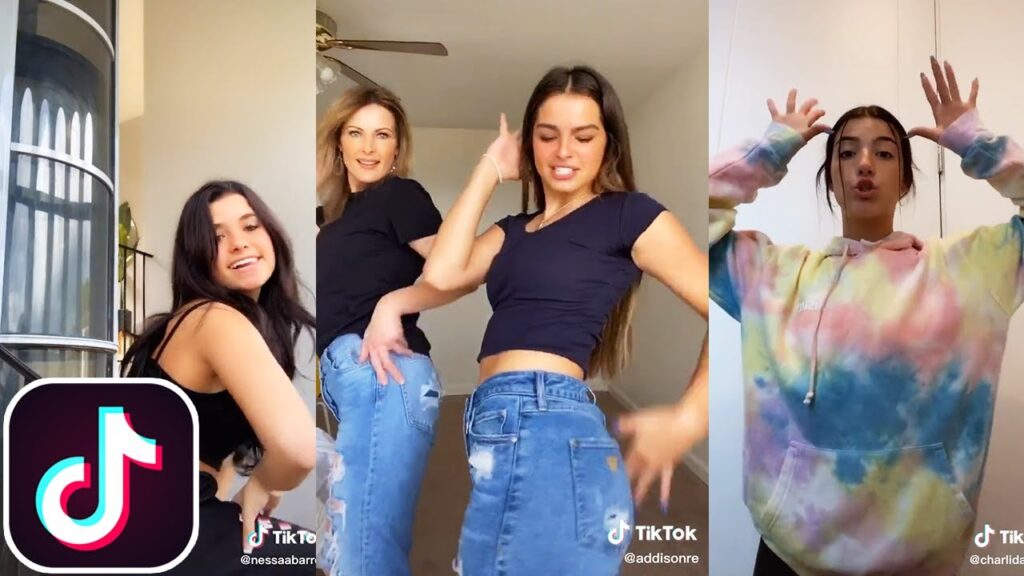
Sosa La M’s track “Butcher” offers another example of how rappers are utilizing TikTok to promote their music. The artist posted a series of mini music videos that showcased creative transitions and gritty street visuals, encouraging fans to create their own versions. This strategy didn’t just boost streams—it solidified Sosa La M as a fresh voice in the rap scene, thanks to the platform’s viral potential.
Rappers like Saweetie have also found success on TikTok, where her track “Tap In” became a favorite for fitness and lifestyle creators. The song’s catchy beat and empowering lyrics inspired users to pair their workouts, outfits, and achievements with the track, making it a staple on TikTok’s For You page. This grassroots promotion turned “Tap In” into an anthem for a wide audience while increasing Saweetie’s visibility as a multi-faceted artist.
What makes TikTok unique is its focus on creativity and participation. Musicians no longer need to rely on high-budget music videos; instead, they can release snippets of their songs accompanied by simple visuals or challenges. Rappers such as Jack Harlow have leveraged this by sharing behind-the-scenes footage or snippets of unreleased songs, sparking anticipation and engagement from fans.
TikTok’s duet and stitch features add another layer of engagement, allowing fans to interact directly with an artist’s content. A recent campaign by rapper Flo Milli encouraged fans to duet her mini music video for “Conceited,” turning TikTok into a collaborative platform. This level of interactivity strengthens the bond between artists and their audience, making fans feel like active participants in a song’s success.
The business impact of TikTok’s music videos is undeniable. Songs that go viral on TikTok often experience significant increases in streams on platforms like Spotify and Apple Music. Additionally, TikTok’s built-in analytics allow artists to track the performance of their music in real time, refining their strategies based on what resonates with users.
However, leveraging TikTok is not without challenges. The platform’s algorithm often prioritizes trends over artistic depth, potentially pressuring musicians to create music that’s more “TikTok-friendly” than authentic. Additionally, the rapid pace of TikTok trends means that songs can quickly fade from popularity, making it difficult for artists to sustain long-term success.
Despite these challenges, TikTok remains a powerful tool for music promotion. By embracing the platform’s unique features and focusing on authenticity, musicians can use mini music videos to not only promote their songs but also build lasting connections with their audience. From catchy dance challenges to emotional storytelling, TikTok’s influence on the music industry is undeniable, and its impact is only growing.
References
- Brown, L. (2023). The power of authenticity in visual media: Why raw content resonates. Journal of Media Studies, 45(3), 112-128.
- Johnson, K., & Lee, S. (2022). Exploring short-form video trends in music promotion: A TikTok case study. Social Media Research Quarterly, 14(2), 34-49.
- Miller, R. (2021). The challenges of adapting to TikTok trends: Artistic freedom vs. virality. Music and Media Review, 22(1), 58-72.
- Smith, J., & Sanderson, P. (2022). The streaming impact of viral music trends on TikTok. Music Industry Analytics Journal, 29(1), 76-91.
