Introduction
Typography is a cornerstone of graphic design, shaping how audiences engage with written content. Beyond aesthetics, typography plays a significant role in sustainability. Choices about typeface, font size, spacing, and color can directly influence resource consumption in both digital and print media. This post explores the concept of sustainable typography and how designers can use type to reduce environmental impact while maintaining visual appeal.
The Environmental Impact of Typography
- Ink Consumption in Print
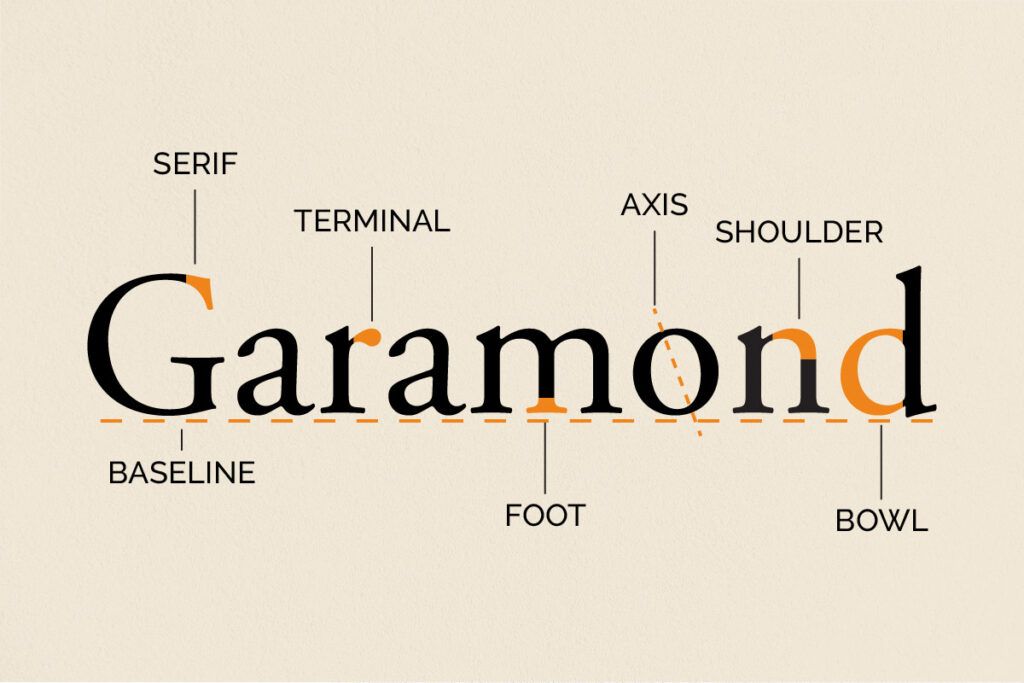
Typeface selection significantly affects ink usage in printed materials. Fonts with heavier strokes require more ink, increasing production costs and environmental impact. For example, using a font like Garamond, which has thinner lines, can save up to 25% of ink compared to bolder fonts.
- Energy Efficiency in Digital Media
In digital design, typography affects the energy needed to render text on screens.- Font File Sizes: Simpler fonts load faster, reducing data transmission and energy use.
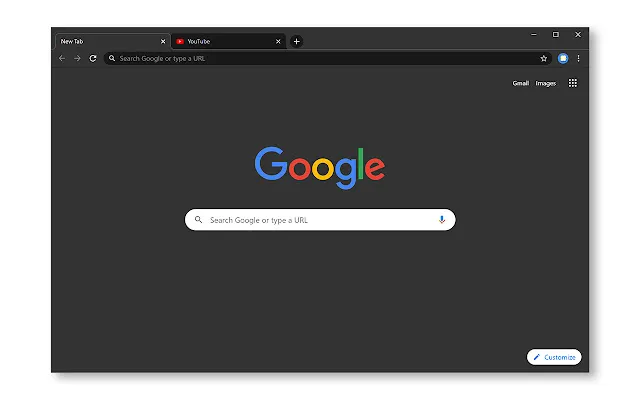
- Display Energy: Light-colored text on dark backgrounds (dark mode) requires less energy on OLED screens, a feature that’s becoming increasingly popular.
- Paper and Space Optimization
Compact and legible typography can minimize the number of pages needed in print, conserving paper without compromising readability. Thoughtful adjustments in leading, kerning, and margins can lead to significant resource savings.
Best Practices for Sustainable Typography
- Choose Eco-Friendly Fonts
Opt for fonts designed to reduce ink and energy consumption, such as Ryman Eco or Ecofont. These typefaces balance readability with sustainability, offering efficient alternatives for both print and digital projects. - Limit Typeface Combinations
Using multiple typefaces can increase the size of print files and web pages, leading to higher resource use. Stick to one or two well-chosen fonts to create cohesive, efficient designs. - Adopt Variable Fonts
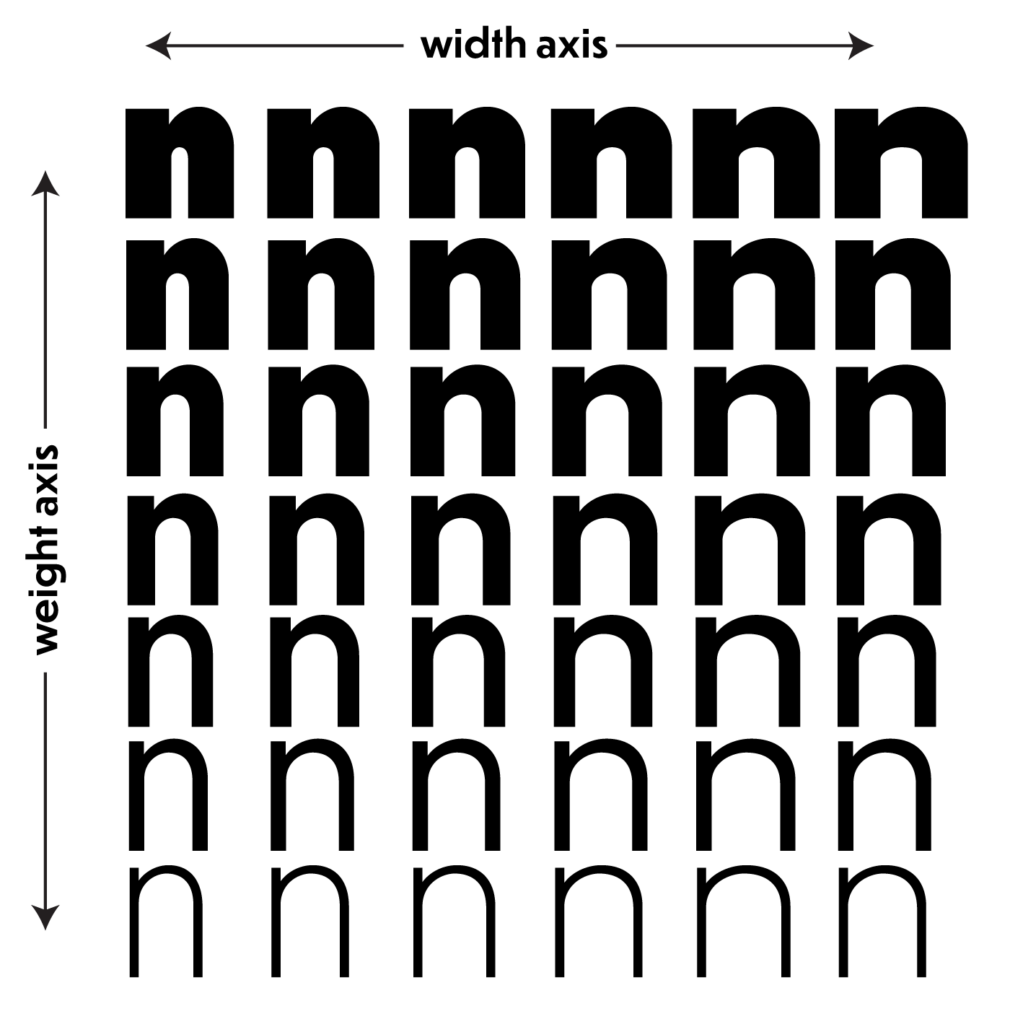
Variable fonts, which adjust weights and styles dynamically, reduce the need for multiple font files. This saves digital storage space and speeds up website loading times.
- Embrace Minimalism
A minimalist approach to typography not only enhances visual clarity but also supports sustainability by reducing unnecessary elements.
Case Studies in Sustainable Typography
- Ecofont in Action
Ecofont’s perforated letterforms use up to 50% less ink while maintaining legibility, making it a popular choice for sustainable printing. - Dark Mode Typography
Companies like Google and Apple have embraced dark mode UI designs, leveraging typography to reduce screen energy consumption on billions of devices worldwide. - Compact Print Design
Publications such as The Guardian have adopted compact layouts with sustainable fonts, significantly cutting down on paper use.
Sustainable typography demonstrates how small design decisions can lead to meaningful environmental benefits. By choosing fonts thoughtfully, optimizing layouts, and embracing digital innovations, designers can craft visually engaging work that aligns with eco-friendly values.
References
- Dougherty, B. (2008). Green graphic design. Allworth Press.
- McDonough, W., & Braungart, M. (2002). Cradle to cradle: Remaking the way we make things. North Point Press.
- Jedlicka, W. (2011). Packaging sustainability: Tools, systems, and strategies for innovative package design. Wiley.
