Learning to read is a crucial milestone in a child’s development and forms the foundation for lifelong learning. To support children successfully, various didactic approaches and methods have been developed. In this article, I will provide an overview of the most common methods of teaching reading and their practical applications.
1. Whole-Word Method
The whole-word method focuses on recognizing words as whole units, similar to visual symbols. Children learn to identify high-frequency words quickly through repetition and associations. This method is particularly suitable for early learning stages to create a sense of achievement. Criticism includes limited ability to decode unfamiliar words.

2. Phonemic-Synthetic Method
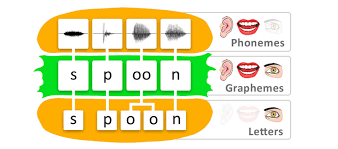
This method emphasizes the relationship between letters and sounds. Children learn to translate letters into sounds and combine them into syllables and words. This systematic approach is especially effective in developing a deep understanding of the alphabetic principle.
3. Syllable Method
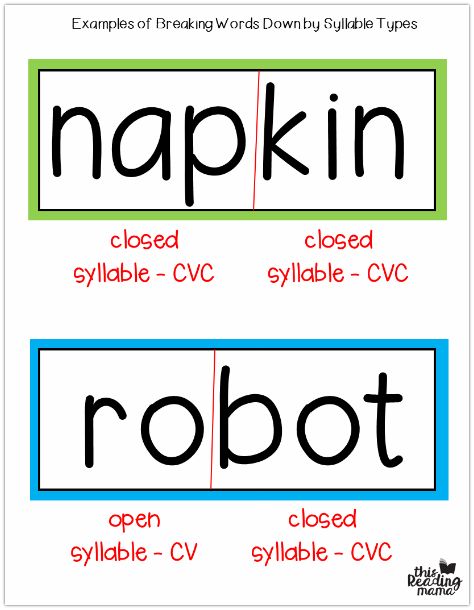
The syllable method relies on teaching syllable structures as the building blocks of reading. By focusing on syllables, the complexity of words is reduced, which is particularly helpful for multisyllabic words. This method has proven especially effective for children with reading difficulties.
Reading fluency and text comprehension are two essential aspects of the reading process. But how can children be supported effectively in developing these skills?
Reading Aloud: Regular reading aloud improves pronunciation and helps increase reading speed and accuracy. Paired reading, where a child and an adult take turns reading, is a particularly effective method.
Repeated Reading: Reading the same text multiple times builds confidence and speed. This method is especially effective for fostering the automation of word recognition.
Comprehension Strategies: Encourage children to ask questions, make predictions, and summarize the content in their own words.
