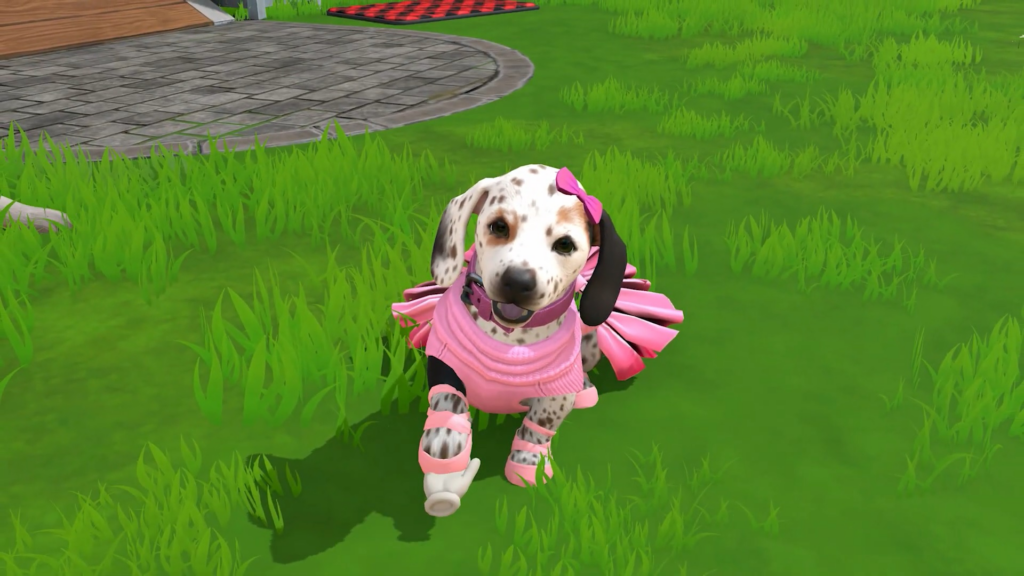
Games featuring mascot gameplay—where players nurture and care for virtual pets or similar characters—offer a distinct experience that sets them apart from games without such mechanics. These games tap into players’ emotional cores, creating bonds that extend beyond simple gameplay. This connection fosters unique engagement, often blending entertainment with emotional and psychological benefits. By exploring the dynamics of these games, we can better understand why they resonate so deeply with players.
Emotional Attachment and Responsibility
Caring for a virtual pet encourages players to build an emotional attachment through repetitive, nurturing interactions. These games simulate the experience of having a dependent creature, which naturally elicits feelings of responsibility. For instance, players may feed, groom, or play with their virtual companions, and neglecting these tasks can result in consequences like an unhappy or sick pet. This interplay of care and accountability fosters a sense of purpose and consistency in player behavior. Unlike traditional games, where engagement is tied to objectives like defeating enemies or solving puzzles, mascot gameplay intertwines success with the pet’s well-being. Research suggests this attachment can positively impact empathy and nurturing behaviors in real life, potentially making players more attuned to caring for others.
Enhanced Engagement through Personalization
Mascot gameplay frequently allows players to deeply personalize their virtual pets, which strengthens the emotional bond between the player and the game. Players often have the opportunity to name their pets, customize their appearances, and influence their behaviors or attributes through choices made in the game. This level of personalization fosters a sense of ownership and pride, transforming what could otherwise be a generic in-game character into something truly unique. This customization keeps players invested, as they are not simply progressing in the game but are actively building a relationship with a personalized entity. As a result, the more effort players put into shaping their pets, the more likely they are to stay engaged over time. By comparison, games without this level of customization may struggle to build similar levels of attachment or long-term engagement.
Stress Reduction and Mental Well-being
Interacting with virtual pets is not just entertaining—it can also have therapeutic benefits. Many players report feelings of relaxation and reduced stress while caring for their virtual companions, as the low-stakes yet rewarding nature of these interactions creates a calming experience. For individuals who cannot own real pets due to financial, health, or logistical constraints, virtual alternatives can offer similar companionship and emotional fulfillment. These games simulate the psychological benefits of real pet ownership, such as alleviating loneliness and providing a structured sense of responsibility. Studies and community discussions highlight how this connection improves players’ mental health, serving as a digital form of pet therapy. By offering a blend of escapism and companionship, virtual pet games position themselves as more than just entertainment—they become a source of emotional support.
Source: VirtualPetList – What’s the Impact of Virtual Pets on our Mental Health
Community Building and Social Interaction
The social dimensions of virtual pet games further distinguish them in the gaming landscape. Many of these games incorporate multiplayer or community-driven elements, such as trading pets, participating in competitions, or joining forums to share tips and stories. These social mechanics create opportunities for players to connect, fostering a sense of community around shared interests. Unlike games focused solely on individual progression, mascot-based games often emphasize collaboration and collective achievements. This interconnectedness enhances the experience, as players not only bond with their pets but also with like-minded individuals. These communities are not just secondary features; they often become the heart of the game, reinforcing player loyalty and encouraging long-term engagement.
Source: TheGamingList – Why do you play virtual pet games
Differentiation from Non-Pet Games
Games without virtual pet mechanics often focus on external goals, such as achieving high scores, completing missions, or mastering complex challenges. While these elements offer excitement and intellectual stimulation, they may lack the depth of personal connection that mascot gameplay provides. The act of nurturing a virtual pet introduces a softer, more empathetic dimension to gaming. It shifts the focus from external achievement to the internal satisfaction of caring for another being. This emotional engagement can make mascot games feel more rewarding over time, as the gratification stems from the player’s relationship with their pet rather than the completion of isolated tasks. In this way, mascot games stand out by blending emotional fulfillment with gameplay mechanics, offering a unique hybrid experience.
Conclusion
Mascot-based games with virtual pets differentiate themselves by fostering emotional bonds, enabling personalization, and offering psychological benefits that traditional games often lack. The cited research and community insights emphasize the importance of emotional engagement and responsibility in these games, which lead to increased empathy, reduced stress, and a greater sense of purpose. The integration of social features further enriches the gaming experience, creating communities that amplify the emotional connection between players and their pets. In contrast, games without virtual caregiving mechanics focus on external goals, which can limit their ability to resonate on a personal level. Ultimately, mascot gameplay is not just about entertainment—it’s about creating meaningful, enduring experiences that connect players to their virtual companions and to one another.
