The hype around fitness and the growth of a more health-conscious generation has not only led to a rise in fitness studio subscriptions but also fitness related apps supporting users in their fitness journey.
It is not surprising that some have went beyond simply tracking progress and started gamifying your workouts. However, while the market for gamified endurance sports apps is well developed, strength training remains an area with potential. This post investigates a range of current strength training and rep-tracking apps, analyzing their strengths, weaknesses, and gaps that a gamified mascot-based strength app could fill.
1. HeroFit
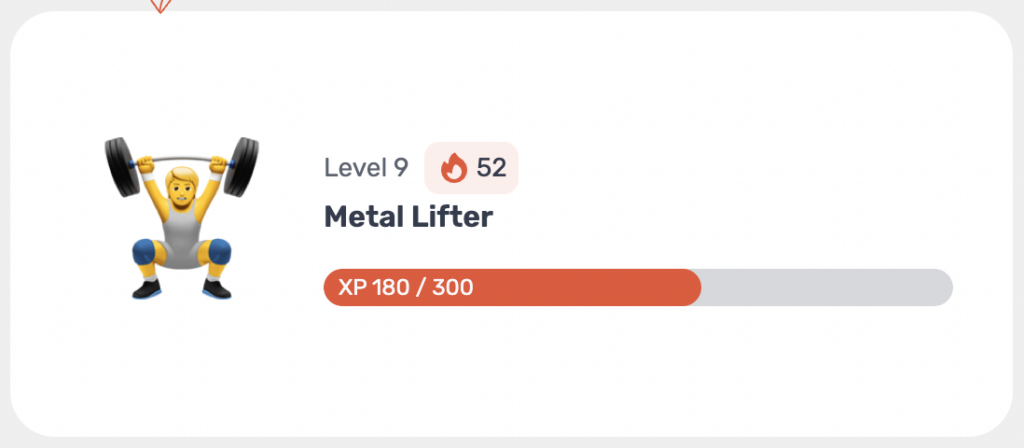
HeroFit gamifies strength training by letting users level up avatars and earn rewards through workout completion. Its leaderboard and progression features encourage friendly competition and consistent use.
Where it falls short:
The app only scratches the surface of gamification and lacks more engaging content/functions which could lead to getting disinterested quickly. It’s focus on external competition may also discourage users who are not driven by rankings or social comparison. Additionally, it lacks personalized, adaptive challenges based on the user’s progress.

Workout Quest integrates RPG-style quests, where users earn experience points and “level up” by completing exercises. The adventure-based narrative adds a fun twist to strength training.
Where it falls short:
Its gamification is mostly surface-level, with limited integration into actual workout tracking. The app could offer more robust analytics and deeper customization for different fitness levels.
Nerd Fitness Journey uses gamification to help users progress through fitness “missions” in a game-like format. It combines nerd culture with fitness, providing users with creative challenges tied to fandoms like Star Wars or superheroes.
Where it falls short:
While its themes are engaging, the app lacks strong rep-tracking features and strength-specific guidance. Additionally, the gamified missions often feel loosely connected to actual strength progression, making it less effective for serious lifters.
4. Treeceps
Treeceps offers a mix of workout tracking and gamified elements, encouraging users to complete strength-training workouts to progress within the game.
Where it falls short:
The app struggles to differentiate itself from competitors. Its narrative and progression systems feel underdeveloped, and it lacks unique elements that would make it stand out.
5. Zombies, Run! (Endurance Sport Example)
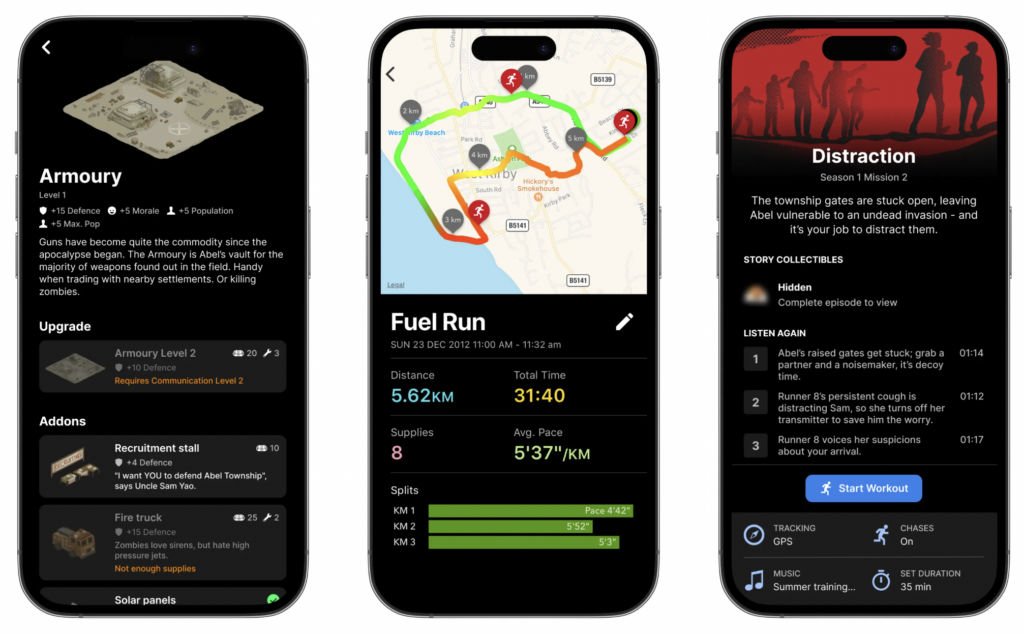
This app demonstrates how to create an immersive narrative experience, motivating users with a compelling storyline and rewards tied to activity.
Where it falls short (for strength training):
Zombies, Run! is heavily focused on cardio. While it succeeds in gamifying endurance training, it provides little insight for adapting similar concepts to strength workouts.
General Takeaways
Across the board, these apps face several challenges:
1. Shallow Gamification: Many apps fail to integrate gamification deeply into the workout process. Points, badges, and leaderboards are motivating but often lack a sense of long-term progression or narrative depth.
2. Lack of Personalization: Few apps offer truly adaptive systems that adjust based on user progress, fitness goals, or skill level.
3. Limited Emotional Engagement: Existing apps rarely create a personal connection with users, relying on extrinsic motivation rather than intrinsic factors like emotional investment.
The Opportunity: A Mascot Based Strength Tracking App
A Mascot-based app for strength training could fill a unique niche in this space by addressing the above gaps. Here’s how:
• Deep Emotional Engagement: Users could “raise” a virtual character (like a Tamagotchi) whose progress and well-being depend on their workouts. Skipping a session could lead to setbacks for the character, creating a sense of responsibility and emotional connection.
• Intrinsic Motivation: Instead of external competition, users would focus on caring for their character and watching it grow. This fosters a more personal and sustained sense of motivation.
• Adaptive Progression: The app could introduce challenges and “boss battles” tailored to the user’s fitness level. For example, attempting a personal record could unlock a new stage in the game.
• Story-Driven Narrative: Much like Zombies, Run!, the app could incorporate an engaging storyline that evolves as the user trains, adding depth and continuity to the gamified experience.
Conclusion
While the current offerings in gamified strength training have laid a solid foundation, they leave much to be desired in terms of depth, personalization, and emotional engagement. A Tamagotchi-inspired app could bridge these gaps, creating a new standard for gamified fitness that is both fun and meaningful. By combining interactive storytelling, adaptive challenges, and emotional investment, such an app has the potential to revolutionize how people approach strength training.
