Climbing boards have revolutionized the way climbers train, offering a dynamic and systematic way to build strength, technique, and endurance. Popularized by their versatility and community-driven route setting, boards like the MoonBoard, Tension Board, and Kilter Board have become staples in bouldering gyms worldwide. In this blog post, we’ll explore the key types of climbing boards, their pros and cons, and their costs to help gym owners and climbers alike make informed decisions.
1. MoonBoard
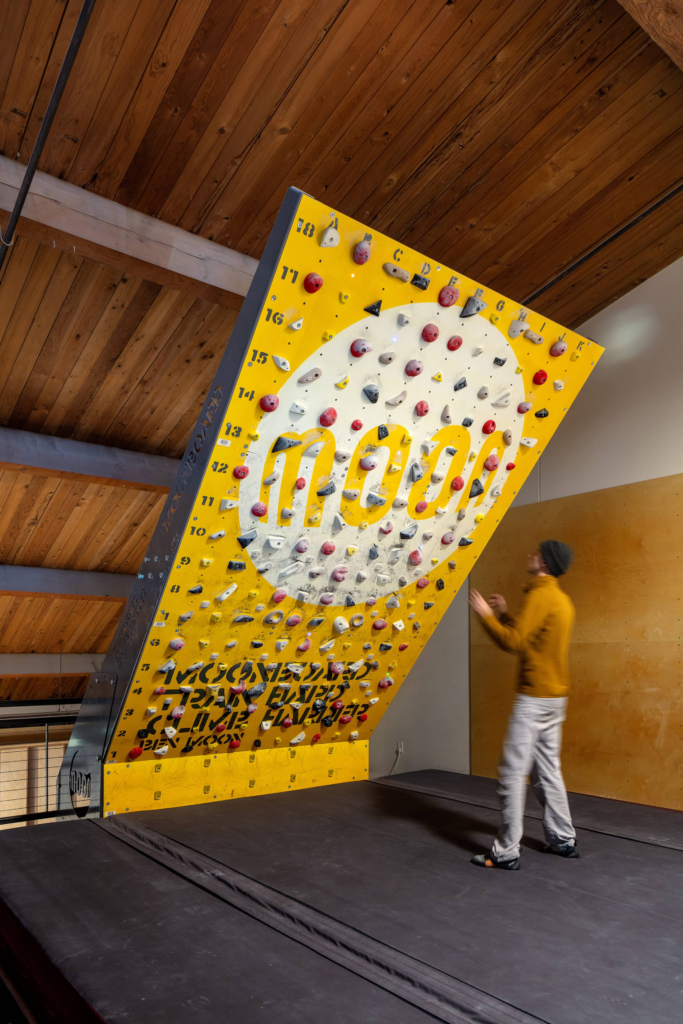
The MoonBoard is one of the most iconic training boards in the climbing world. It consists of a standardized 40-degree overhang wall, equipped with LED lights and holds arranged in a universal layout.
Pros:
- Huge database of user-generated problems accessible via a mobile app.
- Compact and space-efficient design.
- Excellent for building power and finger strength.
Cons:
- Extremely challenging for beginners due to the steep angle and sharp holds.
- Limited hold variety compared to other boards.
Average Cost for Gyms:
- Installation costs range from $5,000 to $10,000, depending on the wall size and LED integration.
2. Tension Board
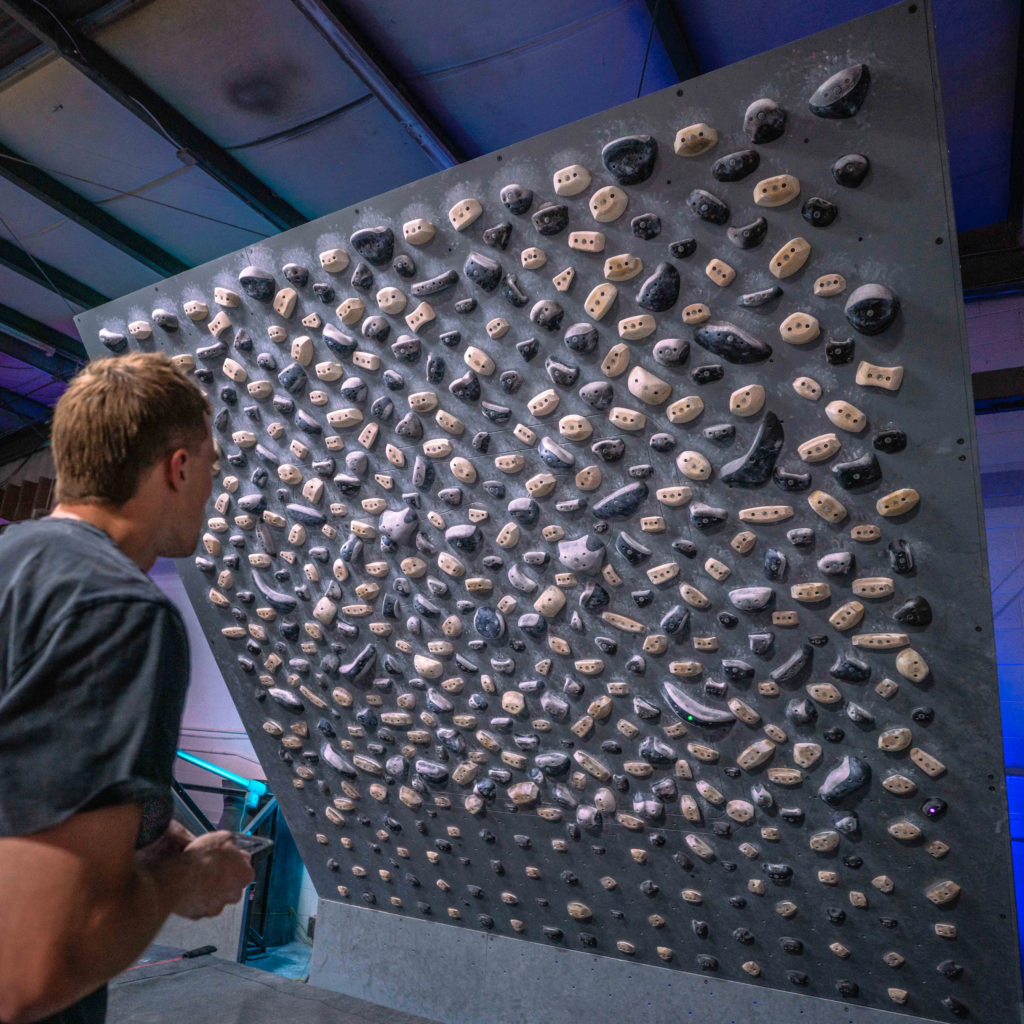
Designed with wooden holds, the Tension Board offers a skin-friendly training experience and precise, uniform holds.
Pros:
- Skin-friendly holds, ideal for long training sessions.
- Provides a wide range of hold types and angles.
- Compatible with adjustable wall angles.
Cons:
- Wooden holds can feel slippery, especially for those used to resin holds.
- Smaller problem database compared to the MoonBoard.
Average Cost for Gyms:
- Prices typically range from $6,000 to $12,000, depending on the setup and adjustable wall features.
3. Kilter Board
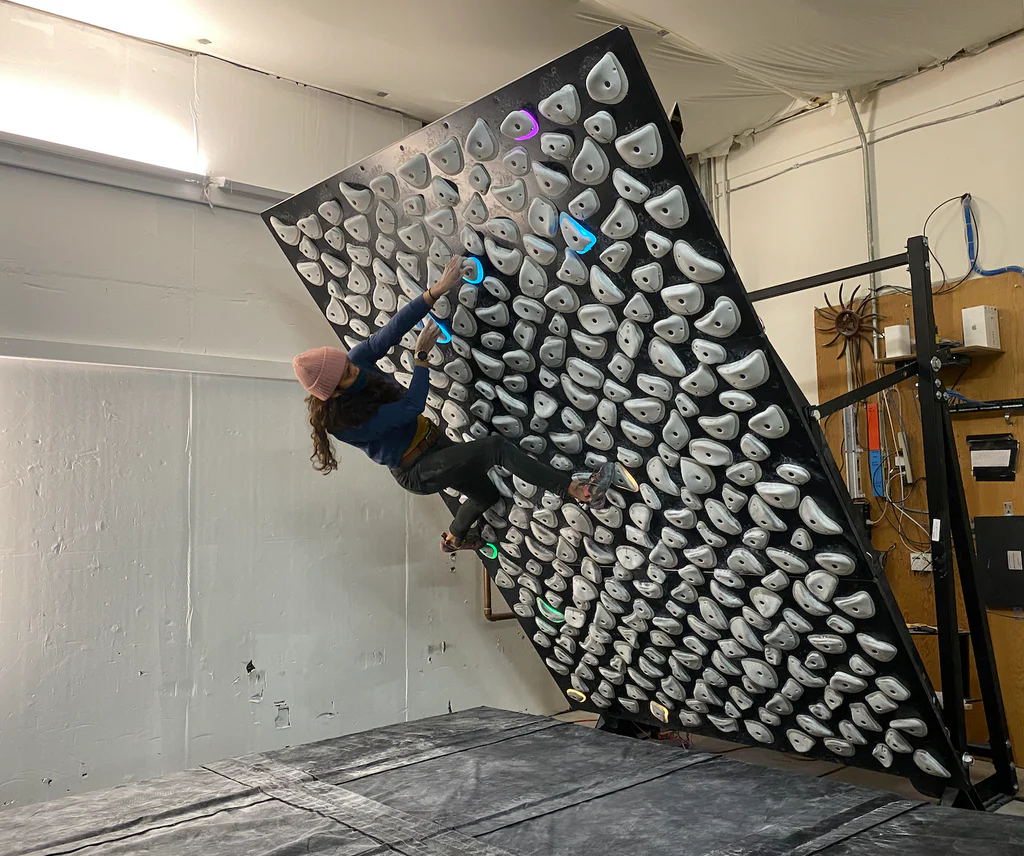
The Kilter Board is known for its customizable lighting system and extensive hold variety, catering to climbers of all levels.
Pros:
- Adjustable angles, accommodating climbers from beginners to experts.
- Wide variety of holds, including jugs, crimps, and slopers.
- Bright LED system enhances usability in low-light settings.
Cons:
- High initial cost compared to other boards.
- Requires significant space for installation.
Average Cost for Gyms:
- Expect to pay $10,000 to $20,000, depending on the size and features.
4. Homegrown or DIY Boards
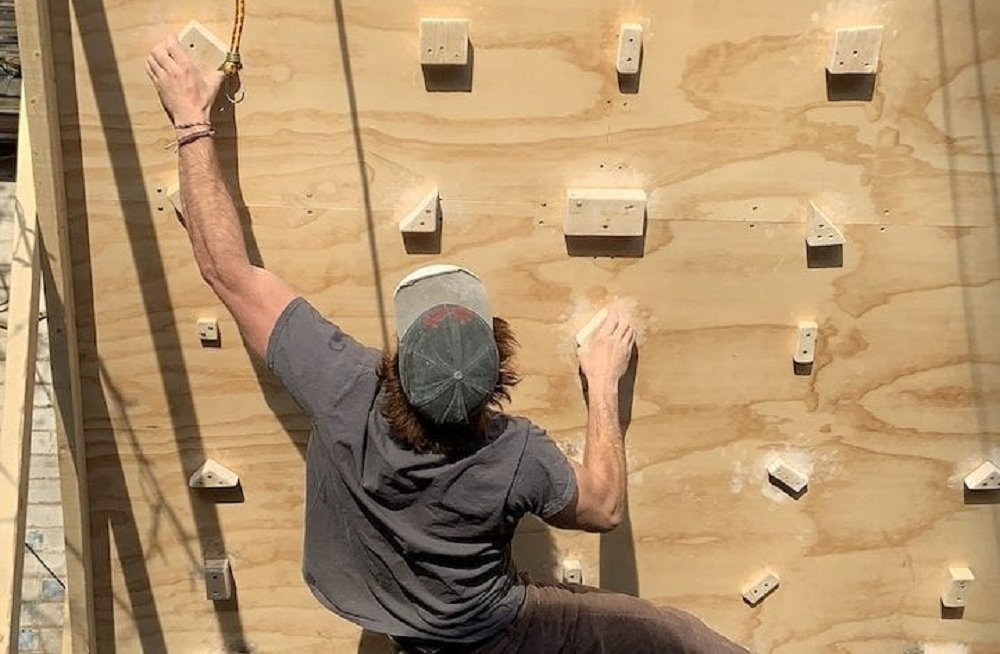
For gyms with tighter budgets, a DIY climbing board offers flexibility and significant cost savings. These boards can be customized to match specific needs.
Pros:
- Fully customizable hold layouts and wall angles.
- Inexpensive compared to commercial systems.
Cons:
- Lack of LED integration and standardized routes.
- Time-consuming to build and maintain.
Average Cost for Gyms:
- Costs can vary widely but often fall between $1,000 and $3,000.
How Smaller Gyms Can Benefit from Affordable Boards
Gyms with limited budgets can leverage DIY solutions or simpler systems like the Grassroots Board to provide valuable training options without breaking the bank. Investing in a functional but cost-effective setup allows gyms to cater to intermediate and advanced climbers while saving on upfront costs. Additionally, these gyms can engage their communities by hosting route-setting events or creating unique challenges tailored to their audience.
By prioritizing creativity and community involvement, gyms can provide excellent training opportunities without relying on high-end systems, ensuring climbers of all levels continue to thrive.
Conclusion
Climbing boards are an invaluable tool for bouldering gyms, enhancing training and fostering a sense of community. While premium boards like the Kilter Board and MoonBoard offer cutting-edge features, more affordable options like the Grassroots Board or DIY setups ensure accessibility for gyms of all sizes. By carefully considering their needs and budget, gyms can select the right board to meet their goals, inspiring climbers and maximizing their investment.
