Sustainability Through Narratives
Storytelling has long been a cornerstone of effective communication, and its relevance in sustainable graphic design cannot be overstated. With compelling narratives, designers can amplify their impact, engaging audiences emotionally and intellectually while promoting eco-conscious values. This post explores how storytelling transforms sustainable design into a persuasive tool that drives change.
Why Storytelling Matters in Sustainability
- Emotional Connection
A well-told story resonates with audiences, creating empathy and engagement. When Patagonia tells the story of how their recycled materials protect fragile ecosystems, they make sustainability relatable and inspiring. As Dougherty (Green Graphic Design, 2008) points out, connecting values to visuals strengthens the bond between a brand and its audience. - Simplifying Complex Topics
Sustainability involves intricate concepts like carbon footprints, lifecycle assessments, and supply chain impacts. Storytelling simplifies these ideas, making them accessible. For example, an infographic that visually narrates the journey of recycled packaging materials illustrates the process for consumers. - Driving Behavioral Change
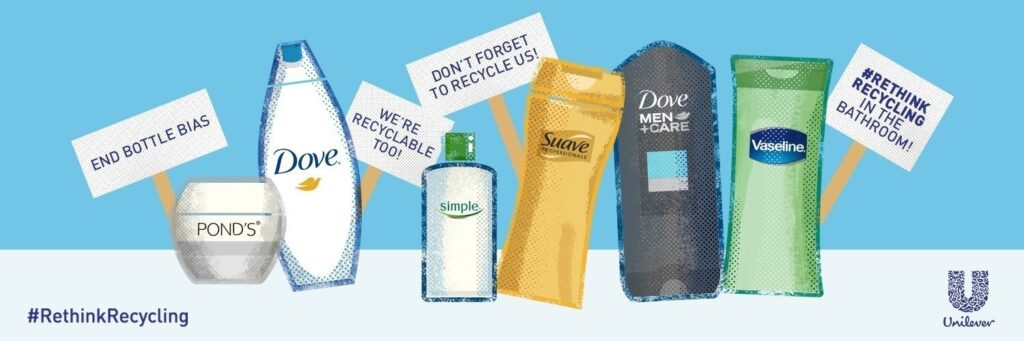
Stories motivate action. A case study shared in Packaging Sustainability (Jedlicka, 2011) describes how Unilever’s storytelling campaigns led to increased consumer recycling rates. By illustrating the consequences of inaction and the benefits of eco-friendly choices, designers can inspire lasting change.
Techniques for Effective Storytelling in Design
- Authenticity
Stories must align with the brand’s values and practices. Authenticity builds trust, ensuring audiences believe in the message being conveyed.- Example: A small local print shop might share the story of their shift to FSC-certified paper, emphasizing their commitment to sustainability.
- Visualization
Effective design uses visuals to tell stories that words alone cannot. Infographics, animations, and process illustrations bring narratives to life.- Example: A packaging design that incorporates before-and-after imagery to show the environmental benefits of switching materials.
- Human-Centric Narratives
Stories are most impactful when they focus on real people, whether they’re the consumers benefiting from sustainable choices or the workers involved in eco-friendly production.- Example: Highlighting the artisans crafting biodegradable packaging as part of a fair-trade initiative.
- Call-to-Action (CTA)
Every story should end with a clear CTA that invites the audience to contribute to sustainability.- Example: “Choose eco-friendly products today to make a difference tomorrow.”
Challenges in Using Storytelling for Sustainability
While storytelling is powerful, it must overcome certain hurdles:
- Greenwashing Risks: Misrepresenting sustainability efforts can backfire, damaging trust. Transparency is crucial.
- Audience Fatigue: Repeated messaging can lead to a loss of sensitivity. Keeping stories fresh and innovative is essential.
- Balancing Creativity and Clarity: Stories must be creative yet straightforward enough to resonate with diverse audiences.
By addressing these challenges, designers can use storytelling as a transformative tool for sustainability advocacy.
References
- Dougherty, B. (2008). Green graphic design. Allworth Press.
- Jedlicka, W. (2011). Packaging sustainability: Tools, systems, and strategies for innovative package design. Wiley.
- McDonough, W., & Braungart, M. (2002). Cradle to cradle: Remaking the way we make things. North Point Press.
