How Short Attention Spans Impact Everyday Interactions
Picture this: You’re on a flight, settling into your seat, and the safety instructions start. In the past but still even today at short flights or cheap ones without a screen, flight attendants stand in the aisle demonstrating seatbelt use and emergency exits. Most passengers barely pay attention in this case. Now, airlines like Air New Zealand or Qatar Airlines play high-quality safety videos featuring celebrities, humor or even movie themes to capture your focus. It’s no longer just about compliance – it’s about engagement.
This is just one of many situations where attention makes all the difference. Let’s explore real-world use cases where shortened attention spans have reshaped how information is delivered and understood.
Scenario 1: Safety in Airplanes
In-flight safety instructions are crucial, yet passengers often ignore them. Airlines responded by turning mandatory safety briefings into mini-movies. Using famous actors, creative storytelling, and even animation, they transform what could be monotonous into something entertaining.
Use Case Example:
Qatar’s safety video has featured Kevin Hart. By tapping into comedy and acting, they ensure passengers actually pay attention – potentially saving lives in an emergency.

Scenario 2: Manuals
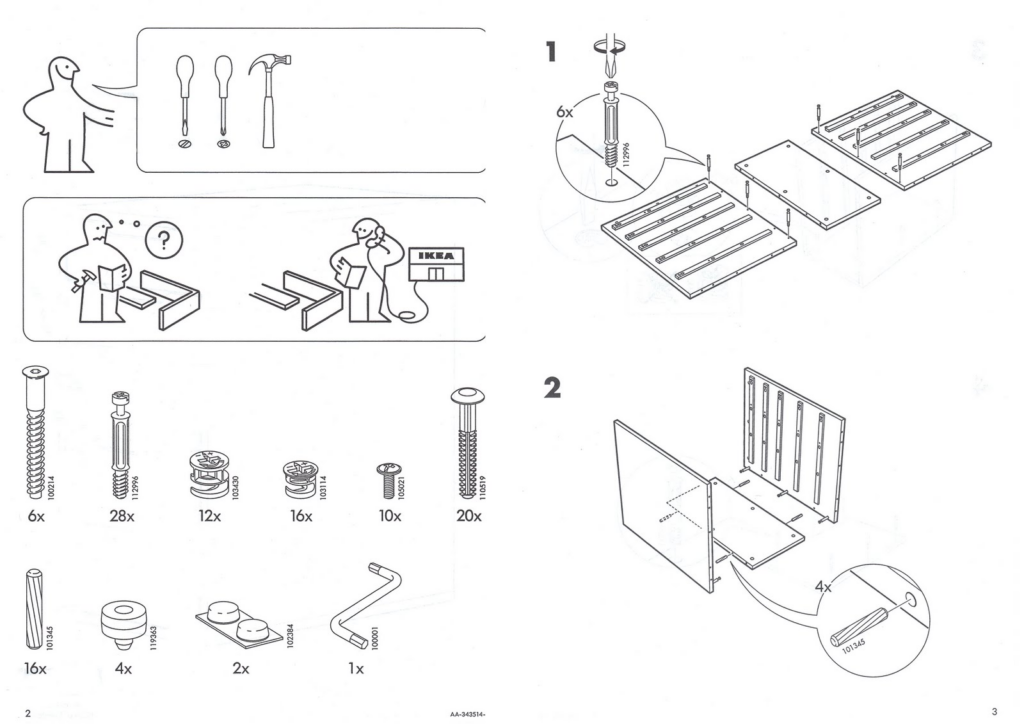
Instruction manuals have a bad reputation for being overwhelming and full of technical language. With shrinking attention spans, fewer people want to wade through dense text to figure out how to assemble furniture or install snow chains.
Use Case Example:
IKEA’s picture-based assembly instructions are a brilliant response to this challenge. By using simple visuals and step-by-step illustrations, they eliminate the need for lengthy explanations, making the process faster and frustration-free. Similarly, many car manufacturers now include video tutorials for tasks like attaching snow chains, further reducing cognitive load.
Scenario 3: Learning in the Digital Age
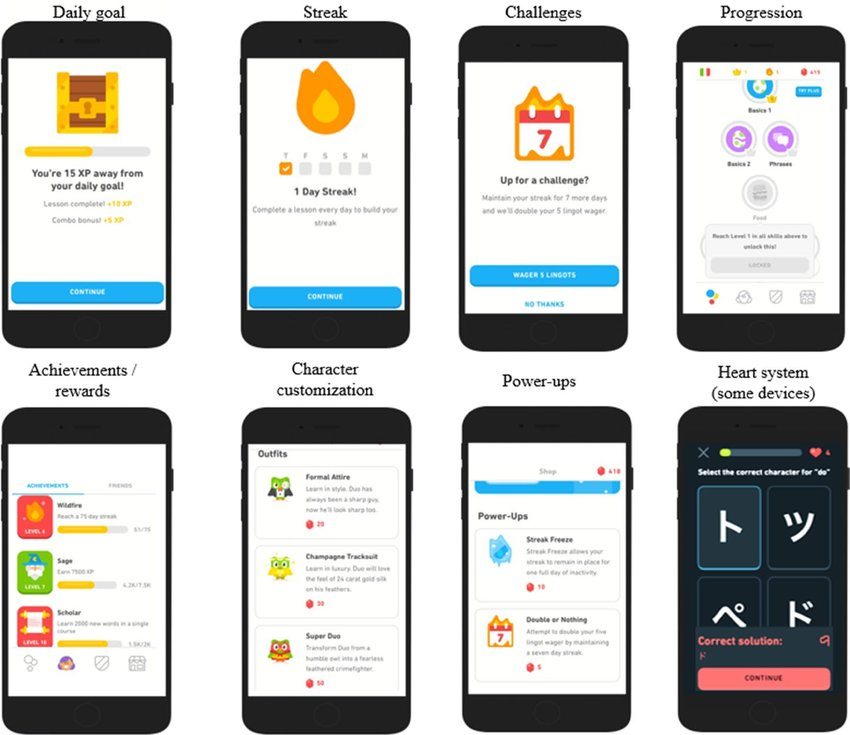
Attention challenges aren’t limited to entertainment or shopping, they’re reshaping education too. Microlearning apps like Duolingo and Blinkist are thriving because they align with modern attention spans, breaking complex topics into bite-sized lessons that fit into busy lives.
Use Case Example:
Duolingo uses gamification to keep users engaged, with short exercises, streaks, and rewards. Each lesson is designed to feel achievable, ensuring users stay motivated without feeling overwhelmed.
Why These Scenarios Matter
Each of these examples highlights how attention plays a critical role in real-life situations. From life-saving instructions to everyday usability, the ability to capture and guide attention isn’t just nice to have, it’s essential. Designers and creators must embrace these evolving behaviors to communicate effectively and create better experiences.
Stay tuned for the next post, where we’ll dive deeper into the ethical dilemmas of designing for attention.
Literature:
Safety Video with Basketball Team:
Flight attendant performs funny safety routine:
https://www.youtube.com/watch?app=desktop&v=JEyp2p-bzcU&t=65s
Qatar Airways with actors like a comedy movie:
https://www.youtube.com/watch?v=SNtlxmtH3ZA
IKEA:
https://www.ikea.com/
Duolingo:
https://www.researchgate.net/figure/duolingos-gamification-elements_fig1_351746804
