Pushing Boundaries with Eco-Innovation
Sustainability in graphic design doesn’t just address environmental challenges, it opens doors to innovative approaches that redefine design itself. By combining eco-conscious principles with cutting-edge tools and creative strategies, designers can deliver impactful, sustainable solutions. This entry explores how sustainability fuels innovation.
Eco-Innovation in Action
- Biodegradable and Recycled Materials
The development of innovative materials has significantly expanded sustainable options for graphic design. For instance, the use of biodegradable paper embedded with seeds allows packaging to transform into a plantable product, merging design with nature. Projects like these align with the principles of cradle-to-cradle design advocated by McDonough and Braungart (Cradle to Cradle, 2002), turning waste into opportunities. - Generative Design for Resource Optimization
Generative design uses algorithms to create multiple design variations, optimizing for specific sustainability metrics such as material use or energy consumption. This approach has been used to develop minimalistic packaging that reduces waste without compromising aesthetics or functionality. - Interactive and Digital Innovations
Transitioning from physical to digital mediums is another area of sustainable innovation. Interactive infographics, virtual product manuals, and augmented reality (AR) branding experiences reduce the need for printed materials while engaging audiences in new ways. Google’s lightweight design for digital platforms, as highlighted by Dougherty (Green Graphic Design, 2008), sets an example for energy-efficient digital solutions. - 3D Printing for Packaging Design
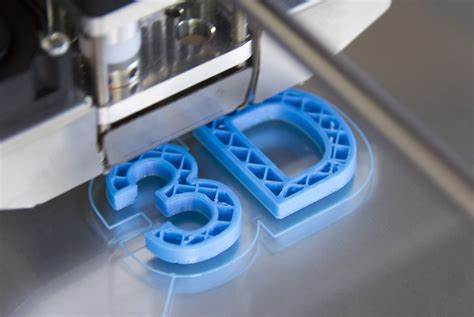
3D printing enables designers to prototype and produce packaging with minimal material waste. Brands have used this technology to create custom-fit designs that eliminate unnecessary components, showcasing how innovation and sustainability intersect.
Key Drivers of Sustainability-Led Innovation
- Creative Problem-Solving
Sustainability challenges require designers to think outside conventional frameworks. For example, designing reusable packaging or modular graphics encourages rethinking the product lifecycle. - Collaboration Across Disciplines
Working with scientists, engineers, and material experts fosters breakthroughs in design. Projects like Coca-Cola’s PlantBottle packaging demonstrate how interdisciplinary efforts can lead to scalable solutions (Packaging Sustainability, Jedlicka, 2011). - Consumer Expectations
With growing awareness of environmental issues, consumers demand more sustainable products. Meeting these expectations drives innovation as brands seek eco-friendly ways to maintain competitive advantages.
Challenges in Scaling Eco-Innovation
While the possibilities of eco-innovation are inspiring, challenges remain:
- Access to Resources: Advanced technologies like 3D printing and generative design require specialized knowledge and tools.
- Balancing Costs: Innovative materials and methods can be costly, especially in the early stages of development.
- Regulatory Obstacles: Adhering to sustainability regulations while staying innovative can complicate workflows.
References
- Dougherty, B. (2008). Green graphic design. Allworth Press.
- Jedlicka, W. (2011). Packaging sustainability: Tools, systems, and strategies for innovative package design. Wiley.
- McDonough, W., & Braungart, M. (2002). Cradle to cradle: Remaking the way we make things. North Point Press.
