The illustration reflects the unique culture of each region or continent. Asia, with its rich history and traditions, has developed its own unique styles that are very different from those of the West.
Differences between Asian and Western illustration
Asian illustrations focus more on expression and atmosphere, while Western art often emphasises realism and perspective. The aim is often to capture the essence of an object rather than depicting it in detail. Colours are used sparely and the text is often seamlessly integrated into the artwork. Asian art is closely connected to nature and is characterised by minimalism and simplicity. Some styles have established themselves through philosophical ways of thinking, such as Zen-Buddhism, which particularly want to express the pursuit of harmony and balance.
Japanese art styles
Ukio-e
Ukiyo-e, which means ‘pictures of the flowing world’, is a Japanese art form of the Edo period (17th-19th century), which became known primarily through woodblock prints (Holzschnittdrucke). It depicts scenes from everyday life, nature and mythical themes. It is characterised by colours, clear lines and detailed patterns. Above all, the pictures show a lot of life, movement and colours. Famous artists such as Hokusai (‘The Great Wave off Kanagawa’) characterised this style, which later influenced Western artists such as Van Gogh, Monet and Klimt.


Sumi-e
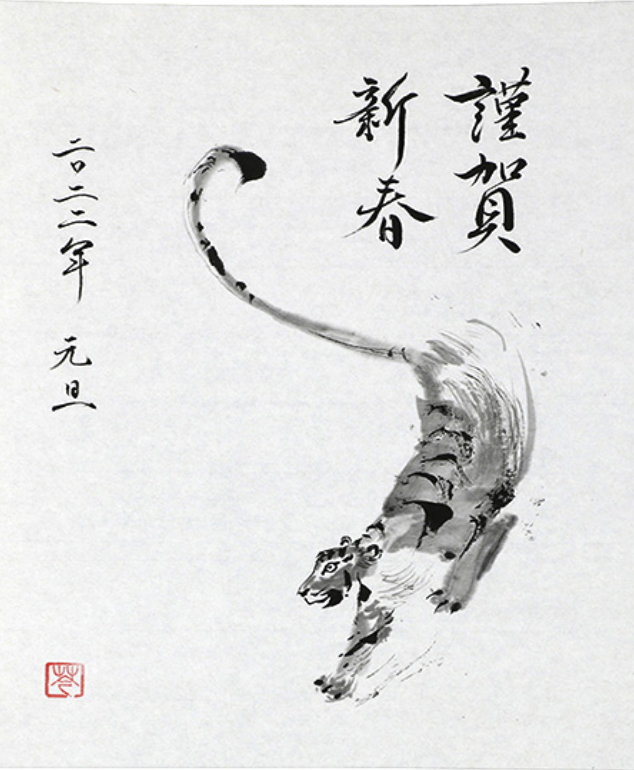
Sumi-e is a traditional Japanese art form that focuses on painting with black ink. It developed from Chinese ink painting and is closely linked to Zen Buddhism. The focus is less on realistic details and more on capturing the essence of a theme with minimal, expressive brushstrokes. Nature elements such as bamboo, mountains or birds are often depicted, with the use of empty spaces and shading playing an important role in creating harmony and depth.
Manga and Superflat
Manga is a Japanese comic and illustration art form that developed in the late 19th century, but has roots in traditional Japanese art forms such as ukiyo-e woodblock prints. After the Second World War, manga experienced a major boom thanks to artists such as Osamu Tezuka. Manga is characterised by lively image layouts, expressive facial features, large eyes and detailed backgrounds. The stories cover a wide range of genres, from adventure and romance to science fiction and horror, and are aimed at different age groups and interests. Manga has had a major influence on art, pop culture and media worldwide.


Kawaii
Kawaii is a Japanese art and illustration style known for its focus on cuteness. The term ‘kawaii’ means ‘cute’ or ‘adorable’ and is reflected in childlike, simplified figures with large eyes, round shapes and bright colours. Animals, food or figures are often depicted with over-the-top cute facial expressions. The style emerged in the 1970s and was popularised internationally by brands such as Sanrio (creator of Hello Kitty). Kawaii has strongly influenced Japanese pop culture and can now be found in fashion, advertising and entertainment worldwide.
Nihoga
Nihonga is a modern Japanese painting style that developed in the late 19th century and combines traditional Japanese painting techniques with influences from Western art. Artists use natural materials such as mineral colours, silk paper or gold leaf and often work on wood or paper. Subjects range from classical landscapes and nature scenes to contemporary interpretations. Nihonga keeps the aesthetics of Japanese art but integrates modern elements to create a bridge between tradition and innovation.

