Turning Principles into Action
Sustainable graphic design is no longer a theoretical ideal, it is a practical approach driving real-world change. Across industries, organizations and designers are adopting innovative solutions to reduce environmental impact while maintaining high-quality design. This post will highlight case studies and examples that illustrate how sustainable practices are being effectively implemented.
Case Studies of Sustainable Design
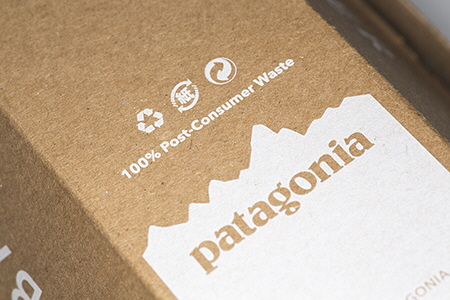
- Patagonia: Eco-Conscious Branding and Packaging
Patagonia’s commitment to sustainability extends to every facet of its branding. Their product tags and packaging are made from post-consumer recycled paper and printed with soy-based inks. This reduces waste and aligns with their broader environmental mission. As Wendy Jedlicka highlights in Packaging Sustainability, Patagonia’s approach demonstrates the power of integrating sustainable practices into business strategy while maintaining strong visual appeal.
- Google: Digital Sustainability Practices
Google exemplifies energy-efficient digital design. Their teams implement lightweight design strategies, reducing website energy consumption and enhancing user experience. By optimizing code, compressing images, and utilizing renewable energy-powered servers, they lead in reducing the digital carbon footprint, as discussed in Green Graphic Design by Brian Dougherty. Their approach highlights the importance of applying sustainability principles to digital media, an often-overlooked aspect of graphic design.

- IKEA: Circular Design Innovations
IKEA’s design ethos extends to sustainability in packaging and product instructions. Their flat-pack furniture not only reduces transportation emissions but also showcases minimal ink usage in manuals. Additionally, IKEA’s commitment to offering modular, repairable furniture emphasizes the importance of designing for longevity, a concept championed in Cradle to Cradle by William McDonough and Michael Braungart.

Lessons Learned from Best Practices
These examples demonstrate that sustainable design is both achievable and beneficial:
- Collaboration is Crucial: Sustainable solutions often emerge from partnerships with suppliers and innovators, such as Patagonia’s use of eco-conscious printing processes.
- Scalability is Possible: From global leaders like Google to smaller studios adopting waterless printing, sustainable design principles can be applied at any scale.
- Consumer Engagement Matters: Design doesn’t just reduce environmental harm, it also educates and inspires consumers to make more sustainable choices.
Challenges and Opportunities
Despite progress, designers still face hurdles when implementing sustainable practices:
- Cost Barriers: Eco-friendly materials and processes can be more expensive, especially for smaller projects.
- Knowledge Gaps: Many designers lack access to training or tools for sustainable workflows.
- Client Resistance: Convincing clients of the value of sustainability often requires presenting evidence of its long-term benefits.
References
- Dougherty, B. (2008). Green graphic design. Allworth Press.
- Jedlicka, W. (2011). Packaging sustainability: Tools, systems, and strategies for innovative package design. Wiley.
- McDonough, W., & Braungart, M. (2002). Cradle to cradle: Remaking the way we make things. North Point Press.
