The K-pop industry is deeply rooted in visuality and design. The carefully decided visual elements, from album covers and music videos to stage outfits and choreography, play a central role in the global appeal of K-pop. In the following, it is explored how visuality and design shape the branding of K-pop, with an emphasis on the construction of identity, the role of fashion, and the impact of media aesthetics in creating a consistent and powerful image.
The Role of Visual Identity in K-pop
At the core of K-pop branding is the creation of a unique visual identity for each idol or group. This visual identity includes not only the appearance of the idols but also the overall aesthetic that is used to represent the group’s concept. K-pop groups are known for reinventing themselves with each album or comeback, adopting new concepts, fashion styles, and visual themes that keep their brand new and engaging.
For example, the girl group BLACKPINK has consistently maintained a dual visual identity: “black” represents their fierce and edgy side, and “pink” reflects a softer, more glamorous side. This contrast is mirrored in their fashion, music videos, and promotional content, allowing fans to easily recognize their brand (Kang, 2020).

Album Design and Conceptual Imagery
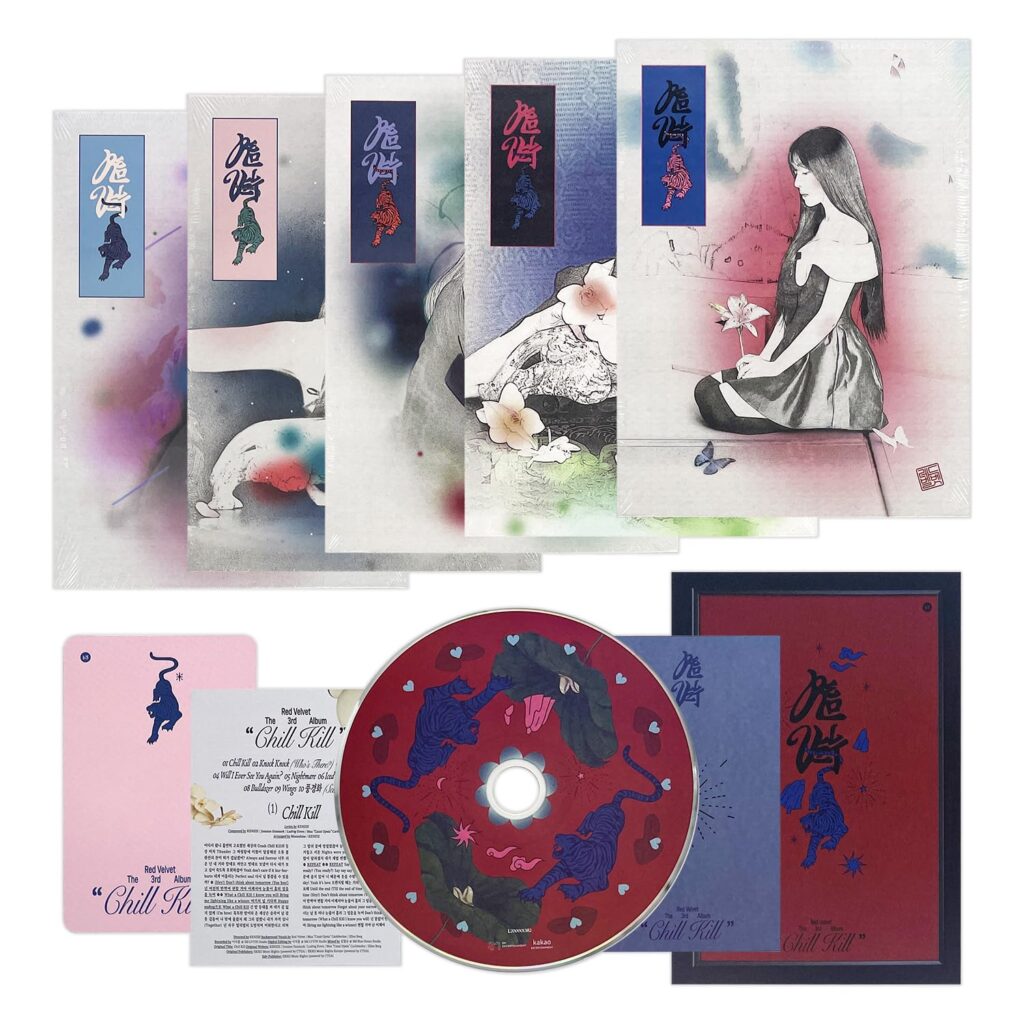
Album covers, photo books, and promotional materials are crucial tools for establishing a group’s visual identity. K-pop agencies invest heavily in creating concept-driven album designs that reflect the group’s narrative and style. Each album release becomes an opportunity to express the group’s evolving image through design, often including specific colors, textures, and motifs that align with the concept of the music.
For instance, Red Velvet’s album designs often emphasize the contrast between the “red” (bold, energetic) and “velvet” (soft, elegant) sides of their concept. The album covers use a combination of strong, eye-catching colors and luxurious textures to reflect these contrasting themes.
Music Videos as Visual Branding Tools
Music videos are perhaps the most significant platform for K-pop artists to showcase their visual branding. The high-budget, cinematic quality of K-pop videos sets them apart from Western music videos, with intricate choreography, extravagant set designs, and dramatic costume changes that emphasize the group’s identity. According to Lee (2021), K-pop music videos function not only as promotional tools but as full-fledged artistic expressions that integrate visual storytelling with sound, offering fans an immersive experience.
The music video for BTS’s “Blood Sweat & Tears” is a prime example of how visual aesthetics can enhance the branding of a group. The video is filled with complex symbolism, artistic references, and surreal imagery that connect with the group’s ongoing narrative about personal growth, struggle, and self-awareness. The careful selection of colors, lighting, and set design communicates deeper emotional and philosophical messages, adding layers to the group’s image that resonate with global audiences.
Fashion and Styling as a Branding Strategy
Fashion plays a pivotal role in K-pop branding, as idols are often seen as style icons whose outfits become instant trends. Designers and stylists work with K-pop agencies to create signature looks for idols that align with the group’s concept and image. These fashion choices are not simply about clothing—they are an extension of the group’s brand and identity.
For instance, Stray Kids have been known for their bold and experimental style choices that reflect their energetic, youthful, and at times rebellious identity. Stray Kids’ wardrobe is often a mix of streetwear, high fashion, and industrial elements, conveying their raw, authentic image.
The members’ individual styles also contribute to the group’s overall branding. Each member has a distinct fashion sense, ranging from minimalist and sleek (Bang Chan’s leather jackets and fitted outfits) to more daring and bold looks (Hyunjin’s experimental streetwear styles). These personalized fashion choices add a layer of individuality to their collective identity, allowing fans to connect with the group on a deeper level.



Choreography and Stage Design as Visual Branding
K-pop idols are known for their highly synchronized, visually stunning dance routines that not only demonstrate their talent but also reinforce the group’s identity. The performance of these choreographies, combined with the visual elements of lighting, set design, and camera work, creates a cohesive aesthetic that is memorable for audiences.
For example, ITZY’s choreography is designed to reflect empowerment and confidence, aligning with their brand identity as a girl group that encourages self-expression and independence.
The Interplay of Visuality and Narrative in K-pop Branding
Creating a Cohesive Visual Storyline
In K-pop, the visual elements are often tightly interwoven with the group’s narrative and concept. Each album cycle tells a story, and this narrative is conveyed through the design elements—whether through the progression of album concepts, the symbolism in music videos, or the evolution of fashion styles. K-pop agencies carefully concept this narrative, ensuring that every visual detail serves a purpose and enhances the group’s overarching theme.
Engaging Fans through Visual Content
In K-pop, fans are deeply invested in the visual branding of their favorite idols, often forming strong emotional connections to the aesthetic choices that define each group. The use of fan-centric visual content, such as teaser images, behind-the-scenes footage, and concept photos, keeps fans engaged and involved in the branding process. This content provides fans with a sense of exclusivity, making them feel like they are part of the group’s visual journey.
Moreover, the growing importance of social media platforms like Instagram, Twitter, and Weverse allows fans to engage directly with the group’s visual identity. Fans frequently interact with idol photos, share concept images, and even create their own fan art based on the group’s aesthetics. This fan-driven content not only strengthens the group’s branding but also fosters a sense of community and belonging.
Conclusion
Visuality and design are at the heart of K-pop branding. From album art and music videos to fashion and stage design, every visual element serves to create a distinct identity for K-pop groups that resonates with fans worldwide.
Ultimately, K-pop’s mastery of visual branding has transformed it into a multi-sensory experience, where music, fashion, and visual design work together to create an immersive and unforgettable global phenomenon.
Sources
Kang, H. (2020). *Fan-driven Marketing and K-pop: The Role of Fans in Shaping Identities and Brands*. Asian Journal of Communication, 30(4), 435-450.
Kim, Y. (2019). *Fashion as Branding: The Role of Style in K-pop’s Global Appeal*. Fashion Theory, 23(2), 227-247.
Lee, J. (2021). *Music Videos as Visual Branding Tools in K-pop*. Journal of Media and Communication Studies, 23(1), 15-27.
https://www.hatch.sg/post/bts-branding-success
